In this article
Barking is a natural behavior for dogs and a means of communication with other animals and humans, and puppies learn to communicate vocally as early as 3 weeks of age. However, if your puppy engages in excessive barking, you must assess why your puppy is barking incessantly and what you can do about it. Remember that puppies are learning and navigating their world all the time, and it’s important to know if and when the barking becomes problematic so that you can nip it in the bud before it becomes a nagging issue as an adult.
Read on to learn how to stop a puppy from barking, along with five effective ways that work.

Why Dogs Bark
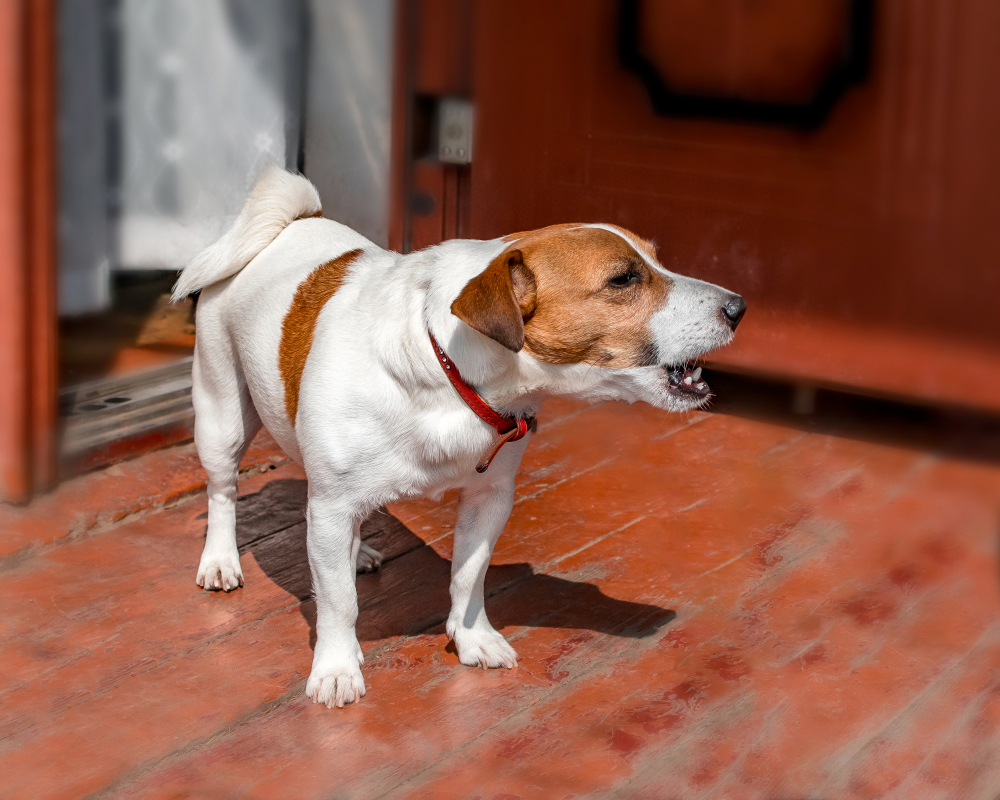
Dogs bark for many reasons. As mentioned, barking is a natural way for dogs to communicate, and you can never expect your puppy not to bark at all. However, when the barking becomes excessive, it can be extremely frustrating, not only to you but also to your neighbors, if you have any. Here are a few reasons why dogs bark:
- Alarm or fear
- Territorial or protectiveness
- Boredom and loneliness
- Playing or greeting another animal or person
- Seeking attention
- Separation anxiety
Remember that every little thing is new to a puppy while they explore the world. However, if your puppy is not properly reassured, trained or socialized, barking may become problematic as an adult.
Every puppy is unique, and some may bark more than others. Your puppy’s breed can also play a role in temperament, which can influence how much your pet barks. Nonetheless, all puppies need socialization and training, and how well a puppy’s needs are met, their training and socialization, affects how they’ll be as an adult.
The 5 Effective Ways to Stop a Puppy From Barking
1. Understand the Source of the Barking
Before you can address your puppy’s barking, it’s necessary to understand the root of the barking. Puppyhood barking is a little challenging because your puppy is learning new things each and every day, but it’s important not to influence unwanted barking.
Make sure your puppy is comfortable. Their barking may be completely reasonable if they are hungry, thirsty, tired, painful, needing to go to the toilet, hot, cold, or bored. Your first priority is to make sure your puppy is happy and safe.
If all seems well, try to focus on what happened before your puppy’s barks. Did their favorite toy slide underneath the couch? Are you on the phone and not giving your puppy attention? Both behaviors are attention-seeking, and you don’t want to play into them because they can lead to unwanted behaviors as an adult.
How to Remedy the Behavior
In the case of a toy rolling underneath the couch or some other inaccessible area, your puppy’s barking is demanding, although not unreasonable. Rather than getting up right away to receive the toy, wait a bit until there is silence and your puppy is not barking. This will reward calm patient behavior rather than barking. You will need to act quickly as they may only stop barking for a second.
If you’re on the phone or ignoring your puppy and not giving your puppy attention, the bark is likely attention-seeking. You don’t want to acknowledge the barking in this instance because your puppy will associate the barking with getting what they want. Don’t reward this behavior but ignore it, and give them attention or a toy the second they are quiet.
Ignoring the barking is only acceptable if your puppy is in no distress and has their needs met in terms of comfort, food, water, exercise, attention, and mental stimulation.

2. Do Not Encourage the Behavior
We touched on this a bit already, but it’s vital not to encourage your puppy’s unnecessary barking. Some pet parents may accidentally encourage the behavior because their puppy is so darn cute, but remember, teaching and training your puppy is vital for your pup to grow into an upstanding canine citizen, and it all begins with you, the owner.
A puppy’s little yelps and barks may be cute, but those yelps and barks will become louder as your puppy grows into an adult. You can always assess your puppy’s behavior by asking yourself if you like a certain behavior your puppy is engaging in, such as barking when they demand your attention. Anything your puppy does that you feel needs correcting, do it now, and don’t wait until your pup is an adult.
How to Remedy the Behavior
You can always ignore the barking, which will teach your puppy that their barks will not trigger a response from you. However, before you ignore your puppy’s barks, ensure your puppy is not injured or ill, as a medical issue could be the reason for the barks. If the barking is persistent, it’s wise to have your pup examined to rule out a medical issue.
It’s also best to familiarize yourself with the tone of your puppy’s barks, as the tone can help you determine if your puppy is scared, experiencing anxiety, or simply wants to play.
3. Remove the Trigger
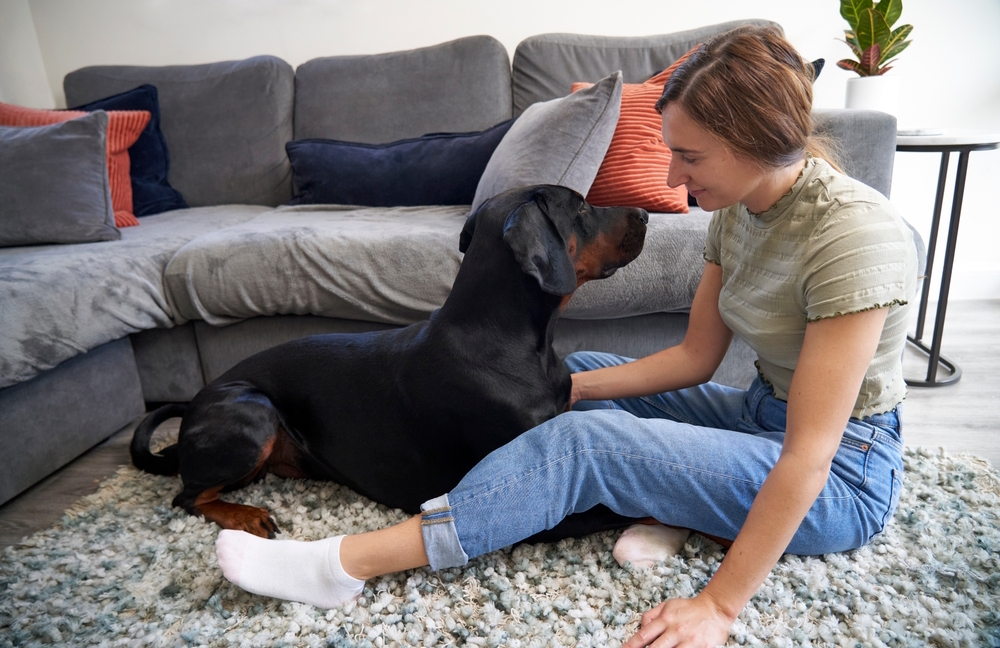
Removing triggers can be most helpful if you notice specific triggers that cause your puppy to bark. The triggers are known as the stimulus, and you can gradually try to desensitize your puppy to the stimulus that makes them bark. For example, you’ll want to manage the stimulus from a distance. Desensitization begins with a very low concentration of exposure where any reaction is minimal. You can gradually increase the intensity through a series of sessions until there is no emotional response.
How to Remedy the Behavior
Let’s use an example to better understand desensitization. Suppose your puppy barks at the vacuum cleaner. You can start by turning the vacuum on at a distance so your puppy will hear it, but the noise will be fainter. Praise your puppy with treats when they don’t bark at the noise. Gradually move the vacuum closer over a series of sessions and praise your pup each time they don’t bark. Note that you can use this technique in many different scenarios depending on your puppy’s triggers.
4. Reward Good Behavior
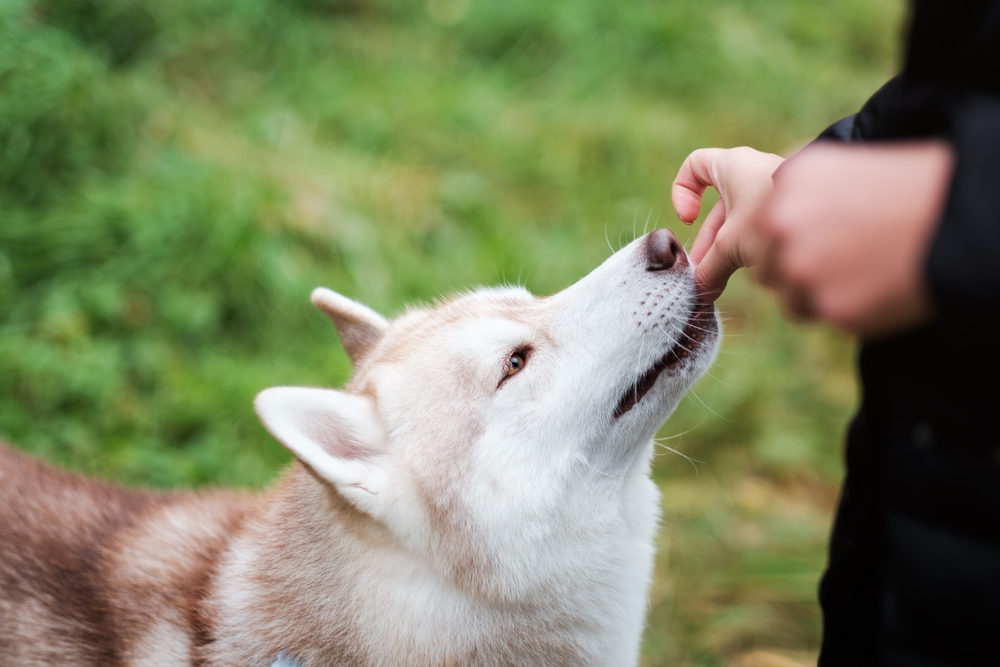
Rewarding your puppy when they do good is fundamental to training. Puppies and dogs are typically food-motivated, so ensure you have plenty of treats on hand at all times. Be careful, though, not to accidentally reward bad behavior, such as passing out undeserving treats just because your puppy is just too cute for words. For example, don’t give your puppy a treat if they jump on you if this is not a behavior you want them to continue as an adult.
5. Provide Your Puppy With Adequate Exercise
A rule of thumb is that a tired dog is a well behaved dog. However, since we’re talking about puppies, it’s crucial to know how much exercise your puppy can handle—you don’t want to over-exercise your puppy during the crucial stages of bone and muscle development because this can cause your puppy health issues later in life.
How much exercise your pup should receive daily will depend on your pet’s breed and size. Active and working breeds should be exercised more often, while companion breeds tend to be more sedentary. However, there are links between activity as a puppy and development of orthopedic problems like hip dysplasia. One study showed that off-leash exercise on soft ground reduced the risk of hip dysplasia but navigating stairs increased the risk. As these conditions are multifactorial, genetics and nutrition also play a role.
Mental exercise also counts as exercise; scenting games and puzzles provide enrichment that will fight boredom, so use these to your advantage!
Final Thoughts
Training puppies not to bark can be daunting if you’re unaware of how to do it, especially for new pet parents. Remember that no matter how challenging it may seem, you can train your puppy not to bark when inappropriate. Of course, barking is a means of communication for canines, and learning the different tones of your puppy’s barks can further help with training.
If all your efforts are in vain, you can always seek professional help from an animal trainer or certified animal behaviorist. Don’t give up on your puppy. Puppies sure are a lot of work, but the rewards are magnificent.
Featured Image Credit: nadisja, Shutterstock