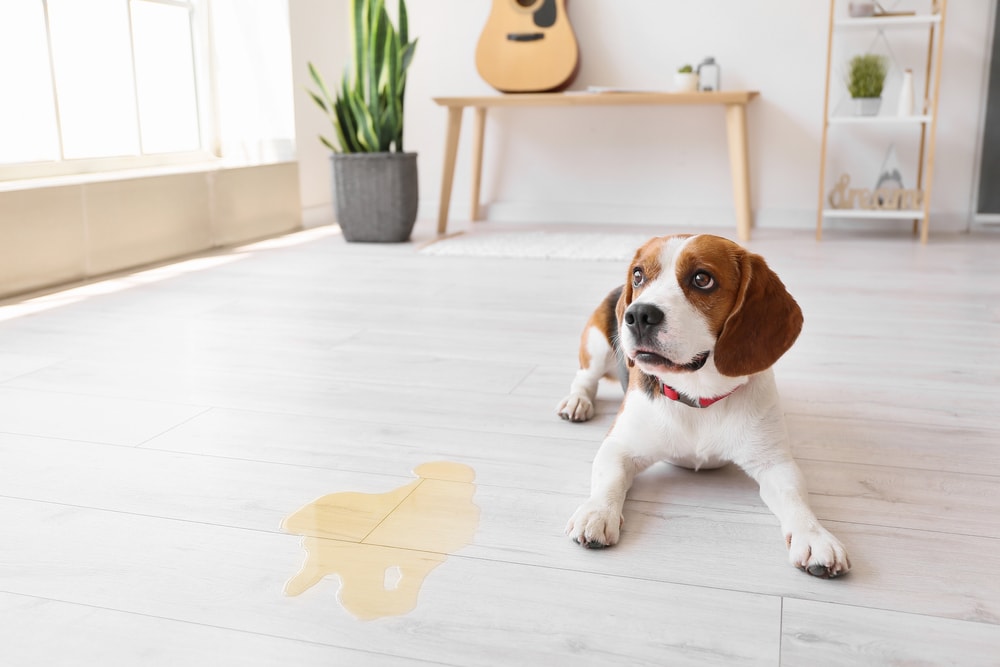
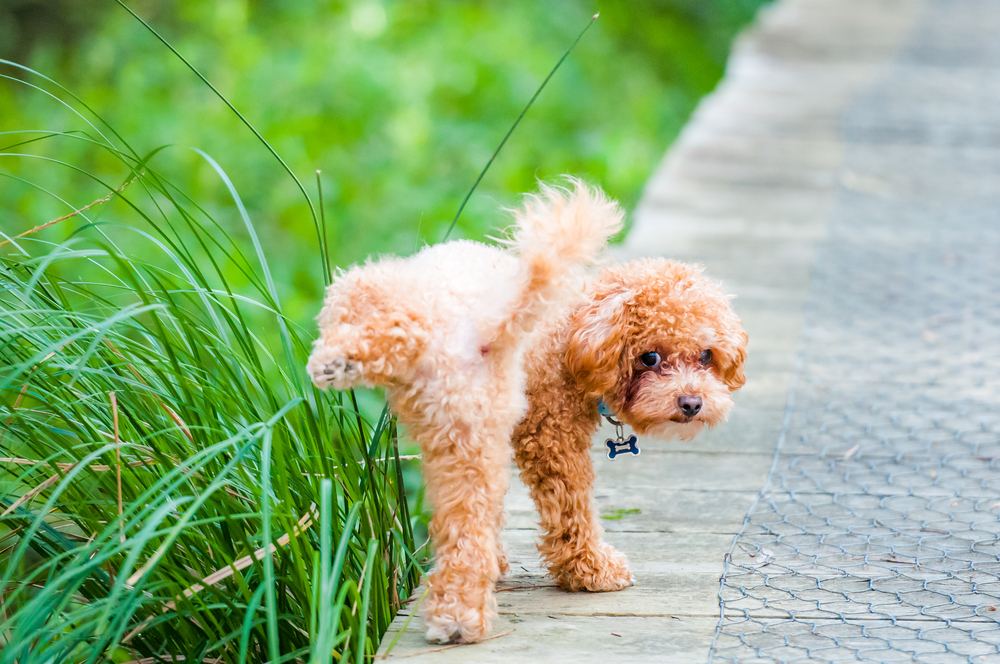
Dog Pee: Decoding Colors & Odors (With Vet-Approved Chart)


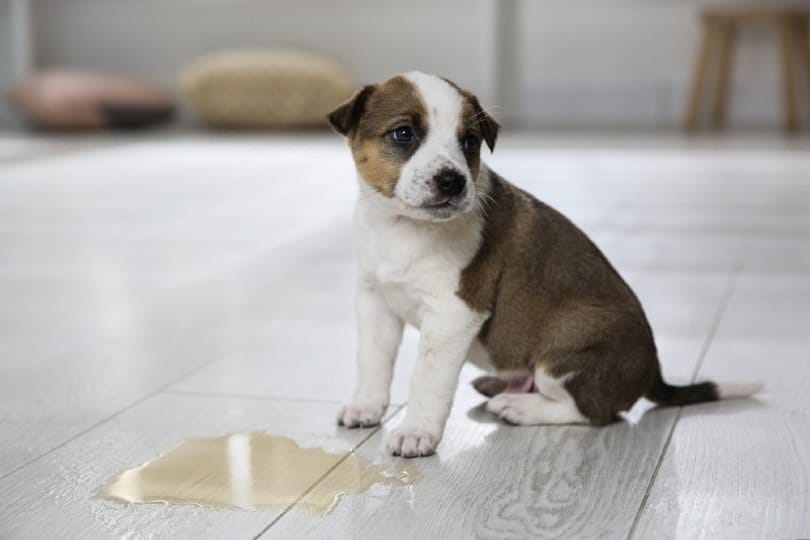
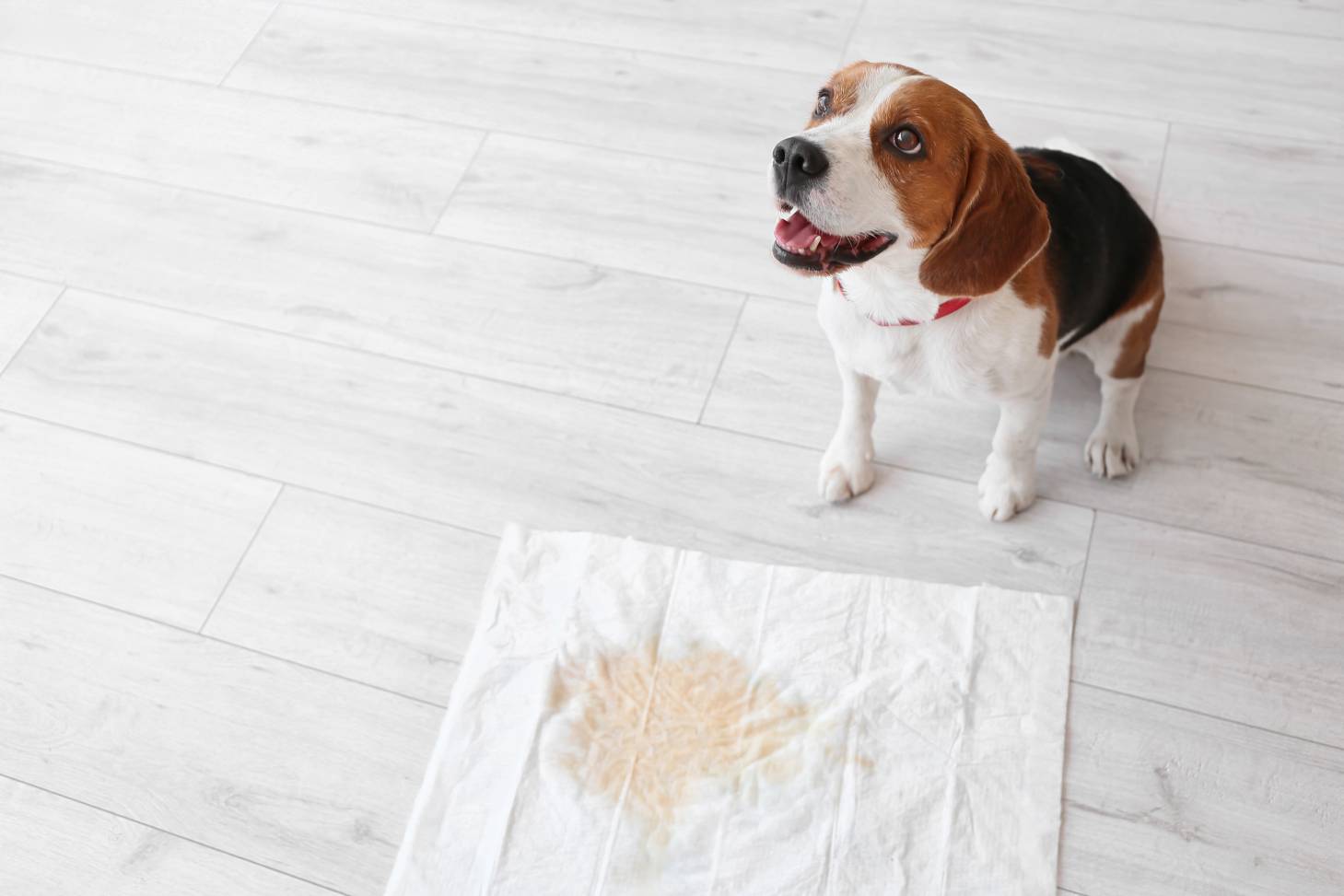
You can tell a great deal from the color and odor of your dog’s pee. The color of urine and any odors present may be your first indication that something is up with your dog. For the dog owner, learning how to decode the color and odor of your dog’s pee can be lifesaving if your dog needs medical attention that you otherwise would be unaware of.
When you think of urine, the color yellow normally comes to mind. However, urine can have different colors that can mean different things, such as an infection, dehydration, or worse. In this guide, we’ll dive deeper into decoding the color and odor of your dog’s pee to help you determine if a problem exists.

Importance of Checking Dog Pee
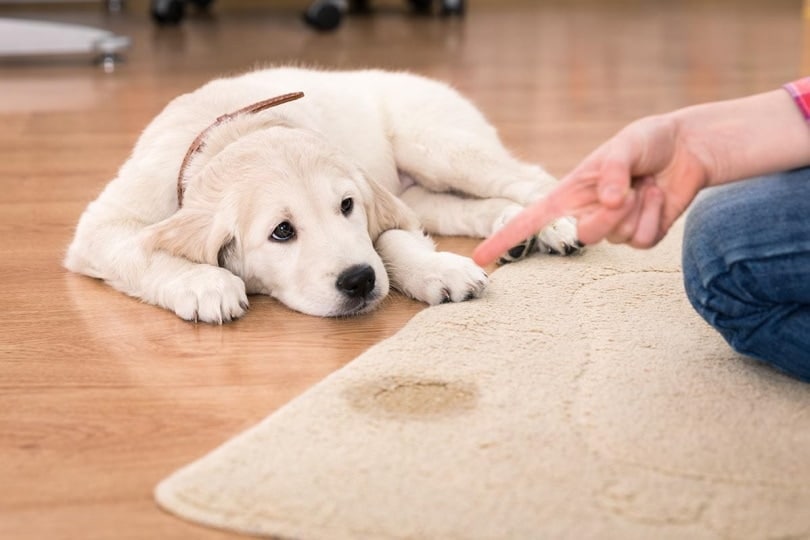
Nature has a way of telling us information that we otherwise would be oblivious to. An excellent example is, you guessed it, the color and odor of urine. Dogs cannot speak to tell us when there is a problem, but knowing what to look for can mean the difference between sickness and health. For instance, your dog could have a urinary tract infection that is easily treatable, or something more sinister could be lurking, such as kidney issues or even cancer. If your dog hangs around outside, they could get injured in such a way that you would never know unless you notice a change in the color of the urine.
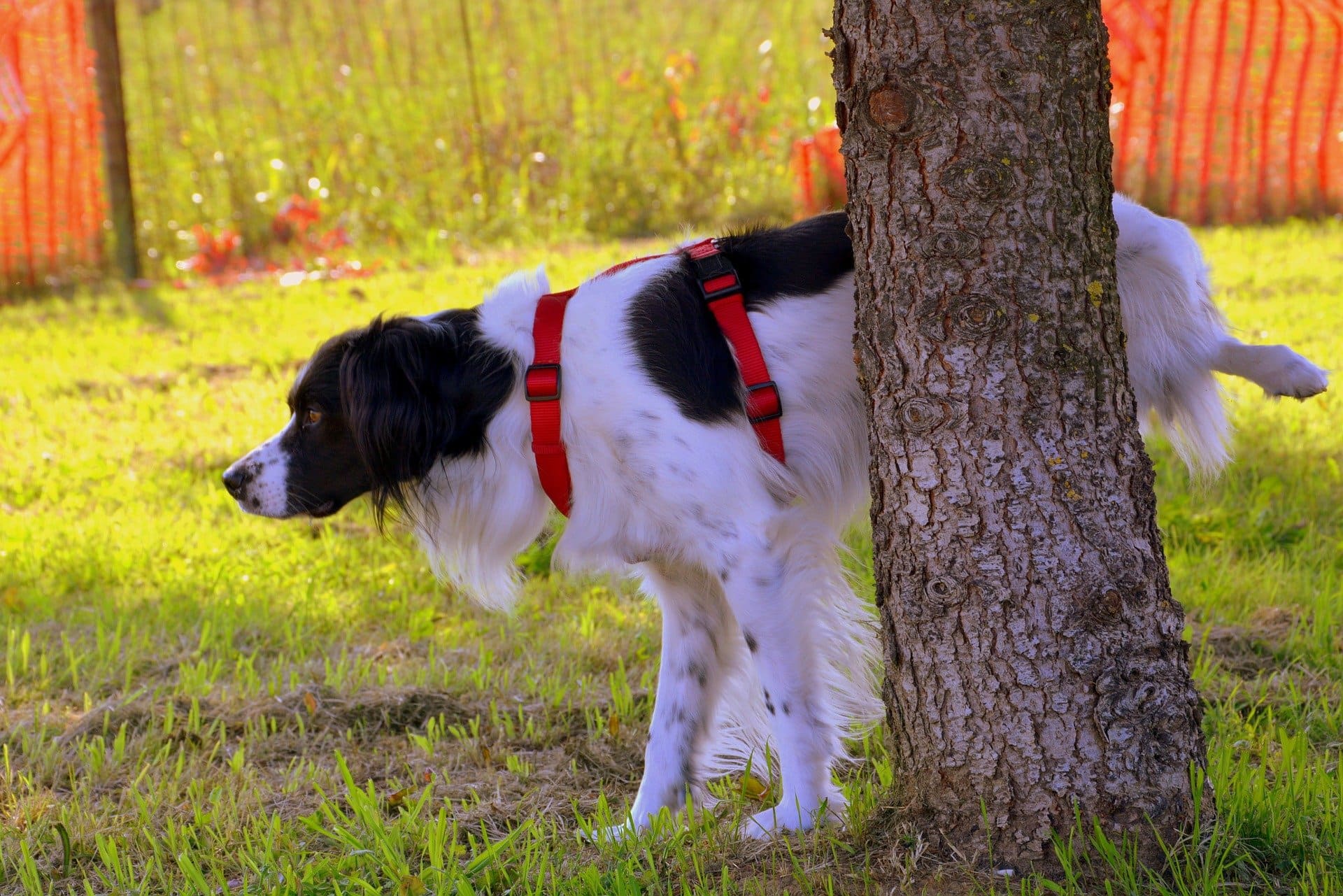
Quantity is also something to watch for. If your dog is urinating more frequently or in larger amounts, this could indicate the kidneys are failing to concentrate the urine due to possible kidney disease or a hormonal issue. Changes in the stream or increased licking of the genitals after urinating could also indicate a problem that needs addressing to resolve the issue.
Please note that if your dog has not urinated in 24 hours, it is a medical emergency because there could be a blockage. Although males and females can experience urinary problems, a blockage is more common in male dogs.

Dog Urine Color Chart

What Should I Do to Help My Dog?
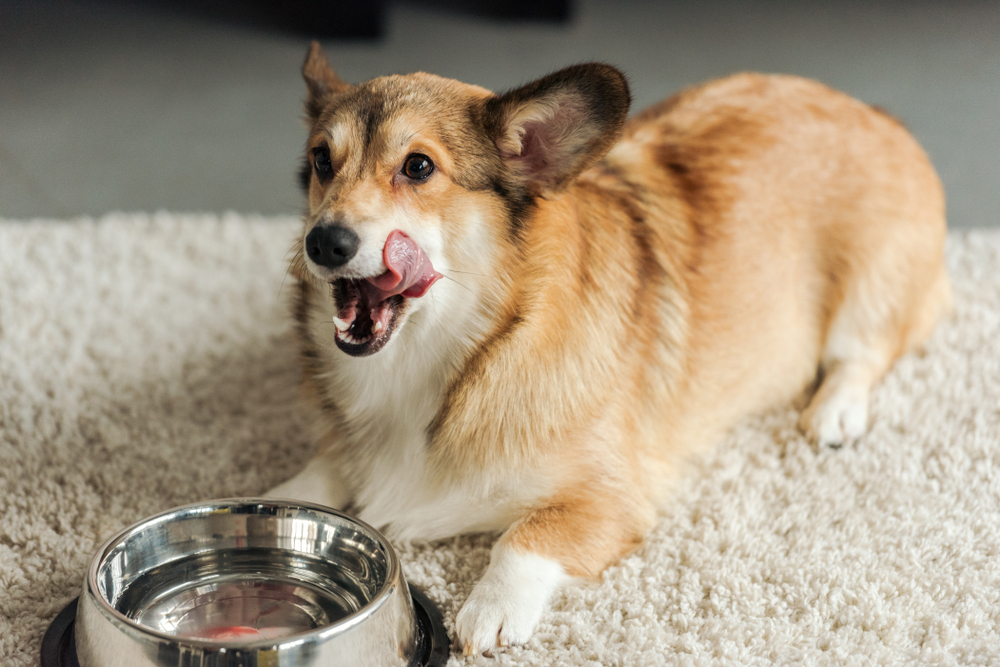
The best way to keep your dog healthy is to stay up to date with necessary vaccines and checkups. Always provide your dog with fresh drinking water 24/7, and ensure the water and bowls you use are clean. If you suspect your dog is dehydrated, you can do a home check to determine if that is indeed the case. Gently pinch the skin between your dog’s shoulder blades, then gently pull up on the skin and release.
Observe how the skin falls back into place. If the skin quickly returns to its former position, your dog is hydrated, but if it slowly returns or stays in the same position for an extended time from when you pulled it up, your dog is dehydrated. You should also watch for pale, dry, or sticky gums, dry or sunken eyeballs, and a dry nose and mouth.
If your dog is drinking an excessive amount of water, it could indicate a medical issue, such as kidney problems, diabetes, an infection, or even cancer. It’s vital to take your dog to the vet if you notice them drinking excessive amounts of water to rule out possible medical conditions.


Frequently Asked Questions (FAQ)
How Do I Collect a Sample of My Dog’s Pee?
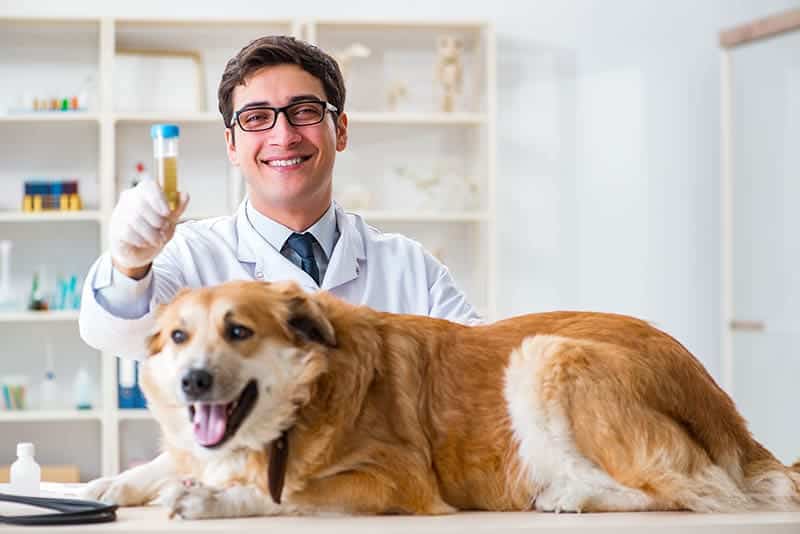
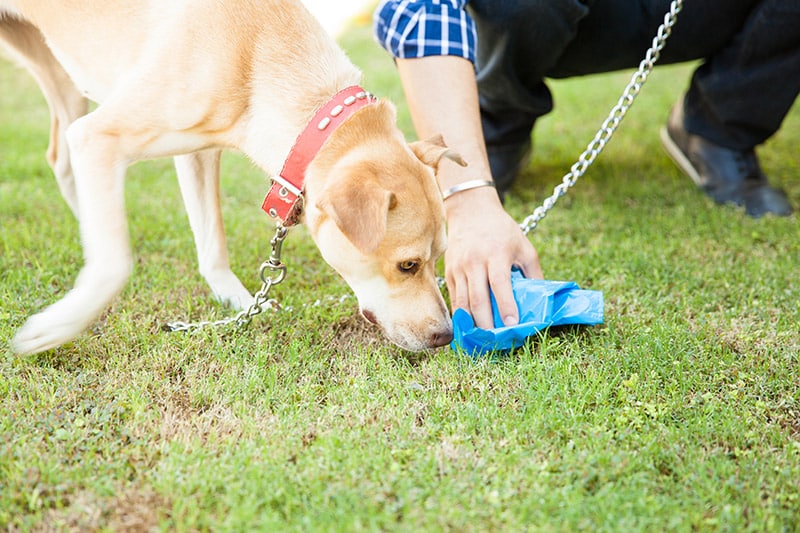
Collecting a sample of your dog’s urine may not be the easiest task, but if you notice a change in the color or if an odor is present, you should attempt to collect the urine for your vet to examine. Remember that the color and odor of dog urine can help determine the health of your pup.
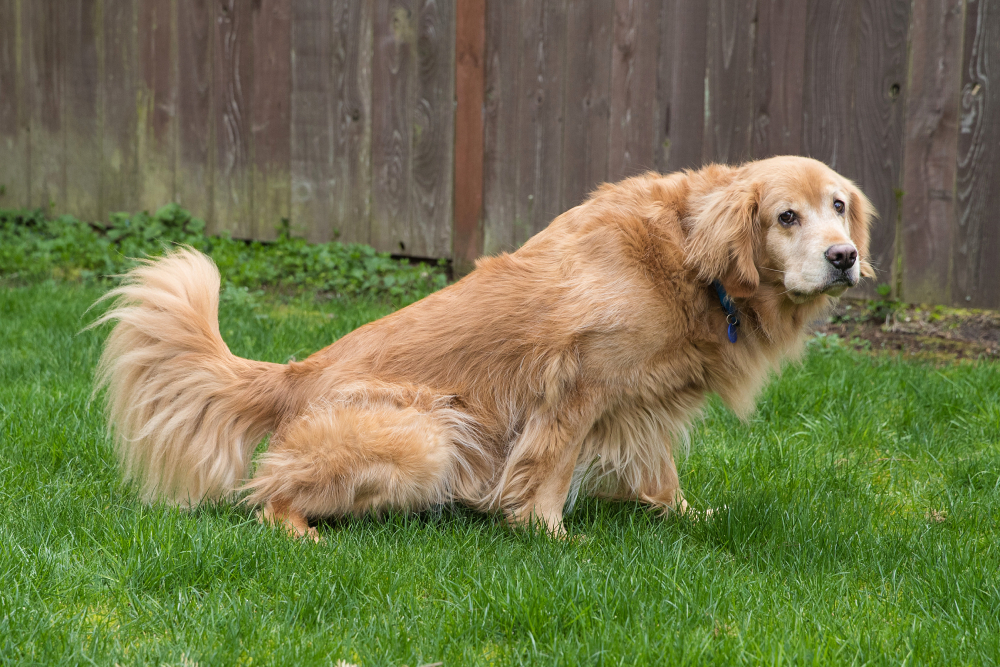
To collect a sample, use a clean, disposable container with a lid. Throw on some gloves and place the container underneath your dog as he/she pees, preferably first thing in the morning, as this is when the urine will be more concentrated. Note that you only need a tablespoon or two for a proper urinalysis, so don’t worry about catching every drop. If you have a female, an aluminum pie plate may work best to place underneath to get the sample. For males, an old glass jar may be a good option to collect the stream.
You may need to use a leash if your dog prefers to go potty alone. That way, you won’t have to chase your dog all over the yard. You may also enlist the help of a family member or friend if your dog is uncooperative; however, try not to startle your dog or stress them out while collecting the sample.
Once you've collected the sample, screw on the lid and write your dog's name on the container. You’ll need to get the urine to your vet within a few hours. If you can’t get there within this time frame, refrigerate the urine to maintain freshness.

What Color Is Dog Urine With Kidney Failure?
Dogs with kidney failure may have bright or dark yellow urine while dealing with hydration issues. As kidney disease progresses, the urine may turn lighter or nearly clear as the kidneys fail to concentrate the urine, producing a very dilute product. They will usually also pee more often and drink more water as a result.
If you suspect your dog might be suffering from underlying health issues, you should contact your vet.
How Much Water Should My Dog Drink to Avoid Dehydration?
The answer to this question depends on your dog’s weight, and it’s not a one-size-fits-all answer. As a general guideline, a dog should drink 1 ounce (⅛ cup) of water per pound of body weight. For instance, a 10-pound dog should drink 10 fluid ounces of water per day, and a 70-pound dog should drink 70 fluid ounces a day.
Other factors can also influence how much your dog should drink, such as exercise and weather. Exercising outdoors in warm or hot weather will require more fluids for your dog to stay hydrated. If you feed your dog dry dog food exclusively, your dog will likely need more water versus a dog who eats wet food, as wet food contains much more moisture.
You should leave fresh water for your dog at all times, both indoors and outdoors, to avoid dehydration. If your dog will not drink water, a trip to the vet is in order.

Final Thoughts
Since dogs cannot speak, you’ll need to rely on their bodies as a way of communicating possible medical issues, and one such way is through their urine. Being a dog owner is more than just feeding your dog and taking them out to potty, and it’s our responsibility to ensure our dogs are healthy and receive medical attention should a problem arise.
Maintaining yearly exams and vaccines is an extremely important aspect of dog ownership. If you notice something isn't right, such as a change in your dog's urine color or odor of the urine, it likely indicates some sort of a medical issue. Remember, it could be as simple as dehydration, but it could also be something more sinister, making a trip to the vet of utmost importance.
See also:
Sources
https://www.petmd.com/dog/general-health/what-your-pets-urine-says-about-their-health
https://www.akc.org/expert-advice/health/how-do-i-collect-a-urine-sample-from-my-dog/
https://www.petmd.com/blogs/thedailyvet/pmahaney/2011/oct/why_pets_pee-11759
https://www.sciencedirect.com/topics/veterinary-science-and-veterinary-medicine/bilirubin
Featured Image Credit: New Africa, Shutterstock
Expert dog care, straight to your inbox
Vet-reviewed advice, training tips, and the best of Dogster. Free, and you can unsubscribe anytime.
By signing up, you agree to our Terms & Conditions and Privacy & Cookies Policy.
Rachel Giordano is a writer and musician living in Pensacola, Florida, with her partner and their two dogs, Aero, a Border Collie/Sheltie mix and Sophie, a Boston Terrier. Rachel holds a Bachelor of Arts degree in communication and loves writing about animals of all types. When she’s not writing about pets, she loves to write suspense/thriller novels. A musician by night and writer by day, she enjoys educating the public about the needs and requirements of animals, big and small.
Join the conversation
Ask a question, share your story, or send private feedback.