Labradoodle Dog Breed: Info, Pictures, Care Guide & More

In this article
Labradoodles are mixed-breed dogs that were bred to help people with dog allergies get guide dogs that they could live with. Labradoodles originated in Australia, but since then, they have exploded in popularity and spread all over the globe. The creator of the Labradoodle inexplicably turned his back on his creation and has admitted regret for creating the popular dog breed. All of these things make the Labradoodle a fascinating breed with a surprising history and unique traits. Here is everything you need to know about the Labradoodle.
Breed Overview
Height:
Weight:
Lifespan:
Colors:
Suitable for:
Temperament:
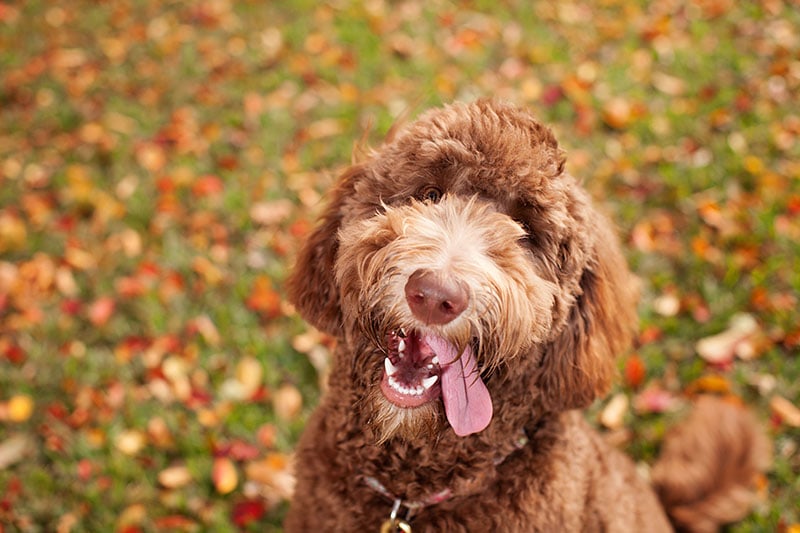
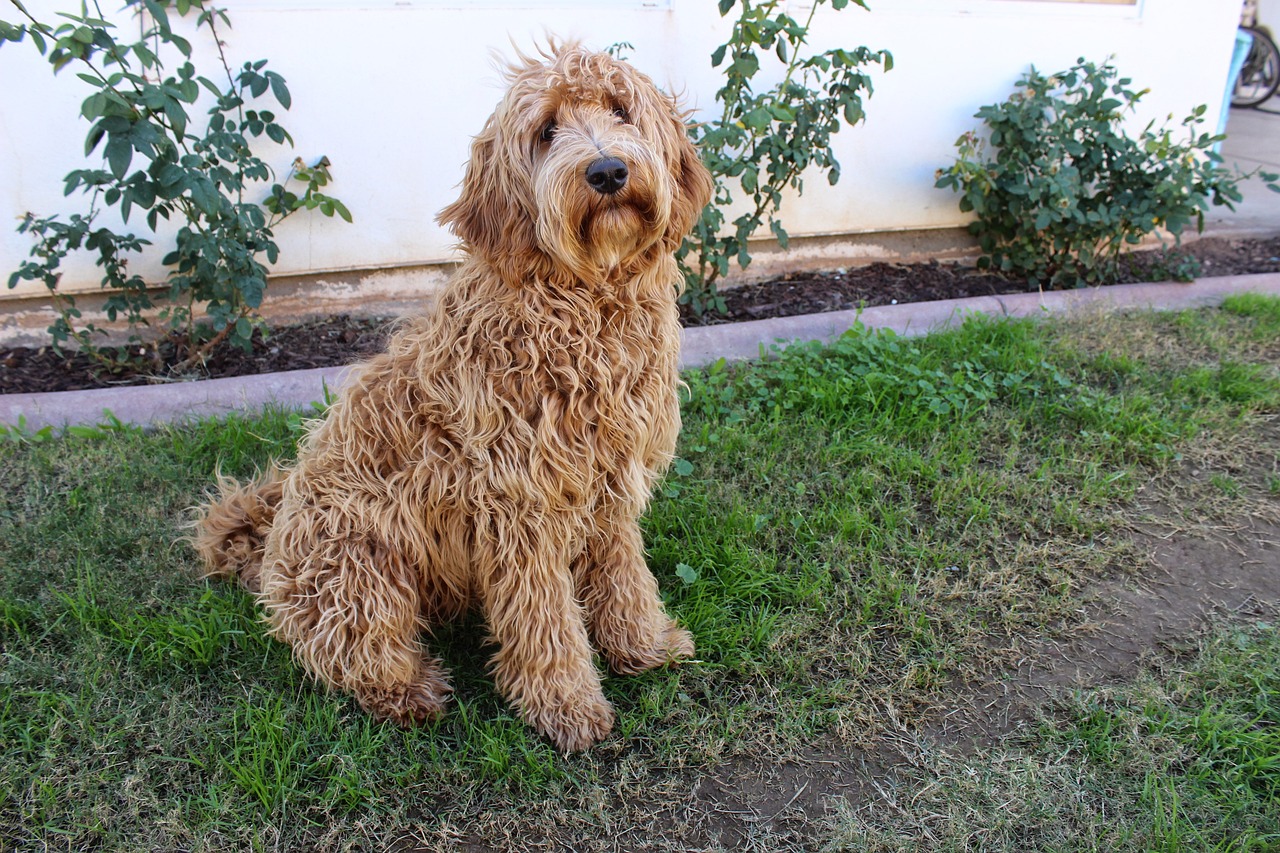
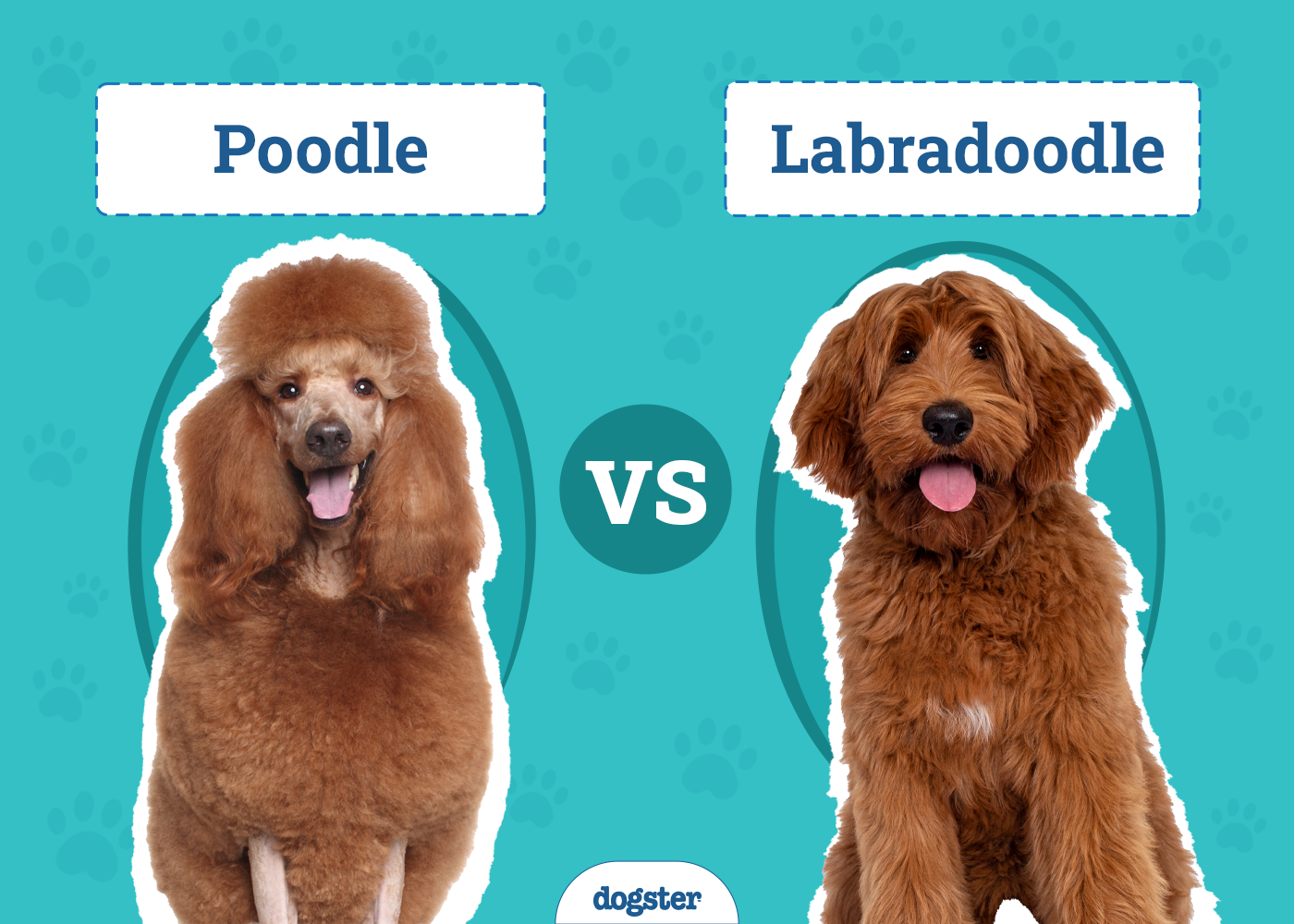
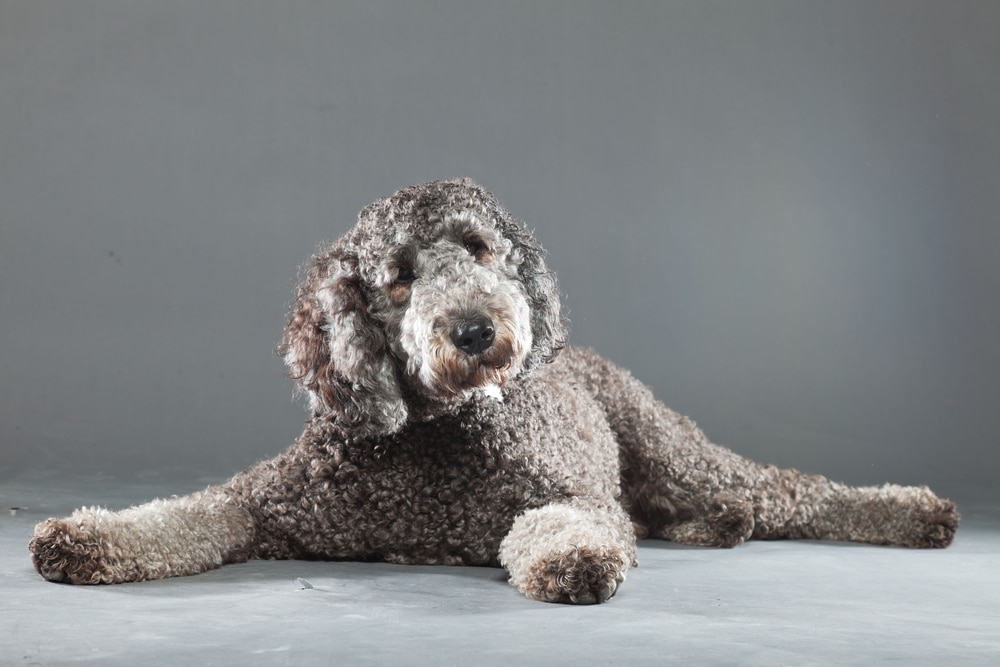
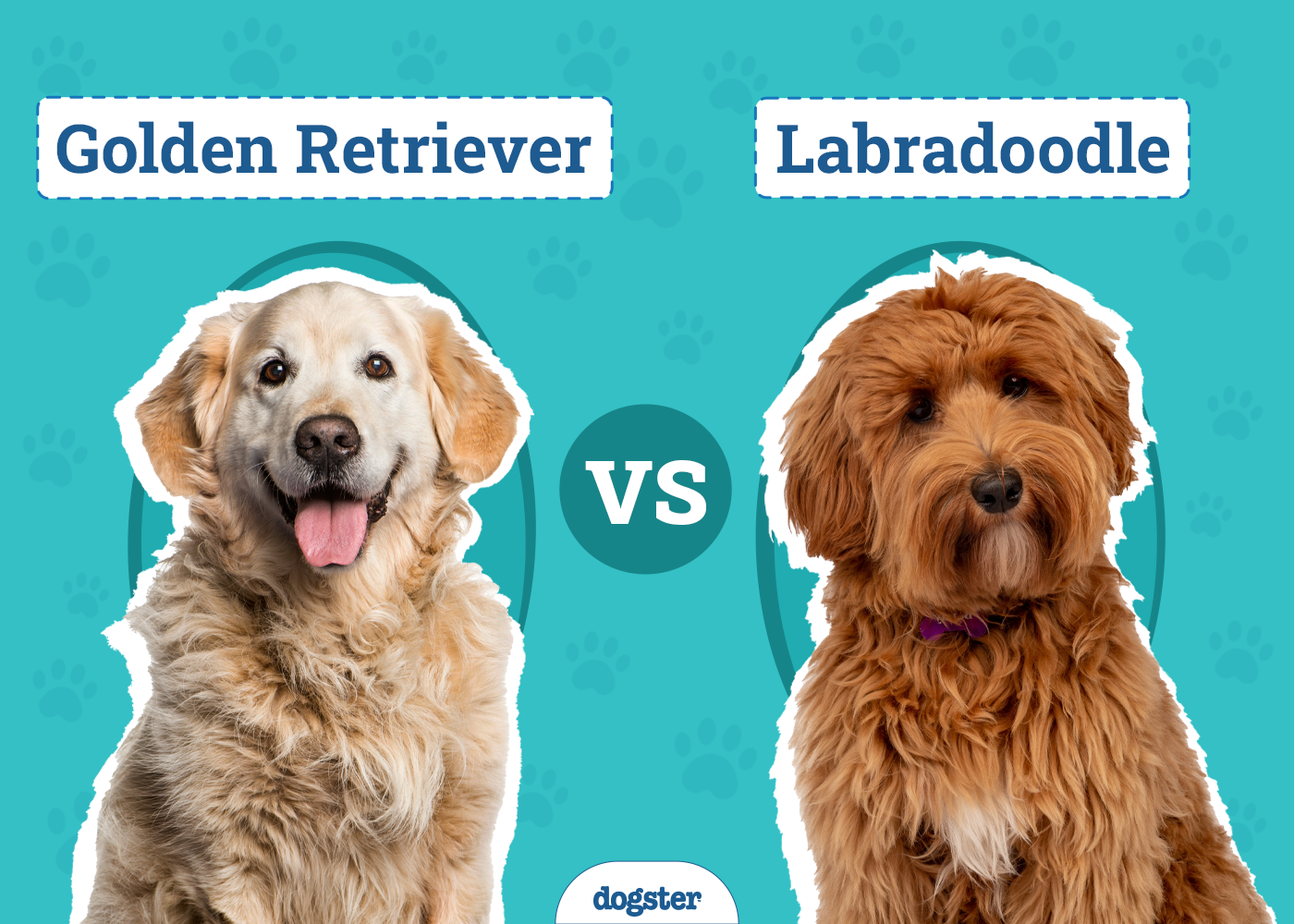
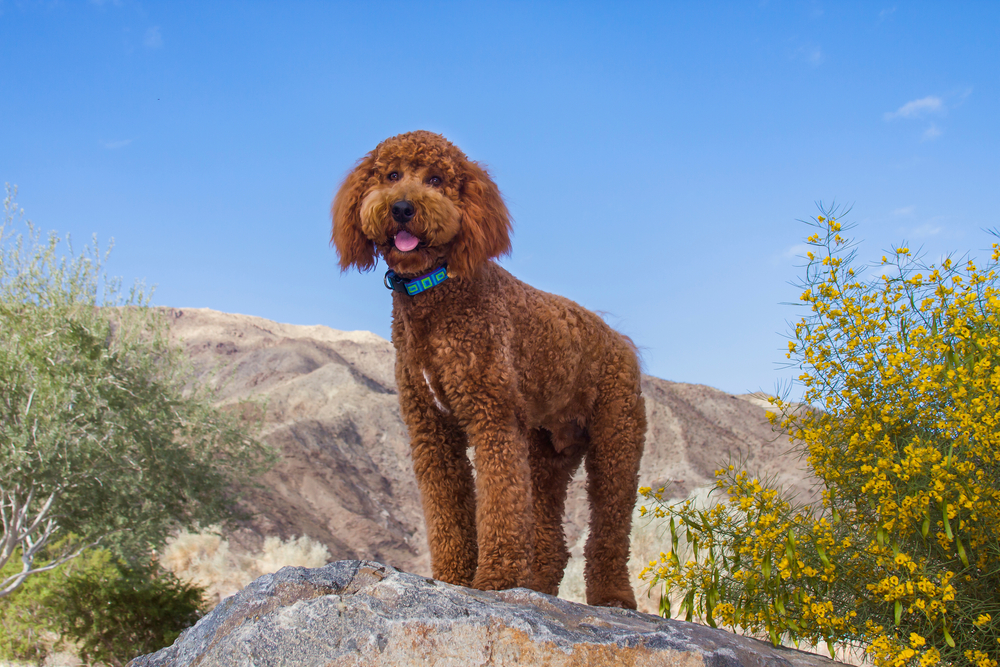
The Labradoodle is a breed that mixes a Labrador Retriever with a Poodle. Since Poodles come in a variety of sizes, Labradoodles can also come in a variety of different sizes, from small to large. The Labradoodle was one of the first purposeful mixed breeds to become a designer dog hit. Prior to the emergence of the Labradoodle, most people frowned on mixed-breed dogs as designer breeds. However, the Labradoodle was so popular that it opened the door to other similar breeds, like the Goldendoodle, which have taken the world by storm.
Labradoodle Characteristics

Labradoodle Puppies

Labradoodle puppies are extremely fun, adorable, and friendly. If you are interested in getting a Labradoodle puppy of your own, the best thing to do is to find a local breeder that specializes in breeding Doodle mixes. Since Labradoodles are a mixture of two common breeds (Poodles and Labrador Retrievers), there is a chance you can stumble across a Labradoodle puppy in the local animal shelter. However, the best way to ensure you are getting a true Labradoodle puppy is to go through a specialized breeder. Labradoodle breeders are becoming more popular as the breed rises in popularity.

Temperament & Intelligence of the Labradoodle 🧠
The Labradoodle is a breed with a number of excellent personality traits. Labradoodles are people pleasing, easy to train, friendly, energetic, fun, and easygoing. Labradoodles need a large amount of mental or physical stimulation to keep them calm and well behaved, especially when they are young. These dogs are highly energetic and can become unruly if they do not get the proper amount of exercise. If you can keep your Labradoodle calm, they are amazing family dogs that are bright and fun to be around.
Are These Dogs Good for Families? 👪
Yes. The Labradoodle is a breed that makes a fantastic family dog. Labradoodles are playful, loving, and friendly. They get along with small children, older children, strangers, and adults. They are people pleasers by nature and love to be in the middle of the action. That means a Labradoodle can play with children after school, snuggle with the parents after dinner, take a long walk with a teenager in the morning, and be completely happy doing all of the above.

Does This Breed Get Along With Other Pets? 🐶 😽
Yes. Labradoodles get along with just about everything and anything. Labradoodles make horrible guard dogs or alert dogs because they think everything is a potential friend. This makes them great companions for other dogs, cats, small animals, and more. Labradoodles have little to no aggressive tendencies toward other animals, so they are a great addition to almost any home that already contains pets.
Things to Know When Owning a Labradoodle
Food & Diet Requirements 🦴
Labradoodles have no specific diet requirements. Labradoodles should eat a well-formulated diet of dry food or follow a diet provided by a veterinary professional. Follow all feeding instructions to the letter to avoid increasing your Labradoodle’s risk of obesity. It is recommended to follow your dog’s age when it comes to feeding. Feed puppy food to puppies, adult food to adults, and senior food to seniors. You might also want to choose specialized foods based on your individual dog, such as food that boosts joint health or food that promotes a healthy coat and skin.
Exercise 🐕
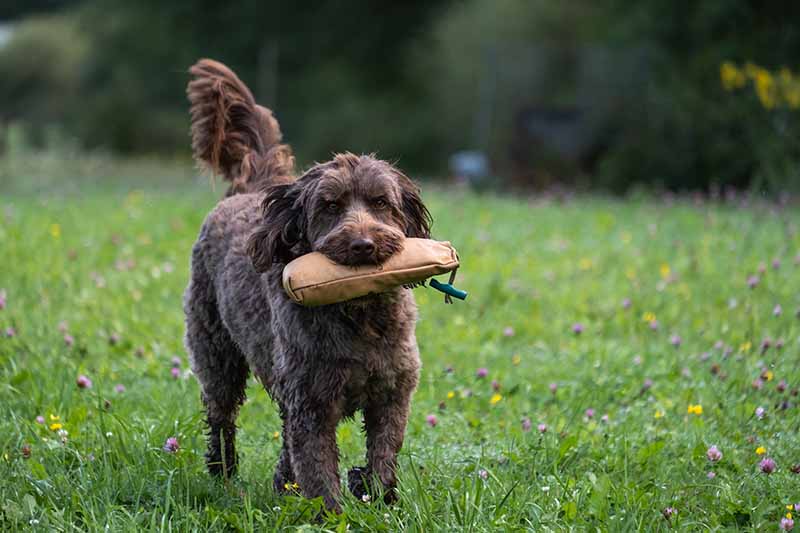
Labradoodles need plenty of exercise. Young Labradoodles especially need ample amounts of physical and mental stimulation. Labradoodles need multiple walks per day, along with structured playtime and weekly activities (such as trips to the dog park). If you do not provide enough exercise for your Labradoodle, they can become hyperactive, disobedient, and mischievous as they try to find an outlet for their ample energy reserves. Neglect your Labradoodle’s exercise needs at your own peril.

Training 🎾
Labradoodles need early training and socialization to thrive. Labradoodles are high-energy, so they need to be under firm voice command and understand social norms. Labradoodles are typically easy to train, especially if you start them young. Their love for their owners, combined with a taste for treats, makes Labradoodles responsive to training. The trainability of the Labradoodle was one of the reasons the dog was originally bred. While Labradoodles can nail the basics of obedience training from an early age, they won’t be doing any highly advanced jobs or complex sports. The Labradoodle is bright but not super smart.
Grooming ✂️
While Labradoodles were bred to shed less than Labradors, they still need some grooming consideration. Labradoodles need to be brushed regularly in order to prevent their hair from getting tangled or matted. Labradoodles should also get regular baths, especially if they spend a lot of time outside. Labradoodles will also need to get their hair trimmed from time to time to prevent the hair from getting too long. Long hair increases the chance of getting tangles and mats. Labradoodles have moderate grooming considerations.

Health and Conditions 🏥
The Labradoodle is considered to be a very healthy breed. Mixed breeds are typically much healthier than purebred dogs due to the fact that they have a much smaller chance of hitting harmful recessive gene combinations. Labradoodles have a very respectable lifespan and have very few serious health conditions. However, there are still some health concerns to be aware of.
One of the most common health issues in Labradoodles is elbow dysplasia, which is a deformity of the elbow joint. This can cause mobility issues and arthritic pain. Labradoodles are also at risk of developing congenital eye disease, including retinopathy or cataracts. However, eye issues do not affect dogs as much as they do humans. Lastly, Labradoodles are at risk of developing Addison’s disease (especially in Australia) and ear infections due to their floppy ears.
Male vs Female
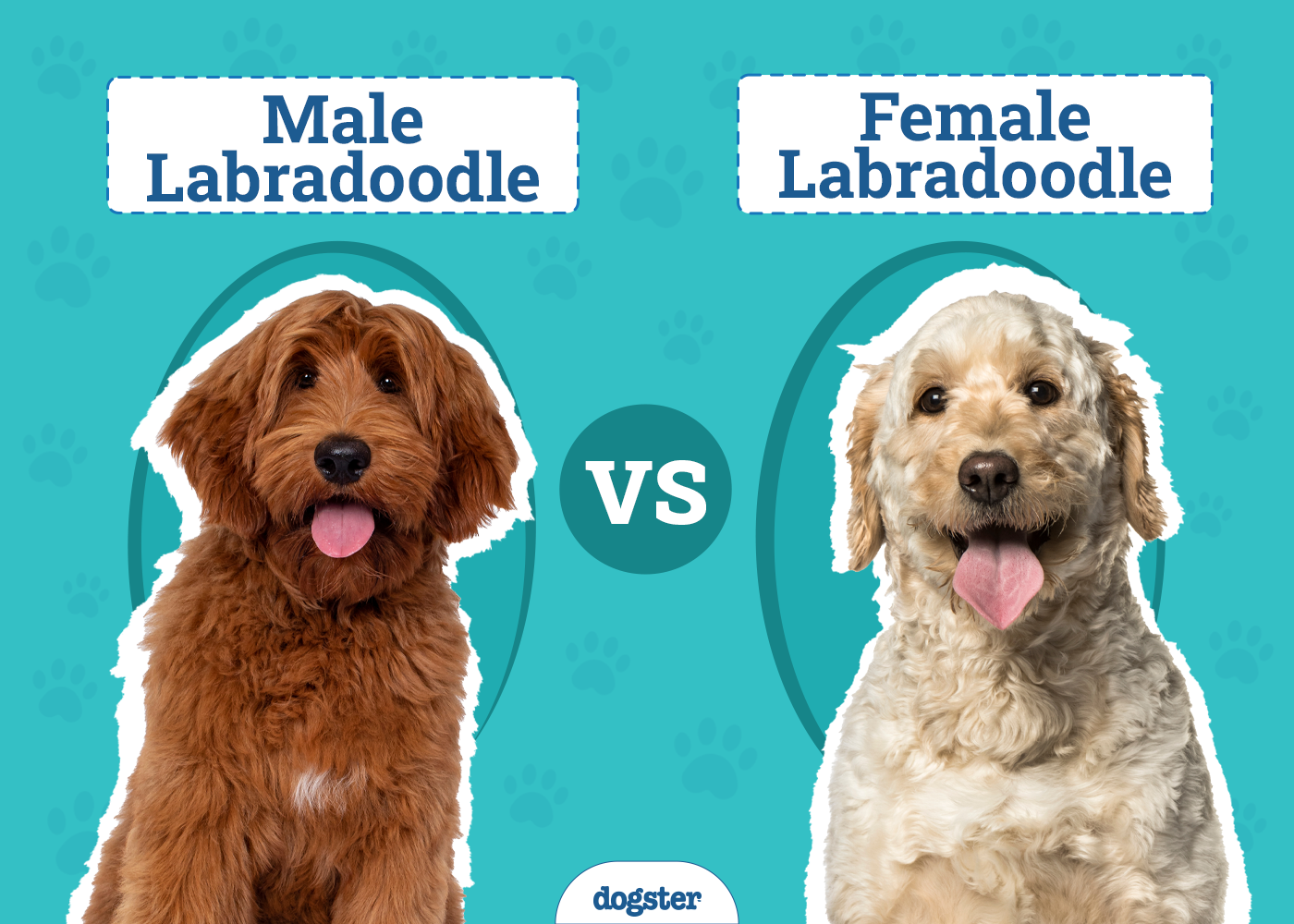
There are no real differences between males and females when it comes to Labradoodles. In other breeds, females are typically smaller than males, but due to the large size differences within the Labradoodle breed, size is not an indication of sex. A female Labradoodle can be much larger than a male if the female has a larger Poodle variety as a parent than the male. You can find Labradoodles of all sizes and colors in either sex.
3 Little-Known Facts About the Labradoodle
1. The Creator Regrets Breeding the First Labradoodle
The Labradoodle was created by a dog breeder named Wally Conron. Conron produced the dog and presented it to the Royal Guide Dog Association of Australia. Most people would be thrilled to have created a new dog breed that exploded in popularity. But not Conron. Conron has made repeated statements expressing his regret in breeding the first Labradoodles, including “[I did] a lot of damage," "[Labradoodles created] a lot of problems," and "[I regret] creating a Frankenstein." Not the reaction most people were expecting.
2. Labradoodles Were Supposed to Be Hypoallergenic Guide Dogs
The original purpose of Labradoodles was to be a hypoallergenic guide dog. There are plenty of people in the world who need guide dogs, such as seeing eye dogs or emotional therapy dogs, that have serious allergies to canines. Since Poodles present less of an allergy risk than other dogs, the idea was to breed a dog with Poodle hair that can still be trained as a guide dog. And so, the Labradoodle was created, but the vision of being a guide dog breed never materialized. Instead, Labradoodles became a designer breed that spun off other designer mixed breeds like the Goldendoodle.

3. Labradoodles Can Come in a Wide Variety of Sizes and Colors
Labradoodles can come in a variety of shapes, sizes, and colors. Both Poodles and Labrador Retrievers can come in multiple colors, mostly solid colors, which can translate to a very large number of colors that a Labradoodle can present. Labradoodles can also be very small or very large, depending on their parentage. Poodles can come in a wide range of sizes, from toy to standard. The larger the Poodle used to breed a Labradoodle, the larger the Labradoodle will be. This means that Labradoodles can weigh as little as 15 pounds or as much as 70 pounds, which is one of the widest splits you will find in a dog breed.
Final Thoughts
Labradoodles are versatile dogs that are very popular with families. These dogs are highly friendly, very energetic, and fun. They are healthy with long life spans, moderate grooming considerations, and lots of personality. Labradoodles helped kick off the mixed-breed dog craze that is currently gripping the world. Labradoodles have transitioned into being primarily companion dogs after having a start as a potential guide dog breed. Any dog owner can find something to love about the versatile Labradoodle.
Related Reads:
Featured Image Credit: Danita Delimont, Shutterstock
Expert dog care, straight to your inbox
Vet-reviewed advice, training tips, and the best of Dogster. Free, and you can unsubscribe anytime.
By signing up, you agree to our Terms & Conditions and Privacy & Cookies Policy.
Join the conversation
Ask a question, share your story, or send private feedback.