You’ve heard the term “growing pains,” but did you know there’s an actual condition in dogs that’s exactly that? Panosteitis is a painful condition typically affecting young, large-breed, rapidly growing dogs. Let’s look at the dogma of panosteitis and what your vet will recommend for your growing pup.

What Is Panosteitis?
Panosteitis, also called growing pains or pano, is a condition in dogs associated with pain and inflammation localized to the shafts of long bones. An affected dog may have one leg that is painful, multiple legs, or shifting leg lameness, where, at different times, a different leg is in pain.
Panosteitis typically occurs in rapidly growing, young dogs. Some commonly affected breeds include:
A hallmark of this condition is that it occurs without a history of trauma. It hits dogs suddenly, with no warning.
What Are the Signs of Panosteitis?
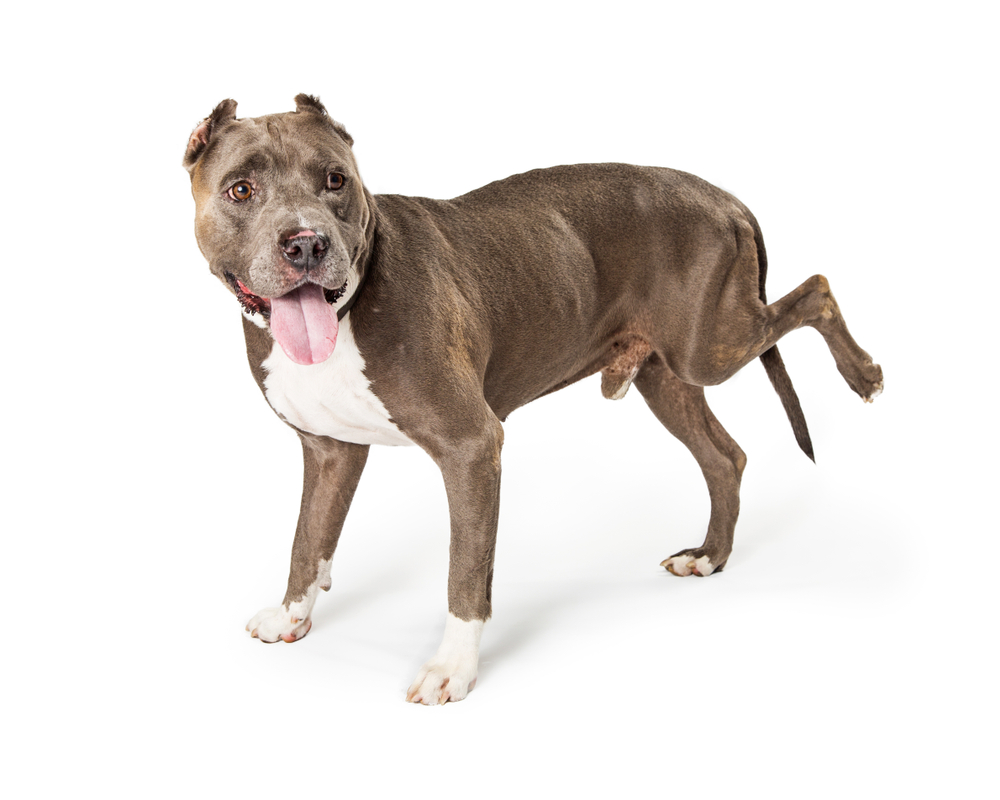
Pain and lameness are signs of panosteitis in a young, large-breed dog. Some dogs only have mild discomfort, but many dogs experience severe pain. Pain associated with panosteitis tends to be cyclical. Your dog might have pain in their leg for several days or weeks and then feel fine for a month or so. Then the pain comes back, and the leg could be the same or different.
Panosteitis affects long bones in the leg. In no order of frequency, your dog’s possibly affected leg bones include:
- Humerus
- Femur
- Tibia
- Radius
- Ulna
Dogs with panosteitis may have other signs:
- Lethargy
- Inappetance
- Fever
- Weight loss
If you are concerned about the health and well-being of your pet, we recommend getting in touch with a vet for guidance.
If you need to speak with a vet but can't get to one, head over to PangoVet. It's our online service where you can talk to a vet online and get the advice you need for your pet — all at an affordable price!

What Are the Causes of Panosteitis?
Unfortunately, researchers don’t know what exactly causes panosteitis. The condition may have a genetic component because it is prevalent in some breeds. Other things that may trigger panosteitis are:
- Nutrition
- Metabolism
- Stress
Some believe that high-protein foods may predispose larger-breed dogs to developing panosteitis. The thought is that extra protein accumulates within the bone and triggers swelling. The bone is rigid and cannot compensate, so cells are damaged and die. Inflammation ensues.
The pain associated with panosteitis relates to the middle of the bone shafts. Bone starts to be produced within the marrow of the bone structure, and it increases the pressure upon the bone.
Diagnosing Panosteitis in Your Dog

Your veterinarian will likely have panosteitis on a list of rule-out differential diagnoses in a young dog with a painful leg and no history of trauma. The affected leg is typically painful to the touch around the long bones, and it’s not painful in the smaller bones such as the carpus (equivalent to your wrist) or digits.
Your veterinarian will need radiographs (X-rays) to confirm the diagnosis of panosteitis. The density of the affected bone or bones is increased compared to your dog’s routine, healthy bone. Be aware that the radiographs can take several days to show signs of bony changes, so your veterinarian might need to repeat images roughly two weeks later.
Your veterinarian will likely recommend blood work and possibly a urinalysis to rule out infections. If your dog is exposed to ticks, they may recommend testing, such as tick serology, to rule out tick-borne illnesses such as Lyme disease, which can also cause shifting leg lameness.
If your dog needs to be on anti-inflammatory drugs for an extended period, your veterinarian may recommend blood work to monitor kidney and liver enzyme levels.

How Do I Care for a Dog With Panosteitis?
Panosteitis is self-limiting and will eventually go away without treatment, but it is incredibly painful. As such, you should make every effort to keep your dog comfortable.
Medication
The most employed treatment for panosteitis is anti-inflammatory medications, specifically non-steroidal anti-inflammatory drugs (NSAIDs). This class of medication includes:
- Rimadyl (carprofen)
- Metacam (meloxicam)
- Deramaxx (deracoxib)
Please do not give your dog aspirin—even “doggy aspirin”—without talking to your veterinarian. This medication isn’t as effective in most cases as prescription strength medication, and it can limit the medication options that your veterinarian can prescribe.
Other medications your veterinarian might recommend include gabapentin and tramadol. However, the effectiveness of the latter medication in veterinary medicine is in question.
Your veterinarian might recommend supplements such as fish oils or omega-3 fatty acids. Quality products include Welactin and Nordic Naturals.
Exercise

When dogs have a panosteitis episode, you should restrict their activity. Short leash walks that do not involve running or jumping in the house or yard are critical.
Your dog can be a little more active between episodes of panosteitis, but strenuous exercise should be avoided.
Consider swimming activities to reduce stress on your dog’s bones. Mental enrichment activities, such as scent work and puzzle toys, are essential to keeping your dog from becoming bored and destructive.
Frequently Asked Questions (FAQ)
Can I prevent panosteitis in my dog?
Feeding high-quality puppy food is one of the best ways to prevent panosteitis. The food should be geared to your dog’s size: feed a large-breed food to larger dogs. These diets have protein levels formulated to support a healthy growth rate. The calcium and phosphorus levels are also formulated to support your dog’s growth while minimizing the possibility of abnormal development.
Do not feed your growing puppy adult food. These diets are not geared toward growth. Your veterinarian can recommend several diets for your pup, such as Royal Canin. It is essential to keep your dog at a healthy weight. Your veterinarian can help you determine your dog’s calorie requirements appropriately.
What is the prognosis for dogs with panosteitis?
Dogs with panosteitis generally return to normal when they’re done growing, typically between 18 and 24 months of age. Episodes of lameness usually only last a few weeks at a time.
Conclusion
Panosteitis is painful when growing large breed puppies, but they outgrow it. During episodes of discomfort, you’ll need to work with your veterinarian to provide your dog with pain relief. The best way to reduce the risk of panosteitis is to feed quality puppy food formulated for your dog’s needs.
Featured Image Credit: Natallia Yaumenenka, Shutterstock