In this article
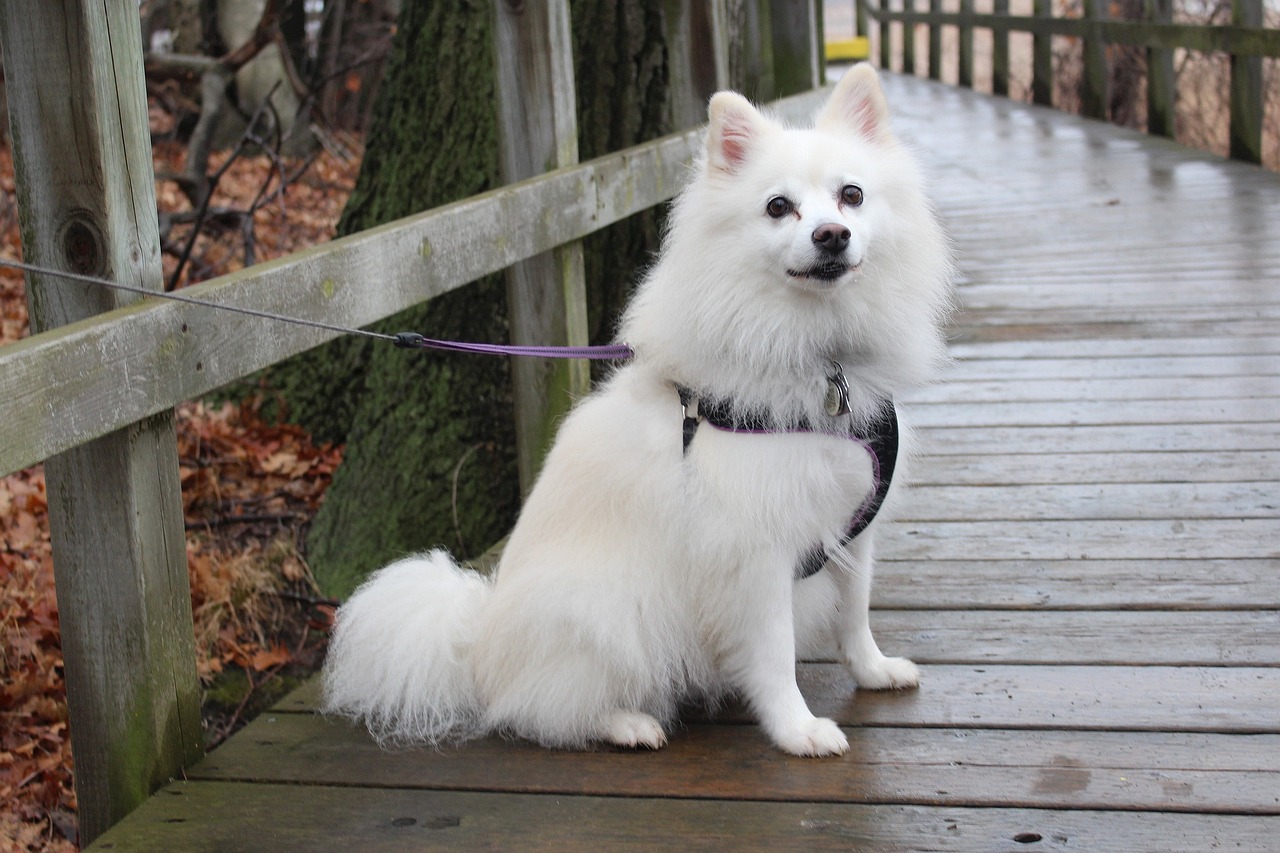
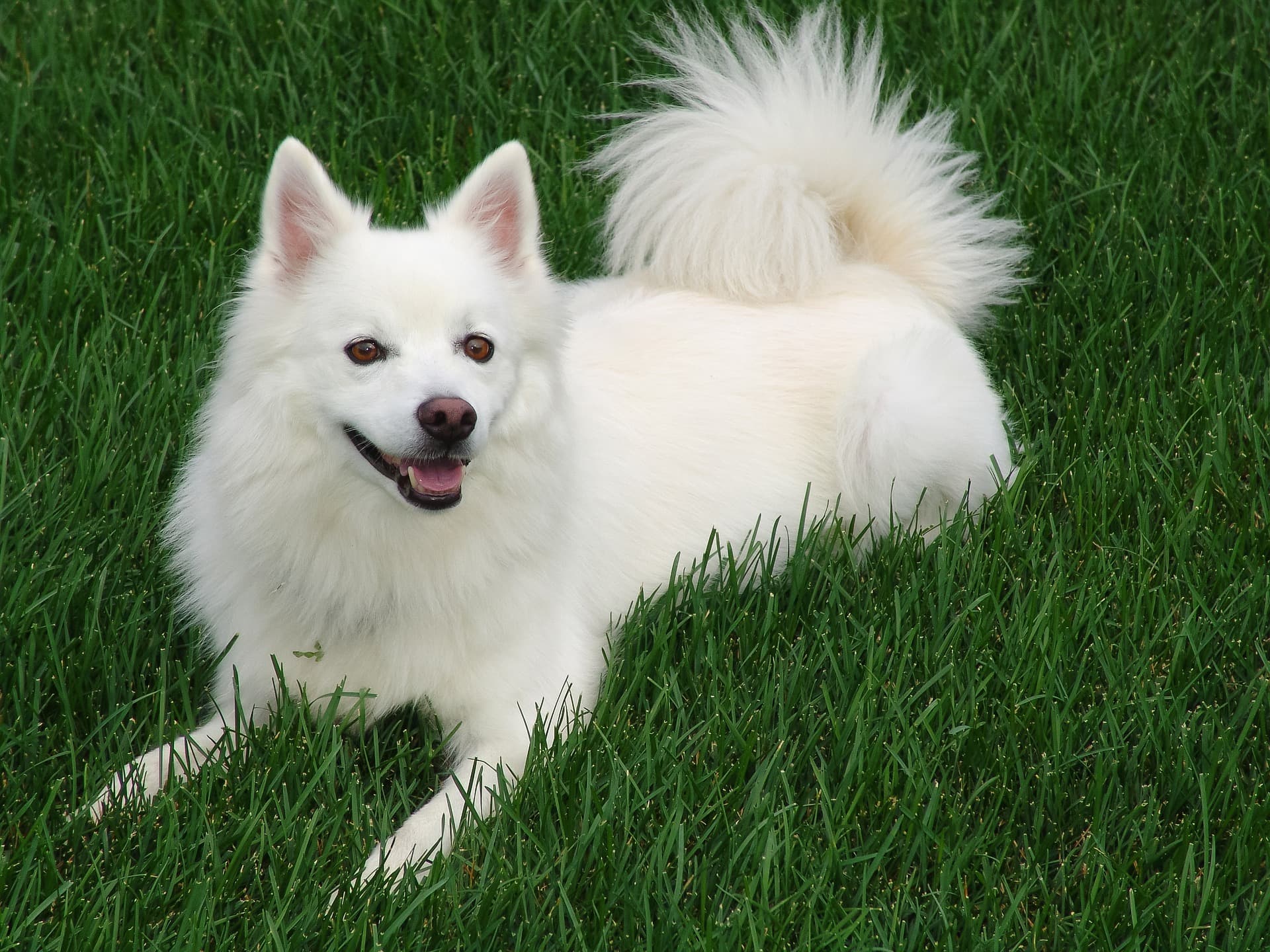
View 8 More +The American Eskimo Dog is a canine that we find pretty darn interesting. These dogs have a rich and colorful history with a background you might not anticipate. While these dogs might look like they’re built for sledding and snow, they are actually fanciful show dogs.
The American Eskimo Dog isn’t just an amazing show dog, but equally makes an astonishing family companion with lots of love to give.
Breed Overview
Height:
9–19 inches
Weight:
6–30 pounds
Lifespan:
12–15 years
Colors:
White
Suitable for:
Active families, virtually any canine-loving house
Temperament:
Cheerful, agreeable, trainable
The American Eskimo Dog might fool you with its appearance and its ancestry. While the American Eskimo Dog might make you think that you know exactly where this dog came from, you might be sorely mistaken.
This is actually a German breed that has an award-winning character, loving temperament, and impeccable capability of learning and performing. Let’s learn all there is to know about this sensational pup.
American Eskimo Dog Characteristics

American Eskimo Dog Puppies
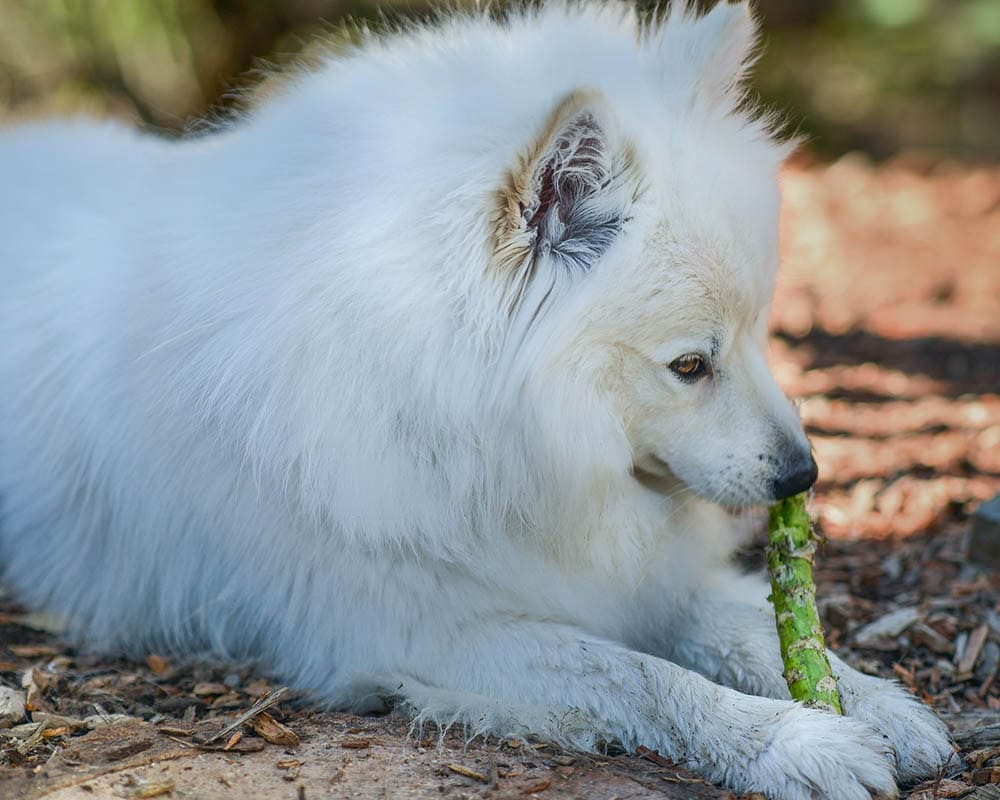
The American Eskimo Dog comes in many size variations. So, when you are searching for a puppy, keep in mind that the dogs will differ depending on the type of American Eskimo Dog you plan to get. You can choose from standard, miniature, or toy! Even at its largest, the American Eskimo Dog doesn’t get very big.
These dogs are incredibly lovable and adorable! They look like little balls of fluff and love attention and affection. These dogs make amazing companions to a broad selection of home environments. They are highly agreeable, making them very playful, friendly companion animals. They can grow alongside children with ease, so growing families are a definite positive.
They’re extremely social, so they tend to enjoy having a lot going on in the home. This makes them very suitable for large households or people with heavy social lives.
If you are interested in an American Eskimo Dog puppy, you can look for a reputable breeder in your area. There also may be a number of American Eskimo Dogs in your state at rescues or shelters. Be sure to check out the available homeless pets, as these pets deserve a second chance at having a family.
With a puppy, you’re going to have to anticipate vet visits and many other upfront costs. The total cost of the puppy is only one aspect. You also have to consider all the supplies such as leashes, collars, bedding, kennels, puppy pads, and the list goes on. Nutrition is also important, so you’re going to have to educate yourself on a canine diet to ensure you’re selecting the best food possible for your budget.
American Eskimo Dog Origin & History
Several different breeds played their part in creating the American Eskimo Dog. Even though the name is very misleading, the American Eskimo Dog actually came from German immigrants and is thought to have derived from the German Spitz, white Pomeranian, Italian Spitz, and white Keeshond.
During the 19th century, American Eskimo Dogs were highly skilled circus performers. They proudly took on this role because they are highly trainable, skilled, and beautiful. Their white coats are real showstoppers and they have cheerful and peppy demeanors. They’re very eye-catching!
The United Kennel Club recognized this breed in 1913. The National American Eskimo Dog Association was established in the 1970s, but the American Kennel Club did not accept the breed until 1995.

Temperament & Intelligence of the American Eskimo Dog
The American Eskimo Dog is an incredibly intelligent animal, capable of learning broad concepts. In fact, it is because of their keen trainability that they make amazing show dogs.
Your American Eskimo Dog will likely pick up concepts like potty training with ease. You can easily motivate them with praise and yummy snacks, as they thrive with positive reinforcement. These dogs are not known to be stubborn, so they make amazing companions for even first time owners.
Are These Dogs Good for Families? 👪
The American Eskimo Dog makes a wonderful family edition. These dogs are cheerful and always up for a good time. They will love going on adventures with you, whether that’s to the laundry room or vacations to states away.
They will happily accompany their humans anywhere they want to go, with tails wagging. These dogs make excellent additions to growing families. But any child under 6 needs very close direct supervision in order to learn how to properly play with and handle a dog of any breed.
Because of their higher activity levels, these dogs might not be best for people with disabilities or physical limitations of any kind. They still require brisk exercise every day, so you must make sure that your lifestyle matches the exercise needs of the breed you choose.
Does This Breed Get Along With Other Pets?
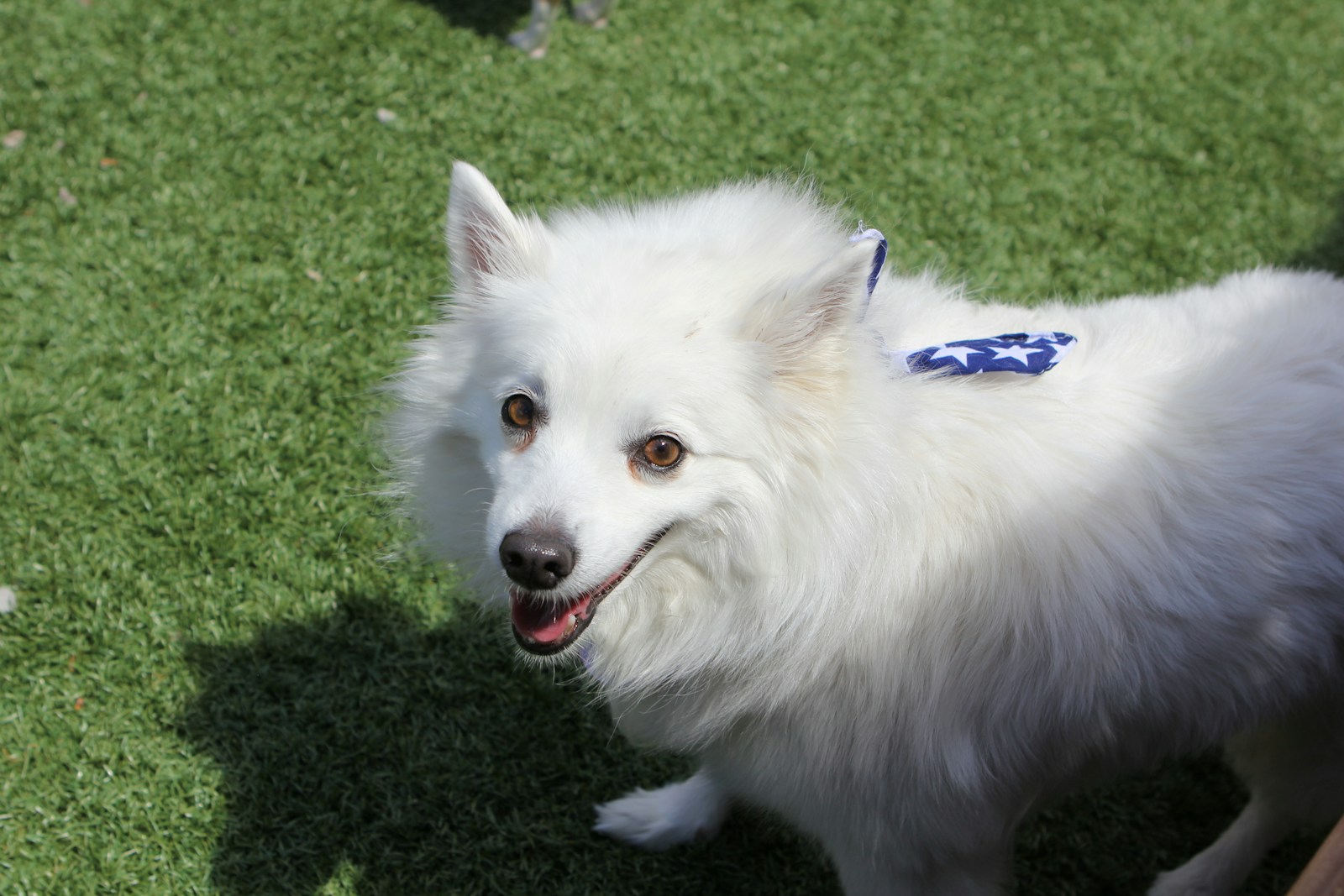
The American Eskimo Dog generally gets along very well with other pets. These dogs thrive on socialization and enjoy having a canine companion around to get in trouble with. Your Esky will be running around getting into trouble with their fellow canine family members, but don’t worry.
This particular breed isn’t too mischievous, and you don’t have to worry about them using their wits to outsmart you at every turn. They generally are very eager to please, and might even be the best behaved out of all of your canine friends.
As with any dog, the American Eskimo Dog might exhibit predatory instincts with smaller animals. While they generally get along very well with house cats, permitting they are raised together, they might chase after or accidentally hurt a smaller cage animal, such as a guinea pig, rabbit, rat, or reptile.

Things to Know When Owning a American Eskimo Dog:
Food & Diet Requirements 🦴
Your American Eskimo Dog doesn’t have any special dietary restrictions. They require high-quality, whole-protein dog food that matches their life stage. As puppies, they will require much-needed nutrients to grow, such as DHA, glucosamine, or chondroitin. As adults, they will need a specialized recipe to match their activity level and special health conditions. Seniors require a different recipe as well to provide the proper calories and nutrients to support their declining bodies.
Dry kibble and wet canned dog food are still very viable options today. The more experts learn about canine nutrition, the better we can perfect our recipes to provide the recipes that will help them live the longest lives possible.
Fresh and raw dog food are becoming more popular as the days pass. Whether you buy from a manufacturer or make your own, there are several options on the market that offer canine-specific, nutrient recipes that appeal to your dog palette. These recipes tend to be a bit more expensive, even when they’re homemade. If you do choose a homemade recipe, clear the ingredients of your veterinarian first to see if you need to add or deduct any of the ingredients on the list.
Exercise 🐕
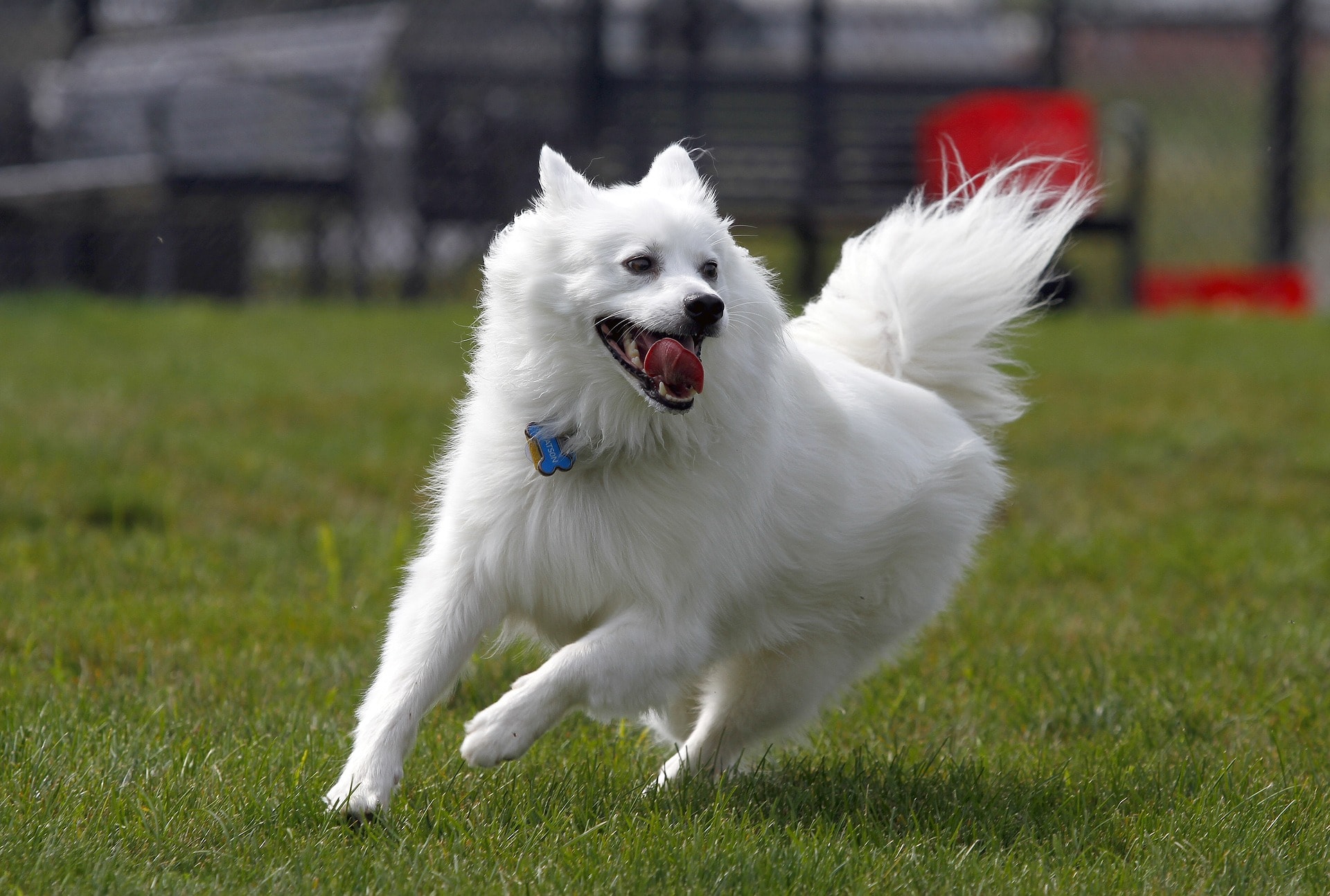
Because of its close resemblance to the Spitz, you might think that the American Eskimo Dog requires a tremendous amount of exercise. While they do require a decent amount, the requirements remain modest. With a few brisk walks a day and some interactive games, they’re happy.
They will also burn a lot of energy playing with the kids and running around with their other canine companions. The American Eskimo Dog is a very friendly dog that is often compatible in multi-dog situations, such as at dog parks or kennels.
Training 🎾
As we’ve mentioned several times throughout the article so far, the American Eskimo Dog is a highly trainable canine. These dogs are capable of learning a variety of different tricks and love to perform.
On top of their theatrical roots, they also enjoy basic command training, scavenger hunts, agility exercises, and a number of other fun activities to add to their impressive list of talents.
Initial training with simple things like using the bathroom and basic commands should come very second nature to your American Eskimo Dog. These dogs can easily pick up concepts, even at young ages, so be prepared to teach them whatever they want to learn.
Because these dogs are so eager to please, even beginners can have success training them. However, if you want extra help, you can always opt for professional training resources.
Grooming ✂️
When you look at your American Eskimo Dog, you might wonder if grooming is going to be a real headache. For some, the grooming might be a little bit extensive. These dogs do have thick, long coats that require daily brushing to avoid mats and tangles.
However, with regular upkeep and general hygiene, you will get into a routine with it. These dogs often enjoy trips to the doggy spa every 4 to 6 weeks. You can give them baths at the groomer, or choose to do this yourself at home.
You should never cut the hair of American Eskimo Dogs. Their hair is designed to protect their skin from the elements, hot or cold. And even though they are a long-haired breed, you don’t really have to deal with issues related to drooling, excessive shedding, and other potentially annoying upkeep needs.
Health and Conditions 🏥
The American Eskimo Dog is generally a very healthy, chipper little pup. However, as with any other breed, certain genetic health conditions are more common in this breed. Frequent vet care is recommended to avoid health conditions from arising.
During your dog’s first year of life, you should take them in for routine checkups and spay/neuter surgery, following up annually thereafter. If your vet suspects any developing health conditions in between, they can take action accordingly.
- Dental disease
- Hip dysplasia
- Progressive retinal atrophy

Male vs Female
One of the most obvious differences between male and female Eskimo Dogs is size. Males slightly outweigh their female counterparts. However, it greatly depends on your particular type of American Eskimo Dog.
Females can encounter reproductive issues related to their female parts if they aren’t spayed. Males can develop testicular cancer later in life if they aren’t neutered. Always make sure to spay or neuter your dogs to prevent certain health conditions, unwanted behaviors related to mating, and pregnancy.
3 Little-Known Facts About the American Eskimo Dog
1. American Eskimo Dogs are actually German.
As we discussed earlier, this breed descended from the German Spitz and other European breeds. It is neither American nor Eskimo!
2. Eskies do great walking on their back legs!
Eskies are so humanized, they do amazingly well walking on their hind legs! Thank all their days in the circus for this unique trait.
3. American Eskimo Dogs love the snow!
Not only do American Eskimo Dogs look the part— but they really do love the snow thanks to their Spitz roots!

Final Thoughts
So, hopefully you’ve learned all you came here to learn about the American Eskimo Dog. These cheerful, highly trainable pups will certainly keep you entertained. Plus, there is a size for every preference, so you can have this pup in virtually any living space!
Featured Image Credit: danutaniemiec, PIxabay