Siberian Husky Dog Breed: Info, Pictures, Care Guide & More

In this article
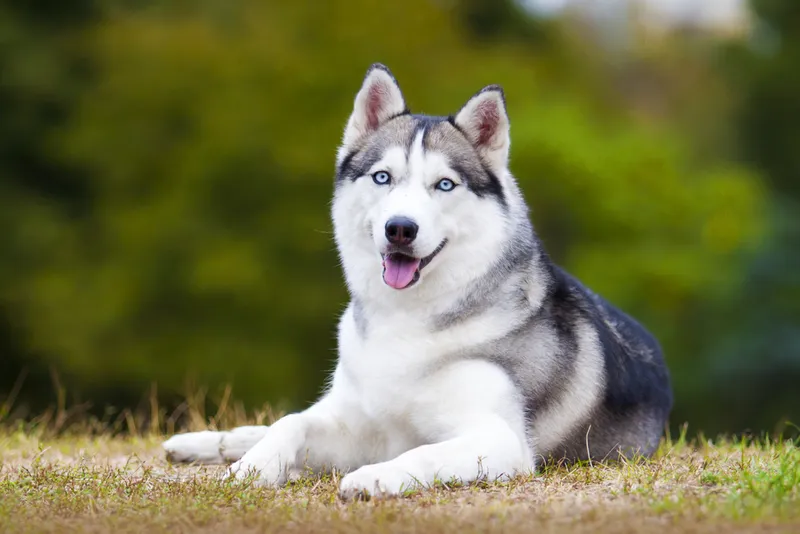
Known for their stunning high-contrast coats, compact build, and often ice-blue eyes, it’s no wonder that the Siberian Husky is a popular breed. These dogs gained popularity as real-life heroes and on-screen legends, including famous characters like Togo, Balto, and the dire wolves of "Game of Thrones."
Their wolf-like look and friendly personality make them attractive to many owners, but the Husky is a unique breed and requires an owner who understands how to meet their needs. Here’s everything you need to know about making the Siberian Husky a part of your family.
Breed Overview
Height:
Weight:
Lifespan:
Colors:
Suitable for:
Temperament:
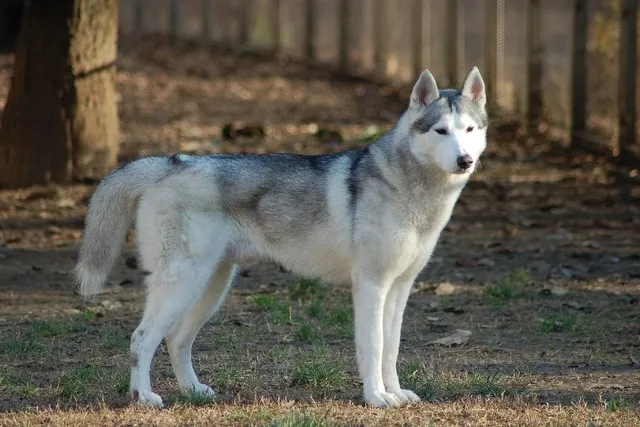
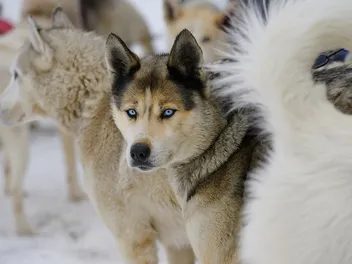
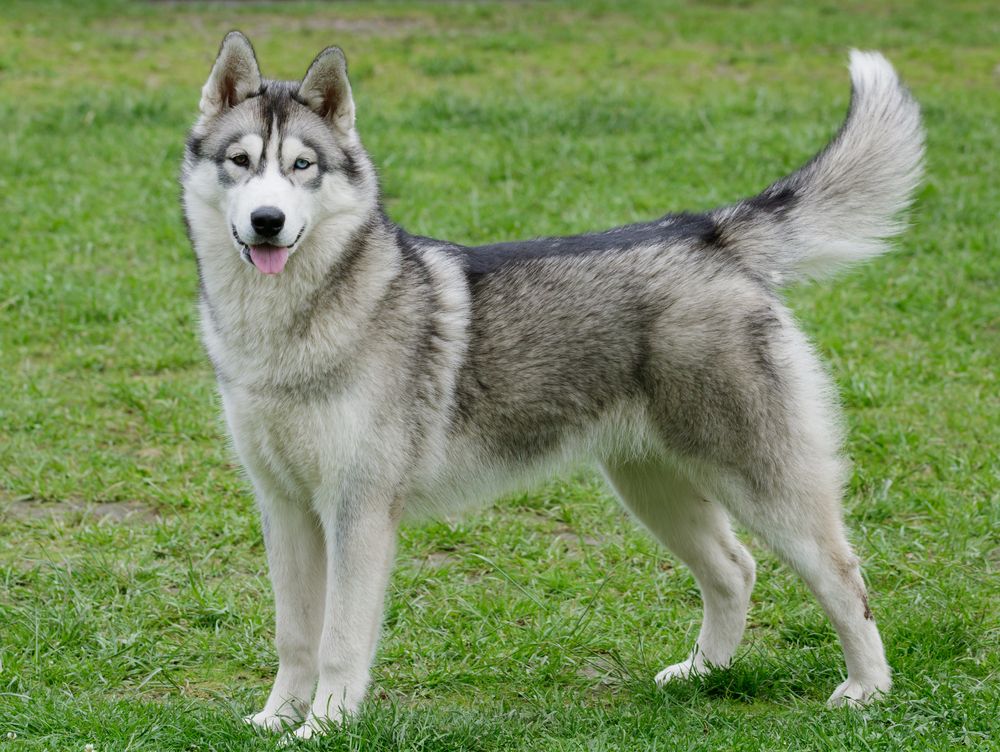
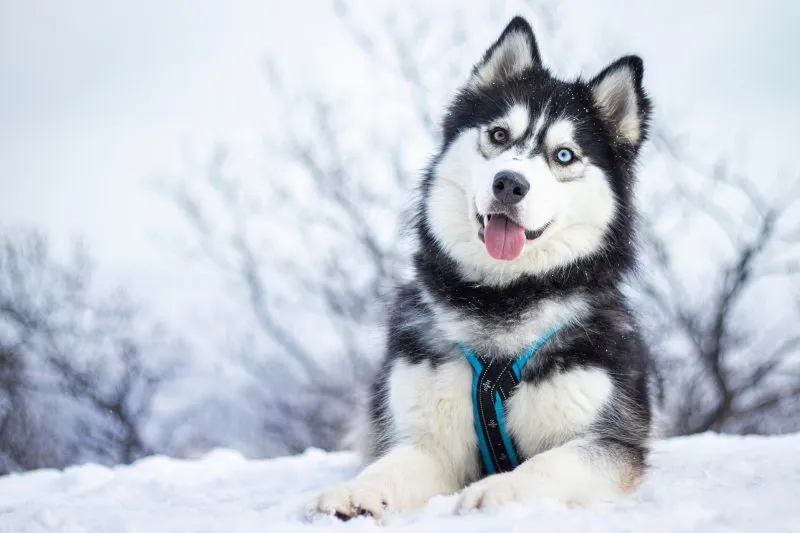
The Siberian Husky is a stunning example of a northern working breed with a compact, athletic body, erect ears, and a fluffy, sickle-shaped tail. Siberian Huskies have medium-length double coats. The dense undercoat supports a straight outer coat that lies relatively close to the body without obscuring the dog’s outline. Originating in northeastern Asia with the native Chukchi people, Huskies were first bred as companion dogs but became sled dogs when the semi-nomadic people had to expand their hunting grounds.
Siberian Husky Characteristics

Siberian Husky Puppies
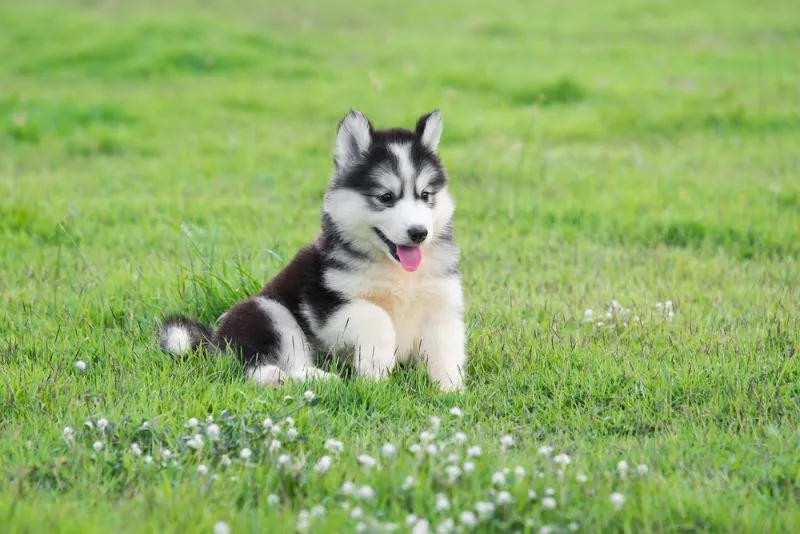
Due to their isolation in the northernmost parts of the world, Siberian Huskies had pure bloodlines for many generations before the dogs became popular as sled dogs and later, family pets. As demand rose, backyard breeders began producing Huskies for profit and crossing them with other breeds. Like any popular breed, the abundance of breeding introduced dogs with behavioral or health problems.
If you choose to get a Siberian Husky puppy from a breeder, do your homework. It’s crucial to work with a breeder who prioritizes breed standards for health and temperament over looks or “designer” puppies to ensure that you have a healthy and happy pup.
Huskies can be a handful, especially as puppies. They’re independent, somewhat stubborn, and energetic, so they need plenty of exercise and mental stimulation to avoid boredom and destructive behaviors. Because of this, these dogs often come up in shelters and rescues and for private rehoming.

Temperament & Intelligence of the Siberian Husky 🧠
Though they were purpose-bred and limited to the harsh environment of the Siberian Arctic, the Husky is remarkably adaptable. They can live in different climates and both rural and urban environments if their needs are met. They’re also pack dogs that thrive on being part of the family, including living with other dogs, and should never be left alone. The high energy, impulsivity, and independence of the Siberian Husky can be challenging for some owners without proper outlets.
Are These Dogs Good for Families? 👪
Unlike some of the aloof northern breeds, Huskies were raised as part of the family by the Chukchi people instead of being left to fend for themselves. They get along well with the entire family, including children, as long as their needs are met. However, these are athletic, powerful, and energetic dogs that can easily injure children unintentionally. Always supervise interactions to ensure that both the dog and the child are safe.
Does This Breed Get Along With Other Pets? 🐶 😽
Siberian Huskies were developed to run as part of a pack of sled dogs, so they usually get along well with other dogs. However, Huskies have an extremely high prey drive from hunting in packs and preying on wild cats, birds, and small mammals. It’s best to train and monitor Huskies around small dogs and cats and never leave them unattended. They should never be allowed to interact with small pets like birds or hamsters.

Things to Know When Owning a Siberian Husky
Huskies can be excellent pets for the right home, but they have unique needs that must be met.
Food & Diet Requirements 🦴
Siberian Huskies require a high-quality commercial diet to keep up with their energy demands, especially for working dogs, and maintain a healthy coat and skin. If you keep an active sled dog, they require a higher level of protein than the average Husky. However, it’s important not to overfeed a Husky and allow them to become overweight, which can contribute to health problems. Consult with your vet if you have any concerns about your dog’s body condition or diet.
- Our Recommendations: Best Dog Food - Dogster's Reviews & Top Picks
Exercise 🐕
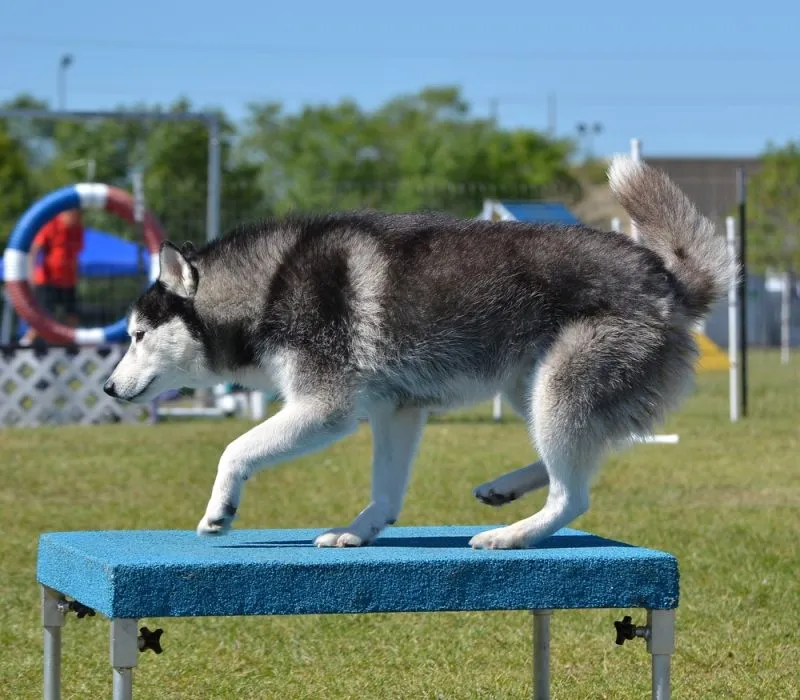
Siberian Huskies are extremely active and athletic dogs that require a lot of exercise to stay engaged. As a working breed, a Husky enjoys having a job to do. Without adequate exercise, they can develop problem behaviors like roaming, chewing, or nuisance barking. They can excel at canine sports like rally, obedience, and agility.
Training 🎾
Early socialization is important for Huskies, especially if you want to minimize the prey drive. These dogs can be impulsive, independent, and inattentive, so firm, consistent training using positive reinforcement methods is crucial. If you want to train your dog as a sled dog, know that it requires many hours of patience and dedication.
Grooming ✂️
Like cats, Huskies try to keep themselves clean. Unless they're active working dogs, they only need a few baths a year and weekly brushing to remove loose undercoats and keep the coat and skin healthy. Siberian Huskies will shed seasonally and may require more extensive grooming during this time to remove shed hair. A pet cologne is a good alternative to keeping them fresh in between standard baths. You should also trim your dog’s nails, clean their ears, and brush their teeth as needed.
- Our Recommendation: Best Dog Shampoos - Dogster's Reviews & Top Picks
Health and Conditions 🏥
The Husky is a relatively healthy breed, especially when they come from diligent breeders who screen their parent dogs. Most of the health issues that are common in Huskies are genetic, such as seizures, and eye problems like glaucoma and progressive retinal atrophy. Sled dogs may be prone to gastric diseases, bronchitis, or bronchopulmonary ailments like “ski asthma” from low-oxygen conditions.
Male vs. Female
There’s little difference between male and female Huskies. Males may be slightly larger, while females may be more slender and graceful. Owners say that female Huskies are more loyal and males are harder to train, but this has more to do with the individual dogs than sex differences. Spaying and neutering are important for Huskies to minimize problem behaviors like roaming or aggression, as well as reproductive health problems.

3 Little-Known Facts About the Siberian Husky
1. Siberian Huskies Have Been Hero Dogs
Siberian Huskies gained worldwide popularity after residents of Nome, Alaska, came down with a life-threatening diphtheria epidemic, and Husky sled dogs were the only way to deliver life-saving medication. These dogs also served in the Army’s Arctic Search & Rescue Unit of the Air Transport Command during WWII and in the Byrd Antarctic expeditions.
2. Most Modern Huskies in the US Came From a Serum Run Dog
One of the heroes of the Alaska Diphtheria Serum Run was Togo, the lead dog from the team of Leonhard Seppala, who imported stock in the 1930s. Few foundational dogs are in the Husky lineage, making the breed vulnerable to genetic health conditions due to limited genetic diversity.
3. Siberian Huskies Are Houdinis
Few dog breeds have the reputation for being “escape artists” as much as the Husky. Bred to be loyal but independent, these dogs find creative and athletic ways to escape and explore, including digging under fences, chewing through them, or even climbing or jumping over fences. With their impulsivity around prey, Huskies are not well contained by electric perimeter fencing.
Final Thoughts
There’s a lot to love about Siberian Huskies, from their work ethic and beautiful coats to their friendly and mischievous expressions. However, these dogs aren’t for casual owners, as they need regular exercise, mental stimulation, and consistent training to stay happy and healthy.
Related Reads:
Sources
Featured Image Credit: Edalin Photograhy, Shutterstock
Expert dog care, straight to your inbox
News, insights, expert advice, and everything dog.

No spam — unsubscribe anytime.
By signing up, you agree to our Terms & Conditions and Privacy & Cookies Policy.
How useful was this post?
Click a star to rate. You can leave written feedback afterwards. (We read all feedback.)
Nicole has loved animals of all sizes her whole life so it's no wonder she has dedicated her career to helping them through what she loves best: learning, writing, and sharing knowledge with others. She’s the proud mom of two dogs, a cat, and a human. With a degree in Education and 15+ years of writing experience, Nicole wants to help pet parents and pets around the planet to live happy, safe, and healthy lives.