
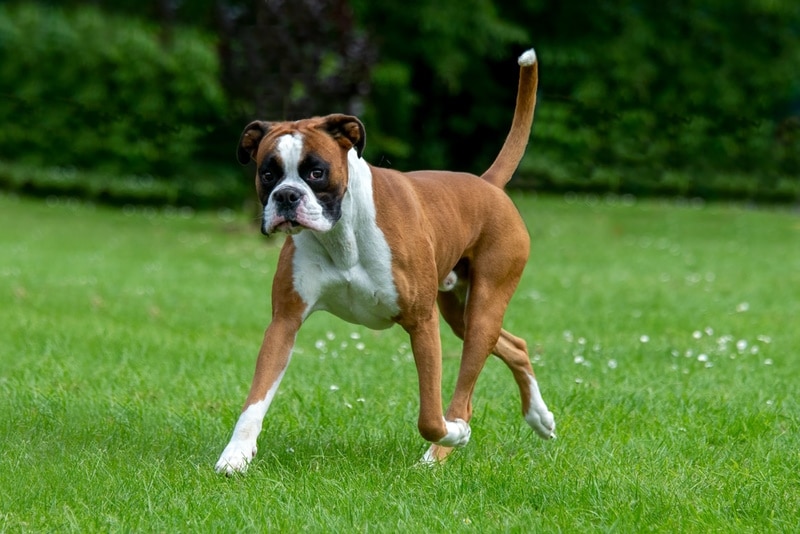
In this article
View 8 More +An adult Boxer acts like a big kid who’ll never grow up. They are puppies at heart, which is one reason they are so well-loved, ranking 16th on the American Kennel Club (AKC) list of the most popular breeds. They enjoy playing and will keep a game of fetch going for hours if you let them. Being energetic has its good and bad points. Mostly, it means a commitment to ensuring your pet gets enough exercise.
This breed has a storied past that included various jobs, from big-game hunter to service dog to guardian. The Boxer gets its name from the animal’s unique way of playing with each other, where they stand on their hind legs and “box” each other with their front paws.
Breed Overview
Height:
21.5–25 inches
Weight:
50–80 pounds
Lifespan:
10–12 years
Colors:
White, fawn, brindle
Suitable for:
Active families with kids, those with enough time to devote toward training and enrichment
Temperament:
Playful, intelligent, energetic
While this breed has elements of a violent history of hunting bear, wild boar, and deer, this pup couldn’t be more affectionate and lovable. It’s a testament to the value of selective breeding for desirable traits. However, the Boxer’s story has a few wrinkles that you should know upfront if you’re considering inviting this breed into your home.
Boxer Characteristics

Boxer Puppies

Energy and strength make for a challenging puppyhood for pet owners. That’s why we wouldn’t necessarily recommend this breed for first-timers or sedentary seniors. This dog requires someone who can handle what they’re going to get with such a high-spirited pooch. It entails an early start with training and basic commands. It also means socializing your pet, especially if you have other animals at home.
The popularity of the breed will make it relatively easy to find a Boxer puppy. They can be expensive, particularly if you get a show-quality pup. We strongly urge you to buy only from breeders who offer a health guarantee because of the propensity of some hereditary and congenital conditions in the Boxer. You shouldn’t get a puppy younger than 8 weeks old because of the increased risk of behavioral issues. We recommend getting a puppy from a breeder for those same reasons. A reputable seller conducts the necessary pre-breeding health screenings to prevent many problems from occurring.
Understanding that pet ownership is a financial commitment is essential. The first year will likely be the most expensive, especially if you have to neuter or spay your pet. You should also consider your lifestyle and whether you can afford a pet before you bring home a puppy.
Temperament & Intelligence of the Boxer 🧠
Canine intelligence is a double-edged sword. It makes training infinitely easier, but it also brings challenges, as smart dogs are often pretty stubborn. The Boxer may get bored with repetitive training—most dogs would. However, the problem is that boredom opens the door to destruction. This dog excels at problem-solving, but without proper physical and mental stimulation, that could come out in inappropriate ways. You must provide mental stimulation and enrichment to keep your pet occupied.
Fortunately, it’s simple to fulfill this need. Daily walks and play are excellent ways to engage your dog. You can also give them interactive toys that will challenge them mentally. It’s a great way to channel their energy. Your Boxer will be happier and more content with your efforts, and these things are some of the best for improving your pet’s quality of life.
Are These Dogs Good for Families?👪
If you have an active household, a Boxer is an excellent fit. They may even tire out the kids. We suggest supervising playtime with small children. An exuberant dog may overwhelm the little ones or accidentally knock them over. The good news is that this breed isn’t nippy and isn’t prone to wanderlust. They are vigilant canines and can make a decent watchdog as well.

Does This Breed Get Along With Other Pets? 🐶 😽
The Boxer has a moderate prey drive, thanks to their history as a big-game hunter. The dog may chase a fleeing cat, but the concern is the dog’s large size and risk of hurting other pets. This breed may get along splendidly with other dogs if you socialize your pet properly. Nevertheless, supervision is a must, especially for new pets entering the Boxer’s territory.

Things to Know When Owning a Boxer
Every breed has its issues, and the Boxer is no exception. That makes researching a dog imperative. For example, a dog that is a herder may be too vocal or active for an apartment dweller. It’s your responsibility as a prospective pet owner to meet all the requirements to give them a healthy life and environment where they can thrive.
Food & Diet Requirements 🦴
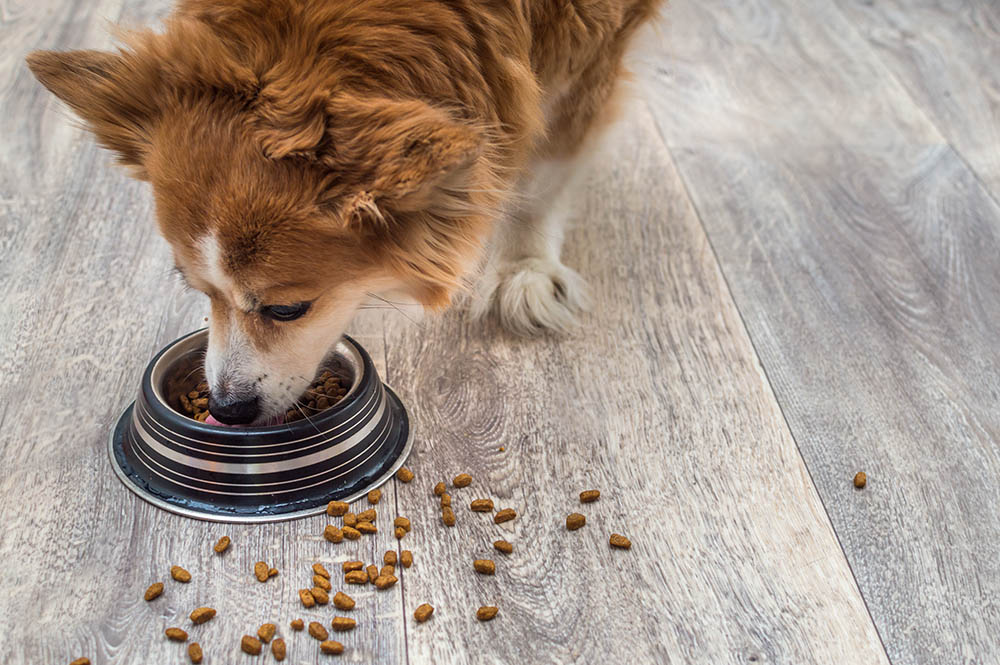
Giving your dog a diet appropriate for the animal’s life stage, breed, and weight is imperative for your pet’s health. Fortunately, you can’t do much better than a commercial diet specifically formulated for Boxers since this breed is susceptible to several medical issues that a healthy diet may address.
You should feed a puppy three to four times daily to maintain stable blood sugar levels. That’s especially true with an active pup like the Boxer. Ironically, this breed is also prone to weight gain. That makes monitoring your pet’s caloric intake and body condition imperative. Feeding instructions are only a guide, though, as activity profoundly affects how much a dog should eat.
You should choose a diet that contains at least 22.5% protein and 8.5% fat by dry weight for a puppy. Adults should get 18.0% and 5.5% respectively. Manufacturers must provide this information on the product label. A food labeled as “complete and balanced” assures you that you’re giving your pup everything they need in the right proportions for optimal health.
Exercise🐕
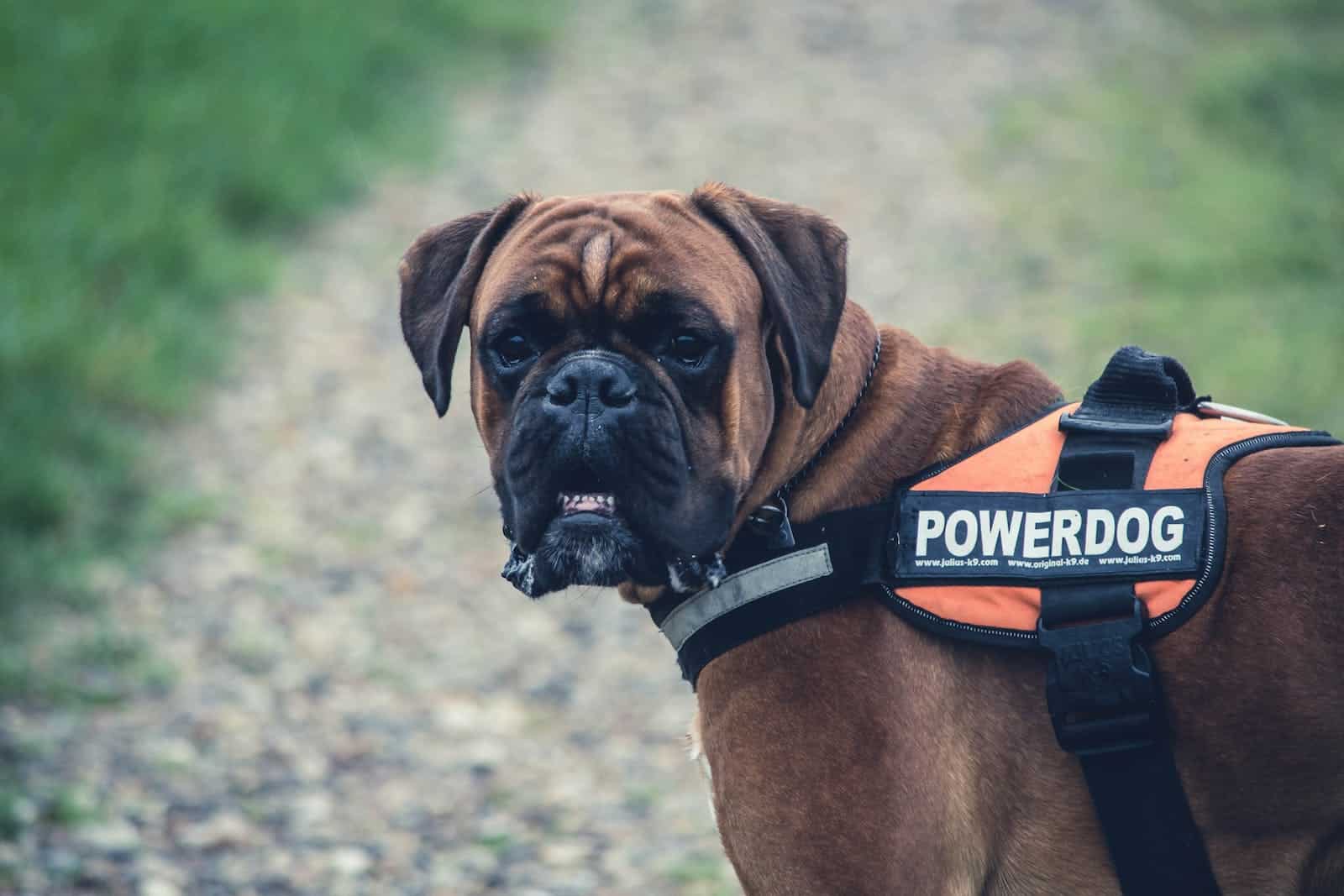
While your Boxer will likely manage much of their activity, you should ensure your dog walks at least 1–2 miles daily. It can help keep your pet’s weight in check while providing ample opportunities for enrichment and practice of your dog’s canine manners. Letting your pup out to run in the backyard alone may not provide enough exercise.
Training🎾
Consistency is the key to successful training. You should assert yourself as the alpha in your pet-owner relationship. We recommend using treats solely as training aids. It will make them something special to your dog and help create positive associations between commands and actions. Boxers, like many canines, are highly food-motivated. This approach can make training quicker and easier.
You can make training more engaging for your dog by involving them in other activities. Remember that this pup performed many tasks. For example, agility sports are an excellent way to challenge your pet in novel ways. It will also help deepen the bond you have with your canine companion and make your role more rewarding.
Grooming✂️
Grooming is straightforward for Boxers. You should use a rubber brush animal’s short coat a couple of times a week. You should also check your pet’s ears and nails to determine if they need attention. While you may not have had a say in your dog’s tail docking, it’s worth noting that the American Veterinary Medical Association (AVMA) opposes ear cropping, a position we share.
We recommend discussing the matter with your vet so that you understand the implications and effects of your choice.
Health and Conditions🏥
For better or worse, inbreeding was a part of the breed’s development. Research has shown it increases an animal’s risk of chronic disease and early mortality due to a decline in genetic diversity. The current popularity of the breed is another mitigating factor for the Boxer. That makes pre-breeding health screening critical for the welfare of the offspring.
- Hypothyroidism
- Von Willebrand’s disease
- Hip dysplasia
- Brachycephalic obstructive airway syndrome (BOAS)
- Degenerative myelopathy
- Subvalvular aortic stenosis

Male vs. Female
The size difference between males and females is evident. This dog is muscular and powerful. An owner must establish themself as the alpha early to manage this pup. A female Boxer may make a better choice for individuals who want a smaller pet. Otherwise, either sex will make a delightful pet when trained and socialized properly.
3 Little-Known Facts About the Boxer
1. Three Canine Types Contributed to Today’s Boxer
The three canine types that developed into the breed during the Middle Ages include the Bullenbeisser (Mastiff), a cross between the Bullenbeisser and another large hound, and a smaller version of the Bullenbeisser that occurred naturally.
2. The Boxer Was a Long Work in Progress
While we referenced the Middle Ages, the breed’s history goes back even further to 2000 BC in what is now Albania. The Germans later refined the dog as a hunting companion, going after formidable game, such as bear and wild boar.
3. The Boxer Joined the AKC Ranks in 1904
The Boxer was part of the early breeds earning AKC recognition. Other canines in their class included the Standard Schnauzer, Schipperke, and Chihuahua.

Final Thoughts
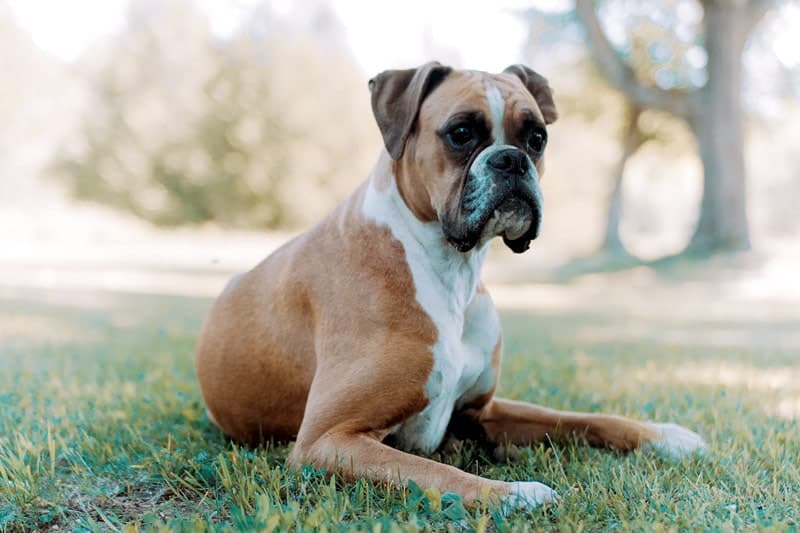
The Boxer is an adorable animal with a personality that dares you not to fall in love. This pup has the energy and playfulness to keep up with your household’s activity with their exuberant energy, but they can be a handful. They require dedication to training and socialization. They also have a greater risk of some health conditions you should know about upfront.
However, there’s a good reason why this breed is so popular. A few minutes with a Boxer will convince you. It’s almost as if this pup’s purpose was to bring joy into the lives of anyone who meets them.
Featured Image Credit: Sue-Thatcher, Shutterstock



























One Response
I have two male boxers. One fawn and white named Zeke and one brindle and white named Tytson. Both are very energetic and playful. Zeke has to have sensitive stomach foods while Tyson has to have a food type that doesn't cause mucho gas problems. To other Boxer owners, which dog food have you found to be the best in your family pet situation. Thanks Troy Grundy atg8245@yahoo.com