In this article
View 3 More +Hiking in the great outdoors is one of the most exciting ways to get a healthy workout and relieve stress while immersing yourself in nature’s inspiring sights and sounds. When you can share those benefits with your dog, every outing becomes more memorable and every step more fulfilling.
As beneficial as hiking can be for body and mind, it’s also physically and mentally demanding, often more than a young and untrained dog can handle. If you’re an outdoorsy type looking to ready your four-legged best friend for outdoor adventures, we’ll teach you to make it happen with these nine tips on how to train your dog for hiking.

The 9 Tips How to Train Your Dog for Hiking
1. Walk Your Dog and Practice Loose Leash Skills

Long daily walks have numerous benefits for a hiking dog-in-training. Walks offer good conditioning and a chance to explore the outdoors safely and conveniently. Your dog can learn to behave around other people, pets, and random stimuli. They’ll have socialization opportunities, and the variety of sights and sounds will help desensitize them to natural elements that might take their attention while hiking.
Daily walks will also build your dog’s loose leash skills, making them easier to handle on the trails. Training the heel position, rewarding check-ins, and stopping forward movement when the leash tightens and resuming once it loosens are a few ways to build the habit of staying close and finding value and security in your presence.
2. Teach Your Dog to Wait
Teaching your dog to wait is a great way to build impulse control and follow a critical safety command in uncertain moments. The wait command is similar to a stay, but mainly asks the dog to freeze for a few seconds before you release them.
Wait is an easy command to work on throughout the day at various points. You can have your dog wait to leave their crate, exit the house for a walk, or eat their meals. On the trail, this practice will translate into quick control when you must check out an area before letting your dog explore.
3. Train Your Dog to Focus on You
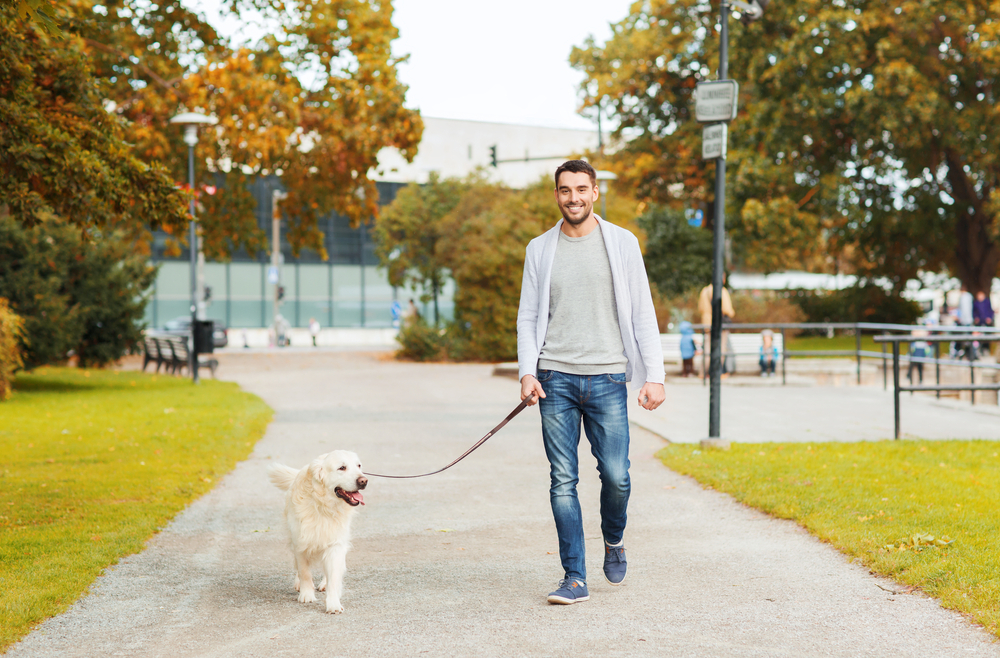
While walking, training your dog to check in with you and follow your guidance is essential in preparing them for hiking.
Teach the “Watch Me” command, rewarding your dog when they look you in the eyes. Paired with a recall or “touch” cue, where your dog touches their nose to your palm, this can keep your dog safe in many situations you might find them in while hiking.
When you notice something on the trail that might grab your dog’s attention, like dropped food or a nearby critter, you can quickly have them watch you before they catch sight of it and run off. You can then recall and leash them to keep them under control while you continue walking.
4. Ensure Your Dog Is Comfortable With a Collar Grab
Properly handling a collar grab is a fundamental skill to teach your dog. Staying calm while you or another person grabs them by the collar will keep your dog safe in numerous situations, whether they run across your neighbor after escaping the backyard or other hikers on the trail after wandering off from you.
Make the collar grab rewarding, gradually progressing from light touches to whole-hand grabs while giving treats for relaxed behavior. Have your dog train this with different people. If your dog gets away during off-leash hiking, this will ensure that anyone can control your dog and lead them out of a dangerous situation.
5. Teach Cues for Leaving Outdoor Objects
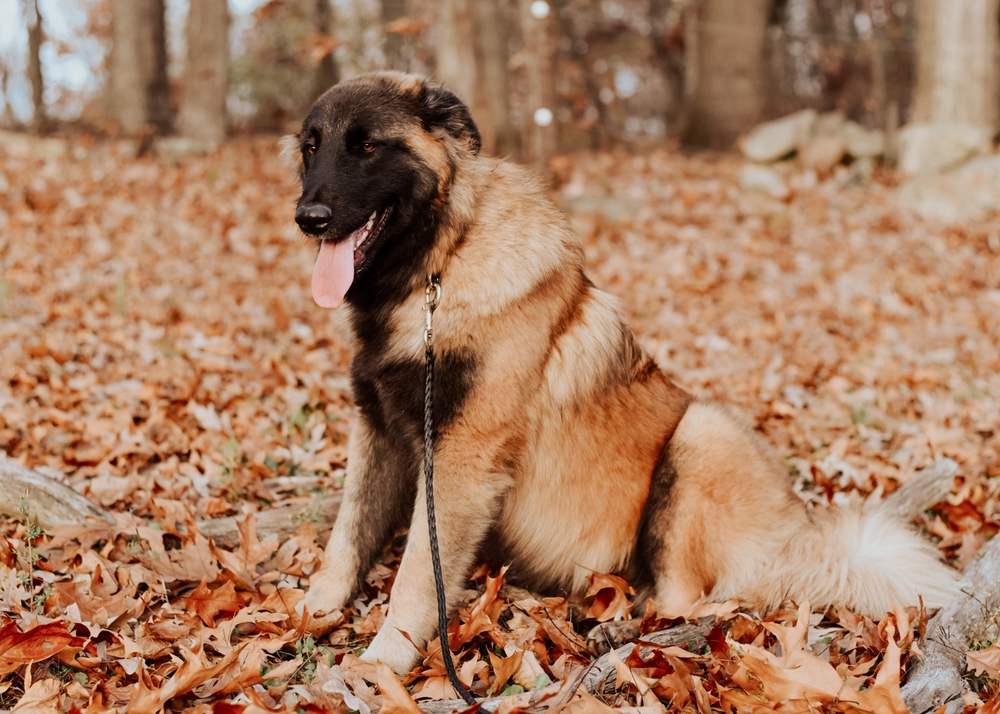
Your dog will explore all kinds of unique objects in nature, some that are okay and others that are best left alone. To maintain control over deciding which is which, work on “Leave It” and “Drop It” commands.
Telling your dog to “leave it” stops your dog from investigating something further. Training this cue will be handy if you notice your dog sniffing around trash, dead animals, or brushy areas that may be hiding something dangerous.
The “Drop It” command is for when your dog already has something in their mouth. Having high-value treats is beneficial with this command, as you can frame it as a trade. They give the object, and you give the treat. Whether it’s an animal bone, an unknown plant, or trash, you’ll want to prevent your dog from picking up unknown or potentially dangerous items, and they’ll likely give it up if you make it worth their while.
6. Train an Emergency Recall
Unlike your standard recall, you’ll only use an emergency recall in critical situations, like when your dog runs toward a busy road or takes off after animals in the wilderness. When they hear the emergency cue, your dog knows to drop everything and return, no matter what.
Training an emergency recall is similar to teaching a standard recall, but with a few essential differences. You won’t fade the reward as your dog learns the command, and you’ll only use the highest-value treats, like cheese or meat chunks.
Reward your dog every time they follow the emergency recall, using a unique word (e.g., “kakooey” or “boomerang”) as your command. Though you don’t want to use this recall too often in place of your usual “come” command (especially if you only have low-value rewards), you should practice it at least 1–2 times weekly, ensuring you always give tons of praise and incredible treats for compliance.
7. Start With Small Hikes on a Leash

Short hikes in secluded areas let you test and condition your dog for more demanding treks in popular hiking areas. Use a leash initially so you can watch your dog’s reactivity and identify potentially troublesome outdoor triggers while staying safely secured to them. When you feel comfortable, transition to off-leash hiking.
Plan a few miles of hiking in areas that allow off-leash dogs and don’t have significant hazards like steep drop-offs or water crossings. You’ll have the chance to practice recall while exposing your dog to many common stimuli they’ll experience on future outings.
8. Train for Wildlife in Your Area
Do you see bears often while hiking? Do you live in the southwest, where poisonous snakes are common trail features? Consider the many threats that might present themselves on the trail and whether your dog needs specialized training, like rattlesnake avoidance. With focused professional training and at-home work, you can develop critical responses to specific dangers unique to your hiking area.
9. Follow the B.A.R.K. Principles
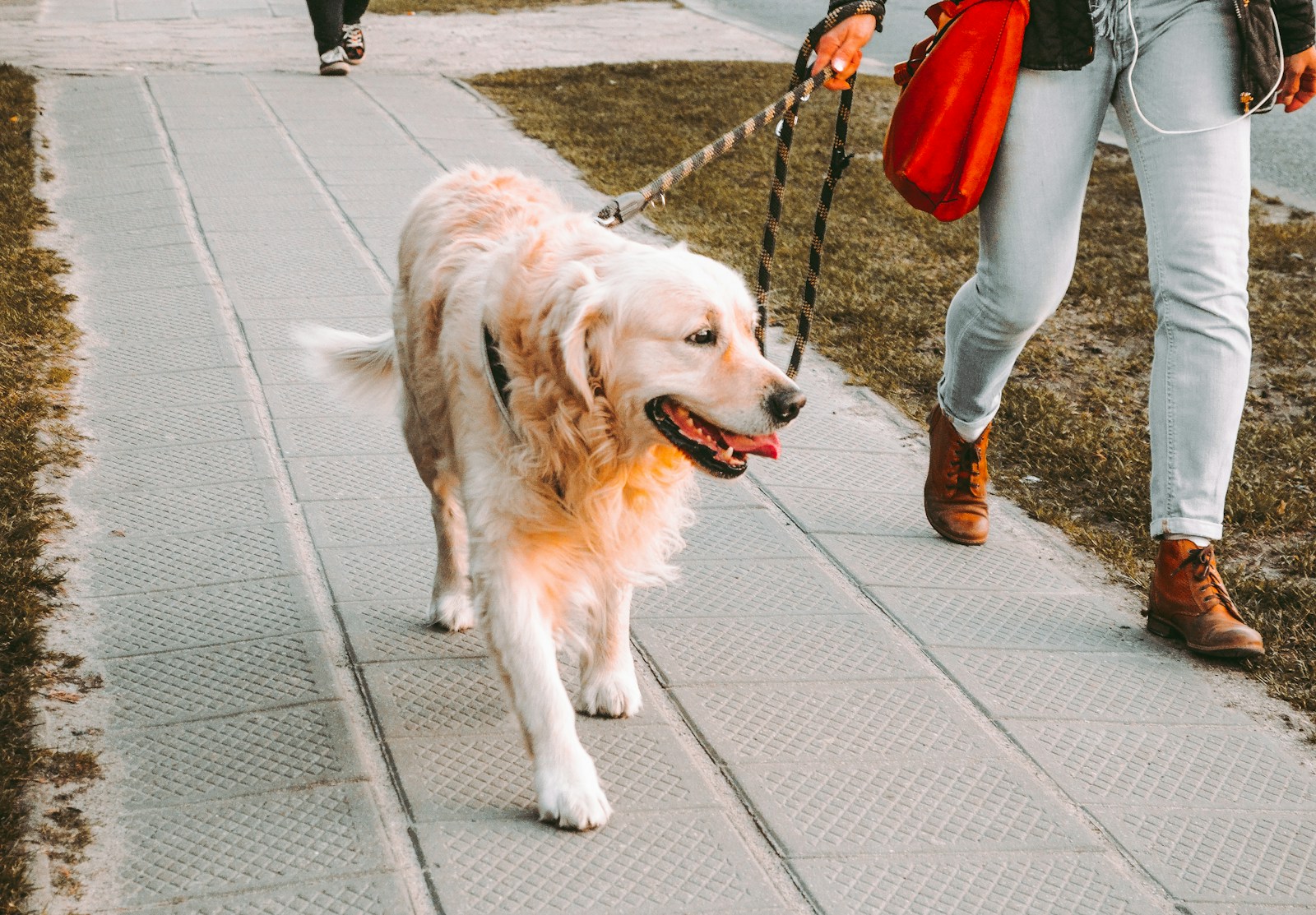
The B.A.R.K. Ranger program is a National Park Service initiative promoting good dog and owner habits while enjoying the parks. While each park offers a unique way for dogs to earn B.A.R.K. Ranger certification, the general guidelines are as follows:
- Bag your pet’s waste
- Always leash your pet
- Respect wildlife
- Know where to go
Many parks encourage dog owners to volunteer as ambassadors to offer information and guidance on following park policies. Whether you choose certification or not, abiding by these rules is an excellent foundation for safe on-trail habits.

Best Dog Breeds for Hiking Off-Leash
Not every dog is cut out for hiking. While temperament and personality play significant roles in your dog’s socialization and training, breed-specific traits can make outdoor adventures more challenging.
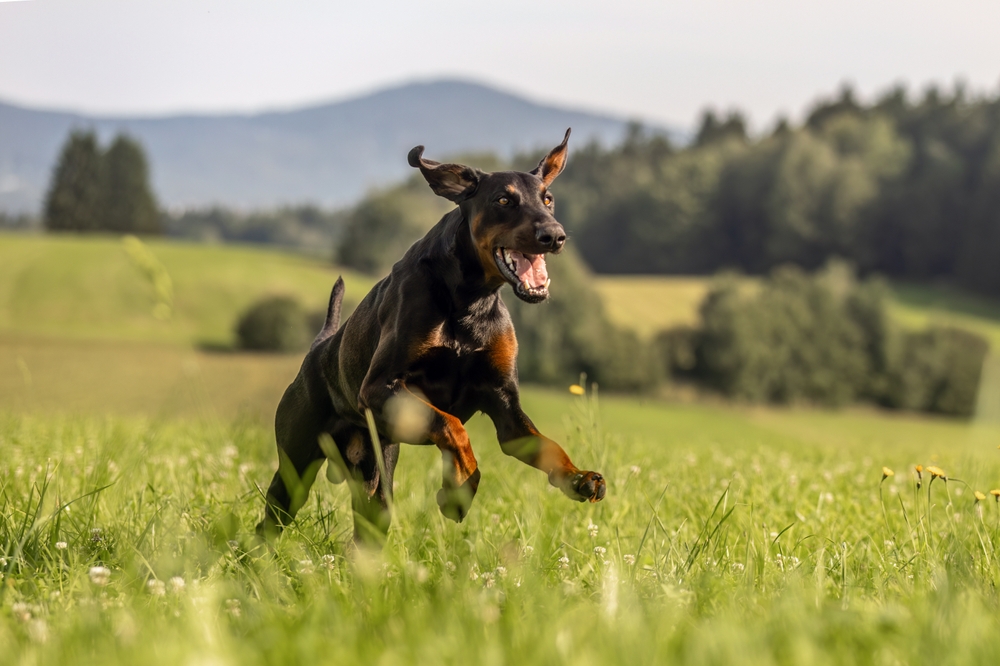
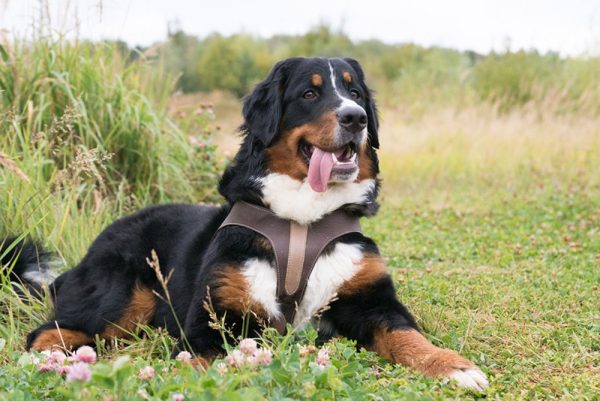
Athletic and highly trainable breeds like herding dogs and gundogs make some of the best hiking companions. Top dog breeds for off-leash hiking include:
Toy breeds and brachycephalic dogs tend to have the most difficulty on hikes, as short-snouted varieties often have breathing troubles precluding vigorous, lengthy exercise. Depending on your dog’s personality, some may require exceptional training and often do best remaining on a long line or leash in wilderness settings.
Grab Your Hiking Gear
As you prepare your dog for hiking, you must also prepare yourself for success. Having the proper gear handy will make all the difference in controlling your dog, keeping them safe, and making the experience productive and rewarding. The following are some core items to keep handy while hiking with your dog:
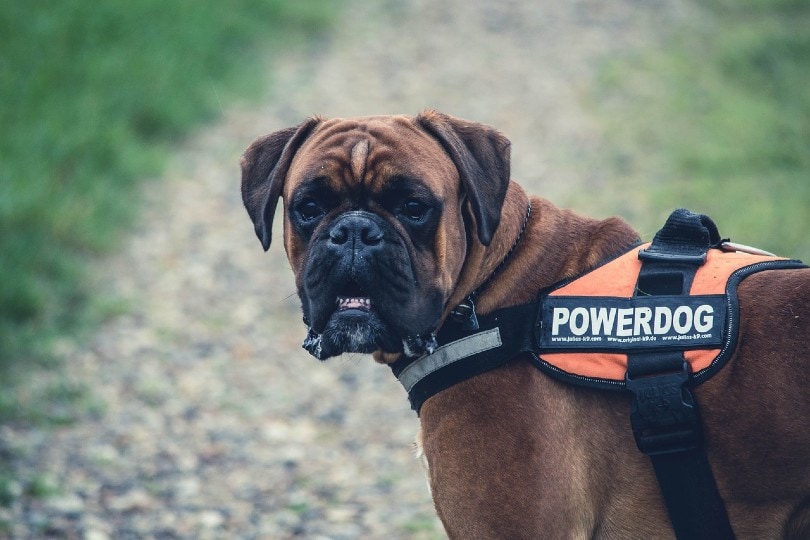
- Harness: A harness will control your dog without leaving the chance of injury or choking if your dog slips while hiking or tries to sprint away
- Leash: Even if you go hiking off-leash, you must have your 6-foot leash handy to control your dog through hazardous situations
- Waste bags: Always clean up your dog’s waste and dispose of it in a proper receptacle
- Collapsible bowls: Easy-to-store bowls fit into your pack, allowing you to give your dog food and water on the go
- Water: Keep plenty of fresh water to keep you and your pup hydrated
- High-value treats: Have your dog’s favorite treats available so you can use your emergency cue if needed
- Whistle: A loud, consistent whistle often makes the best cue for an emergency recall and can even save you if you need to grab someone’s attention
Beyond acquiring your hiking gear, you must update your dog’s microchip information and collar tags with your current address and contact information. Your vet can scan your dog’s microchip so you can update your information in the appropriate database.
Follow Leash Laws
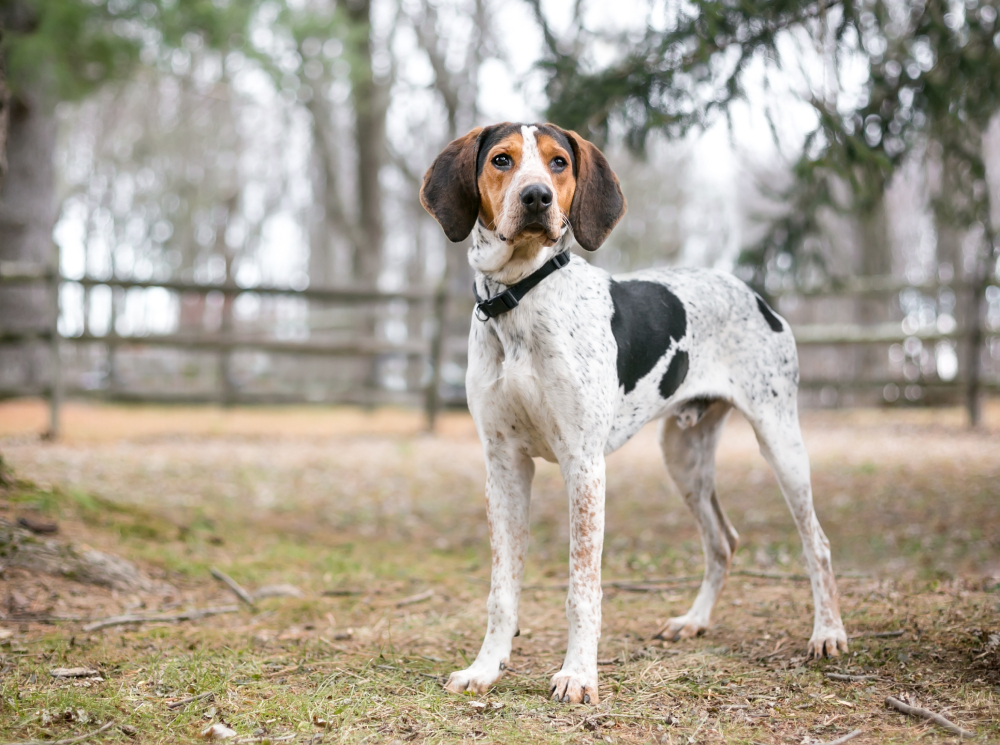
Even if your dog is exceptionally well-behaved during off-leash hiking, everyone has to follow the leash laws for national and state parks.
Dogs are generally required to have 6-foot leads in public areas that allow them, such as trails, campgrounds, and parking lots. Outside of service animals, many parks have restrictions against allowing dogs in various areas, like visitor centers or prohibited trails.

Why Are Leashes Necessary in Parks?
Alongside the fines and other punishments you may receive, having your dog off-leash can cause safety concerns. Hikers are stewards, owning the preservation of the habitat around them. Their dogs, however, typically aren’t as concerned about conservation. The outdoors is stimulating, and given the tendency of many dogs toward reactivity, the leash is there to minimize any undue harm to wildlife or plants.
Leashes also keep people and pets safe. Though your dog may not be aggressive, other dogs on leashes might be less outgoing. You don’t want your off-leash dog to run up on a potentially aggressive pet and have a dangerous altercation.
At the same time, many other hikers on the trails, particularly children, can be afraid of dogs, even if they’re only trying to be friendly. Leash laws protect people, pets, and wildlife, ensuring everyone has a good time and a neutral impact.

Conclusion
Hiking is a richly rewarding exercise and a unique treat for a well-trained pet. Most dogs love the workout and sensory stimulation that only a nature trek can provide, but as fulfilling as it can be, it’s on you to make it equally safe. Follow these tips to train your dog for hiking, and you’ll guarantee an enjoyable experience for you, your dog, and everyone sharing the trails.
Also see:
- How to Hike With Your Dog: Vet Approved Tips, Trail Etiquette & Preparations
- How to Hike the Pacific Crest Trail (PCT) With a Dog: 4 Helpful Tips
Featured Image Credit: Osadcha Olga, Shutterstock