Why Does My Puppy Poop So Much? 5 Vet-Reviewed Reasons

In this article
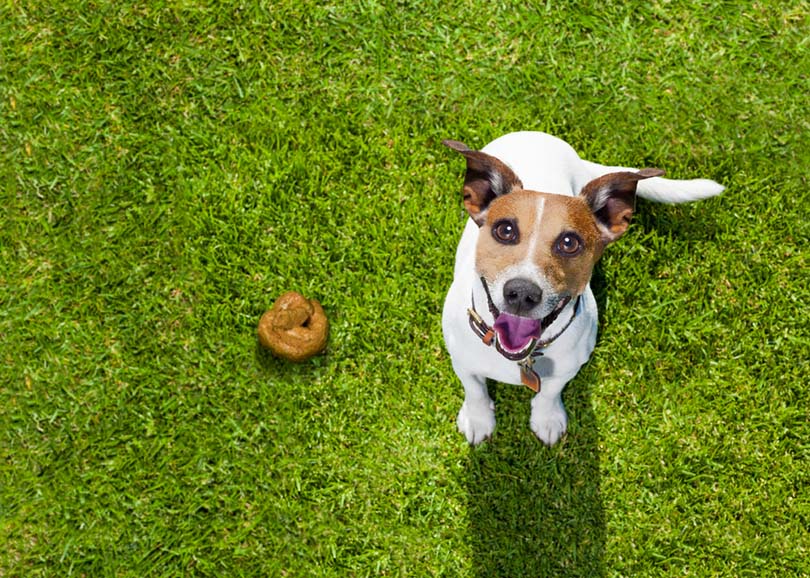
When we get a puppy, one of the inevitable guarantees of ownership is that you will have to potty train them. After all, nobody wants to clean up nasty pee pads from your floor all the time. Thankfully, our dogs are certainly smart enough to learn how to potty outside.
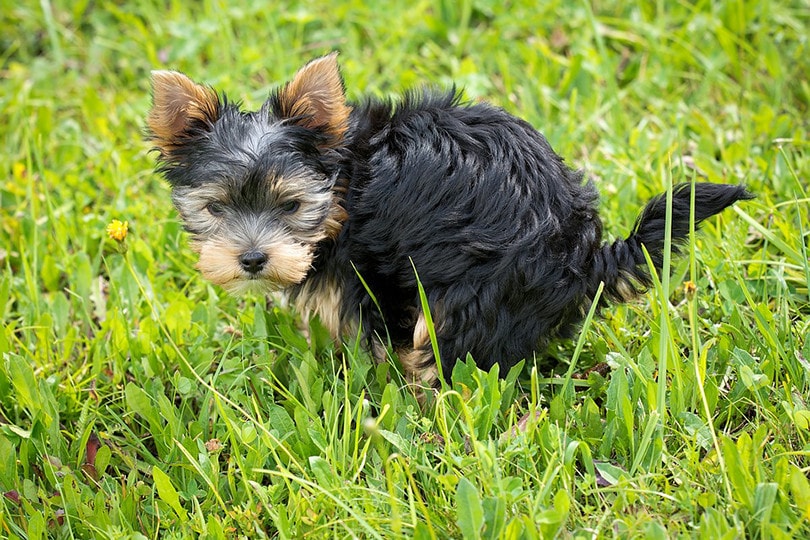
However, if you have a puppy that seems to poop far beyond the average dog, you might wonder what the heck is going on. In this situation, there could be plenty of factors that contribute to the reason your puppy poops so much.
In this article, we aim to discuss what you should expect from your puppy, reasons for excessive pooping, and potential solutions. We hope this helps!

How Many Times a Day Should Puppies Poop?
Puppies have a developing digestive tract that leads to more frequent pooping. That frequency slows down as a dog ages and their digestive tract matures. Rather than look at the number of times to see if your puppy is normal, look for any changes. If your puppy suddenly starts to poop more or less often, it could indicate that something is off.
Now, in order to know if your puppy is actually pooping too much, it’s important to understand how often puppies should poop. The average amount a puppy poops depends on a few factors. But in general, dogs that are between 10 to 14 weeks of age poop roughly four times a day. By 6 months, they can be down to three times per day.
Typically, by adulthood, they have settled into their normal routines and you know exactly when they will be going. Typically this is 1-2 times per day. Just keep in mind that these are generalizations and it may be completely normal for a puppy to poop 5-6 times a day as well.


The 5 Reasons Why Your Puppy Is Pooping So Much
If you know that your dog is pooping more than average, or you have seen an uptick in their frequency, it is certainly best to get to the underlying cause. There could be a number of reasons, everything from sensitivities to illnesses. So, like many other things, this is not a one-size-fits-all situation.
If you think there is a bigger problem, it is imperative to get your dog to the vet so you can begin the process of resolving it. Your vet will work diligently with you to find the underlying reason and correct it or advise that it's normal if they believe that it is.
1. Diet Changes
If you've recently changed your puppy's diet, it can cause them to go to the bathroom more frequently. Their gastrointestinal system is adjusting to the changes in formula, which can cause an influx in bathroom use and even diarrhea.
Anytime you are switching your puppy from one formula to another, it is important to do so gradually. If you make the change too suddenly, it can wreak havoc on their system and certainly do no favors for your carpet.
Even if you are introducing new food gradually, sensitive dogs might still have a slight change of pooping habits due to something unfamiliar being put into their system. So, give it a few weeks to see if things level out. If you are still noticing an increase in the frequency of poop, call your vet.

2. Bacterial Infections
If your pup is having frequent, loose stool accompanied by a few other signs, it is possible that it could be related to a bacterial infection. Anything that upsets your dog's intestine could result in diarrhea or increased stool. It can also change in color and consistency, which can tell you a lot about the underlying cause.
If your puppy has a bacterial infection, treatment is often required. These types of infections generally don't go away on their own but are very responsive to antibiotics. If you think that your dog may have a bacterial infection, you can get them to your vet for further testing.
Generally, your vet will take a full sample from your dog to test for potential issues. In some cases, they might also require blood or urine samples.
3. Parasites
Parasites are quite common in puppies, so early treatment is essential. Your puppy will need to be treated a few times, depending on their overall breed and weight. If you haven't been keeping up with routine parasite treatments, the increase in pooping could be related to this.
Ask your veterinarian about the best dewormer for your puppy and how often it should be given.

4. Viral Infections
Many viral infections can impact the overall health of a puppy. Some of them can affect the digestive tract and be incredibly dangerous. If your puppy had a viral infection, the signs could be more than just an increase in poop and can include vomiting, fever, not eating, and lethargy.
If you are noticing any of these signs in your puppy, especially not eating or drinking, talk to your veterinarian. Getting your puppy vaccinated is the best prevention for these infections.
5. Food Sensitivities
Sometimes a puppy’s diet just doesn’t agree with them. Whether it’s a sensitivity to an ingredient or just an overall richness that is too much for their delicate digestion, it can lead to increased pooping. Most of the time puppies will still feel good though they may have softer or loose feces.
Changing diets may help, just talk to your veterinarian about potential diets that could be beneficial.

Conclusion
Every puppy will go to the bathroom on their own schedule. Some of them might go to the bathroom more often, while others need to go outside less. If you notice an increase in your puppy's pooping frequency, it could be due to diet changes, parasites, or an illness. Talk to your vet any time you’re concerned.
Also see:
Featured Image Credit: Monika Wisniewska, Shutterstock
Expert dog care, straight to your inbox
Vet-reviewed advice, training tips, and the best of Dogster. Free, and you can unsubscribe anytime.
By signing up, you agree to our Terms & Conditions and Privacy & Cookies Policy.
Ashley Bates is a freelance dog writer and pet enthusiast who is currently studying the art of animal therapy. A mother to four human children— and 23 furry and feathery kids, too – Ashley volunteers at local shelters, advocates for animal well-being, and rescues every creature in need. Her mission is to create awareness, education, and entertainment about pets to prevent homelessness. Her specialties are dogs and cats.
Join the conversation
Ask a question, share your story, or send private feedback.