When you’re raising a puppy, especially if this is your first time, you will probably want a heads-up on what to expect. After all, it can be quite a change of pace from your normal day-to-day, and puppies certainly require much effort and work on your part.
Unless they were born at your home, at 2 months of age, your puppy is likely coming home for the first time. In most areas, it isn’t legal for babies to leave their mothers before the 8-week mark (for a good reason).1 So, since this is likely your jumping-off point into dog ownership, we’re here to give you all the tips you need to start this journey and how to care for a 2-month-old puppy.

Bringing Home a Puppy
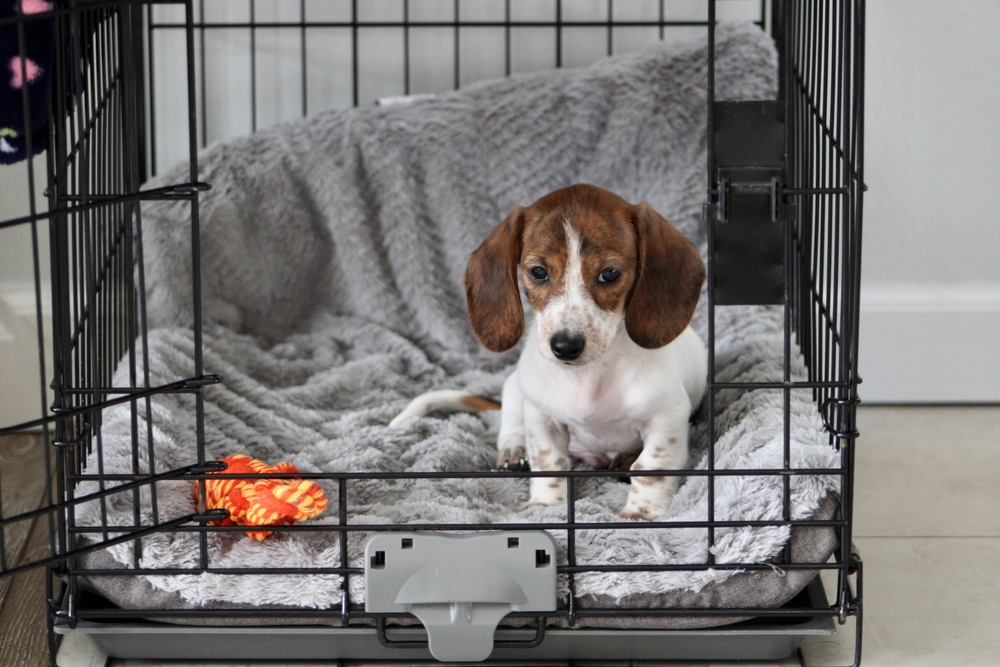
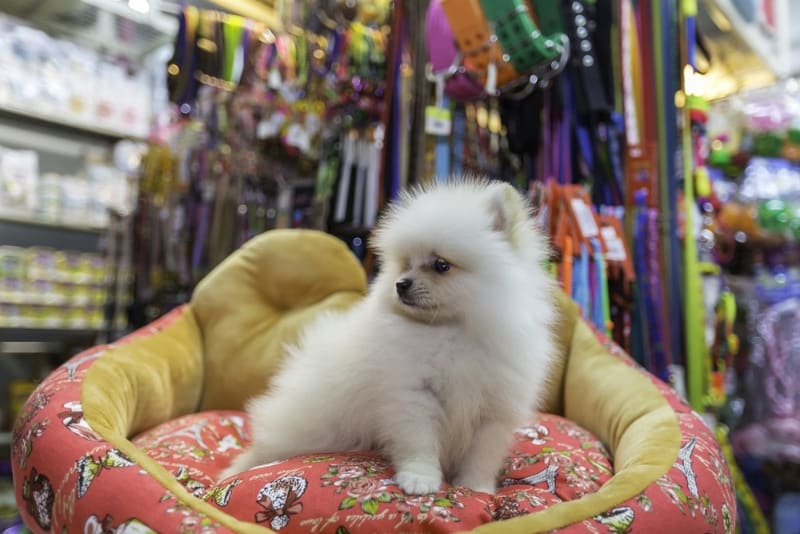
At 2 months old, your puppy is ready to come home. You will likely have chosen the puppy of your dreams, and you’re planning a pick-up time. When your puppy comes home, remember that this is the very first time they will ever have been separated from their mother or littermates.
This is going to be just as big of a change for them as it is for you. Not only is this an extremely exciting time, but it’s also going to come with its fair share of challenges. Puppies grow so fast. They might only be 8 weeks old, but they will quickly develop into a spunky, active puppy that wants to chew on everything.
At this stage, however, we will go over the individual components of owning a 2-month-old puppy so you can be prepared.
Behavior
Your puppy will develop so much in the second month of life that you won’t know what to do! They have just crossed the threshold from being with their mother and littermates to being solo in a big world with you as their new family. Expect some initial crying when the puppy is left alone, as this is entirely new for them. However, they should usually settle themselves quickly. If they appear distressed, speak to a veterinarian for advice.
If you need to speak with a vet but can't get to one, head over to PangoVet. It's our online service where you can talk to a vet online and get the advice you need for your pet — all at an affordable price!

Your pup is in a critical phase of development called the critical socialization period, which will last until around 14 weeks of age. Essentially, this is the period where your pup must get used to all the experiences they will encounter in life. Anything new after the critical socialization period has finished will trigger a fear response. So, if your dog is not exposed to positive groomer and vet visits, dogs, people, alone time, traffic, other animals, or thunderstorms in this period, they are likely to be as fearful as an older dog, and you will have to work harder to desensitize them.
They will have a strong urge to chew, so make sure you have lots of chew toys available. They are teething, so they may try to bite you too. Try to redirect them onto toys if they do, but ask a vet for advice if they are very mouthy. Sometimes saying “ouch” in a high pitched voice works, if they understand that they hurt you, they will learn to be more gentle.
Sleep
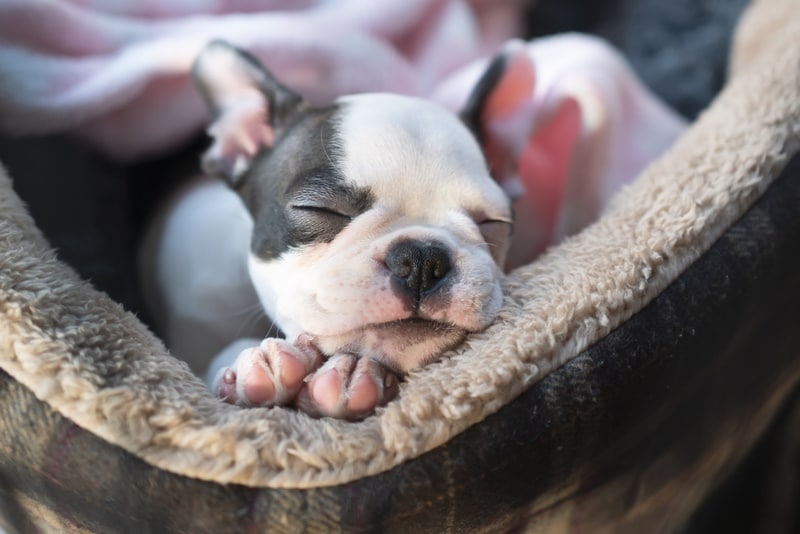
This is the time when your puppy will be sleeping the most! Comparable to a small baby being brought home from the hospital, a 2-month-old puppy will sleep around 15-19 hours a day.
So don’t be surprised if they get up and show you affection and crash on your lap seconds later. It’s totally to be expected. Enjoy the snuggles and cuddles while you can!
Diet
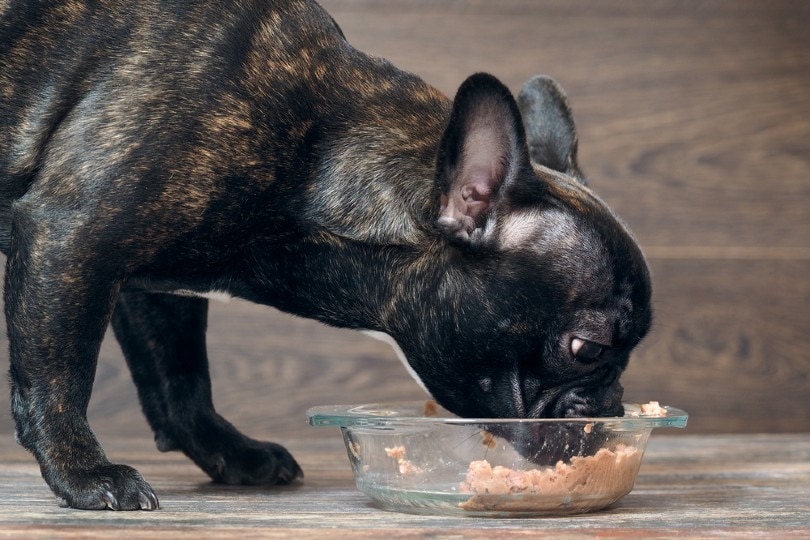
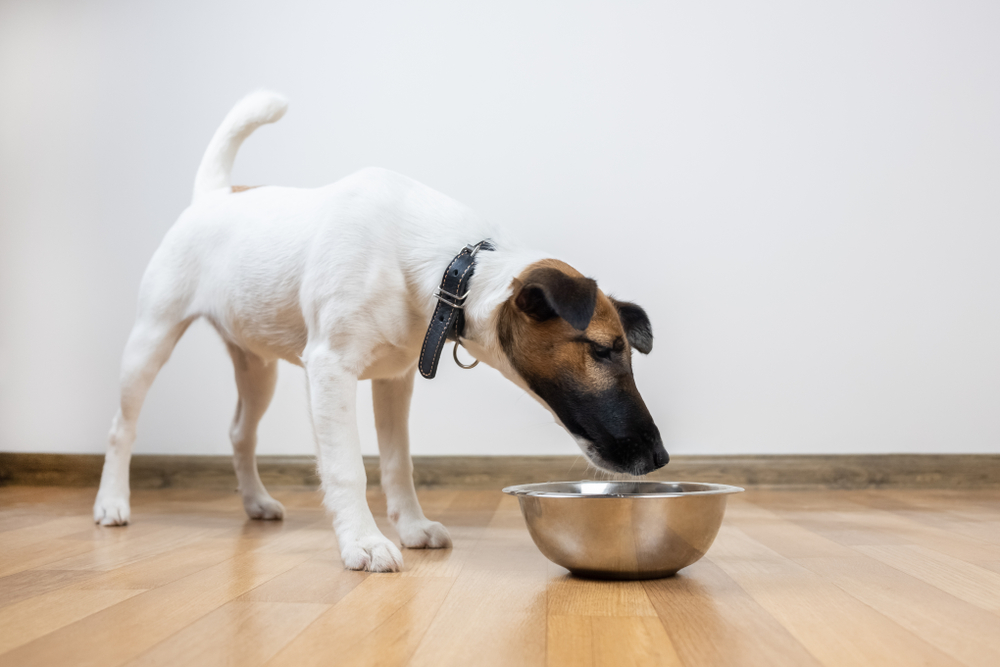
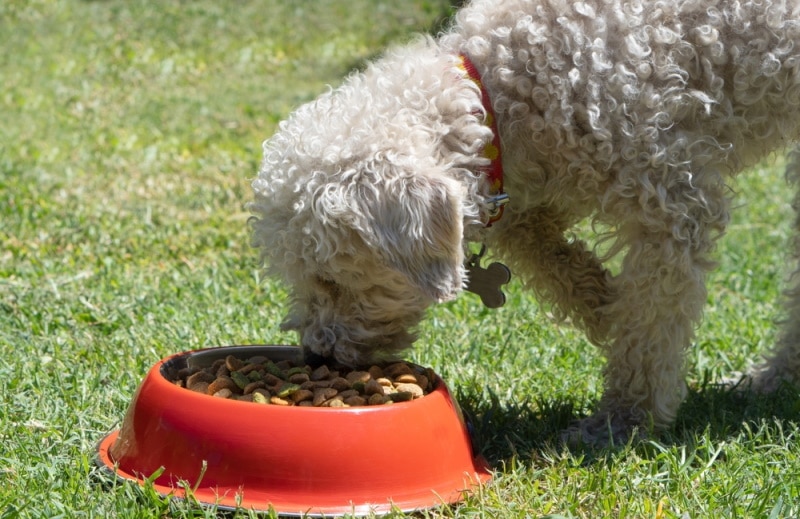
It’s best to start your puppy out on the right foot regarding nutrition. If the puppy was already eating a particular kind of dog food, make sure to transition slowly if you choose to change it. Changing their diet too quickly could result in diarrhea and gastrointestinal upset.
Since you are likely just introducing food to your pup, it’s important to understand nutrition. At this stage, your pup will require a food designed explicitly for growing puppies. They will need ingredients like DHA for brain development and high-calorie content to support growth. Large-breed puppies should ideally consume a diet to support healthy joint development. This usually involves feeding calcium and calories to achieve a more moderate (rather than rapid) growth rate.
You can select the puppy food that works best for your little one. Wet canned food and dry kibble still have excellent selections, but many pet parents are choosing a bit of a different path these days. Fresh food is getting hot on the market—which is fine as long as it contains all the nutrition that your puppy needs. Look for food that meets AAFCO (Association of American Feed Control Officers) nutritional standards. You should check with a veterinarian to determine the best fit for your little pup and stick with it.
Exercise
Your puppy will love to rumble around at 2 months old, but the bursts are usually very short-lived. They might bounce around and get excited, but they are quickly crashing on your lap or in another cozy spot.
Puppies don’t have a lot of stamina when they’re that little and, therefore, require gentle exercise. You don’t have to do anything particular at this time. Simply interact with your new puppy and enjoy them while they’re awake. You can do fun things like play, tug-of-war, and explore other toys.
Because they have yet to be fully vaccinated at this point, it’s not a great idea to take them anywhere that an infected dog may have visited, like dog parks. If you do, you can expose them to potentially deadly viruses, like parvovirus, which they are not fully protected against until they complete their puppy vaccinations (usually three).
Training
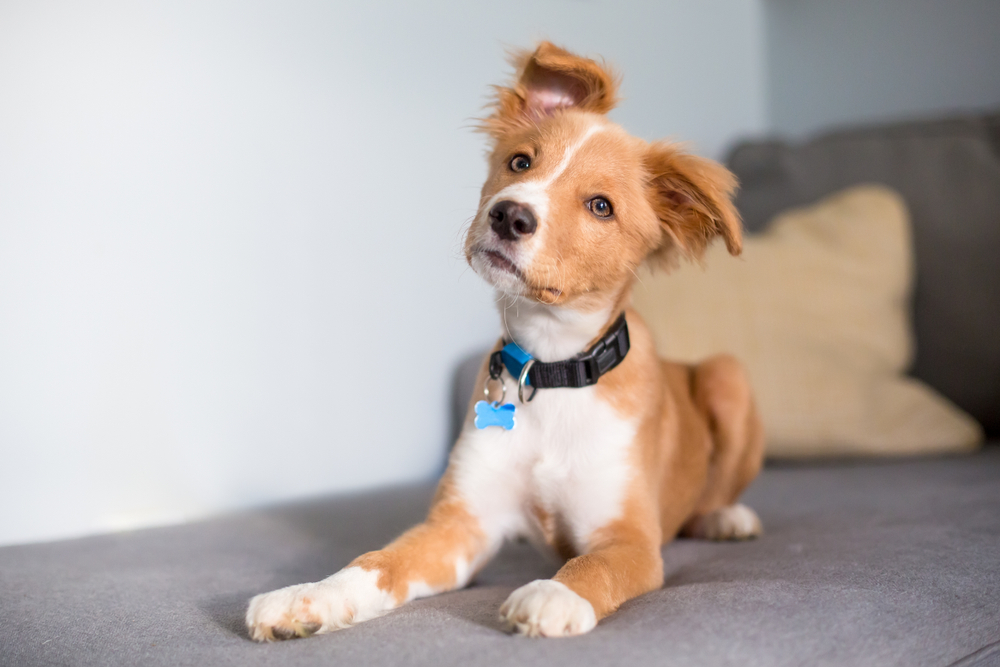
It’s never too early to start on basic training concepts. However, you shouldn’t expect a lot at this time. That said, most pups will pick up basic commands like “sit”, “look”, “wait”, and “shake” in a few weeks with correct training using positive reinforcement. Keep training sessions short; your pup has a short attention span, and training should be fun, not a bore.
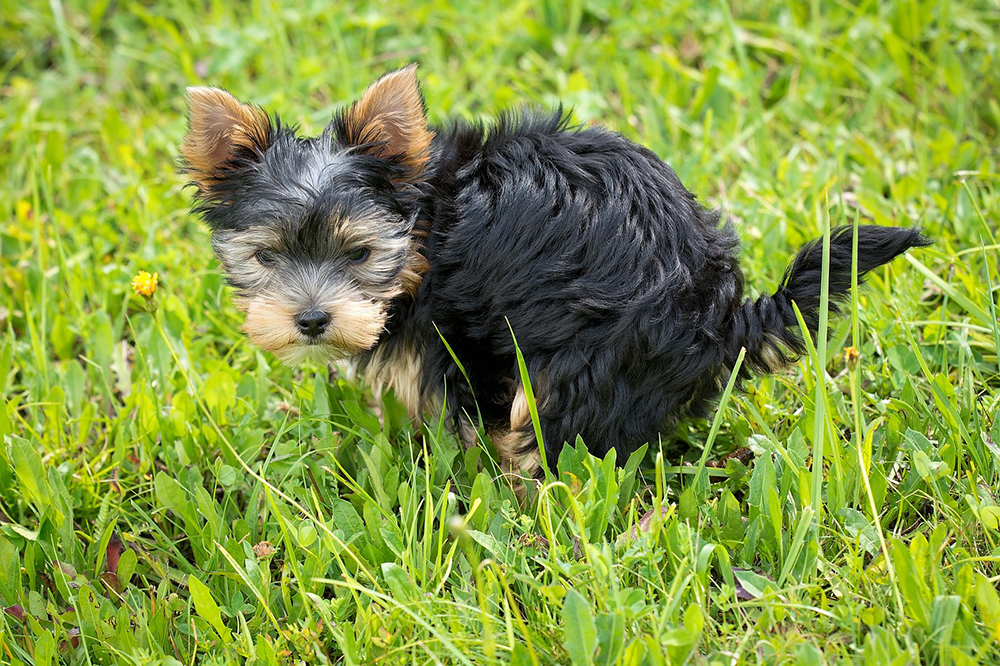
It is definitely advisable to work on potty training, but don’t have any high expectations. They will just be coming home and acclimating to their brand-new environment, and you should give them some mercy.
You can begin potty training so your little guy or gal can learn the ropes, but most dogs aren’t fully housebroken until roughly 6-12 months of age, as they don’t have full bladder control before this point. This can vary greatly as some pups catch on right away while others take much more time than others.
Grooming
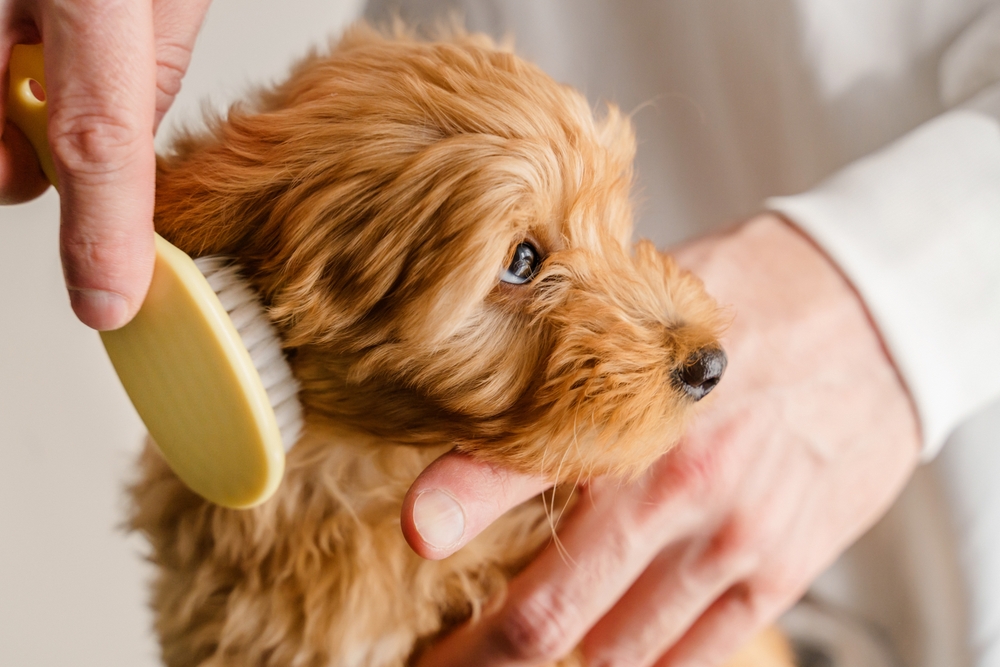
Grooming frequency will depend on the kind of dog you have. For longer-haired pups, you might find the need to brush them daily. However, shorter coated pups usually have the texture of hair that doesn’t really get tangled, so you don’t have to comb as often.
It’s best to get your little one acclimated now to brushing, paw-touching, ear and mouth checks, and bathing so they aren’t worried by this later in life.
If you need a great shampoo option for bathing your 2-month-old puppy, opt for one thats made with natural ingredients and is pH-balanced to ensure that it is safe to use on your pup’s skin.
Vet Visits
Be prepared for the upcoming vet visits! You will get to know your vet very well in the next several months. During your pup’s first year of life, they will need to go for several visits for things like parasite prevention, vaccinations, and microchipping, as well as spay and neuter surgery once they are a few months older.
Your vet will also monitor weight gain and can give you recommendations on diet based on breed.
Pet Insurance
Two months is an extremely good time to consider pet insurance. If you plan to have that extra layer of protection, it’s best to do so early on in your pup’s life. Like any insurance provider, companies will not cover preexisting conditions. So, the earlier you can get a policy, the better!
Many folks choose to have pet insurance because vet care, particularly after-hours or emergency visits, can be incredibly expensive. It can also happen at such times that you can’t possibly cover the cost out of pocket. Having pet insurance can potentially save your pet’s life by providing financial assurance when you don’t have the money otherwise.
Plans will vary in cost depending on what the policy covers and which company you choose. You can easily shop for quotes and comparable rates. You can also check to see if your current insurance company also offers pet coverage and simply bundle it with your existing policy.

Conclusion
This is just the beginning. Your pup will change so drastically even in the first month you have them that you’ll barely recognize them by the third month! Enjoy their cute little grumbles, snores, growls, and other adorable antics while they’re this size. The puppy phase is hard work, but it’s all worth it to shape your dog into the perfect companion.
In a few weeks, you’ll see a much different side of their developing personality, and their energy levels will certainly pick up.
See Also:
Featured Image Credit: OlesyaNickolaeva, Shutterstock
 Bringing Home a Puppy