Tibetan Mastiff Price: How Much Do They Cost? 2026 Price Guide

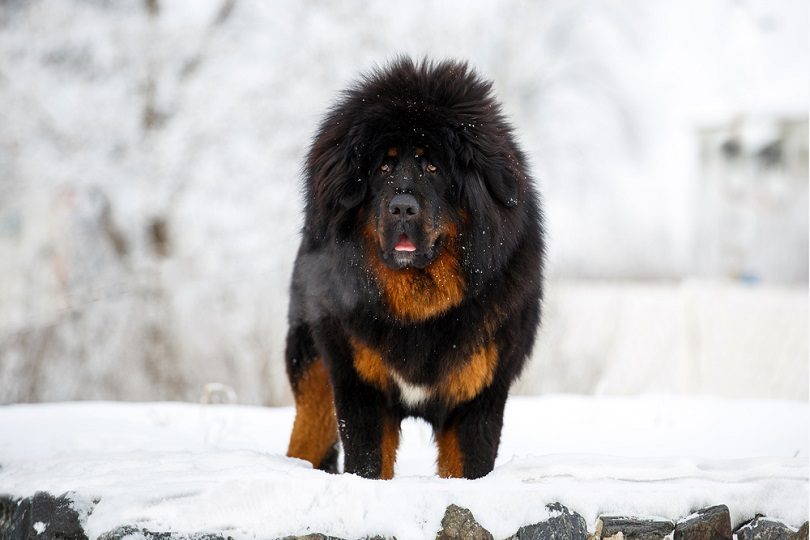
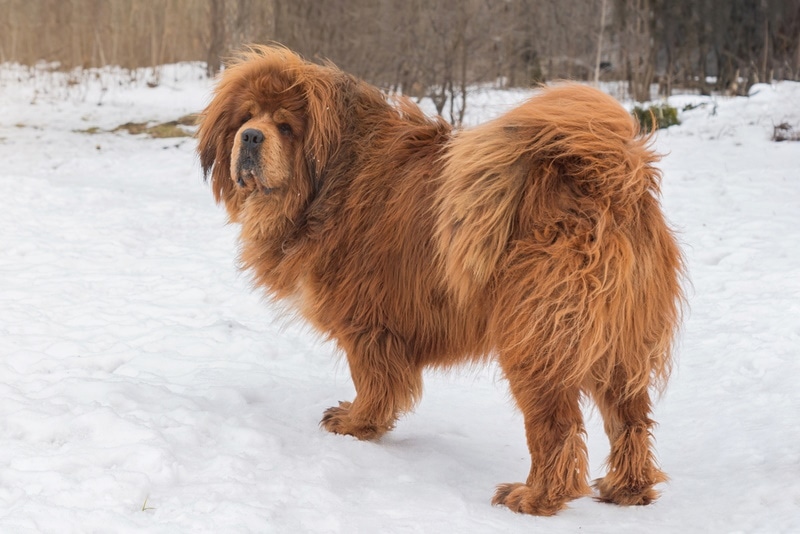
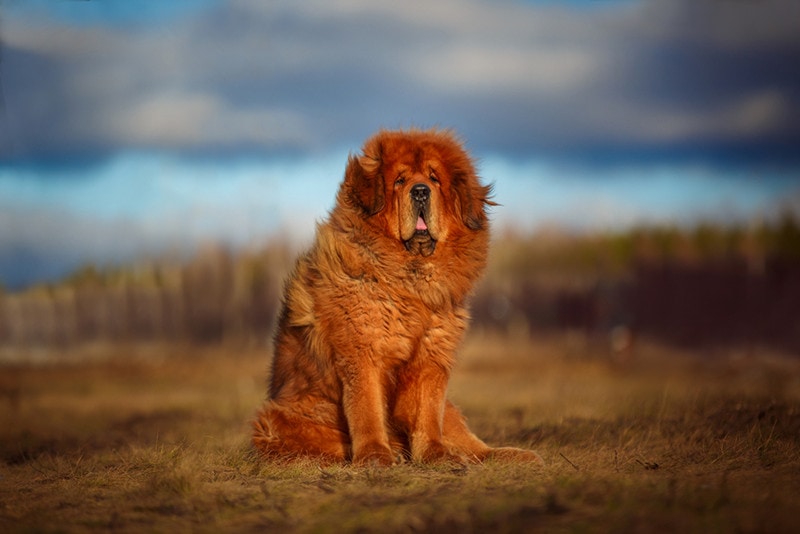
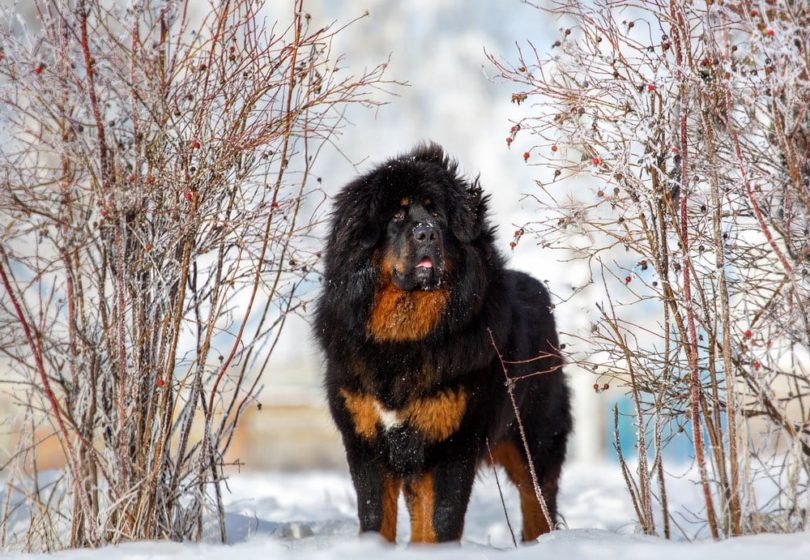
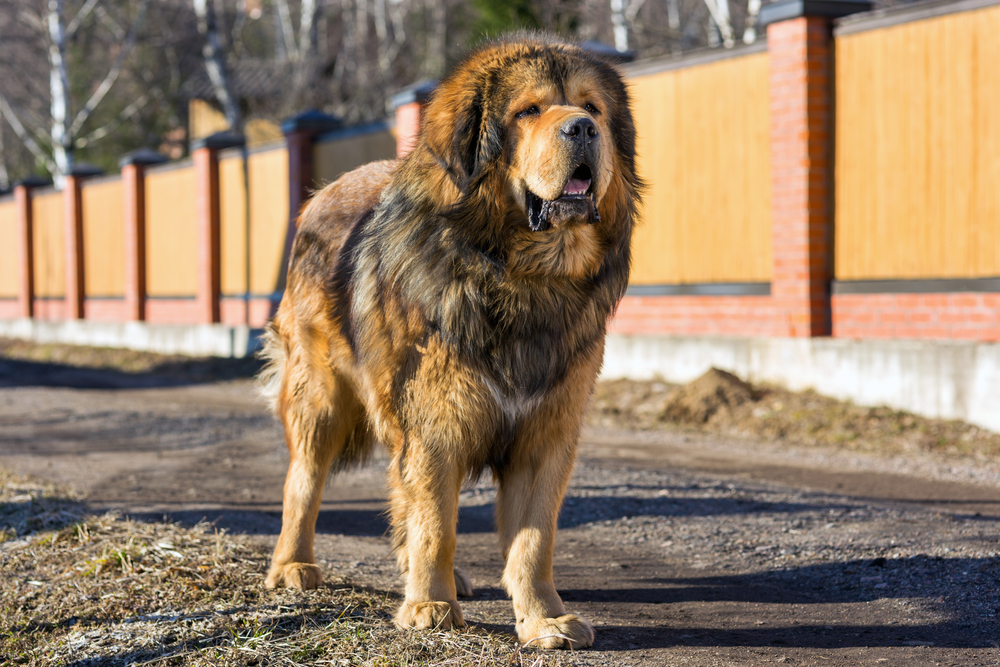
The Tibetan Mastiff is a giant furry canine that carries itself majestically with a generally calm, independent temperament. It makes up a good family pet and companion in specific households, particularly with experienced dog owners who understand guardian breeds. But before deciding to purchase this dog breed, you must be well-versed in the costs associated with owning this breed.
From a reputable breeder, you can expect the price of a Tibetan Mastiff puppy to range between $1,000 and $6,000, with the price rising significantly depending on the dog's quality and traits. Bloodline, breeder reputation, gender, markings, and age can influence your final buying price.
Before you offer a new home to this breed, let's examine the typical costs, keeping in mind that the financial investment doesn't end with the initial sale price.

Bringing Home a New Tibetan Mastiff: One-Time Costs
On average, Tibetan Mastiffs are an expensive breed compared to other dogs.1 That's because there are supplies to purchase besides the initial medical procedures and treatments. Think of the food, treats, and feeding bowls, along with grooming essentials, a traveling crate or a bed to keep your dog rested and entertained, plus toys and a leash or collar.
Free
You could save a Tibetan Mastiff from a rescue center, which, while unlikely, isn't completely unheard of and is a rewarding gift for the canine. If local shelters don't have this breed, some individuals who are overwhelmed by caring for this large dog may choose to give it up for adoption.
If you are this lucky, you may bring home a Tibetan Mastiff with minimal or no adoption fees, but be prepared for a re-homing process that may require behavioral rehabilitation and veterinary care. That's especially true if the dog was mistreated or has medical conditions such as illnesses, parasites, and hereditary disorders, which will require treatment and ongoing veterinary fees.

Adoption
- $500–$1,000
Like receiving a dog from a rescue center, giving a home to a Tibetan Mastiff that's put up for adoption through an agency is an act of mercy.2 You get to give this canine a new leash on life, where it can spend the rest of its days in a loving and caring household.
Adopting a Tibetan Mastiff will typically cost upwards of $2000, factoring in the adoption agency's cost of housing and caring for the dog. These costs also depend on the dog’s age, condition, location, and time spent at the shelter or rescue before finding a new owner.
Breeder
- $2,000–$6,000
A reliable and reputable breeder is generally the best option if you are looking to acquire a medically well-screened Tibetan Mastiff pup. It's a competitive market, as this breed is highly sought after, but you'll surely receive an ethically bred, high-quality canine when working with a responsible breeder.
Many registered breeders of Tibetan Mastiffs will have appropriately socialized,3 vaccinated, dewormed, and spayed or neutered pups, so the price often includes such services.
Above this, some reputable breeders may require kennel club registration paperwork or microchipping to be completed before allowing the dog to go home.
Initial Setup and Supplies for the Tibetan Mastiff
- $983–$3,065
You'll need to purchase numerous items in preparation for the arrival of your new Tibetan Mastiff puppy. It can prove costly when buying supplies for the first time, although many of these items are one-time buys or things you won't need to replace for months.
Along with essential supplies, you'll take your Tibetan Mastiff for its initial vet visits for core vaccines, deworming, and eventual spaying or neutering. The following list denotes your typical expenses when setting up your pup for homecoming after buying, adopting, or receiving it for free.
List of Tibetan Mastiff Care Supplies and Costs
| ID Tag and Collar | $25–$65 |
| Spay/Neuter | $150–$650 |
| Microchip | $45–$55 |
| Bed/Tank/Cage | $50–$200 |
| Nail Clipper (optional) | $8–$15 |
| Brush (optional) | $10–$20 |
| Toys | $45–$150 |
| Carrier | $50–$500 |
| Food and Water Bowls | $15–$50 |
| Core Vaccines | $75–$200 |

How Much Does a Tibetan Mastiff Cost Per Month?
- $685–$1,420 per month
A Tibetan Mastiff needs sufficient food, frequent grooming, and routine preventive vet visits to maintain its health.
The breed weighs between 70 and 150 pounds and stands at least 26 inches tall, meaning there is a lot of dog to care for. As such, the monthly cost can add up to $600 in many cases.
These costs will increase if your dog is undergoing training, experiences heavier seasonal shedding, or has a health condition that necessitates regular vet visits. To cater to this, creating a budget is essential.

Health Care
- $50–$100 per month
Monthly costs for the overall healthcare of your Tibetan Mastiff are higher, as this is generally a large breed with lots of hair that demands flea and parasite prevention. Also, several hereditary disorders are reported in this breed, meaning their medical bills may become higher over time.
Tibetan Mastiffs, especially if purebred, come with something other than an exceptional pedigree and will pick up poor health traits from their parents. Besides routine preventive care such as vaccination and deworming, healthcare costs may also increase due to one-time procedures like spaying or neutering and the management of hereditary conditions reported in the breed, including hip dysplasia, elbow dysplasia, hypothyroidism, and certain inherited eye disorders.
Food
- $80–$350 per month
While feeding a pet that weighs 100 pounds may appear challenging, this dog often consumes fewer calories relative to body size compared to some other large breeds. But the actual amount of food depends on its age and overall daily activity levels.
A puppy will have a daily food consumption of around 10–16 ounces, which costs between $70 and $150 a month, depending on the quality. In contrast, adult Tibetans may consume approximately 2–3 pounds of food per day, meaning your monthly expenses will increase to over $300. The food is divided into two to three meals daily.
Grooming ✂️
- $50–$250 per month
Grooming is an essential aspect of a Tibetan Mastiff's maintenance schedule, as this breed has thick coats and long hair that need regular brushing and periodic bathing. If you prefer having your dog professionally groomed, it'll cost around $250 a month, which includes nail clipping and ear, eye, and external dental inspection.
However, grooming your Tibetan Mastiff at home brings down the cost to around $50. These expenses include shampoo, brushes, clipper replacements, balms, and overhead costs such as the electricity consumed by the dryer.
Medications and Vet Visits
- $60–$300 per month
Apart from the hereditary disorders reported for this breed, the Tibetan Mastiff is a generally healthy dog breed that typically requires few vet visits, as they suffer from fewer health concerns than other popular breeds.
Still, you'll need to take your pet for regular screens, vaccinations, and wellness exams to monitor, identify, and manage common conditions that may affect the breed.
These dogs are predisposed to elbow and hip dysplasia, entropion and ectropion, Canine Inherited Demyelinating Neuropathy, and Hypothyroidism. Ongoing conditions may necessitate periodic monitoring, diagnostics, and medication, which can contribute to average monthly costs between $60 and $300. That's because many of the procedures and medications received are based on weight.
Pet Insurance
- $50–$200 per month
A wide array of conditions can be managed with pet insurance, especially if your dog suffers from hereditary or chronic medical conditions. The cost may vary depending on your pet's age and location, but most policies will cost between $50 and $200 monthly, often covering accidents, illnesses, and some breed-associated conditions, depending on policy terms and exclusions.
Environment Maintenance
- $40–$190 per month
Your dog will require regular environmental maintenance, which adds to moderate monthly expenses towards mess clean up, stain, and odor removal. If living in an urban area, you'll require poop scoops and bags to pick up after your dog. Note that accidents may happen indoors or while traveling, so be ready with the necessary tools to deal with any mess created.
| Poop bags | $15–$50/month |
| Odor removal spray | $10–$90/month |
| Potty pads | $15–$50/month |
Entertainment
- $10–$30 per month
You'll set aside some money for toys, especially when your Tibetan Mastiff is still a puppy, to give them a chewing alternative and entertainment. Your dog will grow older, and when you leave them alone most of the day, you may subscribe to a monthly toy subscription service. They'll replace the older, worn-out ones each month, meaning your pet won't grow weary of the same items.
Buying high-quality toys and playthings will prevent constant replacement, which saves you money in the long run. The Tibetan Mastiff is a large and strong dog, and will go through these items speedily, especially if your pet has a playful disposition.
Total Monthly Cost of Owning a Tibetan Mastiff
- $685–$1,420 per month
The monthly cost of owning a Tibetan Mastiff may range from about $685 on the lower side to $1,420, depending on the quality and brands of foodstuffs, grooming essentials, and vet services you prefer. Pet insurance coverage may help offset some medical procedures, although setting aside emergency funds for unexpected illnesses or injuries will help manage costs.
Training is important, seeing as the Tibetan Mastiff is significantly large and independent by nature, which calls for early socialization for its safety and that of other pets and the public. Seasoned dog owners may be able to train this dog gradually, but for newer pet parents, it's best to hire a professional trainer experienced with guardian breeds.
The monthly costs of owning a Tibetan Mastiff may also increase if your dog sheds more than normal or has a thicker coat that necessitates more frequent brushing. Similarly, if your pet lives outdoors, more brushing is called for. Otherwise, its hair will have knots and get matted.
Additional Costs to Factor In
Additional costs may arise unexpectedly along with the initial and monthly expenses of owning this breed. Training, pet sitting, or dog walking may occasionally be necessary, but this is optional unless you outsource to professionals.
For services such as pet walkers and trainers, you'll be charged by the hour, and these activities can add up to around $250, depending on your schedule. Traveling away without your dog will necessitate a dog sitter, and you can expect to pay a minimum of $100 each day you're gone.
A Tibetan Mastiff you've adopted or rescued may also need behavioral modification support for issues such as fear-based behaviors, insufficient socialization, or anxiety-related behaviors, such as separation anxiety. If that’s the case, you'll foot the bill for any household furnishing your dog has damaged, which amps up the additional costs of owning your pet.
Owning a Tibetan Mastiff on a Budget
There are ways to bring down the cost of owning a Tibetan Mastiff by ensuring you're keeping monthly expenses affordable. For instance, you may do DIY activities such as grooming, dog walking, and entertainment instead of spending money on professionals or expensive toys.
Make your dog toys with old blankets and towels, and use your free time to entertain your pet with physically and mentally stimulating games. Another way to save on Tibetan Mastiff maintenance is to customize your pet insurance, which can reduce premiums by removing nonessential add-ons depending on your dog's medical needs.
Limit your pet's policy to essentials, such as coverage for accidents and significant illnesses, while keeping a savings fund for accidents and emergencies, such as when your Tibetan Mastiff gets injured. That ensures you're not paying premiums for optional coverage that may not be used, and if unexpected medical expenses arise, you'll pay out of pocket with the saved money.
Saving Money on Tibetan Mastiff Care
You can save money by downgrade from premium food brands, as long as nutritional adequacy is maintained. Look out for sales, discounts, and clearances for essentials, including toys and grooming products, and always buy in bulk.
Groom your dog without the help of a professional, and you'll save money on Tibetan Mastiff care, which also works to improve bonding. Investing in a grooming kit for at most $80 gives you an exercise to perform once or twice a week, considering the density of your pet’s coat.
Conclusion
If you want to own a Tibetan Mastiff, it is a good idea to learn how much they cost so you can prepare to own one within your budget. You’ll spend between $1000 and $7,000 to bring one home and make it comfortable. Each month, you can expect expenses of $685 to $1,420 for this dog’s ongoing care and maintenance.
This breed consists of large individuals, so ensure you have the space, food, grooming essentials, and pet insurance to cater to its needs. Cost-saving practices such as grooming your dog at home will help reduce the monthly cost of owning a Tibetan Mastiff.
Remember that beyond the buying price, initial setup, and supplies, a pet is a lifelong undertaking, so do your research and make sure you're prepared.
Sources
Featured Image Credit: Tatyana Kuznetsova, Shutterstock
Expert dog care, straight to your inbox
Vet-reviewed advice, training tips, and the best of Dogster. Free, and you can unsubscribe anytime.
By signing up, you agree to our Terms & Conditions and Privacy & Cookies Policy.
Nicole has loved animals of all sizes her whole life so it's no wonder she has dedicated her career to helping them through what she loves best: learning, writing, and sharing knowledge with others. She’s the proud mom of two dogs, a cat, and a human. With a degree in Education and 15+ years of writing experience, Nicole wants to help pet parents and pets around the planet to live happy, safe, and healthy lives.
Join the conversation
Ask a question, share your story, or send private feedback.