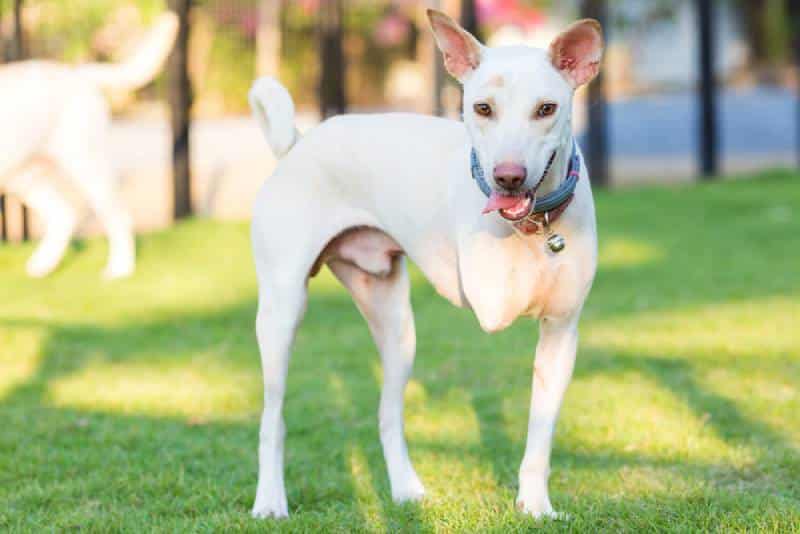
The term “tripod dog” refers to a dog with only three legs, but you might also hear them referred to as tripods. As you likely already know, the process of leg amputation for pets is an extremely emotional and taxing process, for both of you. Caring for a tripod dog requires some special considerations, but with the right approach, they can enjoy a happy and fulfilling life and live in a normal way.
To help make this major transition a bit smoother, we’ve provided a guide and tips to help you through the process from the moment you bring them home after their surgery.

Before You Start: Things You Will Need
If you know that your dog is going to have an amputation, it is a good idea to get things ready for them when they come home. Some items you might have around your house already, but others you might need to buy or order online. These things are suggestions that will help you and your dog, but you may be able to find substitutions.
- Large clean towel
- E-collar
- Wound cleaning supplies (ask your veterinarian what they would prefer)
- Orthopedic dog bed
- Dog gates/baby gates
- Dog ramp
The 10 Recovery & Exercise Tips for Your Tripod Dog
Every tripod dog is unique, so your care and routines will need to be tailored to suit their individual needs and preferences. Here’s a simple guide that provides the basics of caring for these dogs while they recover and adapt to their new life.
1. Follow Your Vet’s Instructions
If your dog has just returned home from surgery, you will indeed need to follow your veterinarian’s specific guidance and after-care instructions, as this can change on a case-by-case basis. This will likely involve a few weeks of strict rest. Be sure to give them any antibiotics or other medications exactly as prescribed. Even if your dog seems to be recovering quickly, always ask your vet first about whether it’s safe to stop administering their meds, as stopping them early could affect their recovery.
After this, continuing to work with your veterinarian to organize your dog’s maintenance needs and regimen is the ideal and advised way to care for your pup.
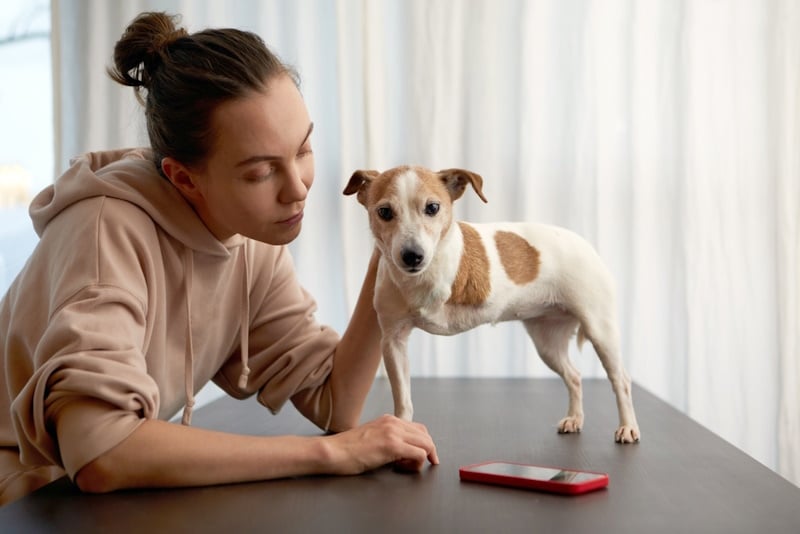
2. Keep the Surgical Site Clean and Dry
While your dog recovers, it’s crucial to keep the surgical site clean and dry. Change the bandages (if any) as directed. If the incision ever gets soiled, call your vet for instructions on how to proceed. They will likely advise you to clean the area with a gentle disinfectant. However, some vets might offer different instructions, so always speak with them before doing anything else.
Also, monitor for redness, swelling, pain, and discharge, which are signs of a wound infection.
You must also ensure that your pet does not lick or bite at their wounds. While your dog won’t like it, this is when an e-collar (also known as the cone of shame) is useful.
3. Provide a Comfortable Bed and Living Environment
Make sure you’ve created a safe and comfortable space for your tripod dog to come home to, from their bed to the flooring to where you feed them. Examine all areas of your house for suitability.
Ensure that the areas are free from hazards, sharp objects, and slippery surfaces. For hard flooring, placing rugs throughout the house will help dogs keep their traction. Use soft bedding or orthopedic animal bedding to make lying down more comfortable, especially during the initial recovery period.
Depending on your dog’s needs, consider using other assistive devices as well, like a harness, ramps, or pet steps to help with their mobility. These would need discussion with the appropriate expert, but assisted devices can work well if you feel they will be helpful to your dog in maintaining their quality of life. For example, a ramp can help them get onto the sofa. Introduce these devices gradually and carefully, and provide treats to encourage your dog to use them and minimize the risk of getting scared, and inadvertently hurting themselves.
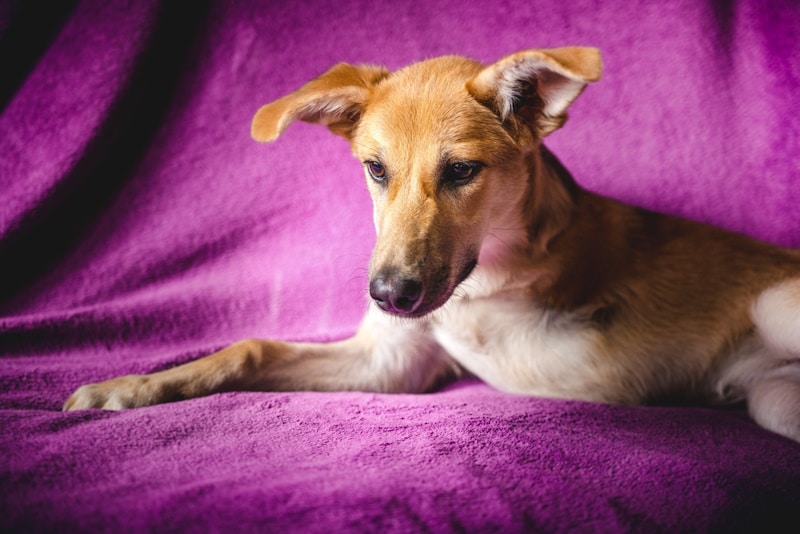
4. Use Towels or a Sling to Hoist Them Up
Your dog is going to need help getting up and down during the first few days of recovery. While you should ask your vet about the best way to help your dog move around, one common method is to sling a towel under their belly and then use it to help lift them and support some of their weight. This is going to provide extra support and help them adapt to moving and going potty with only three legs. However, you can also purchase a dog sling for this purpose if you prefer not to use towels.
5. Restrict Your Dog’s Movement Until Cleared by the Vet
While some dogs are going to want to start moving around right away, your vet will likely encourage you to restrict their movement for about 2 weeks after the surgery. Crating your dog is the simplest way to help with this if your dog is already crate-trained. But again, always follow your vet’s direct instructions.
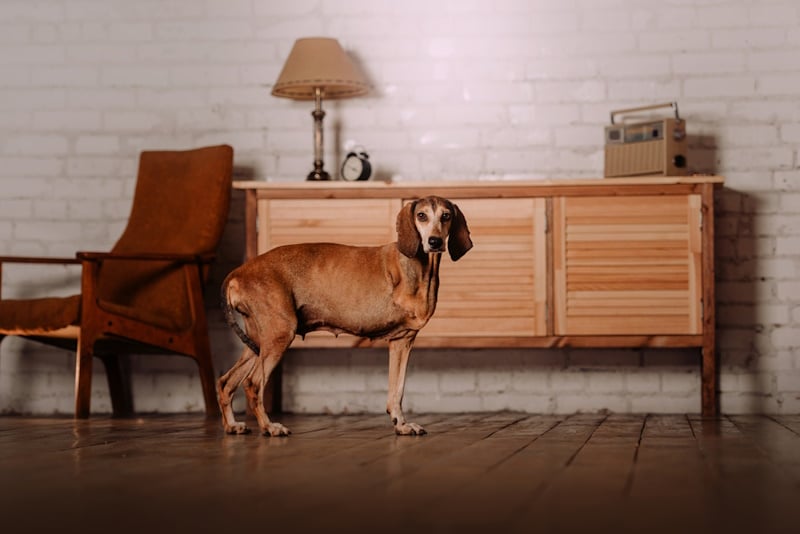
6. Slowly Introduce Exercise While They’re Still Recovering
Understand that your dog is going to have to use new muscles to move around, so there will likely be an adjustment period for them. Thankfully, physical therapy is an essential component of owning a tripod dog, especially just after the surgery itself.
Work with your veterinarian or a canine physical therapist to develop a tailored rehabilitation program. This may include a combination of gentle stretches, exercises, and hydrotherapy to maintain flexibility and strength in their remaining limbs. Hydrotherapy is especially useful since it is gentle on their joints by relieving some of the pressure from their body weight.
7. Encourage Regular Exercise
Regular exercise is crucial for a tripod dog, as carrying too much weight on fewer limbs can cause all sorts of joint issues. Provide gentle exercise to keep your dog fit and maintain muscle tone. Prevent them from jumping and diving around too much, and remember they likely cannot move as fast as before, so you may need to keep an extra eye on them to keep them out of harm’s way. For example, let them set the pace while on a walk.
Consult with your veterinarian or a physical therapist to determine appropriate exercises, considering your dog’s limitations.
If you need to speak with a vet but can't get to one, head over to PangoVet. It's our online service where you can talk to a vet online and get the advice you need for your dog — all at an affordable price!
8. Pay Attention to Their Diet
Feed your dog a well-balanced and nutritious diet appropriate for their age, size, and health condition. Monitor their weight to prevent weight gain, and keep them at an ideal weight. Again, this is essential in tripod dogs, as they have one less limb to carry their total body weight, and excess stress on their remaining limbs can cause multiple health problems.
9. Watch for Signs of Discomfort
Pay close attention to your dog’s body language and behavior. If you notice any signs of discomfort, changes in mobility, or pain, take them to your vet for a check-over. Signs of pain include not eating, reduced eating, reduced movement or walking, difficulty moving, lethargy, sleeping more, behavioral changes, nibbling or licking at the body, and panting. If they have been prescribed pain medications, be sure to administer them as prescribed.
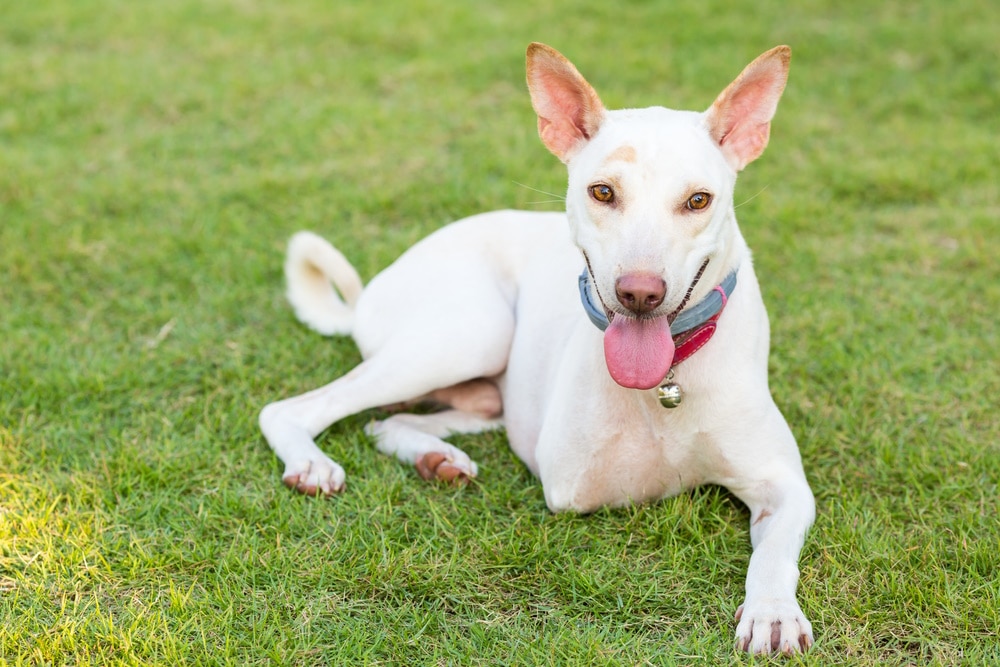
10. Attend Regular Vet Check-Ups
Schedule and attend regular veterinary check-ups to monitor your dog’s overall health. These provide the opportunity to discuss any concerns or changes in their behavior or health with your vet promptly while enabling your vet to notice any problems early that you may not have noticed. Phantom pains and discomfort in the missing limb are possible (and recorded in one cat and a study on rats), and your vet will also be able to advise on how to handle this.

Conclusion
Pets can adapt very well with the right care and attitude, so if your dog only has three legs, try not to think of it as a hardship or disability for them, but instead, be inspired by them. There is plenty of help and assistance out there if you need it, from your veterinarian, veterinary specialists, physical therapists, vet nurses, nutritionists, and many more. These should always be your first port of call regarding any concerns and problems you might have, but with the right regime put in place, you and your three-legged canine companion will have a fabulous life together.
Featured Image Credit: golfyinterlude, Shutterstock
 Before You Start: Things You Will Need