When managing a dog’s problematic behaviors, euthanasia rarely ranks high on the list of possible solutions, if it’s considered at all. We adore our pets, and the idea that behavioral modification, training, or medications can’t help them can be difficult to understand, no matter how aggressive or challenging the dog may be. Unconditional love works like that. Unfortunately, some behaviors are too difficult or dangerous to overcome, which results in your dog suffering a poor quality of life to make them less of a threat to you, other people or other animals. In these cases, behavioral euthanasia may be the most responsible and compassionate option. How do you know it’s time? We’ll discuss the many details to consider to help you make the best choice for your aggressive dog. Several factors come into play when deciding whether euthanasia is the best decision for an aggressive dog.
When Do You Know It’s Time to Put Down an Aggressive Dog
It will always take effort, but if you or your dog are suffering as you try to manage the issue, prolonging treatment can be unreasonable or downright unrealistic. How do you know when you’ve passed that threshold? Here are some considerations to help you make a decision.
1. Time and Finances
Controlling aggressive behavior may require long drives to behavioral sessions and will usually require a significant financial investment. Specialists dealing with aggressive behavior often charge at least $100/hour. The costs can quickly mount up as most dogs need several sessions to make meaningful gains.
If you feel your dog would benefit from behavioral training, but it seems cost-prohibitive, research those options anyway. A mountain of high-quality, low-cost resources for at-home work are available online.
Also, shopping around for professional trainers may reveal an affordable deal. Manageable payment options are often available, and lower-income owners may qualify for financial help from government agencies and animal welfare groups. Your vet can be an excellent resource for these programs and provide referrals.
2. Your Dog’s Health and Well-Being
Aggressive behaviors often hurt the dog as much as any person or animal they target. Aggressive dogs often live in perpetual states of discomfort, emotionally, mentally, and, in some cases, physically. If your dog is always highly anxious, obsessive-compulsive, or engaging in self-harm, their aggressiveness weighs them down and hinders their happiness.
Your dog’s triggers and the management needed to make them less of a threat can impact their quality of life. They may be unable to perform many of their normal behaviors because it puts others at risk, limiting their access to specific spaces or activities.
Even worse, their aggression could impact their physical health if it affects their ability to behave during standard vet visits or grooming appointments.
3. The History and Severity of Aggression
How long has your dog exhibited aggressive behavior? Emergent behaviors in a young dog are often easier to nip in the bud than years of practiced aggression toward others. Additionally, the extent to which dogs are aggressive will partially determine any alternative routes to protect them and those around them.
Managing the environment, for example, may be more feasible if the dog isn’t vicious toward strangers in general or easily triggered. But if your dog attacks anyone they see and draws blood or worse, those options become much less reliable and responsible.

4. The Types and Predictability of Aggression Triggers
Dogs can become aggressive for many reasons, each having different levels of severity and appropriate solutions. Generally, a higher predictability of triggers makes aggression more manageable.
A dog resource guarding at home may only need environmental changes. Another dog showing human-directed offensive aggression will require more effort and present a persistent risk, often making euthanasia one of the few possible options.
If your previously friendly dog has suddenly started behaving aggressively, a thorough consultation with a vet to rule out any sources of pain should be a first step. Pain can make anyone grumpy, and dogs are no different.
5. Individuals in the House
Children, seniors, and disabled individuals in the home can add extra challenges to any rehabilitation or management efforts. They may be the targets of aggression, forcing you to remove the dog from your home.
At the same time, it will be more challenging to ensure everyone follows the management protocol which is in place to help your dog manage its aggression. Therefore, implementing training programs can be hindered or made impossible.
6. Your Dog’s Age and Size
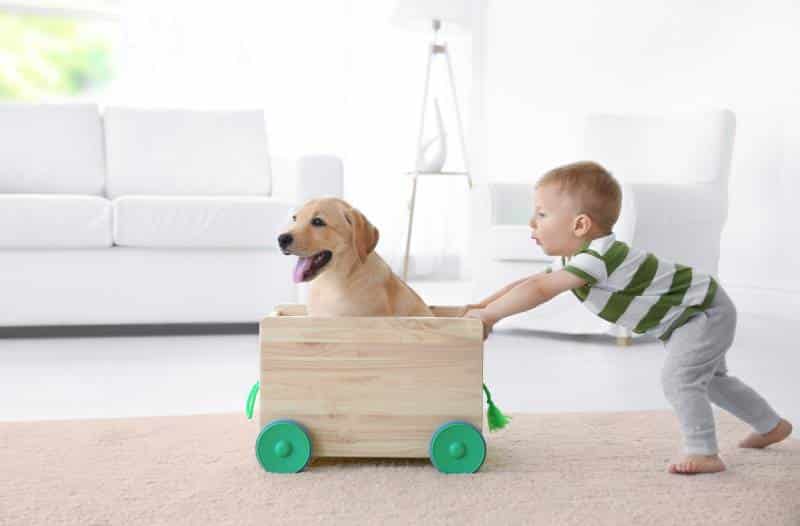
As with a history of aggression, your dog’s age can affect their openness to new training and behaviors, with older dogs generally being more challenging. Size also plays a significant role in many owners’ decisions to euthanize their dogs.
While a small toy dog is easy to control for most individuals, a large dog can easily become out of control and therefore can be a lot more dangerous. Larger dogs can also inflict a lot more damage, making their management more important.
Considering Other Options
Before considering behavioral euthanasia, you may have an alternative path to limit your dog’s aggression or make it less problematic. Training with a veterinary behaviorist who specializes in aggressive dogs is ideal. They can prescribe medications that might help to manage your dog as well as implement a training strategy. The aim ultimately is to reduce your dog’s stress and recondition their responses to troubling stimuli.
Training and medications can allow aggressive dogs to reclaim their lives. The primary challenge is that it requires a substantial investment in time and money, as well as reasonable access to nearby services. If your situation makes professional help unfeasible, you may consider rehoming your dog or environmental management.
1. Rehoming
If you choose to rehome your dog, it is vital that their behavioral problems are communicated to the new owner with absolute transparency. This will ensure that the new owner knows what they are taking on and can keep everyone, including the dog, safe. Assessing the environment and thoroughly discussing your dog’s needs and challenges with the person adopting them will ensure they can avoid the risk and thrive in their new environment.
A dog may direct their aggression toward particular triggers, like other dogs or children. If children or other pets in the house are the targets, moving the dog to another home without those triggers could allow them to maintain a high quality of life.
Rehoming is rarely the best idea for a dog with extreme aggression. You don’t want to pass a liability issue to another person.

2. Environmental Management
Depending on the source of your dog’s aggression, changes in their environment may be all that’s necessary to keep them calm. For instance, resource-guarding behavior may only require you to separate your pets when they eat and ensure you keep enough supplies to satisfy everyone in the house. If they’re territorial or protective, you may have to limit who comes to the house and when your dog is allowed in different areas.
At a certain point, management can significantly upend your life and still not resolve the threat. A dog that is indiscriminately aggressive towards strangers or always reacts to erratic movements presents an ongoing risk without behavior modification.
You can walk your dog with a muzzle, take them out at off hours when you’re the only one on the street, or keep them confined to the home. But it only takes one open door to spell disaster if your dog gets out. Consider the worst-case scenario of your situation and whether you have the time, resources, and emotional stamina to take the necessary measures to ensure nobody will be at risk.
3. Talking to Your Vet or a Behavioral Specialist
Choosing to euthanize a dog comes with emotional turmoil and cognitive dissonance that can prolong the decision-making process and lead to guilt or regret. Before deciding, discuss the situation with your vet or a behavioral specialist. They can offer objective, experience-driven, and educated advice to help you discover the most practical and compassionate long-term solutions.
If you need to speak with a vet but can't get to one, head over to PangoVet. It's our online service where you can talk to a vet online and get the advice you need for your pet — all at an affordable price!
Final Thoughts
Putting down an aggressive dog can seem unfair. It’s crucial to remember responsible owners deserve grace and are not alone in this situation. Support groups exist for this circumstance, showing it can be the most considerate course of action despite the emotional toll.
Behavioral euthanasia is never an easy decision, but it is the most responsible one in certain cases. When you’ve thoroughly considered your dog’s behavior and your ability to manage it, you can feel better about making the best choice for your dog, family, and community.
Featured Image Credit: antoniodiaz, Shutterstock