Note: This article’s statistics come from third-party sources and do not represent the opinions of this website.
Pet obesity has skyrocketed in recent years, as many owners conflate food with love, causing them to feed their pets way too many treats, scraps, and kibble. Unfortunately, this is about as far from loving behavior as you can get. Obesity is terrible for pets, regardless of species, and it can lead to all manner of health issues.
While many people may realize this, few realize the true extent of the problem. We will take a better look at the obesity epidemic affecting our pets. After all, we can’t solve a problem before we understand it.

Top 10 Pet Obesity Statistics
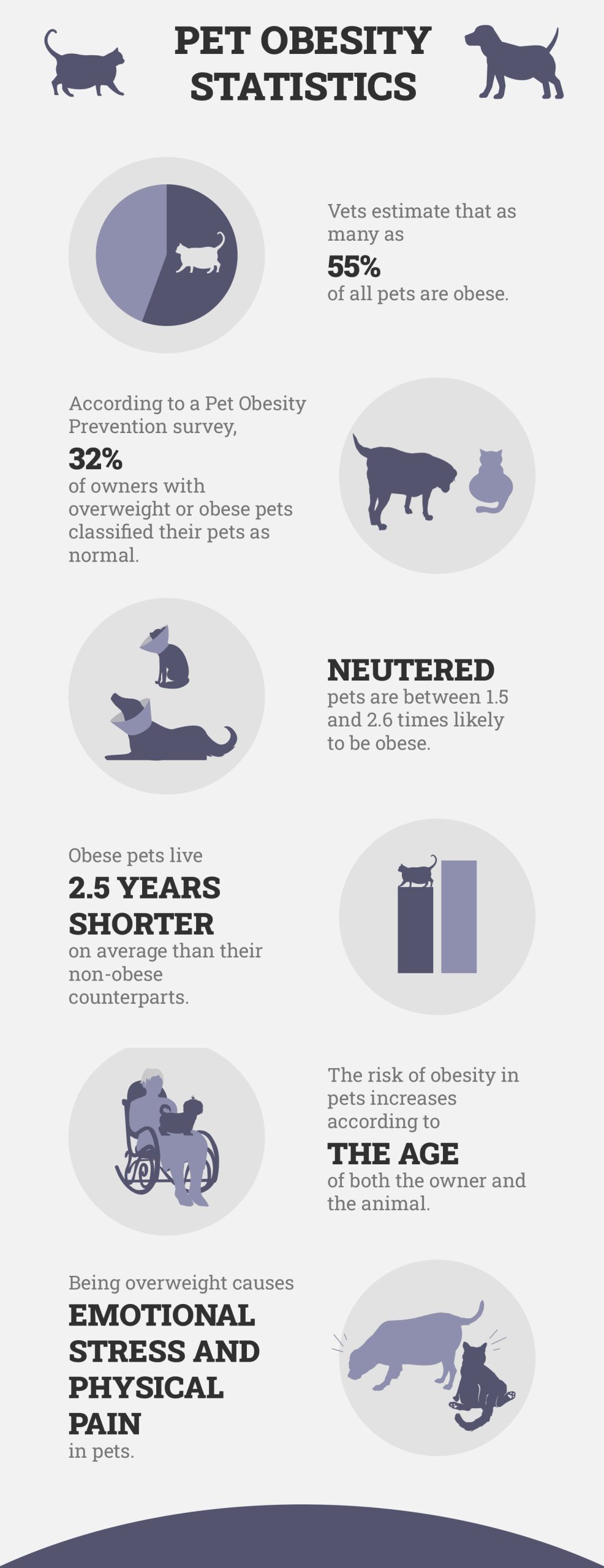
- Around 22% of dogs and 33% of cats in the US are classified as obese.
- According to a Pet Obesity Prevention survey, 32% of owners with overweight or obese pets classified their pets as normal.
- Being overweight can reduce a dog’s lifespan by up to 2.5 years.
- The obesity epidemic is also affecting pets in developing nations, with around 44% of all canines in China being classified as obese.
- Neutered dogs are between 1.5 and 2.6 times more likely to become overweight or obese than intact dogs.
- The risk of obesity in pets increases according to the age of both the owner and the animal.
- Overweight owners are more likely to have overweight pets.
- Obese pets live 2.5 years shorter on average than their non-obese counterparts.
- Obesity is a major risk factor for several other diseases.
- Being overweight causes emotional stress and physical pain in pets.
The Obesity Epidemic at a Glance
1. Around 22% of dogs and 33% of cats in the US are classified as obese.
(Pet Obesity Prevention)
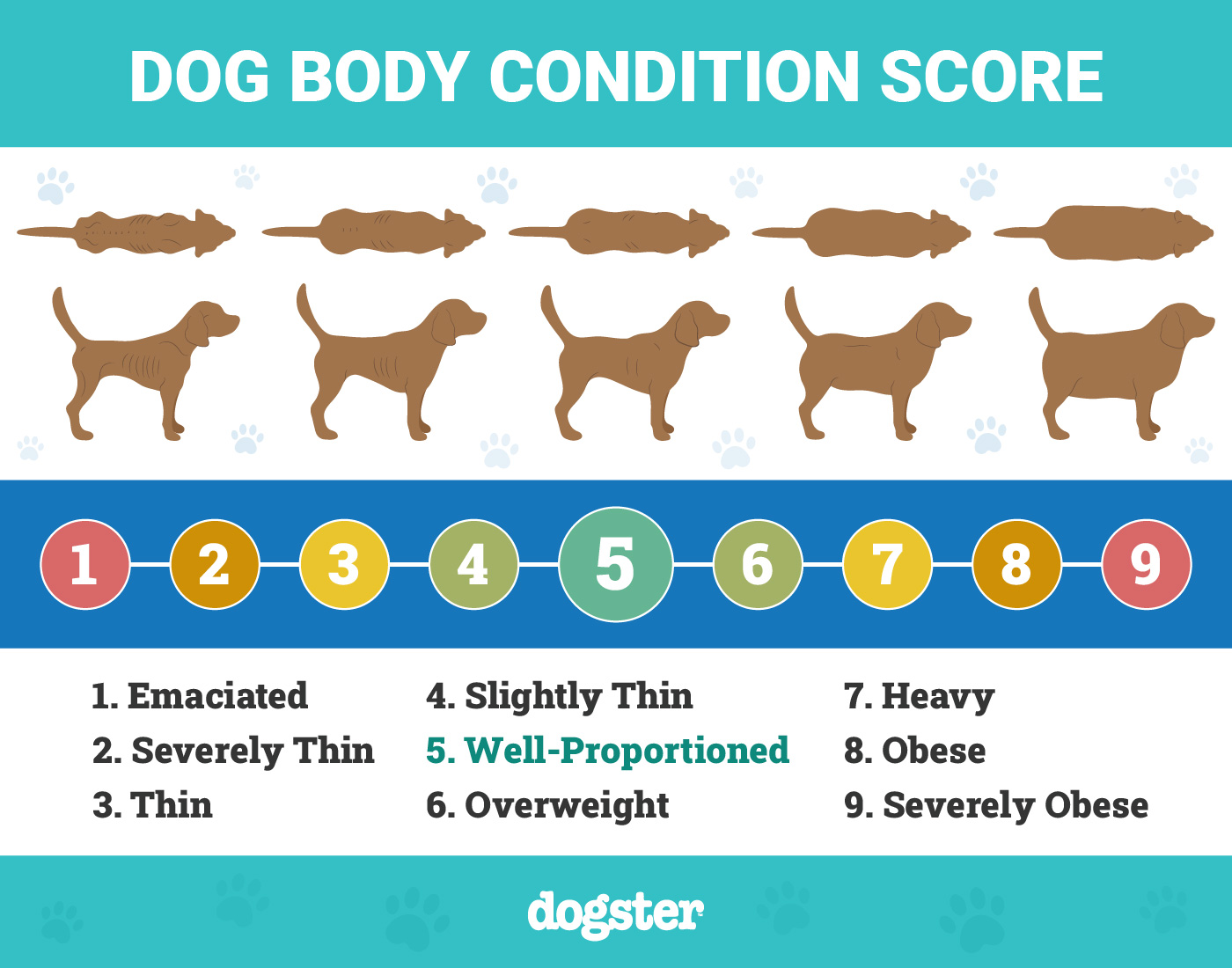
Pets are classified as obese when they have a Body Condition Score of 8–9, which accounts for 22% of dogs and 33% of cats. This is an increase from past years, which is a worrying statistic. When we consider the number of pets that are overweight or obese, with a Body Condition Score of 6–9, this number increases to 59% of dogs and 61% of cats.
Obesity can cause a variety of other health issues for our pets, and keeping them at a healthy weight is essential for their overall health and longevity.

2. According to a Pet Obesity Prevention survey, 32% of owners with overweight or obese pets classified their pets as normal.
(Pet Obesity Prevention)
Unfortunately, many owners with overweight or obese pets do not realize this is the case. These owners classified pets as normal or ideal when a vet’s assessment classified them as overweight or obese. Additionally, a whopping 9% of owners with obese pets thought their pets were in normal condition.
3. Being overweight can reduce a dog’s lifespan by up to 2.5 years.
(Journal of Veterinary Internal Medicine)
It has always been fairly well known that large, heavy dogs have a shorter lifespan than lean dogs. Most timelines varied between 6 and 12 months. But a large, lifetime study of Labrador Retrievers found that being even moderately overweight can reduce a dog’s life expectancy by up to 2.5 years compared to leaner dogs.
This drives home the fact that keeping your dog at a proper weight is vital to their health.
4. The obesity epidemic is also affecting pets in developing nations, with 44% of all canines in China being classified as obese.
(Preventive Veterinary Medicine)
When many people think about obese pets, they assume that it’s the ultimate first-world problem. However, the numbers in China have shown that pets in developing countries are just as likely to be dangerously overweight as any other companion animal.
The reasons for pet obesity in developing nations haven’t been thoroughly studied, but at first glance, they seem to be the same reasons that cause pet obesity everywhere: too much food and not enough exercise.

Risk Factors Affecting Obesity
5. Neutered dogs are between 1.5 and 2.6 times more likely to become overweight or obese than intact dogs.
(Banfield Pet Hospital)
Males are more at risk of becoming overweight or obese after being neutered than females, but there is still a higher risk for females than intact females. Studies have shown that males are 2.62 times more likely to become overweight or obese than intact males, and females are 1.53 times more likely.
This is not to say that owners should not neuter their dogs for fear of them gaining weight, but simply that once a dog has been neutered, it’s important to monitor a dog’s exercise and calorie intake carefully.
6. The risk of obesity in pets increases according to the age of both the owner and the animal.
(World Small Animal Veterinary Association)
This one seems easy to understand. As animals age, they’re less active, so if you feed them the same amount that you always have, that unused energy will be converted to fat. It’s important to watch your pet’s waistline as they age and don’t be afraid to lower the number of calories you give them if you notice that they are starting to get a bit overweight.
Likewise, older owners are less likely to exercise their dogs. A sedentary lifestyle—especially if it’s a pampered one—is a recipe for a fat animal, so if you’re not up to exercising your pet, you might want to consider outsourcing the operation.

7. Overweight owners are more likely to have overweight pets.
(Frontiers in Veterinary Science)
This fact seems quite cut and dry. Like the elderly, obese owners are less likely to spend time exercising their pets. They’re also less likely to eat healthy, and if they share scraps with their pets, those animals will see their weight increase too.
The good news is that owning a pet is a great way to inspire yourself to lose weight. Going for walks with a companion animal will be wonderful for both of you, and it’s easier to eat healthy when you have a buddy that’s doing the same.
Dangers of Obesity
8. Obese pets live 2.5 years shorter on average than their non-obese counterparts.
(Banfield Pet Hospital)
The exact link between obesity and shortened lifespans in pets isn’t clear, but the ultimate fact of the matter is that overweight pets don’t live as long as their leaner counterparts. Being obese can shave 2.5 years off your pet’s life, and since these animals don’t live that long, to begin with, that’s quite the sacrifice.
If you want to maximize the amount of time that you get to spend with your pet, the science is clear: Keep their weight at a healthy, manageable level. To do otherwise is likely to condemn them to an early grave.
9. Obesity is a major risk factor for several other diseases.
(VCA Hospitals)
Carrying too much extra weight won’t just reduce your pet’s lifespan but it will diminish their quality of life, too. Here are just a few of the diseases that have been linked to obesity in pets:
- Cancer
- Inflammation
- Arthritis
- Diabetes
- High blood pressure
- Kidney disease
- Respiratory disease
That’s only a partial list. A comprehensive look would take more space than we have here. If the possibility of spending more time with your pet isn’t enough to convince you to put them on a diet, perhaps increasing the quality of your years together will be.

10. Being overweight causes emotional stress and physical pain in pets.
(The Veterinary Journal)
You may not realize it, but an overweight pet isn’t happy. Sure, they may be delighted to receive a treat or a table scrap, but the cumulative effect of all those excess pounds can put a real damper on their enthusiasm for life.
According to one study, scores measuring vitality, levels of emotional disturbance, anxiety, and pain were all negatively affected by carrying excess weight. Your pet’s quality of life drops dramatically as their waistline expands.
The good news is that those scores can all improve if the animal loses weight, so there is hope.
Frequently Asked Questions About Pet Obesity
How Can I Tell if My Pet Is Overweight?
This is a tricky question. For one thing, despite the devastating consequences that obesity can have on our pets, there isn’t a formal recognition of obesity as a disease in the veterinary world. That means two experts can disagree on whether an animal is overweight without either of them being objectively wrong.
Also, many vets are afraid to tell owners that their pets are overweight. This can be due to fear of an angry reprisal, as an animal’s weight can be a touchy subject with their owner, or it can be due to fear of losing the owner as a client.
Still, the best way to determine if your pet needs to lose weight is to ask a vet. If you’d like to get a better idea on your own, eyeball their body shape. They should have a clearly defined waist, and their ribs should be easy to feel without being clearly visible.
How Much Should I Feed My Pet to Prevent Them From Becoming Obese?
Unfortunately, we can’t give you a cookie-cutter answer to this question. The answer will depend on a host of variables, including their species and breed, age, and activity level.
Your best bet is to ask a vet what they recommend. You can also read the instructions on the food that you serve; many foods will include recommended measurements (usually by age) on the bag or container somewhere. A vet can work with you to create the best meal plan for your pet.
If you need to speak with a vet but can't get to one, head over to PangoVet. It's our online service where you can talk to a vet online and get the personalized advice you need for your pet — all at an affordable price!

How Much Exercise Does My Pet Need?
It’s impossible to give a blanket answer to this question. That will depend on their age, overall health, and more. Talk to a vet to see what they recommend.
As a general rule, though, you should aim for at least a 1/2 hour of physical activity per day. That number could go up dramatically if you have an energetic dog breed, for example, or down if you have a pet that doesn’t need much exercise at all.
Rather than focus on the amount of time that your pet exercises, though, it may be a good idea to focus on providing them with the right type of exercise. Pick something that your pet likes to do and that won’t be too hard on their body. If they have existing health issues, take those into account.

How Much Weight Can My Pet Safely Lose?
This will depend on the pet, but keep in mind that weight loss should be a gradual process—you don’t want them dropping 20 pounds in a month or anything like that.
Instead, a good guideline for a dog is to lose 1%–3% of their weight in a month, whereas a cat should be able to lose 0.5%–2% every month. For smaller pets, ask a vet; the number should still be expressed as a percentage, so don’t expect massive changes from one month to the next.
Whatever you do, don’t put your pet on a crash diet, as losing too much weight too fast can be life-threatening. Most successful diets are “step plans” that involve gradually reducing how much food you serve your pet over a number of months. (Anti-cruelty.org)
Becoming obese was likely a long process for your pet; recovering from that obesity will take time too.
Is There Ever a Time When an Obese Pet Shouldn’t Be Put on a Diet?
Yes. There are times when a calorie-restrictive diet should be avoided. These include pets suffering from certain illnesses (like cancer, renal disease, or cardiac dysfunction) or pets that are pregnant or nursing.
These animals likely need all the nutrients that they can get, so treating their obesity will likely have to wait until their other issues are resolved.
As always, talk to a vet before doing anything drastic in regard to your pet’s health. Their doctor will be able to tell you whether a diet is necessary and if so, the best way to go about doing it.
Conclusion
Obesity is a major problem facing today’s pets, both in America and around the world. Unfortunately, the problem only seems to be getting worse, so major effort is needed to turn the epidemic around.
As an individual, there may not be much that you can do for the millions of overweight pets around the world, but you can do your part by taking care of the animals that you have at home. Take care to ensure that they stay at a healthy weight, and be sure to provide them with a nutritious diet and plenty of exercise.
After all, if everyone follows your lead, the pet obesity crisis could be over just as quickly as it began.
See Also:
- Australia Pet Obesity Statistics to Know (Dogs, Cats, & Other Pets)
- My Puppy Is Overweight: 5 Vet-Approved Tips on What to Do
Featured Image Credit: Boryana Manzurova, Shutterstock