As a new Labradoodle owner, nothing is more off-putting than a foul odor from your dog. Sure, all breeds may give off a unique odor, but some Labradoodles can be more susceptible to some smells than other breeds.
However, the smell can be mild and not too overwhelming or offensive as far as stinky dogs go. Read on to learn why Labradoodles might stink and what you can do to ensure your dog always remains clean and fresh.
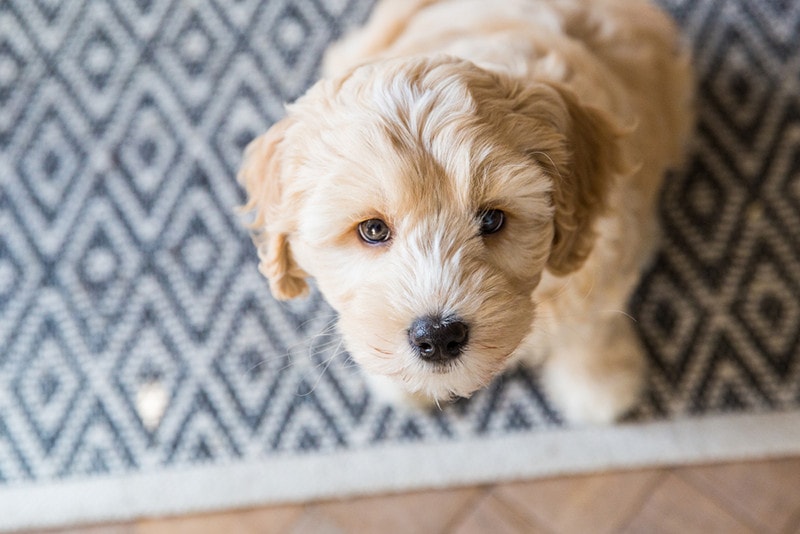
Why Do Labradoodles Smell?
Labradoodles might smell more than other dogs because they have coat characteristics that make them more pungent. Moreover, they love spending time outdoors, thus increasing their likelihood of allergies and infections, which might make them stink more.
Besides their active lifestyle, there are several other reasons why a Labradoodle might smell, as seen below.
1. Ear Infections
Generally, all Doodles are susceptible to ear infections due to their Poodle lineage. Poodles have internal ear hair, which can easily block airflow, thus causing moisture and bacteria to build up in the canal. If it accumulates for a while, it can cause ear infections and emit a nasty smell inside your Labradoodle’s ear canal.
Not only that, but Labradoodles also have floppy ears that are more likely to trap grease, dirt, and other unwanted debris inside. Fortunately, you can prevent this issue by regularly cleaning your Labradoodles ears.
Image Credit: Justin Sienkiewicz, Shutterstock
2. Allergies
Labradoodles can also be stinky due to allergic reactions from a new diet, new dog shampoo, or an extreme reaction to a flea infestation. Since fleas are most active during the summer, you should groom and pay close attention to your dog’s coat as you check for fleas. These notorious pets are known to latch onto dogs, and once their bodily fluids get into the Labradoodle’s bloodstream, your dog can have an allergic reaction from the infection.
You can tell that your Labradoodle suffers from a flea allergic reaction if you notice excessive swelling, itching, and irritation in the affected areas.
3. Dental Issues
Generally, all dogs are susceptible to bad breath. Foul breath due to dental issues is often a result of plaque buildup and bacteria getting trapped in the gums. Thankfully, daily brushing can prevent plaque from accumulating.
But if the plaque progresses into tartar or calculus, your dog will need a professional cleaning from a vet. However, you can prevent foul breath and other dental issues by brushing your dog’s teeth and providing chew toys or dental treats.
Image Credit: sophiecat, Shutterstock
4. Gas From Diet
Another common culprit for a bad odor emanating from your dog is gas, which is often associated with the dog’s diet. If your dog is gassy for an extended period or frequently passes foul-smelling gas, it is a sign that you need to change their diet.
A vet can help you develop a healthy diet for your pup and examine them to determine why they’re gassy.
If you need to speak with a vet but can't get to one, head over to PangoVet. It's our online service where you can talk to a vet online and get the personalized advice you need for your pet — all at an affordable price!
If you notice a strong and fishy smell, it is not normal and is probably due to issues in the anal glands. If your Labradoodle is experiencing issues with their anal glands, they might appear to be in pain while sitting down, have swelling in the affected area, or even attempt to bite or lick their behind.
6. Dirty Coat
While this may seem like an obvious cause for any dog’s stinky nature, it is more pronounced in Labradoodles because they are notorious for spending most of their time rolling around in muddy water and getting dirty.
If the foul odor comes from your dog’s coat, you will notice the wet dog smell. This simply means your dog got into something foul-smelling, or their coat is not yet dry enough.
In any case, you can get rid of the foul smell by bathing your Labradoodle and performing basic grooming practices.
Image Credit: Chedko, Shutterstock
How to Prevent or Stop Your Labradoodle From Smelling
To successfully prevent and eliminate the pungent smell in your Labradoodle, you first have to determine the root cause of the problem. If the smell arises from medical issues, it is pertinent that you take your dog to the vet for further analysis.
Otherwise, there are several things that you can do at home to prevent it. They include:
Proper Grooming Practices
Grooming is undoubtedly the easiest way to get rid of the pungent smell from a dog, and it will go a long way toward preventing the odor in the future. Proper grooming techniques for the Labradoodle involve brushing their coat with a high-quality brush to remove debris and mats.
After brushing, consider giving your dog regular baths. While some dog owners bathe their dogs once or twice a year, experts recommend you give them a good wash every month or so. Sure, some dogs may not enjoy being bathed, but most eventually become comfortable with the process.
After bathing your dog, make sure you dry their coat completely. Using a soft towel is ideal, but you can also use a hair dryer on the low setting if your dog tolerates it.
Image By: Olena Yakobchuk, Shutterstock
Air Fresheners
Once your dog is groomed and your house is clean, you can use an air freshener to remove any lingering odors. You can also use an air purifier to clean the air and remove harmful particulates.
Clean Your Dog’s Favorite Areas in Your House
Once you have finished grooming, you can proceed to post-grooming practices such as house cleaning. It’s best to vacuum or sweep your house to remove any leftover hair from the initial grooming.
Even though some dog owners might underestimate the overall value of regular hair removal and vacuuming, if combined with daily grooming practices, it will go a long way toward keeping your dog and your home odor-free.
Image By: cottonbro studio, Pexels
Conclusion
Labradoodles are considered mildly aromatic because the odor is not as offensive and pungent as you might find in some breeds. However, they might smell more than usual because the owner has not been keeping up with the dog’s grooming requirements or due to underlying health issues like dental problems, ear infections, and even problems in the anal glands.
Thankfully, a vet can treat the medical issues. You can also prevent and eliminate the foul odor by cleaning your house, utilizing air fresheners, and keeping up with your dog’s grooming needs.
Nicole has loved animals of all sizes her whole life so it's no wonder she has dedicated her career to helping them through what she loves best: learning, writing, and sharing knowledge with others. She’s the proud mom of two dogs, a cat, and a human. With a degree in Education and 15+ years of writing experience, Nicole wants to help pet parents and pets around the planet to live happy, safe, and healthy lives.
Pet owners are putting more effort into their pets, including choosing high-quality pet foods to help them live long and happy lives. With many dog foods on the market, choosing the best one can be overwhelming. Fortunately, just a little...
Review Summary A new puppy can bring a lot of excitement into your life! Along with the adorable pictures and play, there are some tough questions, like what you will be feeding your new bundle of fur. If you are...
There are so many different types of dog foods on the market. From “grain-free” to “holistic” to “human-grade,” how do you choose the best one for your canine pal? Many marketing terms are used on dog food labels nowadays, and...
There are different aspects to consider when looking at food for your dog. There is your dog’s specific daily nutrition needs to consider, which are all determined by its breed, age, and any ailments it may be suffering from. When...
Review Summary Have you been looking for a better way to train your canine companion? If so, you may want to invest in a treat dispenser of some kind, like the Pet Tutor Mini Feeder. This dispenser can help you...
Greyhounds might not be the most popular breed, but they have a loyal following of enthusiasts who appreciate the dogs’ unique characteristics, particularly their speed. As you may expect, this pup is high energy with equally demanding exercise needs. It’s...
Chicken is the most popular protein in most American homes, thanks to its overall low cost and high nutritional value. Some people find even more value in their chicken by purchasing cheaper cuts of meat, like thighs or entire chickens....
Stay informed with expert pet care insights delivered straight to your inbox! Discover professional guidance on animal behavior, feeding tips, trusted product picks, and much more.
You may opt-out at any time. View our Privacy Policy for more information.
Sign up for the Dogster Email Newsletter
You may opt-out at any time. View our Privacy Policy for more information.
You may opt-out at any time. View our Privacy Policy for more information.





 Why Do Labradoodles Smell?