Get

In Your Inbox

Dogster is reader-supported. When you buy via links on our site, we may earn an affiliate commission at no cost to you. Learn more.

What Is Crude Fiber in Dog Food? Vet-Verified Nutrition Facts & FAQ

Share

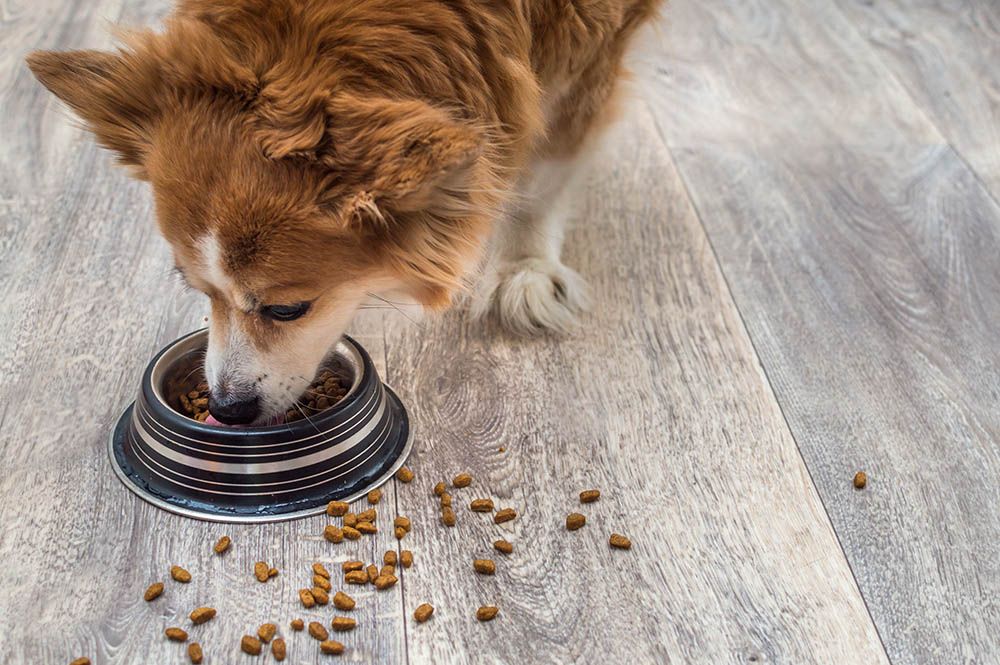
Ginger dog eating

Finding good dog food can certainly be an uphill battle in many ways. Whether the problem is finding food that has the right nutritional components or if you have a picky dog who may not want to eat food, it can be challenging! Understanding all the jargon printed on the nutrition label presents another layer of difficulty.

While “crude fiber” might sound menacing to some, it is perfectly safe and healthy for dogs. It reflects a measure of a food’s amount of fiber. “Crude” suggests that the value was obtained through chemical analysis; it does not indicate that the food is low quality, dangerous, or anything negative.

Fiber is typically composed of the indigestible portions of plant materials. It helps maintain gut health and aid digestion. Keep reading to learn everything you need about fiber content in your dog’s food!

What Is Fiber?

Fiber is an undigestible compound found in plant maters. Typically, fiber is seen as the parts of the plant material that cannot be digested by a dog. It is critical for gut health and stability. It’s beneficial for dogs with difficulties expressing their anal glands or those with loose or runny stools.

There are two main types of dietary fiber, soluble and insoluble. Soluble fiber acts like a sponge soaking up moisture. In this case, it attracts water to form a gel around the ingesta and slows digestion. Insoluble fiber helps balance the GI transit time by speeding digestion.

The amount of fiber needed in a diet varies from dog to dog. It helps keep their gastrointestinal tract healthy. Dogs who have persistent issues with digestion or anal gland blockages can be started on a high-fiber diet to improve these conditions.

Fiber sometimes gets a misnomer as a “filler” ingredient. But fiber is far from a filler ingredient, as most animals must promote healthy digestion. Most natural sources of fibers are carbohydrates. So, if your dog needs a low-carb diet, that will be a lower-than-average fiber diet by default, unless fiber sources are added to the formula.

freeze dried dog food in a bowl
Image By: Anna Hoychuk, Shutterstock

Where Does Fiber Come From?

Fiber is primarily derived from the indigestible plant materials that come along with the more digestible nutrients. Assuming your dog eats some amount of plant material—most animals do. Even carnivores eat the contents of their prey’s stomach, which are often composed of various plants and grains.

What Are There Benefits of Fiber in Dog Food?

Fiber promotes healthy digestion in several ways. Fiber helps to regulate intestinal motility and digestion transit time. It bulks up the material in your dog’s digestive system, helping to give stool the right consistency. One of the most important characteristics of fiber is that it functions as a prebiotic, which means that while dogs can’t digest fiber, it is a food source for the beneficial bacteria in the dog’s digestive system. Fiber promotes the growth of beneficial gut bacterial colonies, and they in turn aid in healthy digestion and protect the dog’s health by preventing pathological bacteria from colonizing the gut. Beneficial gut bacteria play a very important role in your dog’s health. They support healthy digestion, nutrient assimilation, and immune protection.

Dog behind table with bowl full of dry food
Image By: alexei_tm, Shutterstock

Are There Risks to Low Fiber Diets?

Yes! While some dogs may need a low-fiber diet for health issues, this should only be employed if your veterinarian recommends it. Low-fiber diets in humans have been linked to conditions like chronic constipation, hemorrhoids, and even bowel cancer. So, it’s best to ensure that your dog meets all its nutritional needs, including fiber.

Dogster divider_v3_NEW_MAY_24_

Summary

Understanding nutritional labels isn’t easy! Most labels are so heavily obscured with jargon that it can seem nearly impossible to get your head around the information. Luckily, we are here to help demystify the jargon. You need not worry about the safety of “crude” fiber in your dog’s food.

See Also:


Featured Image Credit: Anastasiya Tsiasemnikava, Shutterstock

Want content like this delivered to you?

Sign Up For Our Newsletter

News, insights, expert advice, and everything dog

* By submitting, you agree to our Terms & Conditions and Privacy & Cookies Policy.


How useful was this post?

Click on a star to rate (you can leave written feedback after clicking submit)

Help us improve Dogster for pet parents!

Your feedback really matters.

What did you like about this post? Also how can we improve it?

Join the conversation

Leave a Reply

You’re very welcome to leave a comment or question. Please know that all comments must meet our community guidelines, and your email address will NOT be published. Let’s have a positive and constructive conversation.


Talk With A Vet Online

Peace of mind,
anywhere, anytime

Affordable vet advice

Marigold Shocks Her Owner By Delivering 17 Irish Doodle Puppies in a Single Day

The one question vets hate hearing as they ultrasound expectant canine mothers is “how many puppies are there?” The reason is that, on...

Dogster’s Weekly Photo Contest Winners: Out Adventuring (March 12, 2026)

Every week our team gets the privilege of sorting through our readers photos to choose what dogs will win this weeks contest! See...

Ask Dr. Paola- Help! My Dog Gets Reoccurring UTIs (March 9, 2026)

Welcome to our “Ask Dr. Paola” series, where every Monday we bring expert advice straight from Dr. Paola Cuevas (MVZ) to help our...

DIY Repellents for the Dog Who Thinks Everywhere Is His Toilet

Dog urine and everything nice have a complicated relationship. One thrives, the other suffers, and if you’re reading this, you already know which...

More related

Brusselranian Dog Breed: Info, Pictures, Care, & Facts

The Brusselranian is a mixed dog breed that combines the Brussels Griffon and the Pomeranian dog breeds. As with any mixed breed, it...

Are Labradors Smart Dogs? Canine Intelligence Explained

The Labrador Retriever, more commonly known as a “Lab,” is one of the most popular dogs worldwide, especially among families. This working breed...

My Dog’s Mouth Is Quivering, What’s Wrong? 6 Vet-Reviewed Causes

Mouth quivering isn’t a normal behavior in dogs, and it’s often a sign of an underlying medical issue. It can be a minor...

How to Stop a Dog From Barking at Noises: 7 Proven Ways

If you often find your dog barking at sounds and disturbances such as the doorbell, television, thunder, or seemingly nothing at all, you...

Keep reading

11 Best Lamb Dog Foods in 2026 – Reviews & Top Picks

These days, most dog owners are aware that many food allergies that affect our dogs come from common protein sources. In response, more dog food is being made with novel proteins, including lamb. Or maybe you’re looking at lamb for...

brown dog sniffing a dog food

What to Feed a Pregnant Dog: First, Second & Third Trimesters (Vet-Approved Guide)

Good news! Your dog is expecting puppies! This is an exciting time in any pet parent’s life. But it can also be overwhelming if this is your dog’s first litter. You want to make sure you are giving your dog...

Sausage dog pregnant laydown at the bed Dauchand

10 Best Dog Foods for Akitas in 2026: Reviews & Top Picks

Akitas are large, powerful dogs that require high-quality nutrition to help them maintain a healthy body weight and good muscle mass. The right food can make all the difference in your Akita’s health, but it can be confusing to know...

Akita puppies eating food_New Africa_Shutterstock

Coconut Oil Dog Treats: 7 Vet-Approved Homemade Recipes

Coconut oil seems to be a miracle cure and go-to for many things these days. This nutrient-dense ingredient can easily replace other less-healthy oils in meals, and we can even safely share this neutral, hypoallergenic substance with our canine counterparts....

beagle dog having treats

Regular vs Premium Dog Food: What’s the Difference? Vet Reviewed Facts

As consumers demand, manufacturers will supply. Consumers spoke throughout the early 2000s, asking for a more balanced diet for themselves and their pets. The market then exploded with trending phrases like “Premium,” Super Premium,” and “Ultra Premium.” The truth about...

Dogster_Regular vs Premium Dog Food

Can Dogs Have Balsamic Vinegar? Vet-Reviewed Facts You Should Know!

Balsamic vinegar is a delicious condiment that can be used in many types of cuisine in many ways. Whether it’s in dips and sauces or added to a marinade, it’s a tasty addition that adds a sweet “zing” to the...

Can Dogs Eat_balsamic vinegar

Acana Dog Food Review 2026: Pros, Cons, Recalls & FAQ

Acana is a unique company that produces dog food in Alberta, Canada, and Auburn, Kentucky. It manufactures dog food for the American market in Auburn and formulas for Canada and Europe in Alberta. Champion Pet Foods, Acana’s parent company, has...

Dogster_Acana Dog Food Review

10 Best Vet-Recommended Puppy Foods in 2026 – Reviews & Top Picks

We spend a lot of time thinking about feeding ourselves and our families, and it’s easy—find a recipe, order takeout, or sign up for home delivery, and mostly, eat what tastes good! But how do you pick an all-important food...

Cocker Spaniel puppy eating

Love Dogs? So Do We! Join the Dogster Community

Stay informed with expert pet care insights delivered straight to your inbox! Discover professional guidance on animal behavior, feeding tips, trusted product picks, and much more.


Sign up for the Dogster Email Newsletter