Dachshund Grooming Guide: 13 Expert Tips

The Dachshund is one of the most popular breeds, and they are commonly kept as family pets nowadays rather than for hunting, which was their initial purpose. They are easily recognized for their long backs, short legs, and long ears, all of which were developed to help them get into setts and dens when chasing their prey.
Although they are more commonly kept as pets, Dachshunds do retain a lot of the characteristics that made them such good hunters. They are energetic, and they have a strong prey drive and a great sense of smell. They also enjoy digging and chasing around outdoors, which means they can get messy.
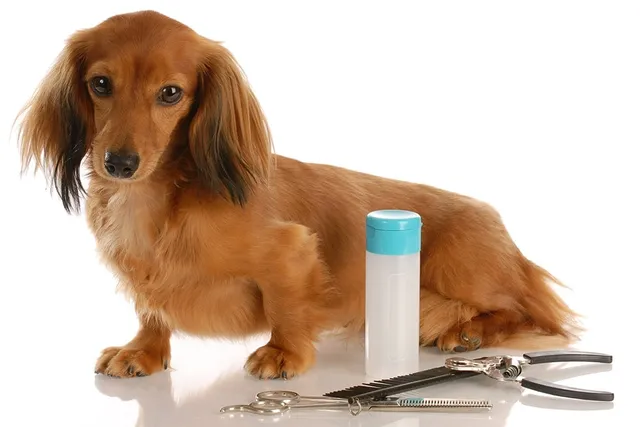
To help keep your Doxie clean and comfortable and to ensure their fur doesn’t get matted, you do need to offer some assistance with their grooming requirements.
All Dachshunds need some grooming, but the frequency and amount required depend primarily on the type of coat that your dog has. Short-haired Doxies require the least grooming, long-haired ones need more frequent brushing and trimming, and wire-haired ones need coat stripping.
Here are 13 tips to help ensure that you’re meeting your Dachshund’s grooming and maintenance requirements.

The 13 Easy Tips to Groom Your Dachshund
1. Start When They’re Young
Some dogs really dislike grooming, but if you start when your dog is young, they will get used to the process. Start with regular bathing, trim their coat when necessary, and brush their teeth several times a week. You will also need to trim your Weiner’s claws every few months.

2. Make Grooming a Positive Experience
Dogs can sense the stress of their owners, so if you’re worried about bathing or clipping claws, your sausage dog will pick up on this and be worried themselves. No matter how anxious you are, you need to stay positive and calm. You can also make the experience more positive for your dog by giving them plenty of attention and rewarding good and desirable behavior with healthy treats.
3. Elevate Your Dog
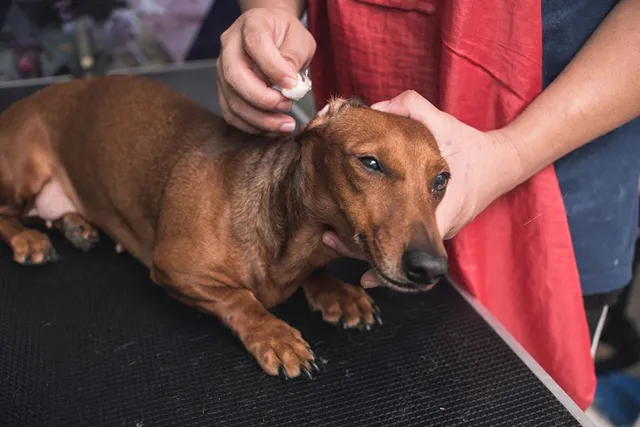
Ideally, you should have your dog on a table to be able to effectively and comfortably groom them. Otherwise, it can be difficult to get to claws and their bellies. The more you have to stretch and move into awkward positions, the more likely you are to accidentally do something wrong.
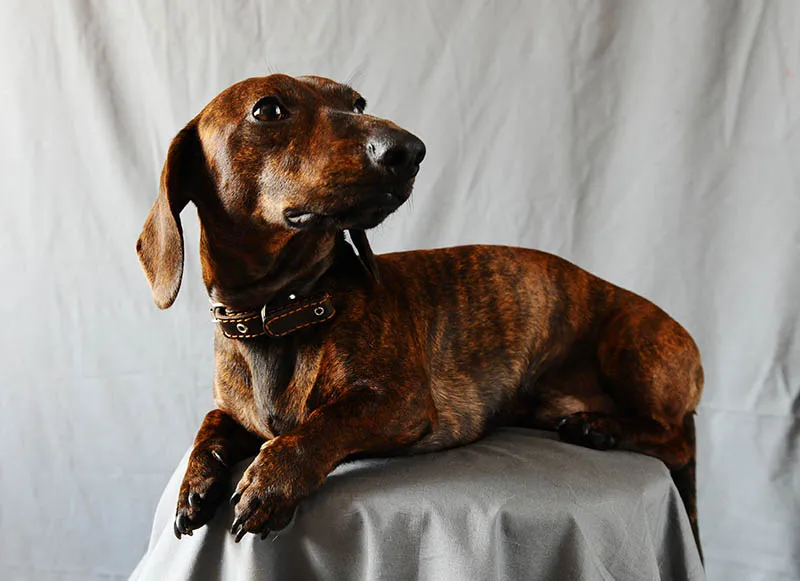
4. Brush a Smooth Dachshund Twice a Week
Smooth Dachshunds are the Dachshunds that most people think of when they imagine this breed. Their outer coat is short and sleek, so it doesn’t require much brushing. However, you should still brush it twice a week for your dog's comfort. It won’t take long to brush your pup from nose to claw.
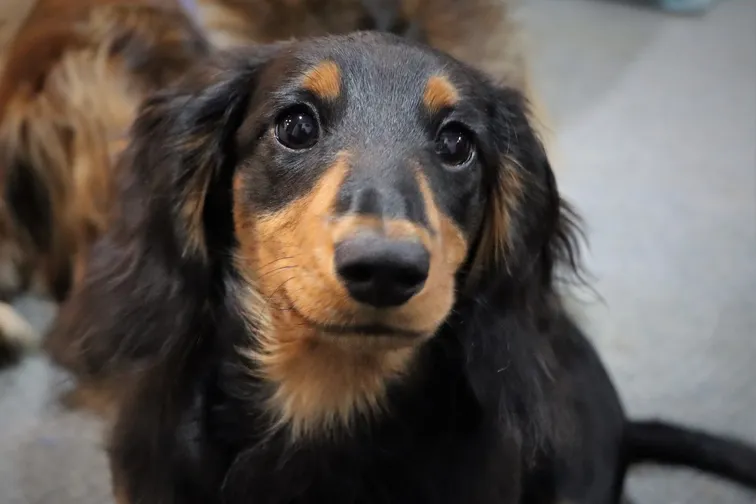
5. Brush a Long-Haired Dachshund Every Day
A long-haired Dachshund has a substantially longer outer coat than the other varieties, and it can get matted and messy. You should be prepared to brush the coat every day or every 2 days at the very least.
Brushing not only removes knots but also helps spread natural oils. It can build and maintain a close bond between the two of you too.
6. Strip a Wire-Haired Dachshund Twice a Year
Wire-haired Dachshunds have brittle hair. It can be difficult to brush, and it will shed heavily during the shedding season. Brush your dog three or four times a week. Regular brushing will make the coat easier to manage.
Stripping the coat, which is typically performed using a stripping knife, gets rid of dead fur and prevents mats. Some wire-haired Dachshunds do not require stripping at all. The process manages the undercoat of the dog. Pin-haired Dachshunds do not have an undercoat, so there is no need to strip the coat. You should talk to your vet and groomer to see if your dog needs this done.
7. Bathe Your Dachshund Every 3–6 Months
The breed loves to get outside and naturally likes to dig, and since they're so close to the floor, they can easily get dirty. As such, you will need to bathe them.
Generally, you should bathe your Doxie every 3–6 months. If you leave it any longer than this, the coat might get damaged and may start to smell.

8. Don’t Bathe Them Too Often
Bathing regularly is a good idea, but bathing too often can deplete your Dachshund’s store of natural oils. These not only keep the coat looking healthy but also help moisturize the skin, so bathing too often can lead to poor coat condition and skin complaints. Don’t bathe them more often than every 3 months.
Keeping your dog clean doesn't have to mean giving them a full bath. The Hepper Waterless No Rinse Shampoo and Wash Wipes are great waterless products to keep on hand for in-between baths. They're specially formulated to be safe for dogs of all ages, sizes, and breeds. The hypoallergenic formulas contains natural, moisturizing ingredients that effectively remove dirt without irritating your dog's skin.
| Image | Product | Details | |
|---|---|---|---|

|
Hepper No-Rinse Pet Shampoo |
|
Check Price |

|
Hepper Wash Wipes |
|
Check Price |
At Dogster, we've admired Hepper for many years, and decided to take a controlling ownership interest so that we could benefit from the outstanding designs of this cool pet company!
9. Clean Tear Stains
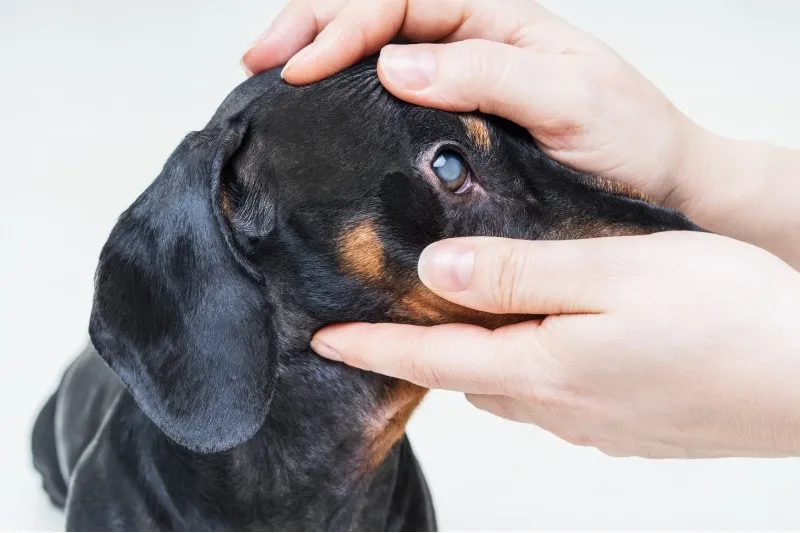
Especially common in the short-haired variant of the breed, epiphora causes tear stains around the eyes. If your dog is especially plagued by the problem, you may need to wipe the tears away every day.
If the tears are still moist, you may be able to wipe them with a cloth. Otherwise, you will need to use a special cleaning solution to safely and comfortably remove them.
10. Use the Right Ear Cleaner
A Dachshund’s ears are long. This helped prevent dirt and soil from getting into their ears while this hunting dog was digging in badger dens. However, if dirt does get in, it can sit in the ears and eventually cause infection or other complaints.
Don’t use a damp cloth to wipe your Doxie's ears. Instead, use a cleaning solution that has its own drying agent. A damp cloth may make matters worse.
11. Brush Teeth at Least Three Times a Week
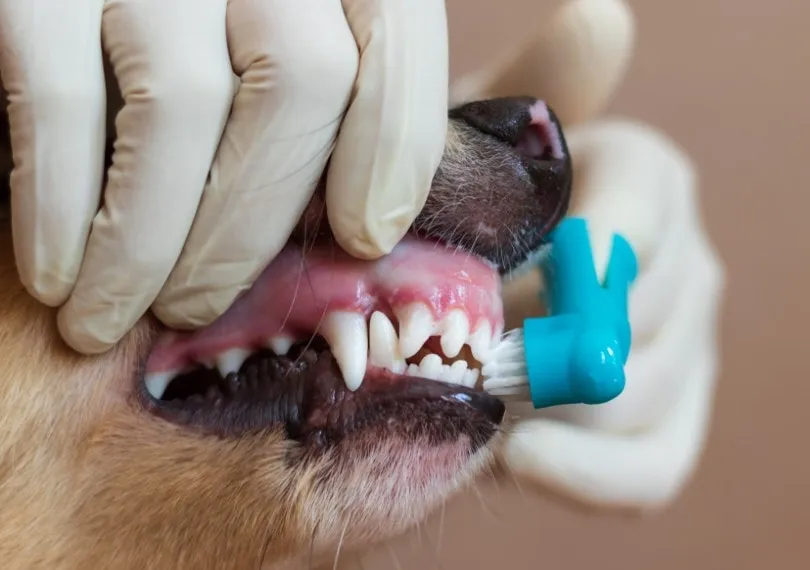
Dogs do a lot of grooming themselves, but they can’t brush their own teeth. Get a canine toothbrush and toothpaste, and brush your dog’s teeth at least three times a week. Some owners brush as frequently as daily, as this helps prevent tartar and plaque build-up.
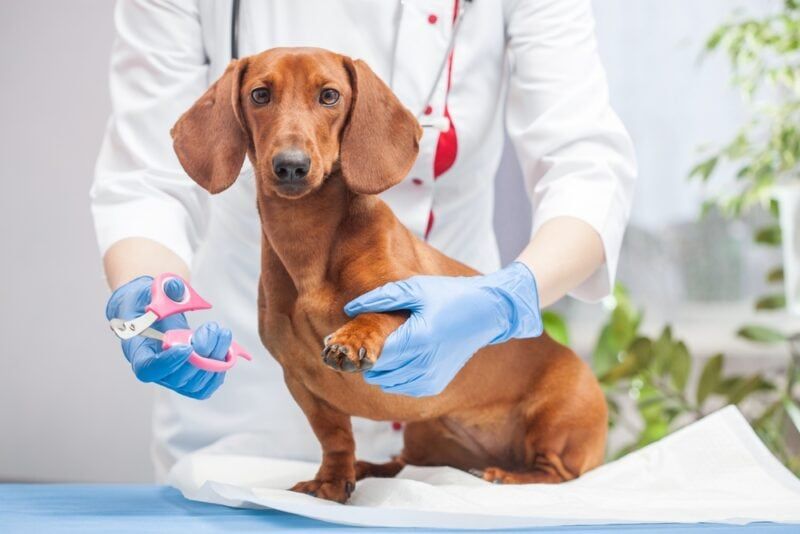
12. Clip Nails Every 2–3 Months
Another grooming ritual that your pup cannot manage on their own is claw or nail trimming. Your dog’s claws continuously grow, and while they might wear down a little by running on concrete or other abrasive surfaces, you will likely still have to get the scissors or clippers out and give them a trim. As a general rule, if you can hear your dog’s claws when they walk on a wooden or laminate floor, they need trimming.
13. When in Doubt, Visit the Groomer
Some owners and dogs find regular grooming to be an anxiety-inducing and difficult affair, and owners with mobility problems can find it difficult to properly maintain their Dachshunds even if they're mentally up to the task. A professional groomer can do everything from brushing and bathing to clipping and tooth brushing.
If you aren’t able to groom your Dachshund, enlist the help of a professional. You can also brush and do light maintenance between visits so you don’t have to pay for grooming services every month.

Final Thoughts
The Dachshund is an incredibly popular breed. Although originally developed as a hunting dog that chased badgers down into their setts, you are as likely to find this breed burrowing in the sofa.
One of the ways that you can help look after your Doxie is through regular grooming, which includes trimming the coat, cutting the nails, brushing the teeth, and brushing and bathing the fur. Start when they're young, stay patient, and groom your pup according to the length of their coat.
Featured Image Credit: titov dmitriy, Shutterstock
Expert dog care, straight to your inbox
News, insights, expert advice, and everything dog.

No spam — unsubscribe anytime.
By signing up, you agree to our Terms & Conditions and Privacy & Cookies Policy.
How useful was this post?
Click a star to rate. You can leave written feedback afterwards. (We read all feedback.)
Nicole has loved animals of all sizes her whole life so it's no wonder she has dedicated her career to helping them through what she loves best: learning, writing, and sharing knowledge with others. She’s the proud mom of two dogs, a cat, and a human. With a degree in Education and 15+ years of writing experience, Nicole wants to help pet parents and pets around the planet to live happy, safe, and healthy lives.