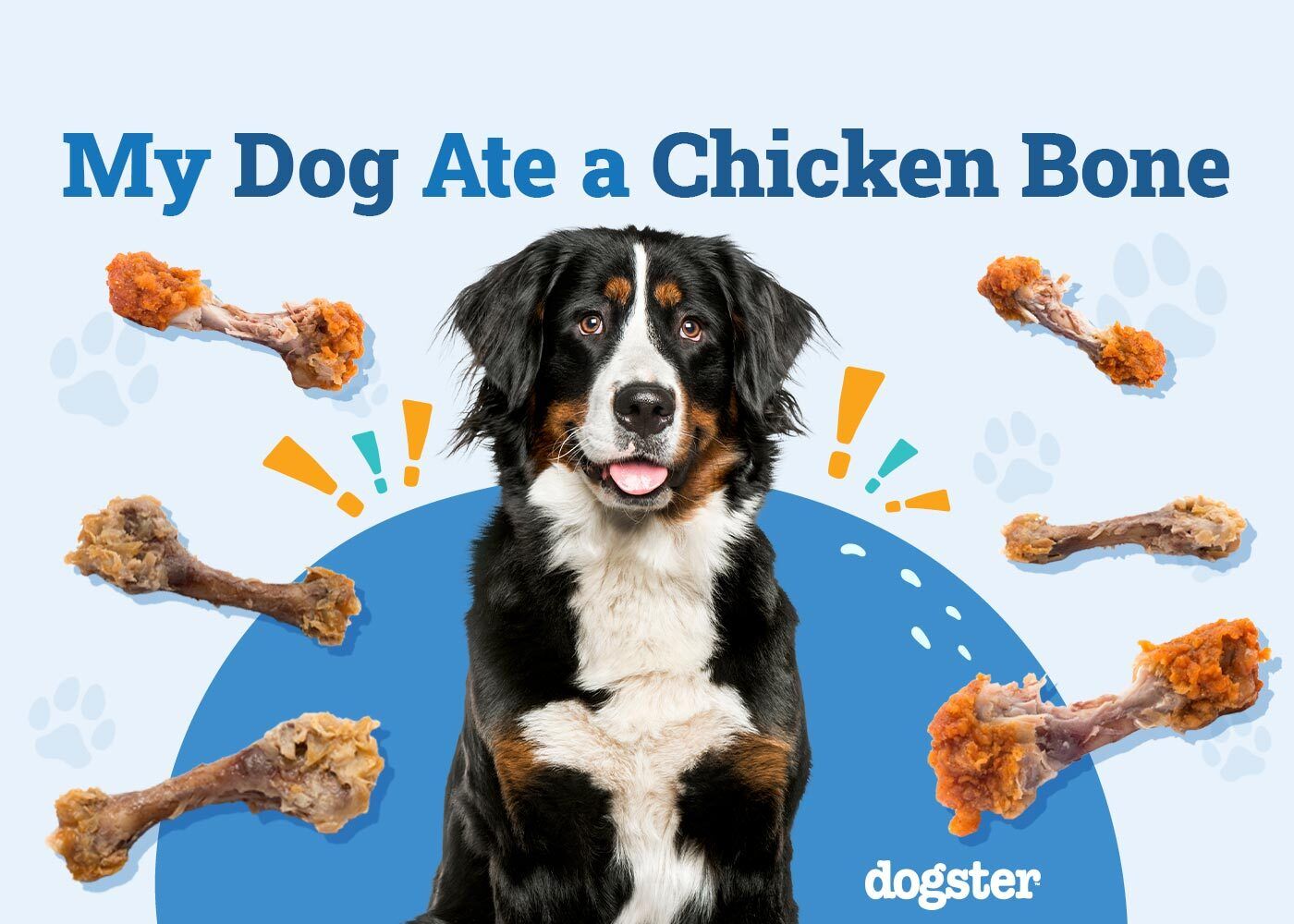
My Dog Ate a Chicken Bone, What Do I Do? (Vet Answer)

In this article
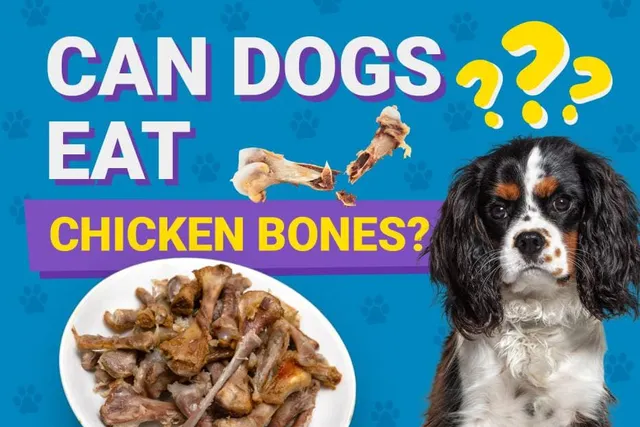
You may have been warned about the dangers of dogs eating chicken bones, and with good reason. Eating a chicken bone can be dangerous for a dog. So, whether your dog gulped down a chicken bone without chewing or if they crunched it up, contact your veterinarian immediately. Chicken bones will usually dissolve without incident once they hit the strong stomach acid, but other times, they can cause many potential issues. Read on to learn more about this scenario.

Signs Your Dog Ate a Chicken Bone
If your dog just helped themselves to your barbecued drumsticks or they went through the trash for last night's chicken wings, the most immediate danger to your dog is choking. If you notice your dog in distress, get them to the vet right away.
Signs of distress include:
If your dog seems otherwise fine after eating a chicken bone, still consult your vet. They will be able to determine if you should bring your pup in right away or safely monitor them at home for any additional signs. The route your vet decides to take will often depend on the size of your dog, the size of the chicken bones, and how many you think they ate.
If your vet has you pump the brakes and monitor at home, watch for signs of digestive upset, including:
- Vomiting
- Diarrhea
- Loss of appetite
- Stomach pain
- Bloody feces
- Lethargy
- Straining to defecate
Any of these signs could indicate that the bones have caused issues with digestion, including obstruction or perforation. Your dog may also develop some digestive upset from the fat, seasonings, or sauces associated with the chicken bone.
What to Do
1. Stay Calm
The worst thing you can do in a situation like this is panic. Dogs can pick up on your stress, which might make them more anxious or agitated. Take a deep breath and consider the situation carefully before taking any action. A calm approach will help you make better decisions and prevent unnecessary distress for your pup. If you feel overwhelmed, the best thing you can do is call a vet for professional advice.

2. Check for Immediate Signs of Distress
Look for choking, excessive drooling, coughing, pawing at the mouth, or difficulty breathing. If your dog is choking, they may paw at their mouth, gag, or have difficulty breathing. Excessive drooling or gagging could indicate a blockage. If they show any of these signs, contact a vet immediately.
3. Monitor Your Dog Closely
Watch for signs of distress like vomiting, lethargy, reduced appetite, bloating, diarrhea, or blood in stool over the next 48 hours. Internal injuries or blockages may not be immediately obvious, so it’s important to observe any changes in your dog’s behavior. If your dog becomes lethargic, refuses to eat, has diarrhea, or has trouble defecating, these could be warning signs.
4. Call Your Vet for Guidance
Even if your dog seems fine, it's always a good idea to check with a veterinarian. A vet can assess the situation based on your dog's size, the amount of bones consumed, and potential risks. They may recommend dietary adjustments, monitoring, or even an X-ray to ensure there are no complications. Some cases require immediate intervention, while others just need careful observation.

5. Check Their Poop in the Following Days.
Keep an eye out for bone fragments and any signs of blood. Bone pieces in stool mean that your dog is passing them gradually, blood may indicate large intestine damage and tarry-black stools could indicate upper gastrointestinal bleeding. If you notice black or bright red blood, contact your vet immediately. Continue checking for at least 48 hours, as some bones take longer to pass.

What Not to Do
1. Don't Induce Vomiting
The bone may cause more damage on the way back up. Bones can splinter and scratch the throat, esophagus, or stomach. Inducing vomiting without veterinary guidance could lead to more harm than good.
2. Don't Give Laxatives or Home Remedies
Some human laxatives can be harmful to dogs and cause dehydration or severe diarrhea. Natural digestion support is much safer and easier on the stomach. Always consult your vet before giving any supplements or remedies to avoid making the situation worse.
3. Don't Ignore Signs of Distress
If your dog appears sick, don’t wait and seek veterinary advice. Some dogs may not show distress immediately, but internal injuries can develop over time.

4. Don't Assume Small Bones Are Safe.
Even small chicken bones can splinter and cause harm. While some bones are considered safer for chewing (like raw, meaty bones), cooked chicken bones are always dangerous.
Even tiny splinters can puncture the digestive tract or cause infections. Always keep chicken bones out of reach to prevent accidental ingestion, even if they’re small ones.
5. Don't Punish Your Dog for Eating a Chicken Bone
Your dog doesn’t understand what they did wrong, and punishment won’t help. Yelling or scolding your dog after the situation will only create fear and confusion. Instead of punishment, focus on preventing future incidents by keeping bones out of reach. Positive reinforcement training, like teaching “leave it” and rewarding good behavior, is a more effective way to keep them safe.
Risks of a Dog Eating a Chicken Bone
Dogs in the wild eat bones, so what's the big deal? A dog's stomach does have the ability to digest bone. That's because they can produce around 100 times more stomach acid than we do. That amounts to a very acidic environment where few foodstuffs can survive, including bone.
However, cooked chicken bones are a little different than the raw bones a dog would eat in the wild. Cooking bones can make them brittle and more likely to splinter when a dog chews on them as compared to the softer, more flexible texture of raw bones. These splinters are usually what causes the problems. Sharp, pointy edges can lead to punctures or perforations anywhere in the digestive tract, including the esophagus, stomach, or intestines. These injuries can be very serious and require immediate medical attention.
If a bone happens to make it out of the stomach with any amount of size, it can get stuck in the intestines, potentially creating a blockage. Depending on the severity, intestinal obstructions may need to be removed surgically.
Also, as already mentioned, chicken bones can cause choking. While this is most common in smaller pups that eat chicken bones simply due to their size, no dog is immune. Choking is an emergency that needs immediate professional care.
On top of the potential issues that the bone itself could create, let's add that any extras to the bone, such as fat, sauces, or seasonings, could present their own set of issues, potentially even pancreatitis.

Frequently Asked Questions (FAQ)
Should I give my dog bread after eating chicken bones?
You may have read somewhere to give your dog bread after they eat a chicken bone. The idea is that this soft food will cushion the potentially sharp bone to help keep it from causing damage to the digestive tract. This may make perfect sense, but refer to your veterinarian first. They will be the best ones to determine if you should or shouldn't give your dog bread, as well as the next steps that you need to take after your dog eats a chicken bone.
Can dogs eat any kind of bones?
You're going to get varying answers to this question. Some vets will say, hands down, no bones. No way, no how. Others will say some bones are "safe-depending". What you may hear is that raw bones that are larger than your dog's mouth and rounded in shape may be safe. This is basically because raw bones are less likely to splinter, and the large size will make it difficult to swallow. Bones that are rounded may also be less likely to cut your dog's mouth.
However, raw bones aren't without risk. There may be a chance for bacterial contamination, and chewing on hard things like bones can break teeth. Those round marrow bones also can contain a lot of fat.
Again, talk to your vet before giving your pup any bones to chew to make sure it's a good choice.
- Related Reading: Best Bones for Dogs - Dogster's Reviews & Top Picks
Conclusion
While dogs and bones are thought to go hand in hand, like peanut butter and jelly, your dog eating a chicken bone should be followed up immediately by contacting your veterinarian. Depending on your dog's size, the number and type of chicken bones they ate, and if they're showing any signs, they may have you bring your pup in right away or have you monitor for further developments.
Since chicken bones can be dangerous for your dog to eat, they should not be knowingly fed to them. Please do your best to securely dispose of your leftovers to keep your pup's diet chicken bone-free.
Sources
Featured Image Credit: Free-Photos, Pixabay
Expert dog care, straight to your inbox
News, insights, expert advice, and everything dog.

No spam — unsubscribe anytime.
By signing up, you agree to our Terms & Conditions and Privacy & Cookies Policy.
How useful was this post?
Click a star to rate. You can leave written feedback afterwards. (We read all feedback.)
Dr. Chyrle Bonk DVM (Veterinarian)
On top of caring for animals and writing for veterinary publications, Dr. Chyrle Bonk owns a small cattle herd! When she’s not busy with those things, she can be found somewhere enjoying the Idaho outdoors with her husband and two kids. Dr. Chyrle Bonk received her Doctor of Veterinary Medicine (DVM) from Oregon State University in 2010.
Chyrle has practiced in a mixed animal clinic for over a decade. She also writes for various veterinary websites and magazines, like Dogster!