How to Help Your Dog Avoid Dry, Itchy Skin in the Winter: 10 Vet-Verified Tips


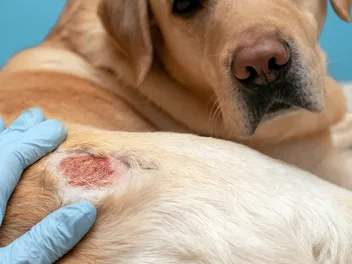
If your dog has a skin condition, you’re not alone. According to Nationwide Pet Insurance, these issues are three of the top 10 reasons caregivers file claims. Winter in the Northern Hemisphere is a common culprit of dry, itchy skin, as low temperatures and humidity levels create the perfect storm for skin problems.
Luckily, many of our tips will also improve those problems. Acting promptly is essential, though, as itchy skin can lead to secondary bacterial infection if your pup’s scratching and chewing break the skin.

The 10 Ways to Help Your Dog Avoid Dry, Itchy Skin
1. Rule Out Medical Causes

We recommend beginning with a visit to the vet. Some health conditions can cause excessive itching, including parasites and food allergies. Eliminating those issues is imperative to find long-lasting relief. After all, that’s your ultimate goal when trying to avoid these problems. Your vet will examine your dog after getting a history and run blood work if needed, and then they’ll come up with a treatment plan to get the itching and other negative signs under control.
If you are concerned about the health and well-being of your pet, seek veterinary advice for the best course of action.
2. Correct Amount of Fat in Their Diet
Fat provides an excellent source of energy to fuel your pup’s activity, and it’s also a part of a healthy diet. According to the Association of American Feed Control Officials (AAFCO), puppies should get a diet with a minimum of 22.5% protein and 8.5% fat. Adults need 18% and 5.5%, respectively. You should look for the words “Complete and Balanced” on the label to ensure it meets these needs. After all, most studies show that dietary fat can result in improved haircoats; similarly higher levels of omega-3 fatty acids can provide some mild benefits to itchy pets and lead to shinier coats1.
3. Practice Regular Grooming

Regular grooming can improve coat condition by removing dander and keeping shedding in check. Brushing your dog also gives you a chance to look for any signs of infection or other conditions, such as redness, broken skin, or swelling. Brushing also reduces the risk of matting, which can contribute to dry, flaky skin underneath larger matts.
4. Give Your Pet a Supplement
Your dog’s condition may improve with a supplement containing omega-3 fatty acids. It can make your dog’s skin less inflammaed and less prone to dryness and itchiness. It may also offer other health benefits for the treatment of cardiovascular issues and kidney disease. However, adverse effects exist, too. Therefore, we recommend discussing supplement use with your vet before giving one to your pet.
5. Offer Fewer Baths

As counterintuitive as it may sound, excess bathing can also cause dry skin and aggravate itchiness. Many shampoos may remove the natural oils protecting your dog from these conditions. Most dogs don’t need frequent baths. We suggest holding off on trips to the tub unless your pooch really needs it. You can also use pet wipes to keep your dog smelling good in between baths without removing the oils from their skin and drying it out.

- Gentle Care For All Pets - Infused with moisturizing hypoallergenic ingredients & enriched with cucumber & aloe fragrance for healthier fur, coat & skin, the ultimate dog and cat cleaning wipes
- Deep Cleans From Head to Tail - Tackle the toughest dirt & messes with our extra strong pet wipes for dogs, cats and other pets while being gentle on sensitive areas like the face, ears, butt & paws
- Freshness On The Go - Each dog grooming wipes pack contains 30 counts of premium dog wipes that leaves your pets fresh. Packed in resealable packaging, keeping the cat wipes fresh & ready whenever
Whether your dog needs a quick refresh or cleanup of a sensitive area, pet-safe wet wipes are a convenient and on-the-go option, since keeping your dog clean doesn't have to mean giving them a full bath. We like Hepper's Wash Wipes because they're specially formulated to be safe for dogs of all ages, sizes, and breeds. The hypoallergenic formula contains natural, moisturizing ingredients that effectively remove dirt without irritating your dog's skin.
At Dogster, we’ve admired Hepper for many years, and decided to take a controlling ownership interest so that we could benefit from the outstanding products of this cool pet company!
6. Run a Humidifier
Low humidity and high-static electricity are the hallmarks of winter in certain climates. You and your pet may benefit from running a humidifier. You should keep the humidity around 30 to 50% to keep everyone comfortable. We don’t recommend going any higher because more isn’t better; instead, it can cause mold.
7. Help Them Stay Hydrated

Staying hydrated during the winter is essential for you and your dog. Canines should get about 1 ounce of water per pound of body weight daily. It’s worth mentioning that your dog may drink less if you give them canned food, moist treats, or safe fruits and vegetables. So, make sure to give your pet fresh, clean water daily.
8. Treat Irritation
Treating any signs of irritation promptly is imperative. Failure to do so can lead to secondary bacterial infections if your dog keeps scratching or licking the affected area. Irritation is a vicious circle, causing more inflammation and itchiness. The condition will likely worsen, so you should get your pet to the vet if you notice any telltale signs, including redness and swelling.
9. Year-Round Flea Prevention

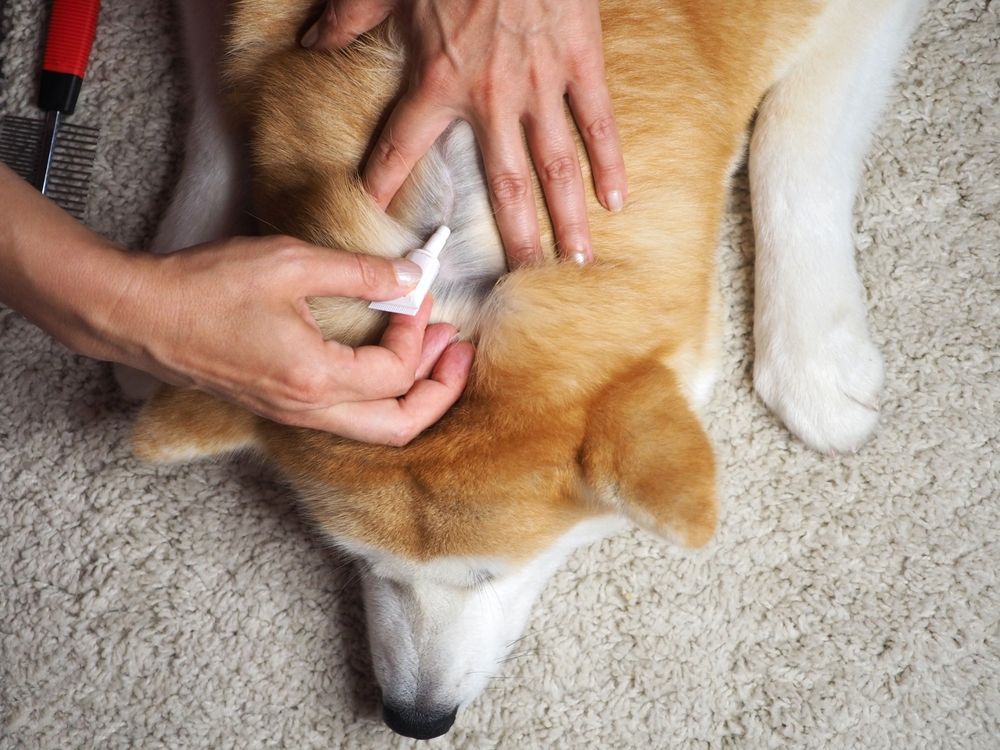
Your vet has likely recommended keeping your pup on flea prevention year-round. It’s an excellent way to prevent flea allergy dermatitis (FAD), which can occur even in the winter. This condition can cause intense itching, with a risk of secondary bacterial infections in hypersensitive dogs. Your vet may do additional testing to rule out skin conditions with similar signs.
10. Switch Foods
Giving your dog canned food is an excellent way to supplement their moisture intake and may have fewer additives that could contribute to dry, itchy skin in pets with allergies. You can also opt for a diet formulated for sensitive skin to add another way to tackle this problem. As mentioned, giving your dog canned food may reduce their water intake since they’re satisfying it in another way. However, always speak to your vet before switching your pet’s food to ensure it’s safe to do so.

Conclusion
You have many options for dealing with your dog’s dry, itchy skin. You can tackle it from an environmental point of view or find relief for your pet with dietary or care choices. The good news is that you’ll also benefit from some of our tips. The ultimate advantages are a more comfortable home and a healthier, calmer pet.
Sources
Featured Image Credit: Nick Alias, Shutterstock
Expert dog care, straight to your inbox
News, insights, expert advice, and everything dog.

No spam — unsubscribe anytime.
By signing up, you agree to our Terms & Conditions and Privacy & Cookies Policy.
How useful was this post?
Click a star to rate. You can leave written feedback afterwards. (We read all feedback.)
Since 2009, Chris has written on a variety of topics. Her motto with all of her writing is “science-based writing nurtured by education and critical thinking.” She specializes in scientific topics, with a special love for health and environmental topics, and of course, pets of all shapes and sizes.
Chris lives happily with her husband and three cats in the land of 10,000 lakes, writing, wining, and boating as much as she can. She and her husband, Norm, were awarded the State of Kentucky Colonel Honor for their restoration work at Mammoth Cave National Park.