My Puppy Is Overweight: 5 Vet-Approved Tips on What to Do

In this article
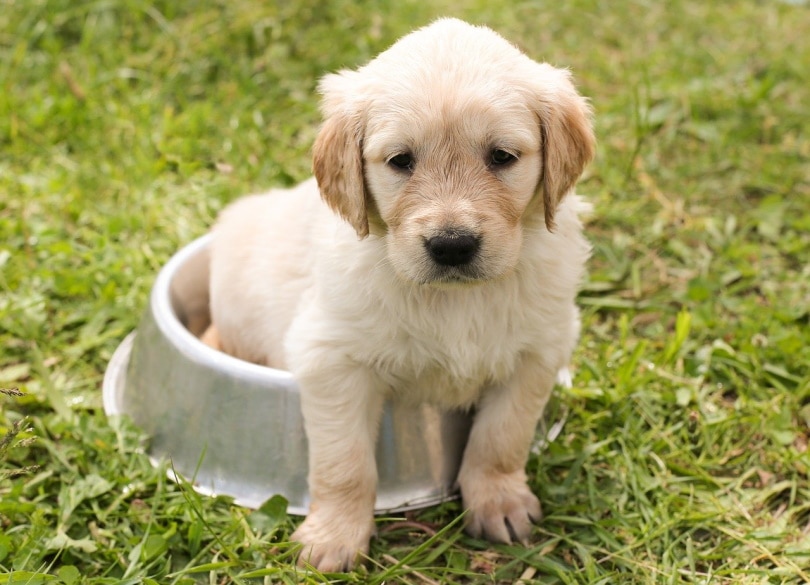
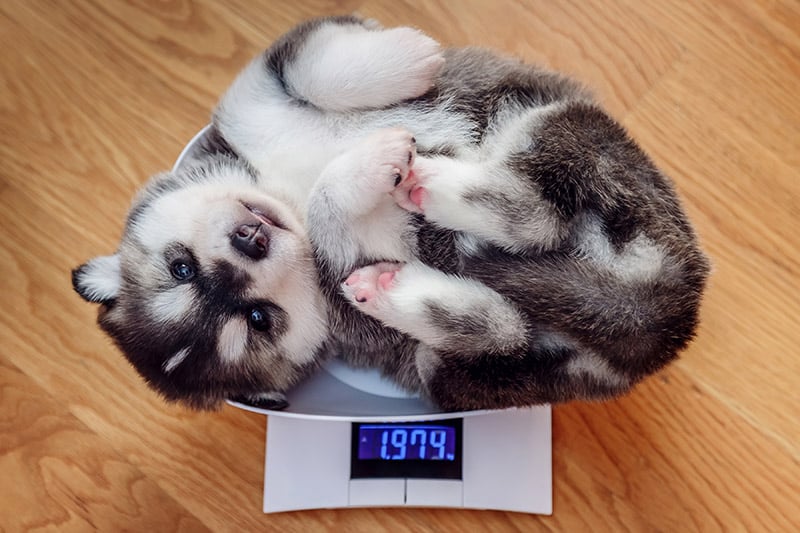
If you have an overweight puppy, we recommend consulting a veterinarian before implementing any suggestions in this post, as it may be related to diet or health, and making sudden changes to your puppy’s diet may bring on medical issues. That said, do you have an overweight puppy and wonder what you can do about the problem? It may seem cute to see a hefty fluff ball running around, but a puppy’s weight must be at a healthy number to avoid any strain on their developing body.

The 5 Tips on What to Do to Help a Puppy with Overweight
1. Feed Age-Appropriate Food

A puppy’s diet requirements will be different from an adult’s, so ensure you feed healthy, complete, and balanced puppy food approved by the Association of American Feed Control Officials (AAFCO). If the food is approved by AAFCO, your puppy will receive all vital nutrients needed for proper growth and health.
The food should also be size-appropriate; for example, if you have a large breed, like a Labrador Retriever or Golden Retriever, ensure the puppy food is for large breeds. If you have a small breed, like a Chihuahua, ensure the puppy food is for small breeds.
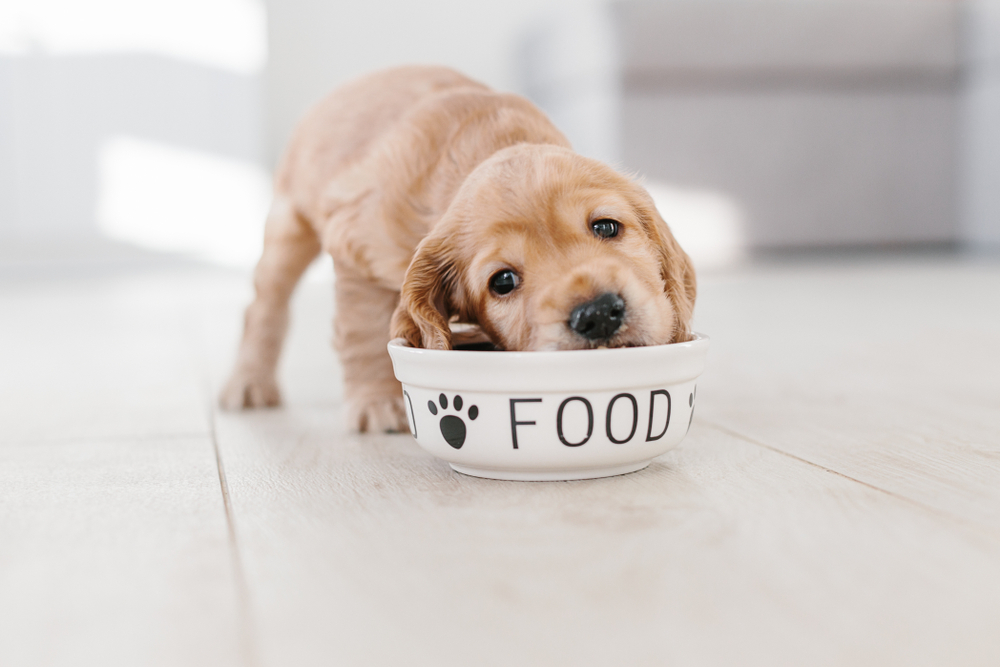
2. Do Not Overfeed
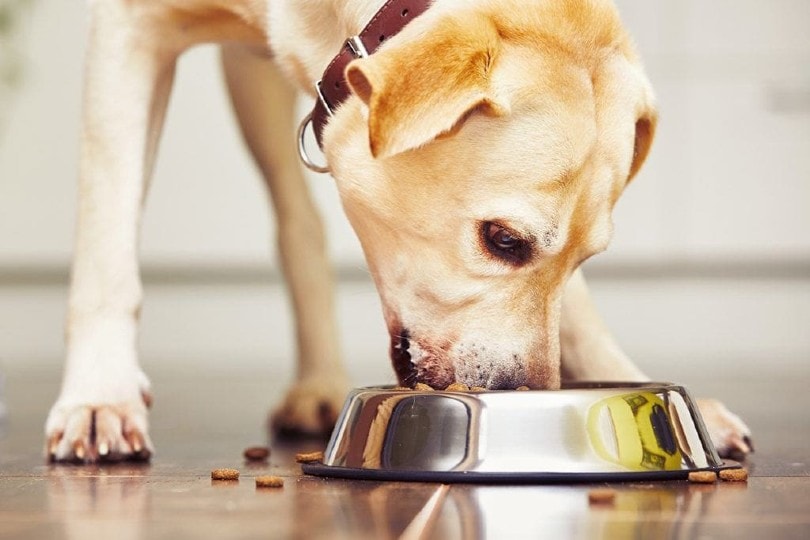
All canine foods will have the required or suggested feeding amounts for the puppy’s age and weight. Keep in mind this is just a guide and some dogs might need more or less, and if ever in doubt, it’s important to work with a vet to ensure you're feeding the appropriate amounts to avoid weight gain.
Ideally, puppies between 2 and 6 months old should be fed three meals daily, depending on the breed and size. However, a vet can help you determine how much and how often to feed your puppy.
3. Exercise Your Puppy With Caution
Puppies need exercise to avoid weight gain and to develop cognitive skills, but it’s imperative not to over-exercise your puppy. A general guideline is to exercise your puppy 10 minutes per day for every month of their age. For example, exercise your puppy for 10 minutes at 1 month of age, 20 minutes per day at 2 months, and so on.
Exercising your puppy too much too fast can result in improper development of the joints. Puppies using stairs or exercising off leash before 3 months of age have an increased risk of hip dysplasia, but keep in mind that this is a multifactorial disease, with genetics and nutrition playing a part.
As your puppy grows, their stamina will increase; however, it’s best to avoid long periods of exercise at once. When your puppy reaches 3 months, they can exercise for 30 minutes per day, but keep the sessions short each time, and avoid running or hiking with your puppy until they are fully grown.
4. Limit Treats

Limiting treats is an excellent way to prevent your puppy from becoming overweight. Remember that you’re feeding your puppy a complete and balanced puppy food, and treats should not be given in excess. Also, ensure the treats are appropriate for puppies and are healthy without added fillers of artificial preservatives and coloring.
Of course, treats come in handy while you’re training your puppy, but don’t overdo it. As a rule of thumb, treats should only account for 10% of your dog’s diet. It may be difficult to determine how to calculate this, and the nutritional info on treat bags usually differs from dog food. It’s best to consult a vet to determine how many daily treats your puppy can have if you’re unsure. You can also look for healthy, low-calorie treats and use play rewards when training instead of treats.
5. Avoid Free-Feeding
It’s best to get your puppy acclimated to a feeding schedule. Free-feeding a puppy is not considered horrible; however, free-feeding your dog as an adult can lead to weight gain and obesity, which can then increase the risk of health issues, such as joint problems, diabetes, and even cancer.
A puppy’s food should ideally be split into two to three meals per day. Getting your puppy on a feeding schedule will aid in proper, healthy digestion, and it teaches your puppy routine.

How to Tell if Your Puppy Is Overweight
One way to tell if your puppy is overweight is to feel the ribs. You should be able to feel each rib without excessive fat. In other words, you should be able to count each one. If you have a hard time feeling the ribs and you really have to press to feel them, it’s likely your puppy is getting heavy.
When looking at your puppy from above, you should see that the flank is indented (the area between the ribs and pelvis). The chest should also be wider than the flank. If your puppy has a lot of fur, smooth down the hair and feel for a waist.

Conclusion
It's imperative that you work with your veterinarian as a puppy parent to ensure your puppy stays on the right track to a healthy life as an adult. Reading nutritional labels on dog food can be confusing. However, utilize your vet to learn the appropriate portion sizes and the best puppy food to feed. Not all weight gain is from excessive eating or lack of exercise; your puppy may have a predisposed medical condition causing the weight gain (although this is very rare).
Limit exercise according to your puppy's age and be careful not to overfeed treats. It's also best to acclimate your puppy to a feeding schedule rather than free-feed.
See also:
Sources
https://www.akc.org/expert-advice/nutrition/healthy-weight-gain-for-puppies/
https://www.akc.org/expert-advice/health/how-much-exercise-does-dog-need/
https://www.petmd.com/dog/centers/nutrition/slideshows/10-ways-to-help-overweight-dog
https://www.akc.org/expert-advice/health/how-to-tell-if-your-dog-is-fat/
Featured Image Credit: AnikaNes, Shutterstock
Expert dog care, straight to your inbox
Vet-reviewed advice, training tips, and the best of Dogster. Free, and you can unsubscribe anytime.
By signing up, you agree to our Terms & Conditions and Privacy & Cookies Policy.
Rachel Giordano is a writer and musician living in Pensacola, Florida, with her partner and their two dogs, Aero, a Border Collie/Sheltie mix and Sophie, a Boston Terrier. Rachel holds a Bachelor of Arts degree in communication and loves writing about animals of all types. When she’s not writing about pets, she loves to write suspense/thriller novels. A musician by night and writer by day, she enjoys educating the public about the needs and requirements of animals, big and small.
Join the conversation
Ask a question, share your story, or send private feedback.