In this article
View 3 More +It’s always a good idea to research breeds when you’re looking for the right dog for your family. If you’ve been considering the adorable and fluffy Pomeranian as a possibility but are torn between the standard-sized Pom and the Teacup Pomeranian, you’ve come to the right place!
Both breeds are almost identical, particularly in temperament, but their few differences could impact your choice. So, read on as we cover the similarities and differences between these dogs to help make your decision easier.

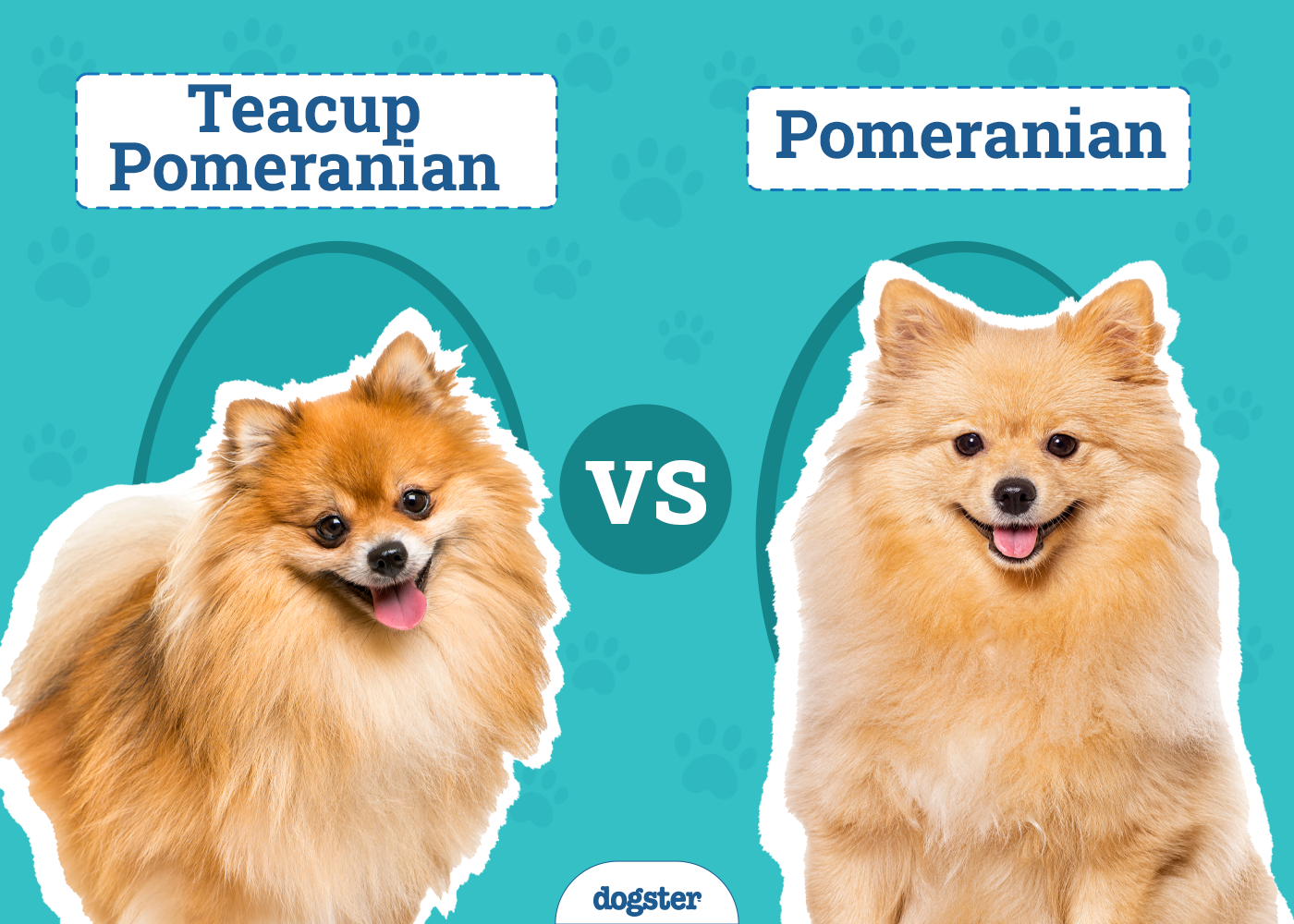
Visual Differences

At a Glance
- Average height (adult): 6–10 inches
- Average weight (adult): 3 pounds and under
- Lifespan: 12 – 16 years
- Exercise: 20 – 30 minutes a day
- Grooming needs: Moderate
- Family-friendly: Yes
- Other pet-friendly: Yes
- Trainability: Intelligent, eager to please
- Average height (adult): 7 – 11 inches
- Average weight (adult): 3 – 7 pounds
- Lifespan: 12–16 years
- Exercise: 30 minutes a day
- Grooming needs: Moderate
- Family-friendly: Yes
- Other pet-friendly: Yes
- Trainability: Intelligent, eager to please

Teacup Pomeranian Overview
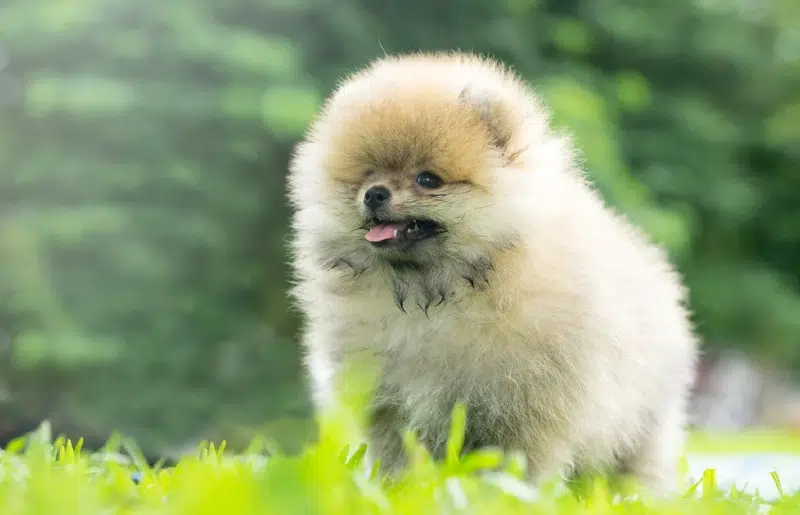
These bundles of fluff are basically the Pomeranian in ultra-small size. They are not a separate breed and aren’t recognized by the AKC. Teacup Pomeranian is the unofficial name for any smaller versions of the standard Pomeranian.
Teacups are bred from two naturally small Poms, but unfortunately, some unethical breeders have resorted to questionable tactics such as inbreeding, breeding runts, and malnourishment. All these practices can lead to sick dogs that inherit genetic health conditions.
When looking for a Teacup Pomeranian, only go through reputable breeders or adopt from an animal shelter. Avoid online ads, ask the breeder for their dogs’ medical history, and visit the puppy you’re interested in before purchasing.
Personality / Character
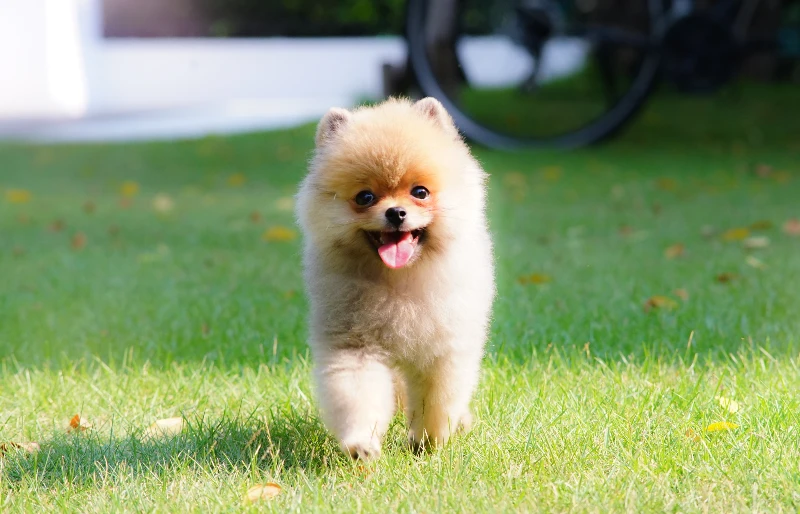
Teacup Pomeranians are sweet and charming little dogs with a classic small-dog attitude. This means they’re energetic, feisty, and playful. They are devoted to their family and will guard them against strangers, but they are incredibly vocal.
As active as Teacups are, they enjoy a good cuddle on a warm lap, though it’s important to note that they do best with families with older children. They are far too small and fragile to be around very young children.
Training
Training Teacups can be a mixed bag. On the one hand, they are intelligent and loyal, and training can be fairly easy. But on the other hand, they can also be stubborn and independent-minded and are known to be challenging to potty-train.
They must be trained and socialized at a young age, which can help with that feistiness, but you should only use positive training methods. A well-trained Teacup will be a well-adjusted and happy companion.
Exercise
You might think that the Teacup wouldn’t need much exercise, but they need at least two daily walks of about 15 minutes each. They are energetic dogs, but a short walk is enough for them because of their tiny legs.
You should bring a carrier of some kind or be prepared to carry your dog if they get tuckered out. Teacups will also need mental stimulation so they don’t get bored and act out destructively. They need toys, chews, and playtime to entertain them every day.

Health & Care
Owning a dog the size of the Teacup Pomeranian requires being vigilant about looking after them. These tiny dogs are fragile; breaking a few bones is possible if they are accidentally dropped or jump from a high surface.
Teacup breeds are also susceptible to specific health conditions, such as heart defects, seizures, hypoglycemia, collapsing trachea, digestive issues, respiratory issues, and blindness.
Follow your vet’s advice when feeding your dog. They can help you develop a healthy diet and determine how much food your dog needs each day. You’ll also need to stay on top of a regular feeding schedule. Missing a meal can lead to a dangerous drop in their blood sugar levels.
Grooming requirements entail brushing them about three times a week, except during the fall and spring shedding seasons, when you should brush them daily.
Suitable for:
Teacup Pomeranians are excellent dogs for owners living in apartments and condos and with older children. If you have several stairs or large pets that like to roughhouse, you should look for a bigger dog. Teacups also need a hyper-vigilant owner who will look after them carefully, as they are so fragile.
But if you’re looking for a playful little dog that will make a wonderful and adorable companion, the Teacup Pom might be for you.
Pomeranian Overview
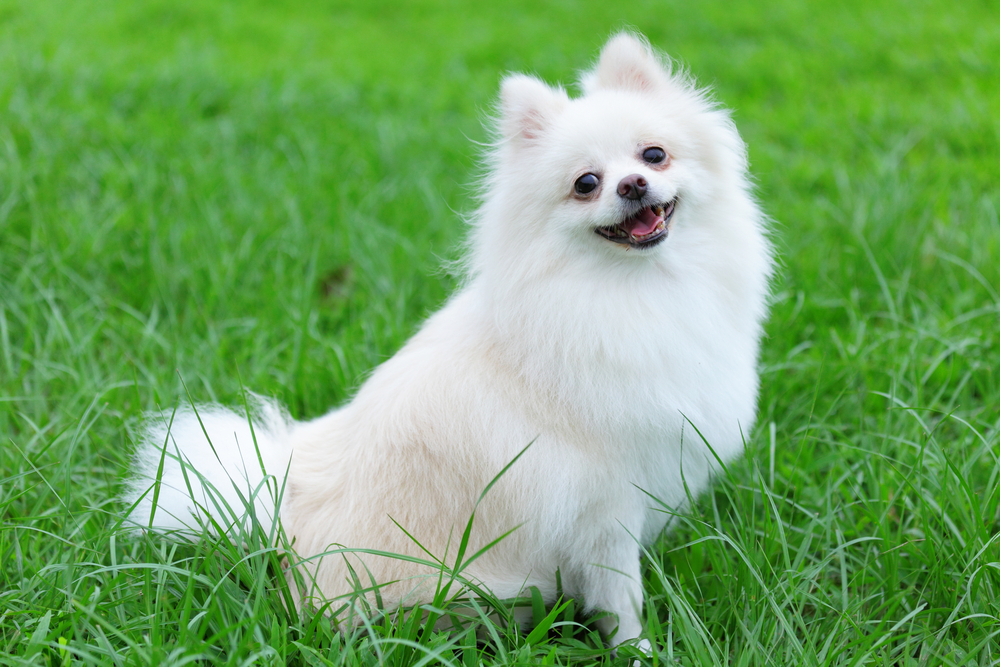
Pomeranians are descended from the Spitz sled dogs of the Arctic and were named after Pomerania, which used to be a part of Poland and West Germany.
The Pom is a well-known toy breed that became popular in the 1800s when Queen Victoria fell in love with them. She is credited with the small size of today’s pom; the original version weighed 30 pounds.
Personality / Character
Pomeranians are sweet and energetic dogs that enjoy affection and are usually the center of attention. They make excellent watchdogs because they are always on high alert but playful and make great companions for older children.
Like the Teacups, Poms do best with older children because while they are larger than Teacups, they are still a toy breed and can easily get injured. They are social, extroverted dogs devoted to their family and inquisitive about everything.

Training
Training Poms is easy yet challenging. They are intelligent and loyal, so they can learn tricks quickly but ca,n alsthey o be stubborn and headstrong. You’ll need to keep training sessions positive, short, and interesting to grab their attention.
Socialization is vital for any dog. Without it, they can become difficult to live with and display unwanted behaviors, such as separation anxiety, excessive barking, and destructiveness.
Exercise
Pomeranians need more exercise than Teacups because of their larger size, but they only require two 15-minute walks per day and a few play sessions. Poms need to run around and play, but on bad weather days, their exercise can be just running around the house.
Be careful with either breed when going out for walks. Teacups and standard Pomeranians are small enough to escape through small gaps or crevices. Additionally, they can easily be mistaken for prey by predator birds and animals like coyotes.

Health & Care
Pomeranians are sturdier than Teacups but can still get injured easily. The health conditions they are prone to include patellar luxation, hip dysplasia, collapsing trachea, cataracts, dry eye, hypoglycemia, tear duct problems, distichiasis, dental disease, and Legg-Calvé-Perthes disease.
Grooming requirements are the same as those for the Teacup Pomeranian, except that the routine might take longer, given their bigger size. They have double coats that will require frequent brushing.
Suitable for:
The Pomeranian makes a great companion for families with older children. While they are larger and sturdier than the Teacups, they are still vulnerable to accidental injuries.
However, they will be a great pet for anyone looking for an affectionate and devoted lapdog that has charm and spunkiness to spare!
Which Breed Is Right for You?
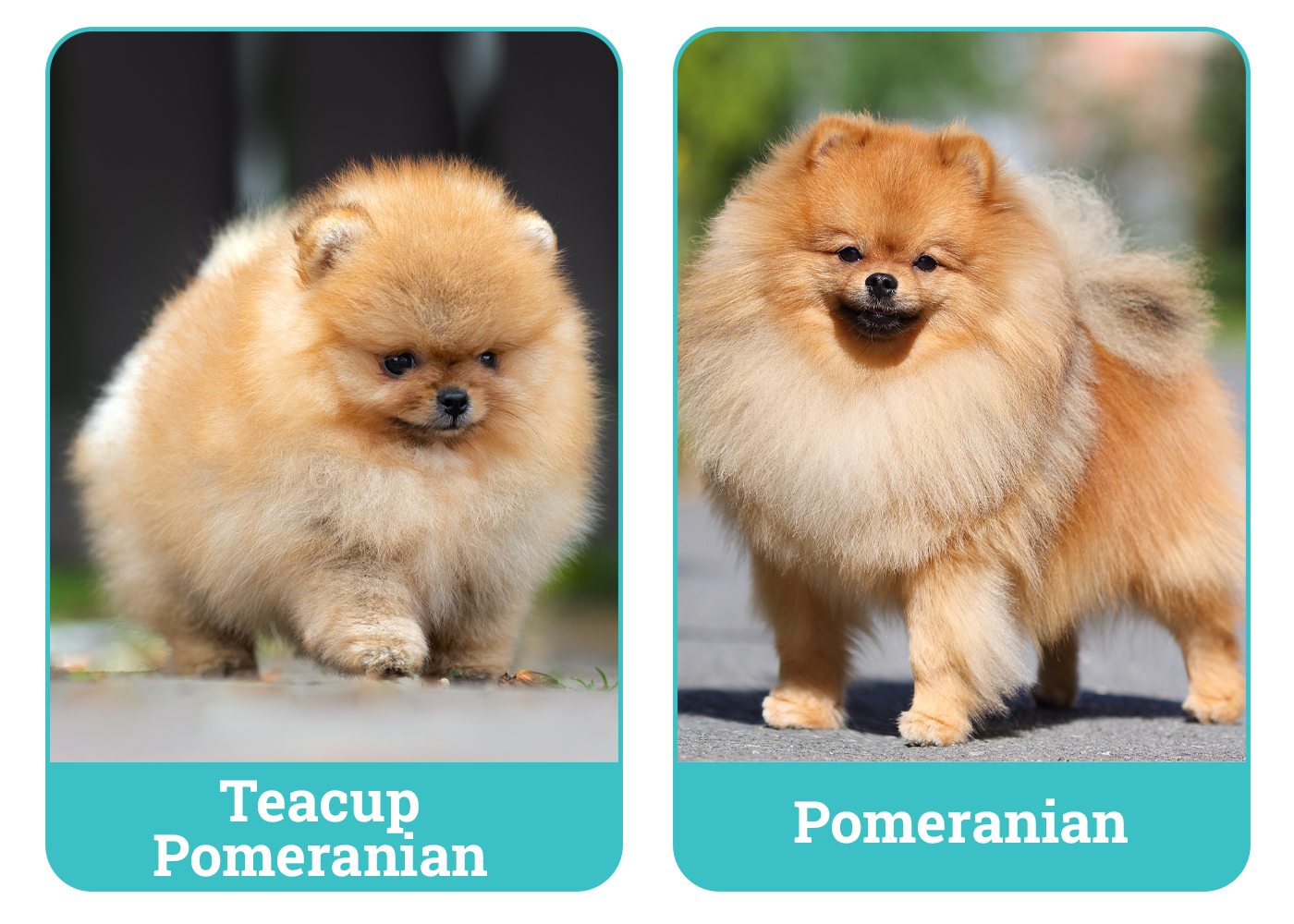
Regarding temperament, you can’t go wrong with either breed because the Teacup is just a tiny Pomeranian. One of the most significant differences is the potential health problems that the Teacup might encounter. That is why finding a reputable breeder is essential!
Because of their miniature bodies, Teacup Poms are more likely to become injured accidentally. However, neither breed is recommended for families with young children, as an injury can happen in an instant. Teacups are also not recommended for homes with stairs.
Ultimately, the Teacup Pomeranian and the standard Pomeranian are beautiful dogs that will provide the right family with a fun and loving friend.
See Also:
- Chow Chow vs. Pomeranian: The Differences (With Pictures)
- Volpino Italiano vs Pomeranian: Main Differences & Similarities
Featured Image Credit: Top – Teacup Pomeranian (BLACK – PIG, Shutterstock) | Bottom – Pomeranian (Anna Gorina, Shutterstock)