In this article
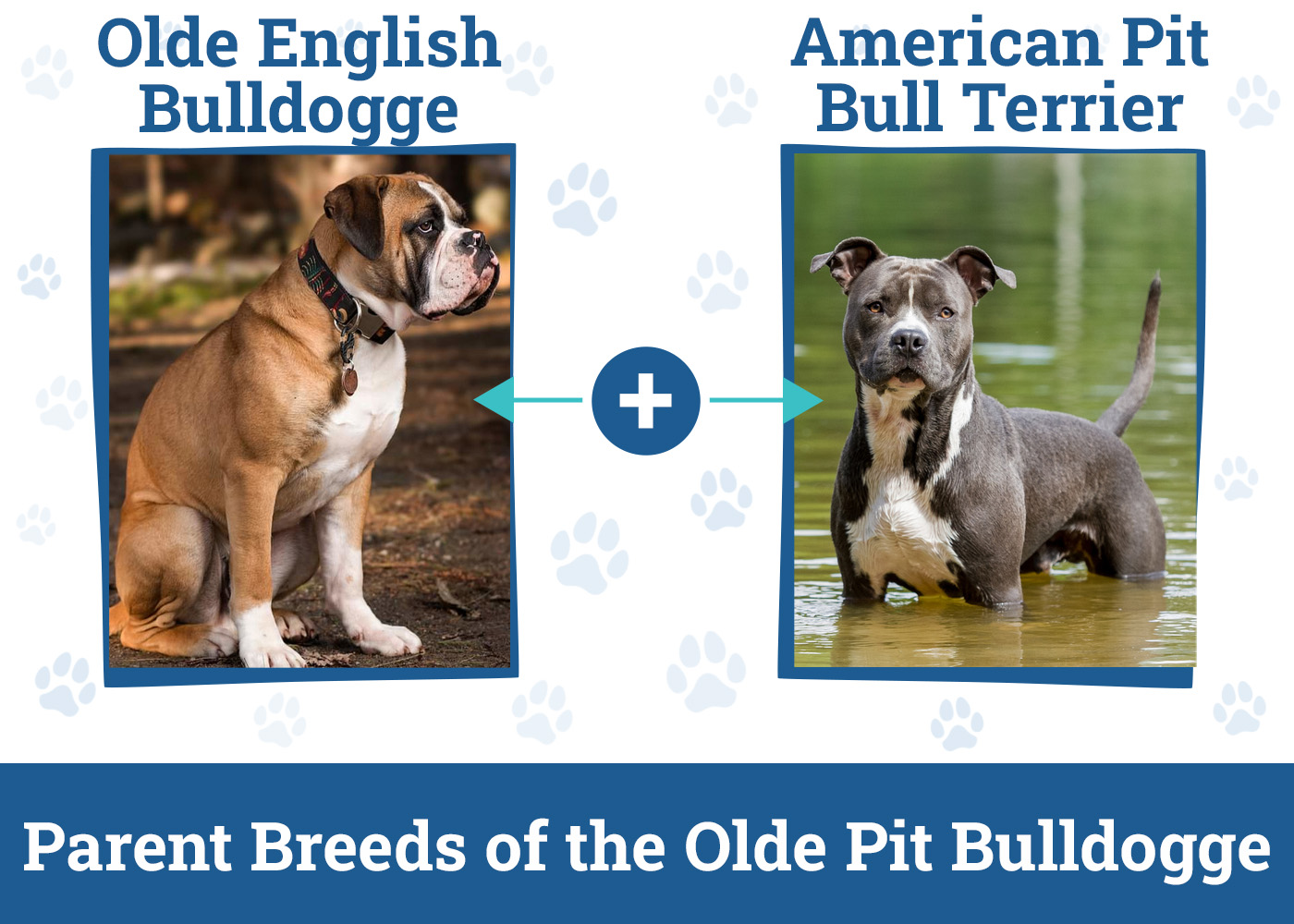
View 8 More +The Olde English Bulldogge and the American Pit Bull Terrier are two highly sought-after breeds, so it’s no surprise that the Olde Pit Bulldogge was created. This is an incredibly loyal and loving breed, and if you’re lucky, you can get the best of both parent breeds. Even if you don’t, you’ll still have an extremely loyal and affectionate pup, so it’s not hard to see why this breed is growing in popularity.
Breed Overview
Height:
17 – 22 inches
Weight:
40 – 80 pounds
Lifespan:
9 – 14 years
Colors:
Cream, chocolate, gray, black, white, brown
Suitable for:
Experienced pet owners, those with a fenced-in yard, and multi-pet households
Temperament:
Loyal, energetic, affectionate, protective, and independent
But how much does one of these pups cost, and what can you expect when you bring one home? We answer both those questions before diving into everything else that you need to know before purchasing one of these adorable pups.
Olde Pit Bulldogge Characteristics

Olde Pit Bulldogge Puppies
Considering how much each of the parent breeds costs, an Olde Pit Bulldogge is an incredibly affordable option. Every Olde Pit Bulldogge will be different and it’ll vary whether it’s a first-generation Olde Pit Bulldogge and whether the parents are purebreds. If it’s a multi-generation Olde Pit Bulldogge or not a purebred, these dogs can be more affordable. We also recommend asking at your local shelter. These dogs often need homes, and you won’t have to go to a breeder to find one!
Olde Pit Bulldogges are great dogs for experienced dog owners. First-time dog owners might have a hard time training these big and strong-willed dogs. They’re very protective and have a strong prey drive, so it’s best to be careful if you have smaller animals in your house.

Temperament & Intelligence of the Olde Pit Bulldogge 🧠
While these dogs might not be as smart as an Australian Shepherd or a Border Collie, they’re not stupid. Pair their intellect with their rabid desire to please, and you get a highly trainable dog that just wants to keep you happy.
These pups are incredibly affectionate, loyal, and protective, which makes them outstanding family dogs. Despite their muscular build, they’re extremely docile, and they do a great job at staying calm around family members. They might be big, but for the most part, they know that they’re big.
Just don’t put it past them to try to turn themselves into a lapdog every once in a while!
Are These Dogs Good for Families? 🏡
Don’t let their unearned reputation fool you; both the Olde English Bulldogge and the American Pit Bull Terrier are outstanding family dogs. They are protective but they’re also extremely docile and loving.
The Olde Pit Bulldogge makes a great family pet, no matter which parent breed they take after.
Does This Breed Get Along With Other Pets? 🐶 😽
While the Olde Pit Bulldogge can do well with other pets, early socialization is critically important. Don’t try to introduce an older Olde Pit Bulldogge to smaller pets and animals if you haven’t taken the time to socialize them early in life.
They have a strong prey drive, and this can lead to serious problems around smaller pets. However, if you’re looking at adopting them as a puppy and can take the time to socialize them properly, there’s no doubt that you can tame these behaviors and never have any problems.
Things to Know When Owning an Olde Pit Bulldogge
Before you head out and purchase an Olde Pit Bulldogge, there are basic care requirements that you need to be aware of. We broke down everything that you need to know here.
Food & Diet Requirements 🦴
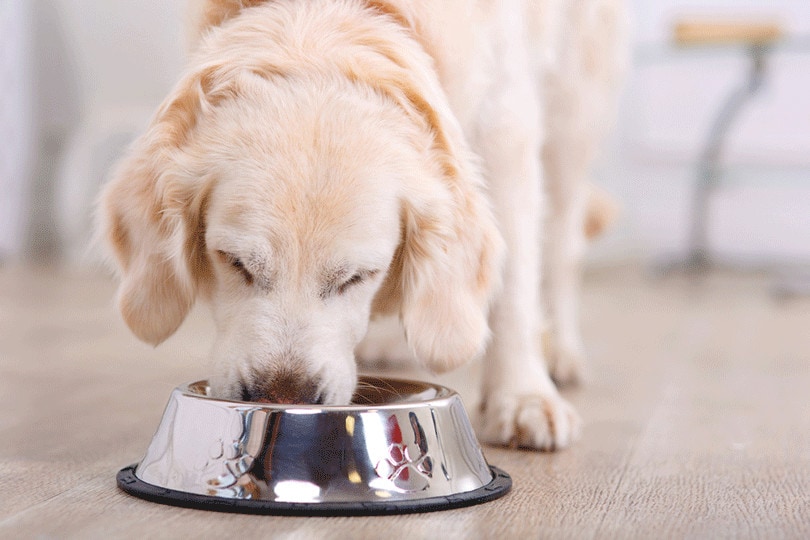
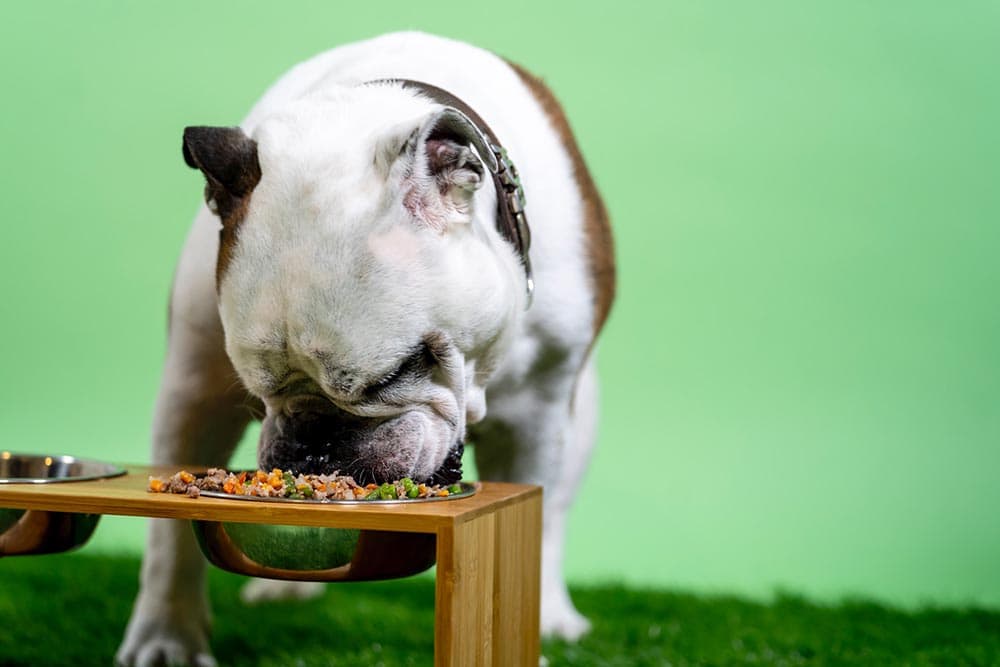
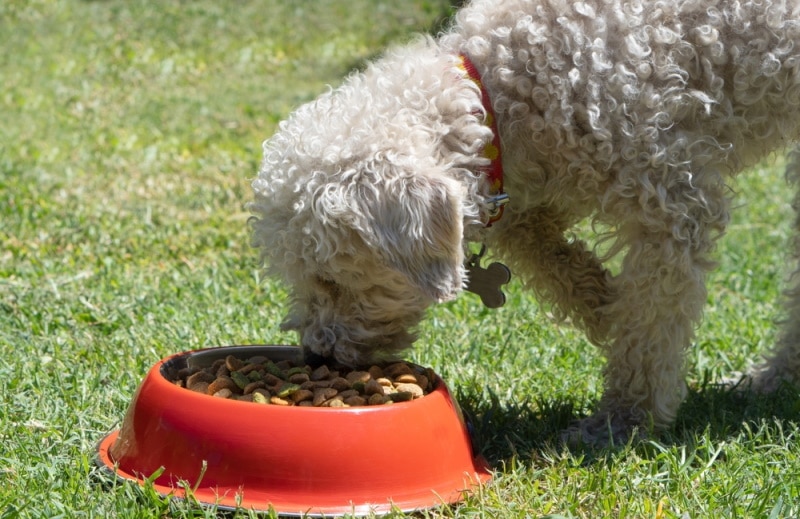
Due to the wide range in their potential size, the amount of food that your Olde Pit Bulldogge will eat can vary quite a bit. A dog on the 40-pound side will eat about 2.5 cups of food each day, while a dog that reaches the 80-pound mark will eat about 4.25 cups of food a day.
No matter the size of your Olde Pit Bulldogge, though, always go with high-quality kibble so they can get a balanced and nutritious diet. Feel free to supplement with treats from there, but don’t overdo it.
Exercise 🐕
Both the Olde English Bulldogge and the American Pit Bull Terrier have moderate exercise requirements, so it’s no surprise that the Olde Pit Bulldogge needs a fair bit of exercise too. Aim for about 10 miles of walks per week, and adjust from there if your dog needs more or less.
While you can head out for runs, keep in mind that the Olde Pit Bulldogge is built for shorter events, like sprints, instead of distance ones. If you’re keeping your runs about a mile long, you shouldn’t have any problems but don’t push them too hard.
We do recommend having a fenced-in yard where your pup can roam and explore, but that doesn’t mean you skip the walks!
Training 🦮
The Olde Pit Bulldogge is a breed that loves to please its owner, but it needs a firm hand guiding them from task to task during the training sessions. These dogs will run right over inexperienced handlers, so it’s best if you have a little experience training dogs before attempting to train an Olde Pit Bulldogge.
Persistence is vital, and you need to stick with positive reinforcement. Once you firmly establish yourself as the pack leader, your Olde Pit Bulldogge will do whatever they can to please you; it’s just getting to that point that can be a bit of a challenge.
Grooming ✂️
While the Olde Pit Bulldogge might not have a long coat, they’re still known to shed quite a bit. To help keep shedding under control, you should brush daily and bathe them every other month.
You also need to brush their teeth a few times a week to keep up with good oral hygiene. While walks should help keep their nails under control, it can’t hurt to have a set of nail clippers around if they need them.
Health and Conditions ❤️
One of the best parts of purchasing an Olde Pit Bulldogge is that they have relatively few health concerns. But few doesn’t mean none at all.
If you suspect any of the following health issues, take your Olde Pit Bulldogge to see a vet right away. Keep in mind that the best thing that you can do to keep your dog healthy is to give them a healthy diet and ensure that they meet their daily exercise requirements.
While that won’t guarantee perfect health for your dog, it does give them the best chance possible to stay healthy.
- Allergies
- Eye problems
- Obesity
- Heart disease
- Hypothyroidism
- Hip dysplasia
Male vs. Female
While there aren’t that many differences between a male and female Olde Pit Bulldogge, there are two to highlight here.
First, males tend to be a bit larger than females. While much of that can vary depending on what breed your Old Pit Bulldogge most takes after, on average, the male will be bigger.
Second, males tend to need more attention and cuddles than females. While this certainly isn’t a hard-and-fast rule, it’s fairly well-known that males are simply needier. So, if you want a dog that demands your attention non-stop, get a male. If you want a dog that’s a little more independent, get a female.
3 Little-Known Facts About the Olde Pit Bulldogge
1. They’re Protective But Docile.
Considering that both the Olde English Bulldogge and the Pit Bull are extremely protective breeds, it’s no surprise that the Olde Pit Bulldogge is a protective breed too. However, one trait that gets overlooked in both parent breeds is how docile they are around their families. They’re so much more than big brutes; you just have to take the time to get to know them.
2. They Can Have a High Prey Drive.
Back in the day, these were hunting dogs, and if you’re not careful, those old instincts can come back in force. It’s not a big deal if you socialize them early, but if you don’t, you need to keep smaller pets away from them.
3. The AKC Recognized the Old English Bulldogge in 2014.
With a name like the Old English Bulldogge, you might think that they have serious history. No, they’re actually one of the newest recognized purebreds, despite having one of the oldest-sounding names.
Conclusion
If you’re serious about adopting an Olde Pit Bulldogge, you’re about to make a great decision. These pups cost a fraction of what a purebred costs, but you still get all the protective and docile perks that come with both parent breeds.
We also highly recommend checking out your local shelter, especially if you don’t already have a pet at home. These pups often need homes, and you won’t have to go to a breeder to find one!