In this article
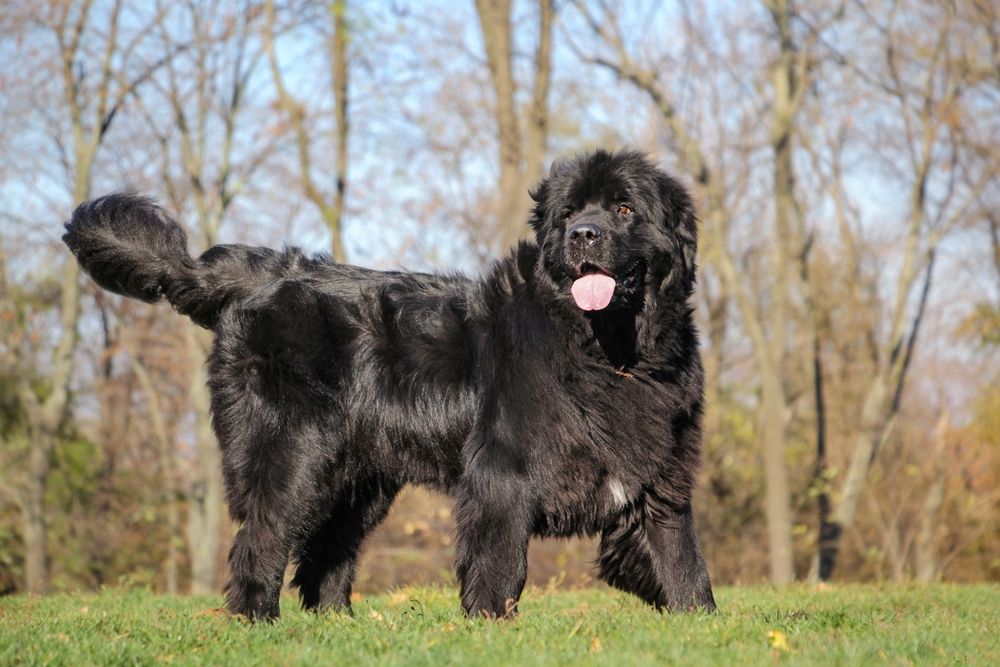
According to AKC, the largest purebred dog registry in the world, Newfoundlands are among the largest dogs on the planet.1 This strikingly powerful breed is surprisingly sweet-natured and is often referred to as a gentle giant. Newfoundland dogs are also known to be moderate shedders.
Newfoundlands are considered a moderate-shedding breed because they feature a long double coat: a top coat with waterproof guard hairs and a denser, softer undercoat to help the dog stay comfortable and insulated. While they mostly shed year-round due to having a double coat, the shedding is more pronounced seasonally.
This article will discuss the factors that influence shedding in Newfoundlands, their grooming needs, and tips to keep your dog healthy and safe. Read on to learn more.

Newfoundland Shedding
Newfoundland’s shedding is often classified at the same level as Labrador Retrievers and Pekingese, which are some of the heavier shedders in the canine world.2
While the shedding might be moderate throughout the year, the dog will shed more obviously, especially in the weeks leading up to the seasonal changes experienced in autumn and spring. During this season, Newfoundland shed their thick winter coat to prepare for the summer heat or they get a denser undercoat for the upcoming winter, depending on the time of year.
They may shed more during these 3 to 4 weeks, during which more frequent grooming than usual will be necessary to prevent mats from forming on the coat. This is also when you may notice more patches of fur spread all over your house.
Still, even though their shedding might be moderate for most of the year, because of their sheer massive size, the amount of fur produced will still be more than smaller dogs.

Top 4 Factors Influencing Newfoundland Shedding
As much as this massive dog breed sheds moderately throughout the year, some factors can influence the shedding frequency and amount of fur lost while changing their coats. They include:
1. Age
Dog enthusiasts absolutely adore Newfoundland puppies because they feature fluffy, smooth, and soft single fur coats. While in the puppy stage, Newfoundlands shed less than their adult counterparts until they are mature enough to lose their baby coat, as it gets replaced by their new double coat. Once the baby coat is replaced with an adult coat, it will start shedding regularly throughout the year.
Moreover, some older Newfoundland dogs may shed a little more than adults in their prime due to the aging process. So, if your senior Newfie sheds a lot, it may also be a sign of underlying health issues so it’s important to get them checked out by a vet.

2. Diet
A complete and balanced diet according to age and lifestyle is necessary to help a dog maintain a healthy coat. If your dog’s food meets all of their nutritional needs, their fur coat will be healthier than that of a malnourished Newfoundland. Poorly fed dogs or those lacking certain nutrients may have dry and irritated skin, which may tend to shed abnormally.
3. External Parasites
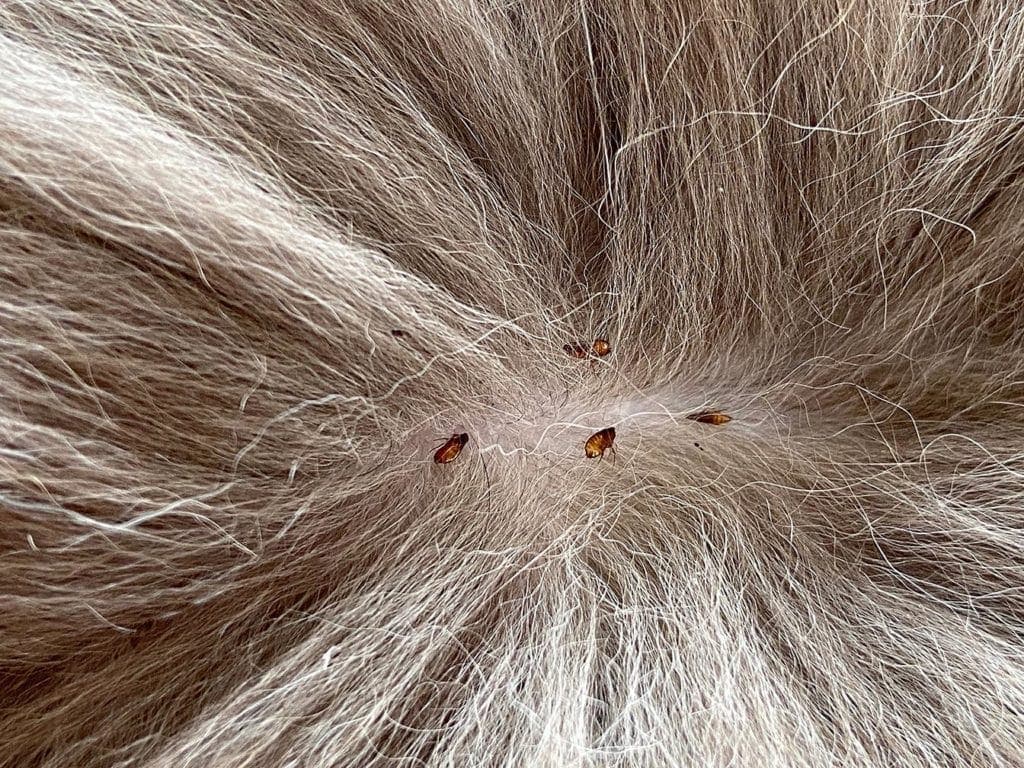
Nothing is quite as irksome or uncomfortable for a dog as having parasites such as ticks and fleas on their fur coat. These pests cause itching that will prompt your dog to scratch and lick the affected area to get rid of them and get some relief. This may cause self-inflicted trauma through excessive licking and scratching, leading to hair loss, skin infections, redness, and scabs.
4. Health Issues
Several underlying health issues can also cause your dog to shed more than normal. The most common include allergies, stress, skin infections, endocrine conditions, and others.
- Allergies can be brought on by mold, dust, pollen, and certain food allergens, the most common being beef, dairy, and chicken. If your Newfie is allergic to any of these substances, upon contact with the allergen, the dog will experience excessive itchiness that they will try to control with scratching and licking, leading to hair loss, skin and ear infections, irritated paws, and other signs.
- Endocrine diseases and hormonal changes brought on by pregnancy, stress, and some medical conditions such as hypothyroidism may also increase the shedding frequency in Newfoundland. Dogs suffering from hormonal imbalances may have thinning and lose hair in patches.
- Stress can also increase shedding in Newfoundland and is often caused by things like a move to a new home, a change in family dynamics, or even the introduction of a baby or a new family member into your household. Stressed-out Newfies may display behavior such as pacing or panting more than normal, being withdrawn, and being depressed, although these signs can also point to an underlying illness.
- Skin infections, such as those of bacterial or fungal origin, can cause your dog to shed abnormally. If your Newfie is infected, you may notice bald spots on their coat, the hair falling out in clumps, itching and shedding more than normal, redness and discharge.
If you notice these signs, you must take your dog to the vet for further diagnosis.
Newfoundland Dogs Grooming Needs
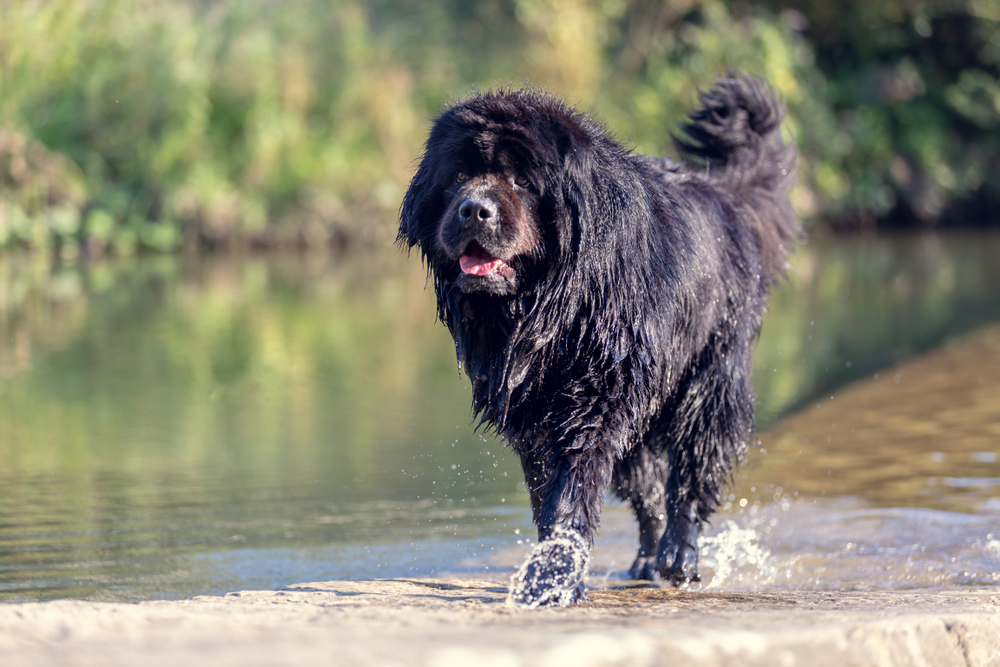
As you may have gathered by now, Newfoundlands feature a double coat: a long and coarse outer coat and a soft, thick undercoat. Even though the coat might be beneficial to the dog, it requires a bit more time, effort, and energy for maintenance.
This rating is considerably higher when compared to that of typical dogs because the dog’s long fur coat often acts as a debris magnet. Therefore, grooming your Newfoundland will be tasking because these dogs are known to enjoy spending time outdoors playing in mud or splashing around in water.
Fortunately, you can keep your dog’s coat healthy and clean by utilizing proper grooming techniques, such as regularly brushing their coat several times per week. But if you want to keep up with your dog’s shedding during seasonal changes, daily brushing would be ideal.
A wire slicker brush is the most suitable tool for grooming the outermost layer. This brush will do most of the cleaning, especially when de-matting and removing hair from the outer coat. Afterward, you can switch to an undercoat rake, a de-shedding tool, or a regular old good-quality comb to remove loose hair from the undercoat.
Tips to Ensure Your Dog Stays Healthy
- If your dog goes to a groomer regularly, they may use a dog blow dryer which can be effective in removing debris and loose hair from your dog’s coat. However, this is something your dog needs to be used to first, and care should be taken not to scare them and not to cause any skin burns. Canine leave-in conditioners and grooming sprays are also suitable because they won’t damage your dog’s coat while grooming.
- Give your Newfoundland a balanced diet that is complete and formulated according to the Association of American Feed Control Officials’ (AAFCO) recommendations. This not only ensures that your dog is healthy and receives all the required nutrients, but that their coat is shiny and healthy, reducing any abnormal shedding.
- With a coat that acts like a mud magnet, you might be tempted to wash your dog weekly to remove debris from their fur coat. However, professionals recommend bathing your dog once every few months. Once every month is also acceptable. If you do it more than this, you risk drying your Newfies skin, which is likely to cause more shedding.
- If your dog is suffering from dry skin or dandruff, consult with your veterinarian in order to get down to the cause of the issue. Your vet may also recommend specific nutritional supplements or a diet change but do not administer any supplements without speaking to them first.
- Even though washing a dog with human-based shampoo might be common practice in some households, it is not recommended. Most of these shampoos contain chemicals that can easily harm your dog’s coat, especially if used long term. Fortunately, you can get dog-based shampoos with natural ingredients from most pet stores or online marketplaces.
If you are looking for the perfect, pet-friendly shampoo and conditioner combo, we highly recommend the products by Hepper. With a soothing oatmeal shampoo, free of soaps and other harsh chemicals, and a cucumber and aloe scented conditioner, your pet's skin and coat will be smooth, hydrated, and irritation-free.
| Image | Product | Details | |
|---|---|---|---|

|
Hepper Oatmeal Pet Shampoo |
|
Check Price |

|
Hepper Pet Conditioner |
|
Check Price |
At Dogster, we’ve admired Hepper for many years, and decided to take a controlling ownership interest so that we could benefit from the outstanding products of this cool pet company!
Conclusion
Newfoundlands are popular because they are incredibly smart, loyal, and intelligent canines. They are also loved because of their massive size, which usually dwarfs other typical breeds. Their gentle and sweet nature makes them suitable family dogs.
Unfortunately, this breed tends to shed moderately, especially when blowing their coats in the shedding season. Therefore, they will require a lot of time, dedication, money, and effort to keep up with their regular weekly grooming needs. Fortunately, you can keep your dog’s coat clean and healthy by brushing it several times per week and daily during the shedding season. You can also bathe them to remove any debris or dirt but don’t overdo it. Once a month should suffice.
However, keep in mind that this dog might not be suitable for homes with any members suffering from allergies. But other than that, nothing else should stop you from adding this gentle giant into your household. Provided that you maintain a regular grooming routine, you shouldn’t have a problem with this breed.
- Related Read: Newfoundland Dog Breed Mixes (With Pictures)
Featured Image Credit: Pandas, Shutterstock