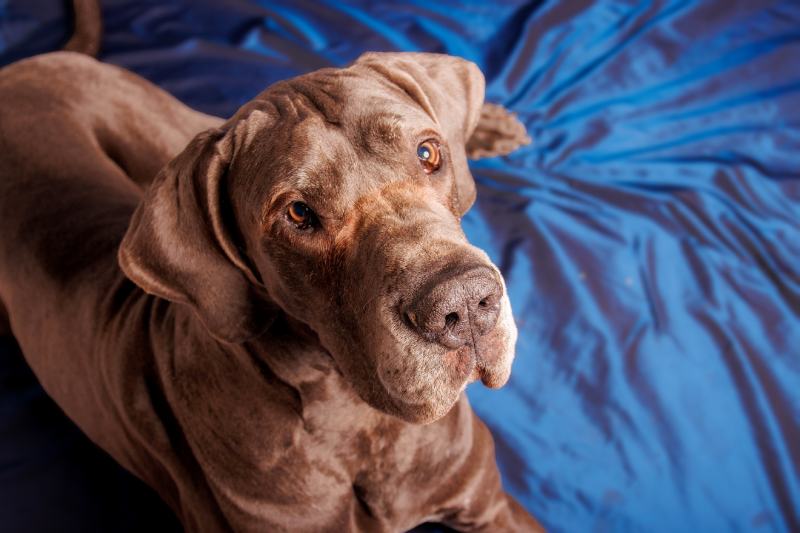
When it comes to majestic and awe-inspiring dog breeds, the Great Dane always makes a grand entrance. But have you ever heard of the Chocolate Great Dane? This unique color variation of the breed stands out with its rich, deep brown coat that resembles the color of decadent chocolate!
In this article, we will delve into the intriguing world of the Chocolate Great Dane, exploring its history, origin, and fascinating characteristics. Prepare to be captivated by this remarkable canine companion!
Breed Overview
Height:
28–32 inches
Weight:
110–175 pounds
Lifespan:
7–10 years
Colors:
Black, Black & white, Blue, Brindle, Fawn, Harlequin, Mantle, Merle, White, Silver
Suitable for:
Active families and individuals looking for a large and calm companion
Temperament:
Calm, gentle, affectionate, loyal, moderately playful
The Great Dane, also known as the “Apollo of Dogs,” is a breed celebrated for its elegance, size, and gentle nature. Originating from Germany, these magnificent dogs have a long and storied history. The Chocolate Great Dane, as the name suggests, is a variant of the Great Dane breed distinguished by its coat color.
While the traditional Great Dane comes in various colors such as brindle, fawn, and black, the Chocolate Great Dane showcases a stunning chocolate brown coat that sets it apart from the rest. This unique hue adds an extra touch of allure and charm to an already remarkable breed.
Chocolate Great Dane Dog Breed Characteristics

The Earliest Records of the Chocolate Great Dane in History
The Great Dane was known to have existed for more than 400 years as descendants from mastiff-like dogs bred by German nobility. In the 1800s, the Great Dane was known and recognized for their size and strength to protect estates and hunt wild boar in the German countryside.
While solid evidence is limited, anecdotal accounts and historical references suggest that the chocolate coloration emerged as a natural variation within the Great Dane breed for more than 25 years. It is believed that breeders and enthusiasts noticed these distinctive individuals and recognized their unique appeal.
The initial sightings of Chocolate Great Danes sparked curiosity and interest, paving the way for their eventual recognition and popularity.

How the Chocolate Great Dane Gained Popularity
The Great Dane was widely popular among German upper class as guardians of estates, carriages, and for hunting wild boar during the 1800s. Despite their size, strength, and reputations as protectors, Great Danes made excellent family pets due to their gentle and loving nature.
The Chocolate Great Dane gained popularity primarily through the admiration and fascination it evoked in dog lovers and breed enthusiasts. As word spread about these stunningly beautiful dogs with their luscious chocolate coats, more people became interested in owning them.
As the demand for Chocolate Great Danes increased, breeders dedicated their efforts to developing and preserving this unique variation, ensuring its continued presence within the Great Dane community.
Formal Recognition of the Chocolate Great Dane
With the increasing popularity of the Great Dane, kennel clubs and canine organizations began acknowledging the Great Dane, leading to its inclusion in breed standards and competitions. The Great Dane was eventually recognized as a breed by the American Kennel Club (AKC) in 1887.
While the Chocolate Great Dane is not recognized as a breed standard color by the AKC, it still gained attention and popularity through informal channels. Despite not being considered a breed standard, the Chocolate Great Dane is still widely accepted and celebrated within the Great Dane community.
This recognition among dog enthusiasts and Great Dane lovers has solidified the place of Chocolate Great Danes as a distinct and treasured variation of the breed!
Top 5 Unique Facts About the Chocolate Great Dane
1. The Chocolate Great Dane Is Not Breed Standard
The chocolate or brown hue is not recognized as breed standard by the AKC or any other kennel club in the world. Because of this, Chocolate Great Danes are unable to participate as show dogs and are even frowned upon by professional breeders. Many breeders and enthusiasts are currently banking on the recognition of the chocolate-colored dog, but to this day the variation is still not recognized.
2. The Chocolate Hue Is Due to a Recessive Gene
The brown hue of the Chocolate Great Dane is a result of a recessive gene carried by the parents. This means that parents of Chocolate Great Dane puppies are both carriers of the recessive gene. This recessive gene presents itself as a brown coat color due to its inability to express black coloration.
3. Great Danes Are the epitome of “Gentle Giants”
Standing at 28 to 32 inches in height, the Great Dane is considered one of the tallest dog breeds in the world. They are in close contention with other large breeds such as the Irish Wolfhound and the Scottish Deerhound, breeds that can also reach up to 32 inches in height or more!
4. They Are One of the Tallest Dog Breeds in the World
Standing at 28 to 32 inches in height, the Great Dane is considered one of the tallest dog breeds in the world. They are in close contention with other large breeds such as the Irish Wolfhound and the Scottish Deerhound, breeds that can also reach up to 32 inches in height or more!
5. Portrayal in Pop Culture: Scooby-Doo!
The iconic cartoon character Scooby-Doo is often depicted as a Great Dane. The creators of the show chose a Great Dane to embody the lovable and goofy personality of Scooby-Doo.
Does the Chocolate Great Dane Make a Good Pet?
Absolutely! The Chocolate Great Dane makes an excellent pet for the right owner. While their large size may be intimidating to some, their gentle nature and loving disposition make them fantastic family pets. They are known for their patience, tolerance, and protective nature, especially with children!
However, their size does require sufficient space for them to move comfortably. Daily exercise and mental stimulation are essential to keep these intelligent and active dogs happy and healthy.
It’s important to provide them with proper training, socialization, and regular veterinary care. With the right environment, care, and love, the Chocolate Great Dane can become a cherished member of your family.
Conclusion
In the world of dog breeds, the Chocolate Great Dane stands out as a unique breed that combines beauty, grace, and a gentle nature. From its earliest records, the Chocolate Great Dane has journeyed through history, catching the hearts of dog enthusiasts around the globe.
Its striking coloration, majestic appearance, and lovable personality make it an unforgettable breed. If you are lucky enough to welcome a Chocolate Great Dane into your life, prepare to be enchanted by their unique allure and unwavering loyalty!
See also:
- Mantle Merle Great Dane: Facts, Origin, & History
- White Great Dane: Facts, Origin & History (With Pictures)
Featured Image Credit: Vojce, Shutterstock