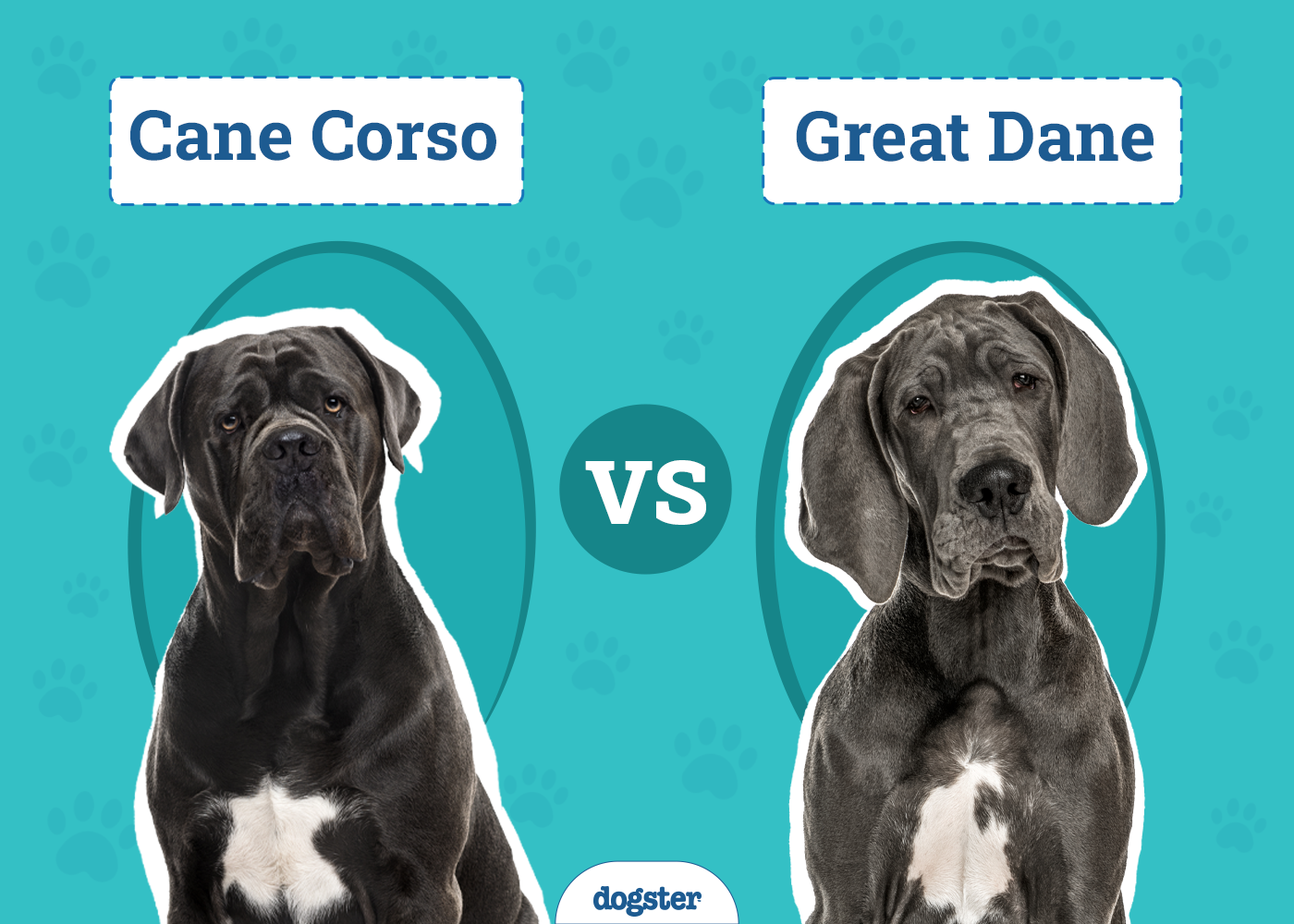
Eye-catching, tall, intimidating, but lovable, the Cane Corso and the Great Dane are two popular breeds on the larger side of the size chart! If you’re looking for a big dog to adopt, the Cane Corso and the Great Dane are good options to choose from. Many people also mistake one for the other because of their similarities in appearance and size.
If you’re given the choice, which one is best for you and your family? The Cane Corso and Great Dane are alike in many respects, especially when it comes to their physical characteristics. However, they differ greatly in personality and temperament,
Here, we discuss the similarities and differences of two of the most popular giants in the canine world, to help you decide which dog will be the best choice for you!

Visual Differences
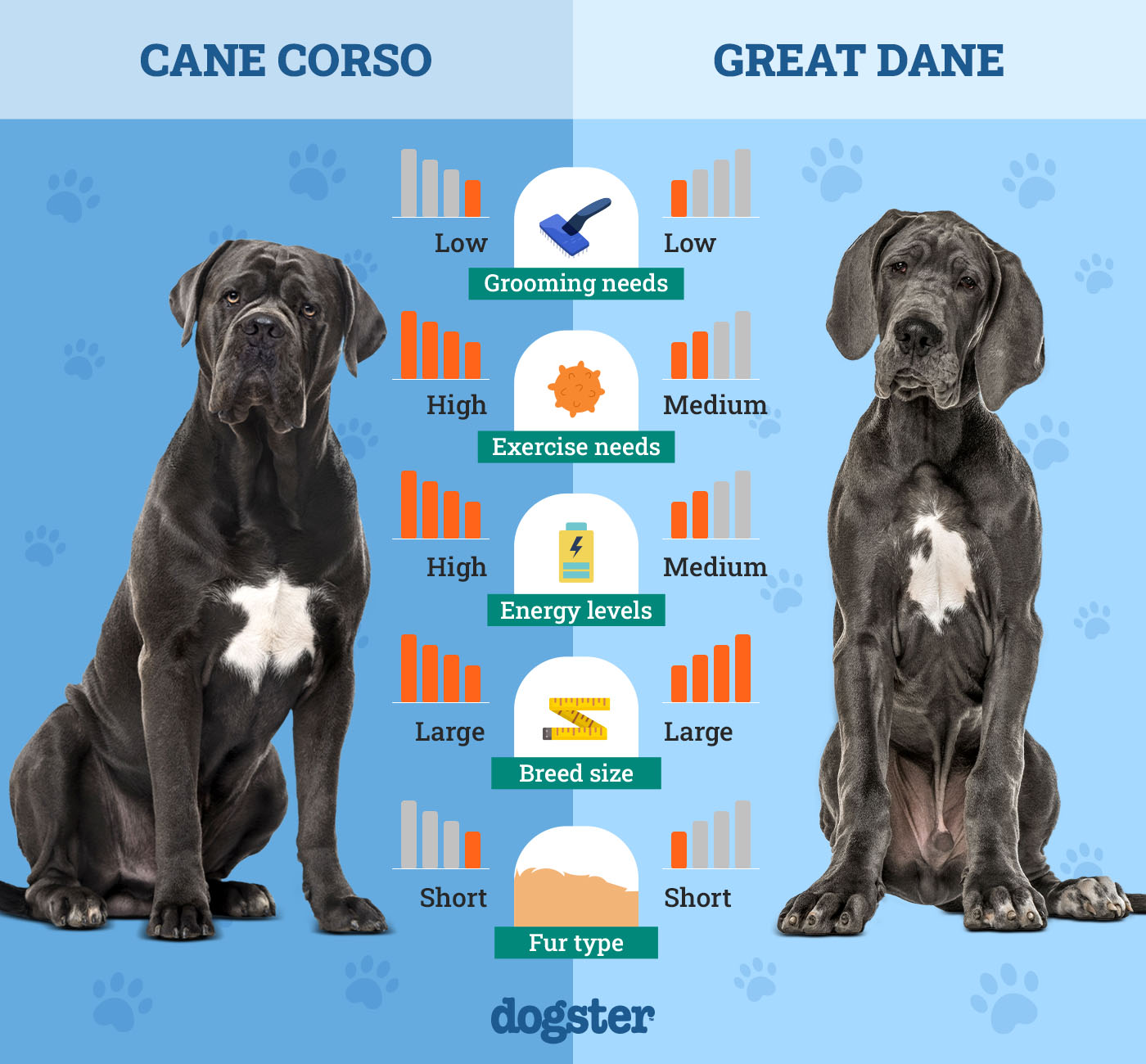
At a Glance
- Average height (adult): 24 to 28 inches
- Average weight (adult): 90 to 130 pounds
- Lifespan: 9 to 12 years
- Exercise: 30 minutes to 1 hour a day
- Grooming needs: Low to moderate
- Family-friendly: Yes, with training
- Other pet-friendly: Often
- Trainability: Highly trainable, requires significant training, affectionate, energetic
- Average height (adult): 28-32 inches
- Average weight (adult): 100 to 160 pounds
- Lifespan: 8 to 10 years
- Exercise: 1 to 2 hours a day
- Grooming needs: Low to moderate
- Family-friendly: Yes
- Other pet-friendly: Yes
- Trainability: Very trainable, loyal, dependable

Cane Corso Overview

Muscular and confident in disposition, the Cane Corso (plural: Cani Corsi) is a large dog that is known as the peerless protector. Also known as the Italian Mastiff, they are intimidating in stature and domineering in appearance but also loving and affectionate.
The words, Cane Corso, mean “protector dog” or “guardian dog” and are derived from cane, which is the Italian word for dog, and from cohorts, which is Latin for protector or guardian. The Cane Corso’s roots trace back to ancient Rome. The breed is known to be the descendant of a Mastiff-type dog known as the Molossus. Being a strong and intense breed, they were used for battle and hunting, as well as to be guard dogs.
With their intense physical appearance and rich history, the Cane Corso can be misunderstood as an overly aggressive dog. While they can be intimidating, Cani Corsi can also be loving family dogs and even great with children. They are affectionate and love the company of their humans. That said, they require proper training and early socialization, and they are not recommended for first-time owners.
The Cane Corso is a loyal and dependable breed that works as an excellent guard dog and a reliable protector of their family.
Personality and Temperament
Among all the areas being compared, Cani Corsi’s temperament is the most contrasting feature compared to that of Great Danes.
Bred as guard dogs, Cani Corsi are naturally protective and intensely loyal dogs. They are calm and loving toward their families but can be extremely cautious around strangers and even other pets. As pet parents of a Cane Corso, you will rarely be bored because of the amount of attention, training, and exercise you need to meet your dog’s needs. They are intelligent and highly trainable but require vigilance and work throughout their life.
All dogs are subject to aggression, but due to Cane Corso’s history, they are more susceptible to aggressive behaviors, especially if they feel that they or their loved ones are threatened. This makes early socialization extremely important. With proper training and socialization, they can identify legitimate threats and can learn to simply ignore strangers that mean no harm.
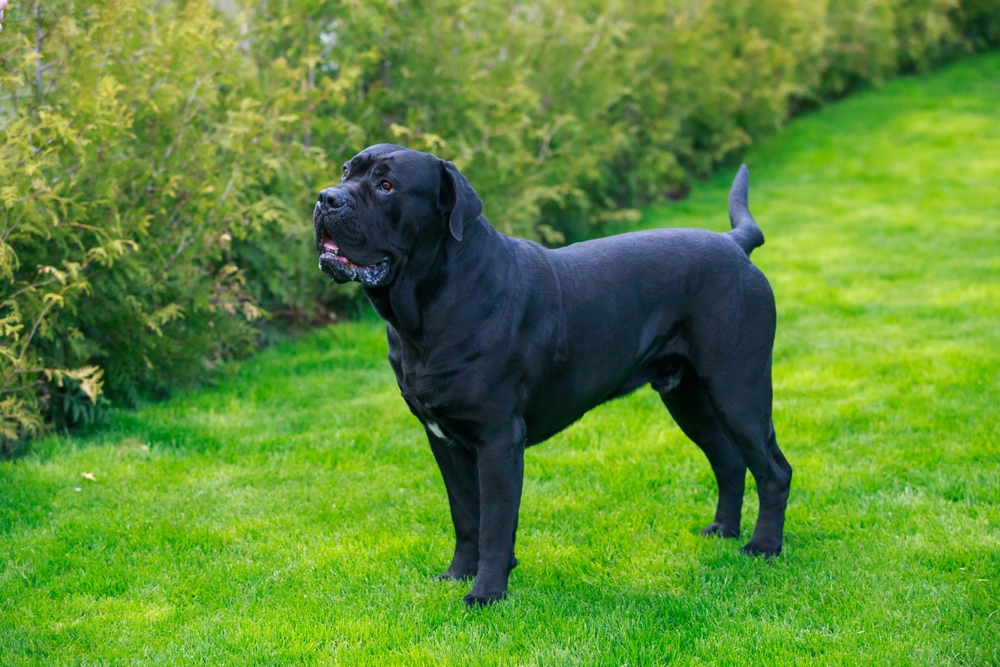
Training
The Cane Corso is an intelligent breed that picks up new skills quite easily, especially if they are taught early in life. However, they require early and frequent socialization, especially if they will be exposed to other animals and people throughout their lives.
Cani Corsi are large dogs with incredible strength. They need room to move and may knock things over around the house. Proper attention and training should be performed to make sure they don’t jump around the house. They should also undergo proper leash training to avoid any unwanted escapes due to leash pulling when going on walks.
These Italian Mastiffs are extremely loyal and loving toward their family. They work well with constant rewards, praise, and affection. If any unwanted behaviors are observed, they should immediately be corrected. If you are a first-time owner of this breed, professional training programs can be recommended to ensure that your Cane Corso is properly trained to be the perfect family dog.
Health & Lifespan
Cani Corsi have a life span of 9 to 12 years, which is relatively standard for large dog breeds. Proper exercise, along with a healthy and balanced diet, can help prevent obesity, giving them the best chance at a long and happy life.
Cani Corsi are prone to a variety of health conditions, such as hip dysplasia, gastric dilatation-volvulus, and ectropion. They are also susceptible to epilepsy and may need immediate medical attention if they have a seizure.
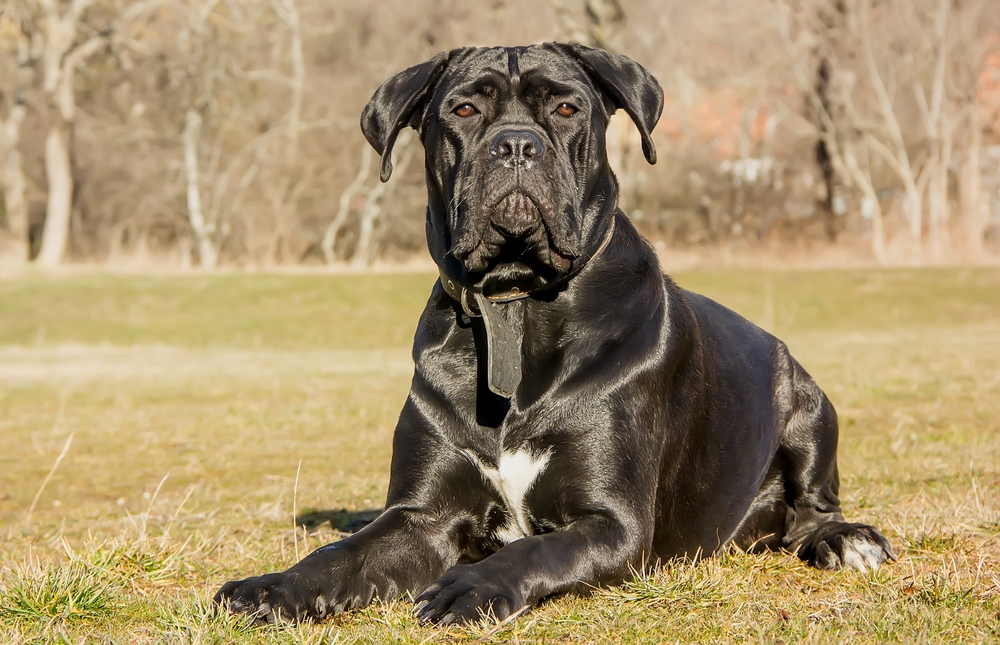
Grooming Requirements
A Cane Corso has a short, coarse double coat of fur. Their undercoat also adjusts to the climate they live in, with thicker and longer undercoats in colder climates and thinner, shorter undercoats in warmer temperatures. They shed their coats during the transition of seasons—shedding heaviest during the spring season, while occasionally shedding throughout the year. Weekly brushing is enough for maintaining their undercoats, and baths are recommended only as required.
Keeping your dog clean doesn't have to mean giving them a full bath. The Hepper Waterless No Rinse Shampoo and Wash Wipes are great waterless products to keep on hand for in-between baths. They're specially formulated to be safe for dogs of all ages, sizes, and breeds. The hypoallergenic formulas contains natural, moisturizing ingredients that effectively remove dirt without irritating your dog's skin.
| Image | Product | Details | |
|---|---|---|---|
Waterless Shampoo

|
Hepper No-Rinse Pet Shampoo |
|
Check Price |
For On-The-Go

|
Hepper Wash Wipes |
|
Check Price |
At Dogster, we've admired Hepper for many years, and decided to take a controlling ownership interest so that we could benefit from the outstanding designs of this cool pet company!
As active dogs who require a lot of walks, their nails can be worn down naturally. Nail trims can also be recommended to keep your Cane Corso comfortable while moving.
Exercise Requirements
Cani Corsi are active dogs that require regular exercise. They need 30 minutes to 1 hour of activity every day to provide them with the mental and physical stimulation they need. Exercise is also needed to prevent obesity and other health issues that Cani Corsi are prone to.
Suitable For:
The Cane Corso is suitable for families that need guard dogs. They are domineering in appearance and are protective. They are not recommended for families with little children and multi-pet households (especially for novice dog owners), but they can live with children and other pets if properly trained. They are also recommended for owners with active lifestyles.
- Good guard dogs
- Low maintenance coat
- Family oriented
- Requires a lot of socialization and training
- Risk of musculoskeletal problems
- Can be misunderstood to be an overly aggressive dog
Great Dane Overview
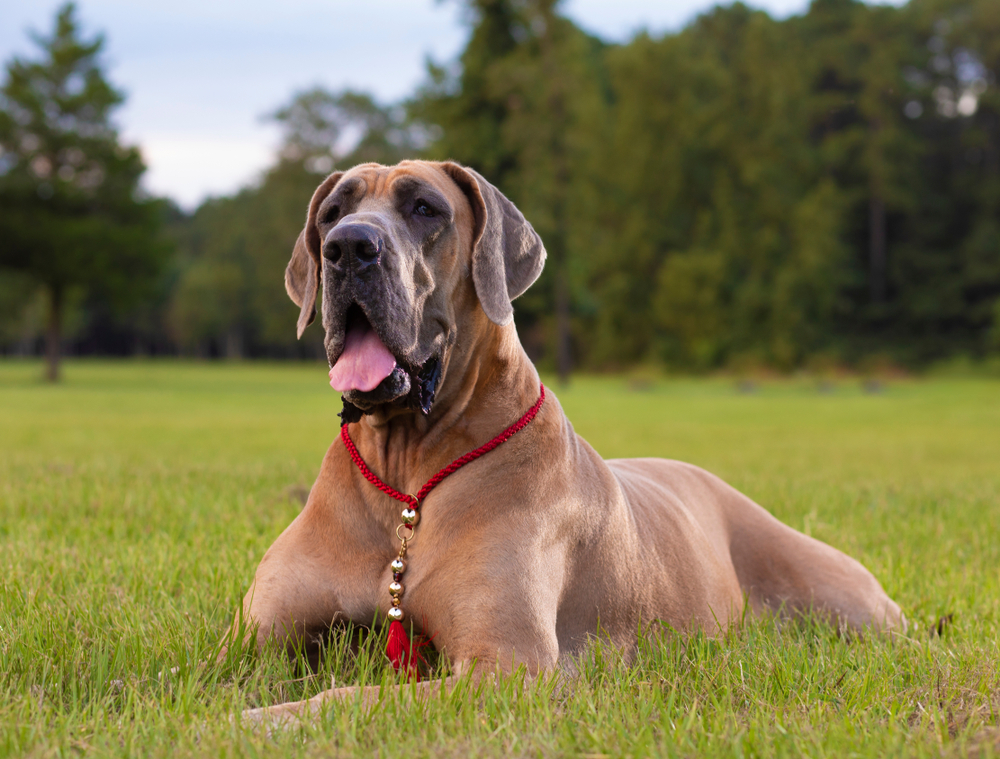
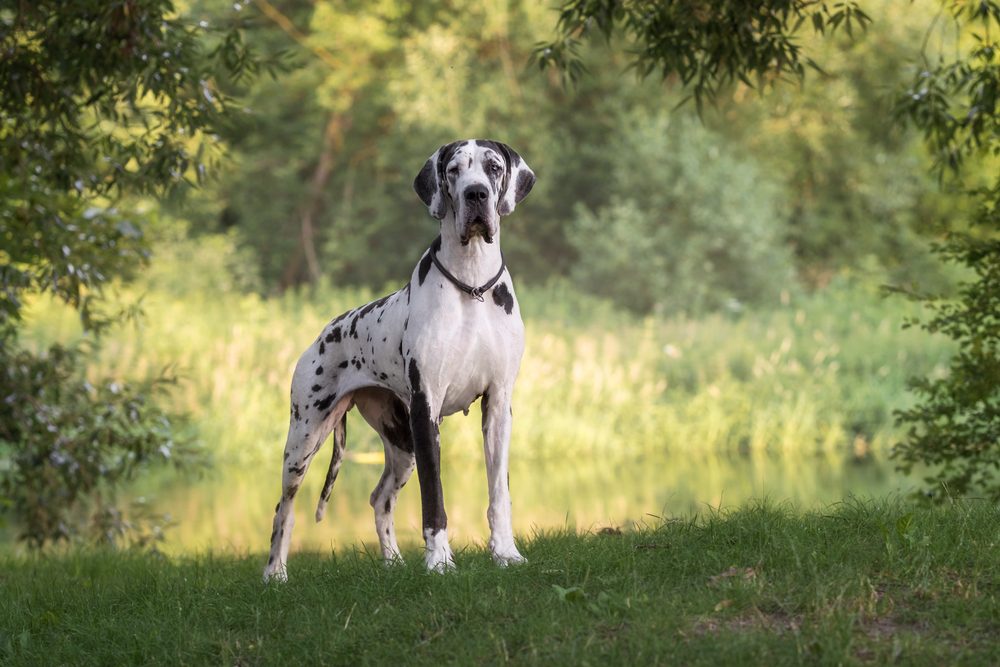
The Great Dane is nicknamed the “gentle giant” due to their towering stature and calm, laid-back personality. They were bred for hunting large deer and boar in 16th century Germany, and hunters used the dog’s size to keep the large animals down once caught. Great Danes were eventually bred for domestication when technology for hunting further developed, and they have been great choices as pets ever since.
These gentle giants are favorites among dog enthusiasts. They enjoy the company of people, making them good family dogs. They also do well with small children and other pets!
Great Danes have natural protective instincts, making them good guard dogs. They are generally calm and gentle and rarely exhibit aggressive behaviors unless provoked or in cases of emergency.
They are active and enjoy the outdoors, but they can also lounge at home and are extremely content as the oversized lapdogs of their humans. This makes them perfect for both people who enjoy trips to the great outdoors and easygoing homebodies.
Personality and Temperament
The Great Dane got their nickname of “gentle giant” for a reason. They are generally calm, laidback, and affectionate. They enjoy the company of their owners and do well with small children and other pets.
They will either directly engage in children’s rough play or simply spectate in their company. They are generally tolerable and rarely snap unless pushed to their limits. Likewise, they are gentle and understand how to play carefully with children and other pets.
They make good guard dogs due to their stature and can ward off strangers and other animals with their barks, though they will rarely exhibit aggression unless necessary in the situation. Like all dogs, early socialization and training are recommended.
Training
Great Danes are easily trainable and sociable dogs. They love attention from their families and do well with strangers and other pets. Socialization and early exposure as puppies are important to prevent anxiety or unwanted behaviors around other people.
Great Danes are sweethearts that do not realize how big and strong they are, so obedience training is especially important around the house to help them understand their limits and capabilities.
Health & Lifespan
Great Danes have a relatively shorter lifespan compared to other large dog breeds, averaging between 8 and 10 years. Like the Cane Corso, they are susceptible to obesity and require exercise and a healthy diet to prevent it. They are also susceptible to gastric dilatation-volvulus, arthritis, dilated cardiomyopathy, and elbow hygroma.
Grooming Requirements
Great Danes are low maintenance in terms of grooming. Their short coat requires simple brushing and bathing once or twice a month. Their naturally floppy ears require cleaning and must be monitored to prevent dirt build-up, which can cause discomfort.
Like the Cane Corso, their nails are naturally trimmed due to their activity but must also be monitored to prevent pain while walking.
Exercise Requirements
While Great Danes can be quite content while simply sitting on the couch with their owner, they do need 1 to 2 hours of exercise a day to prevent health complications. As they were originally bred for hunting, they are active and have a natural drive for the outdoors. Keeping your Great Dane fit and healthy can greatly increase their quality of life and their lifespan.

Suitable For:
The Great Dane is the perfect family dog due to their loyalty, protective nature, and naturally gentle demeanor. They are recommended for families with small children or multi-pet households due to their high sociability and impressionable personality. They are also recommended for active families who enjoy the outdoors or more laidback ones who enjoy going on simple walks.
- Great with kids and other pets
- Gentle and loving
- Aggression is rare
- Shorter lifespan
- Risk of health issues relating to internal organs
- You may also be interested in: Italian Daniff (Cane Corso Great Dane Mix): Info, Pictures, Care & More

Conclusion
The Cane Corso and Great Dane are two excellent dogs that are similar in physical traits, trainability, health characteristics, and grooming requirements. They are affectionate, loving, loyal, and very protective of their families. They differ the most in personality and temperament, with the Cane Corso being more protective and less sociable than the gentle and attention-loving Great Dane.
With proper socialization and training, both the Cane Corso and the Great Dane are fantastic family dogs. They are excellent and loving breeds within their size group. As such, it is best to choose the dog that matches your and your family’s personalities and lifestyle!
See Also: