In this article
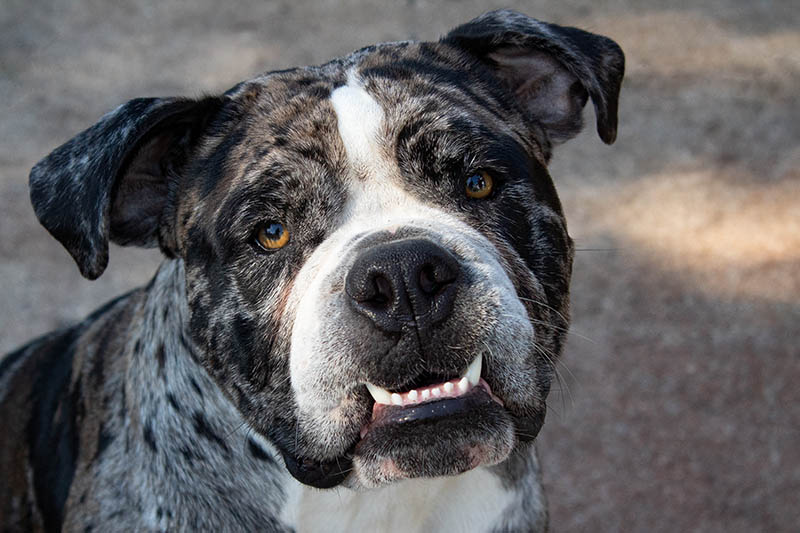
View 8 More +Are you looking for one of the most hard-working and loyal dogs? While your mind might jump to something like the Border Collie or a Doberman, that title might just go to the Alapaha Blue-Blood Bulldog. These are amazing and loving dogs, but they’re also tough as nails and protective of their families. If you want to learn more about this unique breed, just keep reading.
Breed Overview
Height:
20–25 inches
Weight:
65–110 pounds
Lifespan:
11–13 years
Colors:
White with black, brown, buff, brown, or brindle
Suitable for:
Active families, experienced dog owners, and families with older children
Temperament:
Loyal, intelligent, easy to train, hard-working, and protective
The Alapaha Blue-Blood Bulldog is one of the newer dog breeds in the world, and historically, it’s believed they came from a now-extinct breed called the Mountain Bulldog that was mixed with terrier breeds.
Today, Alapaha Blue-Blood Bulldogs are extremely loyal, loving, intelligent, and protective, making them some of the best guard dogs in the world. That’s certainly not for everyone, but it has its appeal.
Alapaha Blue-Blood Bulldog Characteristics

Alapaha Blue-Blood Bulldog Puppies
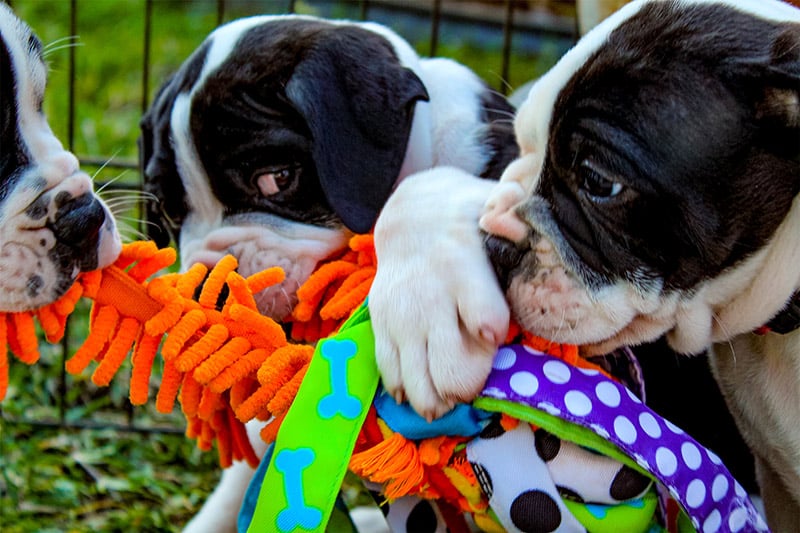
If you’re looking for an Alapaha Blue-Blood Bulldog puppy, you’ll need to take a little more time to track down a reputable breeder. It’s not impossible, but it will take an active effort since they’re not the most popular breed around. Once you find a breeder, you’ll need to ensure they’re reputable. This is especially important since the Alapaha Blue-Blood Bulldog doesn’t have American Kennel Club (AKC) registration, although they are a member of the Continental Kennel Club (CKC).
Ensure they have the proper documentation and that the puppies are raised in a healthy and safe environment and come with a health guarantee. Doing these things can help ensure you’re not accidentally supporting a puppy mill.

Temperament & Intelligence of the Alapaha Blue-Blood Bulldog
The Alapaha Blue-Blood Bulldog is an incredibly loving and loyal pup, which are among its core traits. They’re extremely protective and eager to please their owners, and when you pair this with their high intelligence, it’s easy to see why they’re such effective working dogs. Historically, they were used on farms to move cattle and protect property. Because of this, they spent a lot of time around families.
These traits also make them amazing companions, but if you don’t have much experience with dogs, specifically training and socializing them, then they can be a bit more troublesome to live with.
Are These Dogs Good for Families? 🧑🧑🧒
Not every dog is the best choice for families, and while an Alapaha Blue-Blood Bulldog can be an excellent choice for families, that’s not always the case. This breed was raised with families, historically speaking, but you need to understand that teaching both the dog and your children proper behaviors from a young age is crucial to this success. Because of their bulky size, it might be best to only bring this dog into a family with older children, but that’s not always the case.
Does This Breed Get Along With Other Pets? 🐶🐱
While the Alapaha Blue-Blood Bulldog is a great choice for most families, they don’t usually respond well to other pets, but it is possible with plenty of socialization. They’re highly protective, and you need to be careful if they’re going to be around smaller breeds since their excitement could easily lead to hurting a smaller dog if they get in the way during these moods.

Things to Know When Owning an Alapaha Blue-Blood Bulldog:
In many ways, the Alapaha Blue-Blood Bulldog is just like owning any other dog, but because of their larger size and sometimes finicky personalities, it’s important to do things right the first time and know exactly what you’re getting into. That’s why we highlighted the basics of owning one of these dogs for you just below.
Food & Diet Requirements 🦴
Because of their larger size, it can cost quite a bit to feed an Alapaha Blue-Blood Bulldog with high-quality food. Always look for quality protein sources to keep them satisfied, as this will help them maintain their muscular physique. However, be careful not to overfeed them. If you’re unsure about how much to put in their bowls, follow the feeding guide on the food packaging or ask your vet for advice. Also, make sure they always have access to fresh, clean water both inside and outside the house.
Exercise 🐕
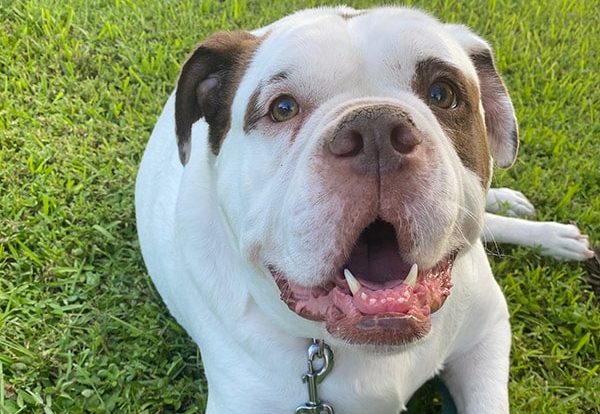
An Alapaha Blue-Blood Bulldog has average energy levels for a larger dog, but because of their larger size, it can be a bit harder to meet their needs. You need to take them for at least two walks a day, and each walk should last at least 20 minutes.
From there, we highly recommend having a fenced-in yard where they can run around. While you can take them to a dog park to help meet these needs, because they don’t always do the best around other dogs, this may or may not be the best choice for your pup, depending on their individual temperament. However, if you’re using them as a working dog, then they should get enough exercise that way.
Training 🎾
The Alapaha Blue-Blood Bulldog is an incredibly loyal and eager-to-please pup. But even with a smart dog that wants to listen, you need to consistently set aside time to train them properly.
Aim for one or two training sessions daily, and each training session should last between 10 and 20 minutes. Start simple and use treats to motivate them, and before long, they’ll be a well-behaved pooch!
Grooming ✂️
These are moderate-shedding dogs, and while you’re never going to get their shedding completely under control, brushing them out at least once a week can help quite a bit. In addition to weekly brushing, you need to brush their teeth daily to keep up with their oral hygiene to prevent dental disease.
Finally, keep an eye on their nails and trim them as needed. This is especially important if you’re not getting them out for as many walks as they need, which typically grinds their nails down naturally. If you don’t want to do it yourself, you can always take them to a groomer to have it done.
Health and Conditions 🏥
Overall, the Alapha Blue-Bulldog is a healthy dog breed with relatively few genetic health issues, but if you’re not careful about the breeder you purchase from, they can be prone to several health conditions. Be selective when finding a breeder, and look for a history of any of the following conditions in the parents.
- Deafness
- Skin allergies
- Hip dysplasia
- Entropion and other eye problems
Male vs. Female
By far the biggest difference between a male and female Alapaha Blue-Blood Bulldog is their size. Females tend to be smaller than males. A female can be as small as 65 pounds and stand 20 inches tall, while males can weigh up to 110 pounds and stand 25 inches tall, which is a large difference compared to most other breeds.
But while this makes a huge difference in their physical stature, it doesn’t have a huge impact on their personalities. Both males and females are loving and protective, but you’re just getting a smaller version with a female.

3 Little-Known Facts About the Alapaha Blue-Blood Bulldog
1. They Can Vary in Physical Traits Quite a Bit
While many dog breeds have very strict standards, there’s a little more variance with the Alapaha Blue-Blood Bulldog. They can range a bit more in size and personality, and these variances are part of the reason why the AKC still hasn’t formally recognized the breed.
2. They Come From an Extinct Breed
The Alapaha Blue-Blood Bulldog has a clouded history, although they’re believed to come from a breed that is now extinct called the Mountain Bulldog.
3. There’s No Official Documentation of the Breed Before 1979
While the Alapha Blue-Bulldog has been around for more than 200 years, if you’re looking for formal breeding standards, that only started in 1979. That makes them one of the newer dog breeds in the world, and it also means it’s likely they’ll continue to grow in popularity.

Final Thoughts
Now that you know a little more about the Alapaha Blue-Blood Bulldog, you can better understand how these amazing pups walk the line between working dogs and companions, making them irresistible to so many people.
They’re amazing dogs with extremely unique personalities and temperaments, making them the perfect pooch to stand out from the pack!
Featured Image Credit: Marilyn Laudadio, Shutterstock