Why Do Dogs Pant? 9 Vet-Verified Reasons


In this article
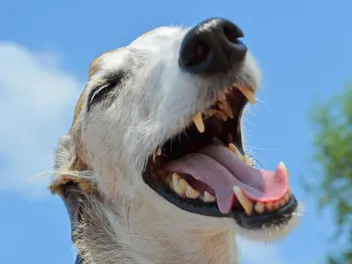
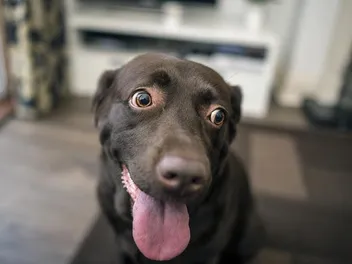
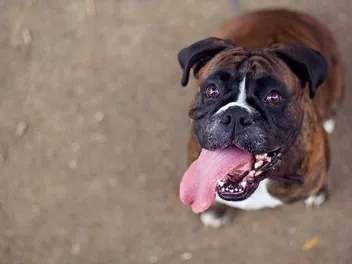
Panting is one of the most common behaviors of dogs. It can also be annoying and concerning. Panting can be loud and disruptive. Excessive or heavy panting can also leave owners wondering if their dog is in distress. So why do dogs pant in the first place? Is panting something to worry about? This quick overview will cover nine reasons why dogs typically pant and when it might be time to bring your dog in for a veterinary examination.

The 9 Typical Reasons Why Dogs Pant
1. To Cool Off
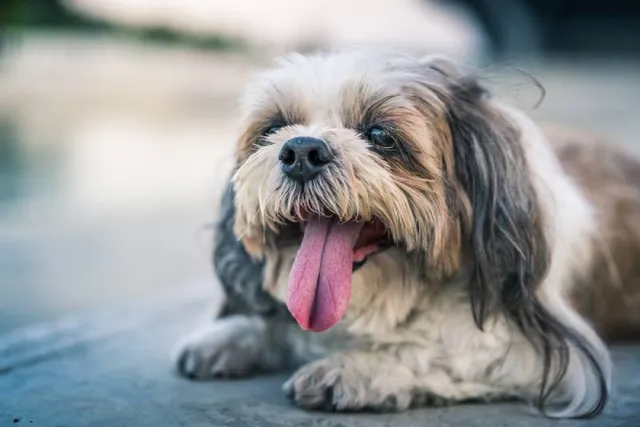
The number one reason why dogs pant is to cool themselves. Dogs do not sweat the same way that humans do. They cool themselves by moving the air from inside their body across the moist tissues in their mouth and nose. This process creates evaporation and, in turn, cooling. Panting is extremely common for dogs that are hot. It can be more common in dogs that are overweight because they may be more prone to feeling hot or overheating.

2. Exertion / Overexertion
Similar to feeling hot, dogs will pant after exerting themselves. After a dog exercises or runs around they will often stop and pant. They are simply catching their breath. Dogs that exert themselves also could be trying to cool themselves, as previously mentioned. Dogs can suffer from excessive panting if they have overexerted themselves. Panting from overexertion will be faster, more shallow, and last longer than panting from regular exertion.
The combination of overheating and overexertion can result in heatstroke. Heatstroke is a colloquial term for hyperthermia, which is when a dog’s internal body temperature rises higher than normal. This typically happens when a dog gets too hot, and their body can no longer cool them fast enough. Heatstroke is often accompanied by heavy panting as well as drooling, vomiting, weakness, confusion, and collapse. Heatstroke is an emergency and must be treated right away for the best results.
3. Excitement
You may notice that your dog starts panting the moment you pull out their leash in preparation for a walk. How could they be tired already? They are likely panting due to excitement. Their body may have released adrenaline which ramps up their respiratory system in preparation for what is to come. Excited panting may also happen when you first arrive home or at the sound of the treat bag opening.
4. Respiratory Issues
Problems with the respiratory system can cause a dog to pant more frequently or more heavily than before. Respiratory issues can include allergies, bronchitis, an infection, or lung cancer. Anything that obstructs a dog’s airways can lead to increased panting as the dog attempts to get more air into the lungs. Respiratory issues can be accompanied by coughing, wheezing, or not wanting to exercise.

5. Heart Problems
The respiratory and circulatory system are intimately connected. The respiratory system exists to provide oxygen so that the circulatory system can circulate it throughout the body. Therefore, heart problems can lead to panting. Panting can accompany serious heart conditions, such as congestive heart failure. As the heart struggles to work properly, your dog will circulate less oxygen through the body which can leave dogs panting to increase the air coming in. Also, heart issues can contribute to fluid in the lungs, which can create excessive panting as well as difficulty breathing. Heart problems are often serious, and many of them are critical, so if you suspect your dog has a heart problem, you need to get them checked out right away.
6. Pain
Pain and discomfort can also cause panting. Pain can derive from a number of causes. Some pain is obvious. If your dog recently suffered a wound, had surgery, or pulled a muscle, it can result in lingering pain that results in panting. Other pain can be harder to identify. Pain from arthritis, broken teeth, or internal problems like cancer or inflammation can be invisible to the human eye, leaving a dog in discomfort with no obvious reason why. Dogs that are in pain should be examined by a veterinarian in order to treat the underlying problem.
7. Stress/Anxiety
Panting could also be your dog’s way of showing that they are nervous or stressed. They may also pace, whine, or hide. You may notice your dog panting excessively during a thunderstorm, fireworks, or when visitors come over. Try to reduce their stress by giving them a safe and quiet place to go where they can relax.

8. Illness
Severe nausea can lead to panting in dogs. If you’ve ever doubled over due to a wave of nausea and took deep breaths to try and get the sensation to pass, you know how it feels for dogs as well. Like humans, some dogs will pant in a bid to try and reduce the feeling of nausea. Does this tactic work? It is hard to say. Nausea often follows the ingestion of something bad, medication, or illness. If nausea is the culprit for your dog’s panting, reducing the nausea should reduce the panting.
Panting may also accompany a fever as a dog tries to cool their body, or it may come about when a dog ingests a toxin.
9. Medications
Some medications, particularly steroids, can lead to increased panting in a dog. You may also notice an increase in appetite, water consumption and peeing. If you notice any of these signs after starting a new medication and they seem excessive, speak to a veterinarian.
How Much Panting Is Too Much?
All dogs pant at certain times in their lives. Some dogs pant frequently. Panting is a completely normal behavior in dogs. Panting should not concern you unless it persists for long periods of time or if your dog seems to be unable to stop panting.
Panting can also be concerning if it occurs at random times, such as when your dog is sleeping or when they are at rest while inside. Random panting can be a sign that something could be wrong internally with your dog that you cannot see.
If your dog pants for longer than an hour after stopping exercise or after being brought into a cool area, it could be cause for concern. If your dog is able to stop panting or stops panting after drinking water, lying down, or moving into the shade, there is nothing to worry about.

When Should You See the Vet?
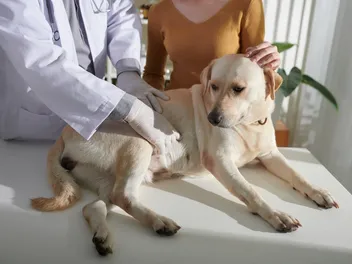
You should see a veterinarian any time that you feel as though your dog is panting too much, is unable to control their panting, or pants at random times. You know your dog the best. If you feel like something is off or wrong, there is a good chance that you are right. Most dogs pant at regular times and then stop after a few minutes. If your dog is panting in unusual ways or at unusual times, a check-up is in order. Getting your dog examined can help determine if something is wrong. The vet will be able to run tests to ensure that everything is in working order.
Conclusion
Panting is a completely natural thing for dogs to do. In most cases, panting is normal and is nothing to worry about. However, panting can also be a sign that something is wrong. Irregular panting, heavy panting, uncontrollable panting, and random panting can be signs that an issue is bothering your dog. In most cases, panting is minor or mild and does not constitute anything to worry about, but in rare cases it can be the first sign that something is amiss.
Featured Image Credit: Nicola Pulham, Shutterstock
Expert dog care, straight to your inbox
News, insights, expert advice, and everything dog.

No spam — unsubscribe anytime.
By signing up, you agree to our Terms & Conditions and Privacy & Cookies Policy.
How useful was this post?
Click a star to rate. You can leave written feedback afterwards. (We read all feedback.)