In this article
Taking your dog for a walk has its benefits. It gets both you and your dog out for some fresh air and exercise, in addition to mental stimulation for your pup. But what happens if you don’t have the time to walk your dog? Is it cruel not to walk your dog? And what happens if you don’t? Your dog will be okay if you don’t take them out for a walk as long as they have enough outdoor space to have daily exercise and to relieve themselves more than a few times a day.
Continue reading to find out how often you should walk your dog, what happens if you don’t do this, and what you need for a successful jaunt with your pup.

Is It Cruel Not to Walk Your Dog?
Not necessarily. If you live somewhere with a fenced-in yard, your dog goes to daycare regularly, and/or you routinely take them out hiking or swimming, it’s not cruel to omit a walk around the neighborhood. It all comes down to making sure your dog gets daily and weekly activity.
Your dog will need a regular place to go to the bathroom, whether your yard or on a walk, because they need to relieve themselves the same as you. Your dog will also need activity to channel some of their energy and attention. While you’re working or at school all day, your dog may be in the house or a kennel. By the time you’re done and exhausted at the end of the day, you want to crash. However, your dog will be excited to see you, spend time with you, and will need an outlet for all of the energy they didn’t expend all day.

How Frequently Should I Walk My Dog?
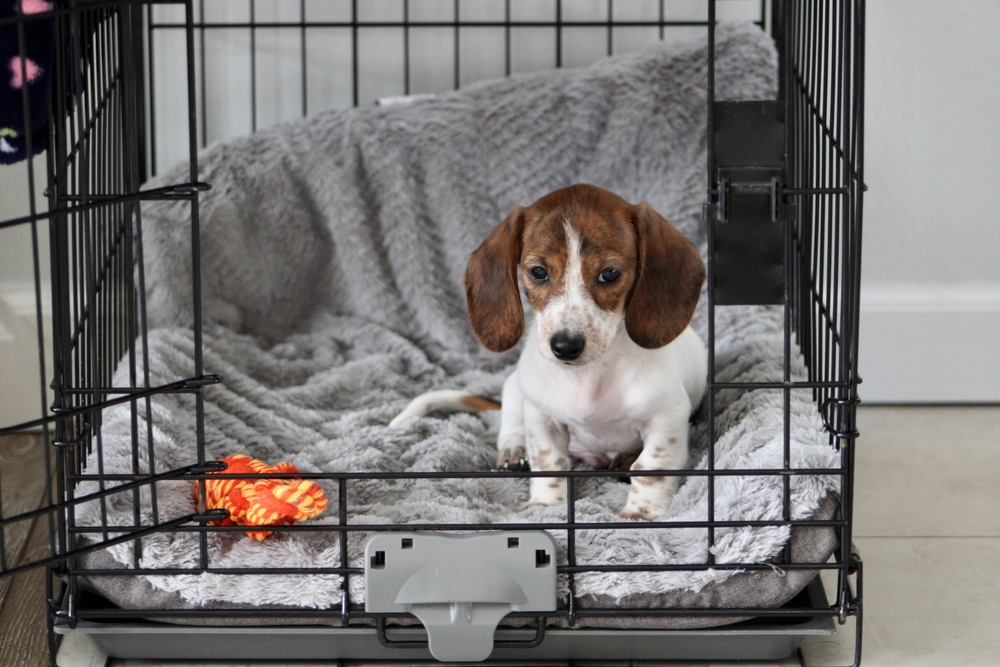
Young puppies should be taken outside to use the bathroom every 2–4 hours. As they get older, dogs can typically go 6–8+ hours without a walk or to use the bathroom. Older dogs, depending on if they’re on any medications, may need to go out every few hours similar to puppies. Medications, such as diuretics prescribed in heart disease and steroids, may make your dog have to use the bathroom much more frequently.
If your dog is older and has arthritis, it’s actually much more beneficial for them to get up and go out multiple times a day instead of only one or two long walks a day. This will ensure that they are getting up out of their bed, lubricating their joints, and using muscles that may otherwise not be exercised. This is also recommended to make sure your older dog completely empties their bladder. If your dog has arthritis, sometimes it can be difficult for them to hold the potty posture for long periods of time. Therefore, they may not completely empty their bladder if not given adequate opportunity.
How Long Should I Walk My Dog?
As mentioned above, this is very dependent on the age of your dog. Young adult dogs, working breeds, arctic breeds, hounds, and any other high-energy breeds will benefit from extended walks. Depending on your school/work schedule, this may be multiple short walks a day, or one or two extended walks a day. Once they are fully developed and growth plates are closed, high energy breeds can often go for multiple miles at time with absolutely no issues.
Puppies and older dogs will do better with multiple short walks a day. “Short” should be determined by the underlying health of your dog. A dog with arthritis, short legs, a heart condition, etc. may only be able to go to the end of the driveway and back, or once around the block. For others, “short” may refer to the time—such as 10 minutes at a time. Speak to your veterinarian about a good length depending on the health of your dog.
If you need to speak with a vet but can't get to one, head over to PangoVet. It's our online service where you can talk to a vet online and get the advice you need for your dog — all at an affordable price!

Where Should I Take My Dog for a Walk?
If you don’t have a fenced-in yard and have to walk your puppy, keep in mind that they are very susceptible to contagious diseases while on a walk. Try to take them on the paths least traveled. Walk them away from other yards or patches of grass frequented by a lot of dogs. Do not, under any circumstances, take your puppy to a dog park, on a trail, to the beach, or to daycare until they have been cleared to do so by your veterinarian! The last thing you want is for your puppy to get parvo virus or horrible parasites just from a walk.
If your dog has a lot of energy, a nice hiking trail will provide them with the stimulation of sniffing while also being in a nice, serene setting. If your pup likes to eat everything in sight, your best bet is likely a neighborhood sidewalk where they won’t encounter stray objects to put in their mouth.
Try to avoid black top or sunny areas in the middle of the day, or if your dog is prone to being overheated, such as being brachycephalic, black in color, older, etc. In the winter, make sure you avoid any icy areas where both you and your dog may slip, and avoid any areas where salt has been put down. Salt can be very irritating and traumatizing to your dog’s paw pads.

What Do I Need for a Walk?
First and foremost, if you have a retractable leash, throw it out. Immediately. You’ll make veterinarians everywhere happy if you never use a retractable leash ever again. These leashes provide no control over your dog, and it puts them at higher risk of becoming entangled with other dogs, people, or objects. Not to mention that if your dog pulls hard enough, these leashes have been known to snap in half.
Purchase a quality woven cloth, leather, or nylon leash with a strong clip for your dog. Chains are not recommended because if your dog gets tangled somewhere, you won’t be able to cut them out of the situation. Depending on whether your dog pulls a lot or not, a halter or harness is typically great to walk them with. There are numerous options out there ranging from face halters to halters with a clip in the front or harnesses with clips on the back. These will help take the pressure of your dog’s neck if they pull and give you much more control as you walk. Just make sure the halter fits snuggly so that your pup does not startle or wiggle out of it.
And last but not least, don’t forget the poop bags! Picking up after your dog every single time you take them outside is not only responsible but helps prevent the spread of diseases, such as parasites and giardia. Not to mention, you’ll help prevent an unknowing person from stepping into something stinky.

Conclusion
Walking your dog may be a necessity depending on where you live. It’s not necessarily cruel not to walk your dog around the neighborhood if you have a nice fenced-in yard, or if your dog goes to daycare regularly to exercise. However, if you live in an apartment or have a high-energy breed, taking your dog for a walk has benefits for both you and them.
How long and how frequently you should take your dog walking depends on their age and underlying health problems. In general, be a responsible owner and walk your dog where both you and they are safe, and always pick up after them.
Featured Image Credit: dezy, Shutterstock