Get

In Your Inbox

Dogster is reader-supported. When you buy via links on our site, we may earn an affiliate commission at no cost to you. Learn more.

Breeding Father to Daughter Dogs: Vet-Reviewed Risks, Ethics, Consequences & FAQ

Share

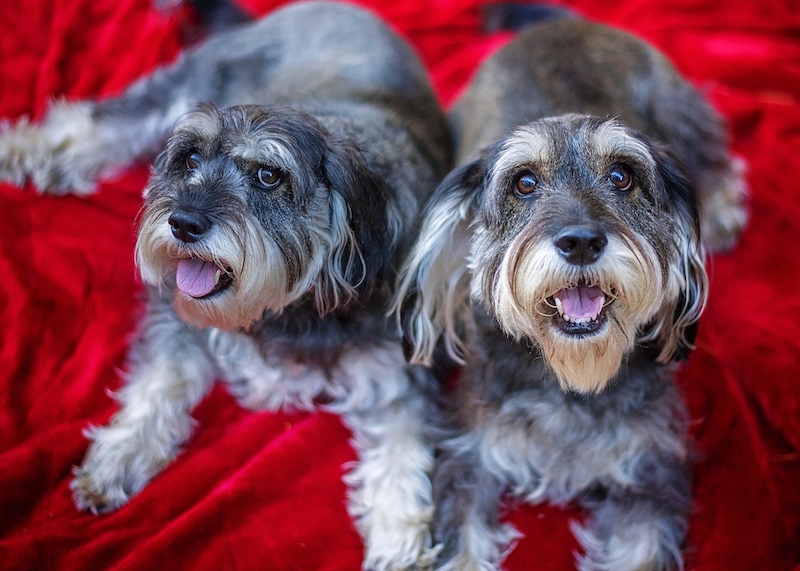
Schnocker mixed breed dogs

Inbreeding isn’t as common as it once was in dog breeding, but some breeders still force males to mate with their daughters. This practice usually produces puppies that are nearly identical to the father. When a father mates with a daughter, the offspring’s genes are close to the father’s (because half of the daughter’s genes are also inherited from the father). Inbreeding helps create true-breed dogs with particularly desirable traits.

But are there risks or consequences of breeding father-to-daughter dogs? Yes, and this article highlights them all.

Dogster_Website dividers_v1_Jan 18 2024-03

Risks & Consequences of Breeding Father to Daughter Dogs

A dog inherits exactly half of their genes from their mother and half from their father. This means that half of a female dog’s genes are those of her father’s. Therefore, if she mates with her father (an activity that dogs aren’t opposed to), each puppy’s genetic makeup will be around 75% similar to that of their father (which would also be their grandfather).

Although some people claim that inbreeding can be beneficial in certain circumstances, the risks outweigh the benefits. The Kennel Club has condemned the practice1,  acknowledging the likelihood of the subsequent offspring inheriting severe health conditions.

These risks include the following.

1. Fertility Problems

Breeding father-daughter dogs can increase infertility because these inbred dogs lack gene variation, which is the difference in the DNA sequence in their genomes. Since the mother shares many genes with her father, reports indicate that male inbred puppies have lower fertility rates than outbreds2.  In addition, inbreeding results in lower rates of conception and the total number of puppies that are born alive.
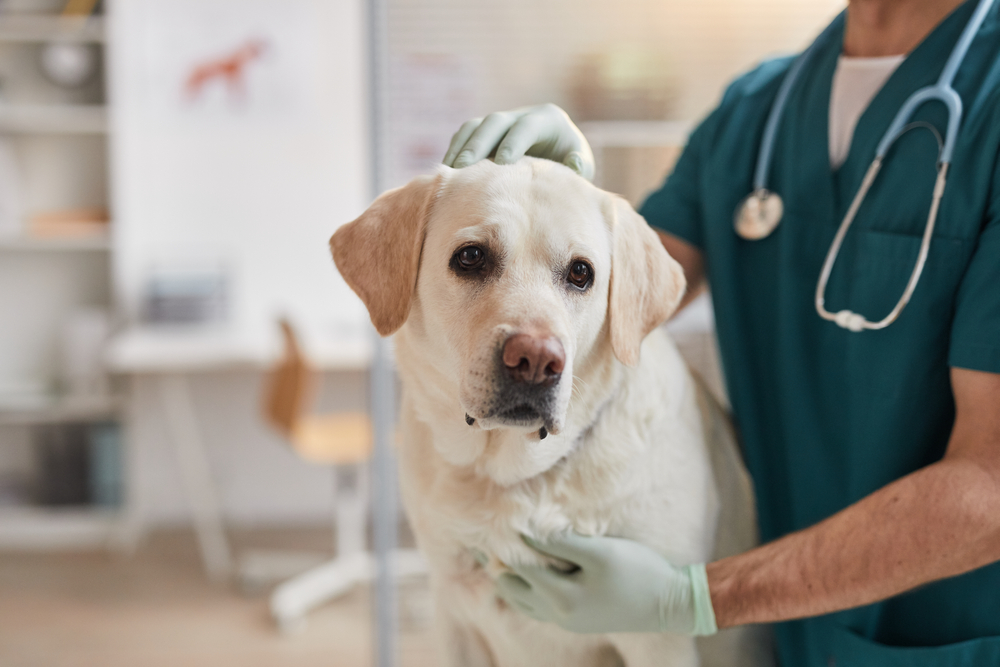
vet petting labrador retriever dog
Image Credit: SeventyFour, Shutterstock

2. Limited Gene Pool

A gene pool is the genetic diversity in a population at a given time. Animals with a large gene pool have extensive genetic diversity. They can withstand challenges and stresses posed by their environmental conditions. The large gene pool enables growth and variety throughout the generational lines.

Inbred dogs, however, have small gene pools that make the breed prone to issues when faced with environmental stresses. Close inbreeding damages the potential for the gene pool to expand and makes the generational lines more susceptible to genetic disorders.

Did you know that inbreeding a dog for more than six generations reduces the genetic variation by over 90%? 3  This puts the inbred dog at risk of environmental changes or diseases. They are less likely to cope well with such changes.


3. Congenital Defects

Congenital disabilities are functional or structural anomalies that develop during intrauterine life. Breeding a father dog to a daughter can transfer abnormal genes to the litter. With inbreeding, recessive genes are more likely to be prevalent in the offspring since the father and mother share similar alleles in their genes. For this reason, it is not uncommon to see inbred puppies with eye disorders, abnormal bodies and faces, cancer, system disorders, and skeletal deformities.

These defects impact the puppies’ quality of life and their average lifespan. Owners also face the challenge of raising money for treatments or the decision to euthanize the pet. Unfortunately, some congenital disabilities aren’t initially noticeable. Some owners will raise healthy dogs, but the pups suddenly get sick because of an existing congenital disability.

young woman talking to the vet
Image Credit: SeventyFour, Shutterstock

4. Health Problems

To understand how inbreeding causes health problems, take the Cavalier King Charles as an example. They’re prone to heart problems, and several Cavalier King Charles dogs die from heart mitral valve disease (MVD).

If a father mates with the daughter and both are susceptible to MVD, this condition will be heightened in their offspring. The results? A sickly litter with a high mortality rate.


5. Behavior Difficulties

Some people claim that inbred dogs tend to display abnormal behavioral issues. Anecdotal claims state that they may lack affection, are more anxious and impulsive, and have higher aggression and irritation levels. They may also be more anxious and less intelligent than other dogs of the same breed.

Dogster_Website dividers_v1_Jan 18 2024-03

Ethical Concerns of Breeding Father to Daughter in Dogs

Ethically, many people consider it unconscionable to breed father and daughter dogs. Inbreeding is what humans refer to as incest. Allowing inbreeding is reprehensible because it puts the lives of many dogs at risk.

To illustrate, consider the risks we discussed. Why would anyone breed father and daughter dogs only to incur expensive medical bills or be forced to euthanize a beloved pet? It’s best to avoid this practice and breeders who use it.

Dogster_Website dividers_v1_Jan 18 2024-01-TEST

Frequently Asked Questions

Can I Breed Dogs With the Same Father?

Breeding half-sibling dogs increases the coefficient of inbreeding, which in turn, increases the likelihood of unwanted traits, congenital problems, and fertility issues in the offspring.

Are There Consequences of Breeding a Mother Dog With Her Son?

Yes, there are. It’s the same as breeding a father dog to a daughter. This breeding produces less diverse DNA in the litter because the genetic information is repeated. In essence, the puppies from such a breeding face the same issues resulting from a father-daughter breeding.

Dogster_Website dividers_v1_Jan 18 2026-03

Conclusion

Many people rightfully claim that one should never crossbreed a father dog with a daughter. So, what happens if a dog gets pregnant by her father? Although there are chances of having a healthy dog, the risk of having a dog with serious health issues is even greater. Inbreeding reduces the offspring’s genetic variability and life span and makes them more prone to hereditary diseases. It’s vital to avoid this risky and—what some call—cruel practice.

See also:


Featured Image Credit: Crystal Alba, Shutterstock
Want content like this delivered to you?

Sign Up For Our Newsletter

News, insights, expert advice, and everything dog

* By submitting, you agree to our Terms & Conditions and Privacy & Cookies Policy.


How useful was this post?

Click on a star to rate (you can leave written feedback after clicking submit)

Help us improve Dogster for pet parents!

Your feedback really matters.

What did you like about this post? Also how can we improve it?

Join the conversation

Leave a Reply

You’re very welcome to leave a comment or question. Please know that all comments must meet our community guidelines, and your email address will NOT be published. Let’s have a positive and constructive conversation.


Dogster's Digital Magazine is Back!​

Dogster Magazine Cover June 2026

Vet-approved health & behavior advice

Real dog stories & community features

The Organization Helping Pets Feel Safer, Happier, and ‘Fear Free’ – Heroes of the Pet World

For many pet owners, stress during veterinary visits, grooming appointments, travel, or even routine handling can feel like an unavoidable part of life...

Why Some Dogs Treat Mealtime Like Playtime – And When to Pay Attention

Most dogs are reliable eaters. Bowl goes down, food disappears. So when a dog starts batting kibble across the kitchen floor, tossing pieces...

Major Win for Dogs: Ontario Becomes the Final Province to Ban Ear Cropping and Debarking

​​Ontario has approved new animal welfare regulations that will prohibit elective ear cropping and devocalization (debarking) procedures in dogs from January 1, 2027....

Dogster’s Weekly Photo Contest Winners: Most Adorable Puppy (June 8, 2026)

Every week our team gets the privilege of sorting through our readers photos to choose what dogs will win this weeks contest! See...

More related

10 Dog-Friendly Trails in Orange County, CA (2026 Update)

Finding pet-friendly trails in highly populated areas can be difficult. Thankfully, Orange County has much to offer owners looking to explore with their...

Are Dogs Allowed on the Appalachian Trail? 2026 Update

The Appalachian Trail is a 2,193-mile-long trail that stretches from Georgia to Maine. It is a popular destination for hikers and outdoor enthusiasts...

9 Best Dog Foods for Nursing Dogs in 2026 – Reviews & Top Picks

Feeding a nursing dog the best food possible is crucial for her health and the long-term well-being of her puppies. Mother dogs require...

How Far Can Dogs Smell? Average & Max Distance

Dogs have a powerful sense of smell that is estimated to be 10,000 to 100,000 times better than that of a human. This...

Keep reading

10 Essential Rules for Raw Dog Food: Vet-Verified Nutrition Considerations

Raw feeding is a controversial subject among dog owners, with some advocating for and some against it. There are clear guidelines from regulating bodies such as the American Veterinary Medical Association (AMVA), the Center for Disease Control (CDC), and the...

pet bowl with raw food in between dog's paws

11 Best Dog Foods for Goldendoodles in 2026 – Reviews & Top Picks

With so many dog food choices out there, it can be hard to figure out if what you’re using is what’s best for your pup. That’s why we tracked down the ten best dog foods for your Goldendoodle and highlighted...

english goldendoodle puppy

10 Best Blue Buffalo Dog Foods in 2026 – Reviews & Top Picks

These days, it’s pretty easy to know that your dog’s diet is one of the primary deciding factors in overall lifelong health. We recently had the opportunity to review all of Blue Buffalo’s recipe lines to see what they offer...

dog eating dog food

Do Puppies Need Puppy Food? Vet-Verified Facts & FAQ

When you stop to really think about it, it may seem like a no-brainer that puppies would need different food from our adult dogs. After all, we feed infants baby food. However, it really isn’t that clear to a lot...

dry dog food in a bowl on wooden table

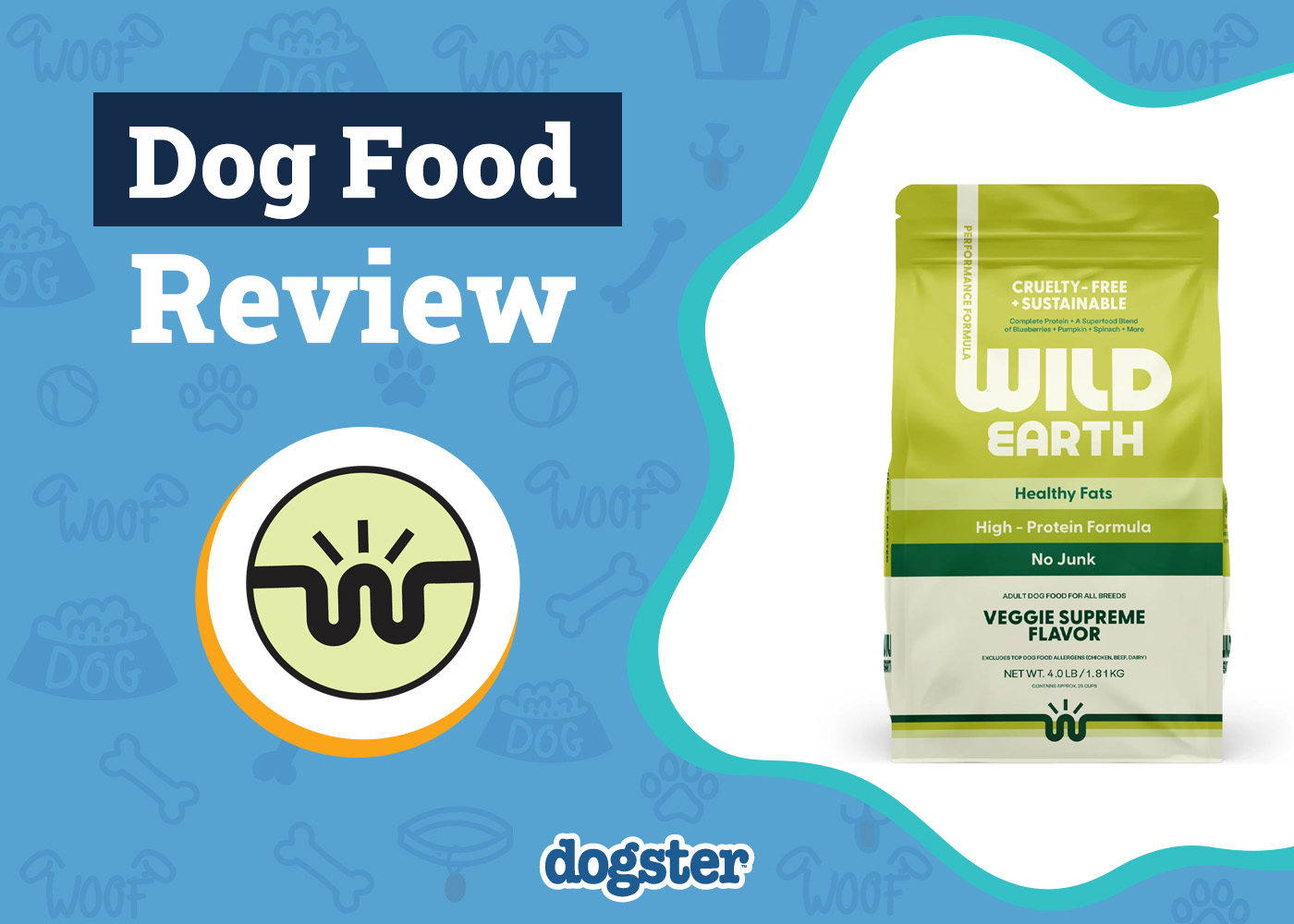
Wild Earth Dog Food Review 2026: Our Expert’s Opinion

Wild Earth is a newer brand of vegan dog food on the market. We know what you are thinking—vegan dog food? While we were a bit skeptical about the product, using the product with our own dogs and looking at...

Dogster_Wild Earth Dog Food Review

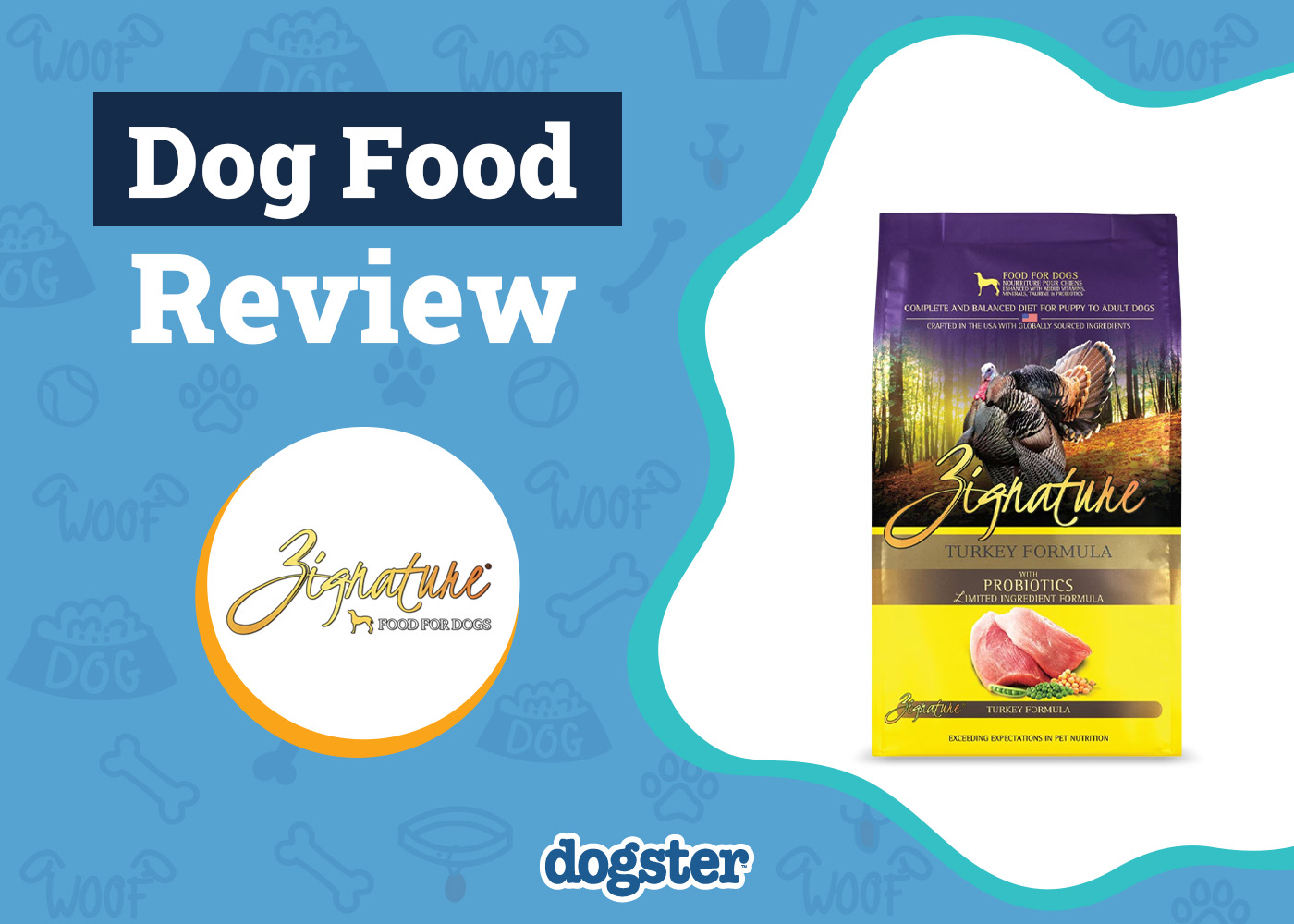
Zignature Dog Food Review 2026: Recalls, Pros & Cons

Review Summary Inspired by their own dog, Ziggy, Zignature, was founded to feed dogs with food sensitivities to reduce itchiness and digestive issues and provide them with a more comfortable and safe life. The brand continues to focus on animal...

Dogster_Zignature Dog Food Review

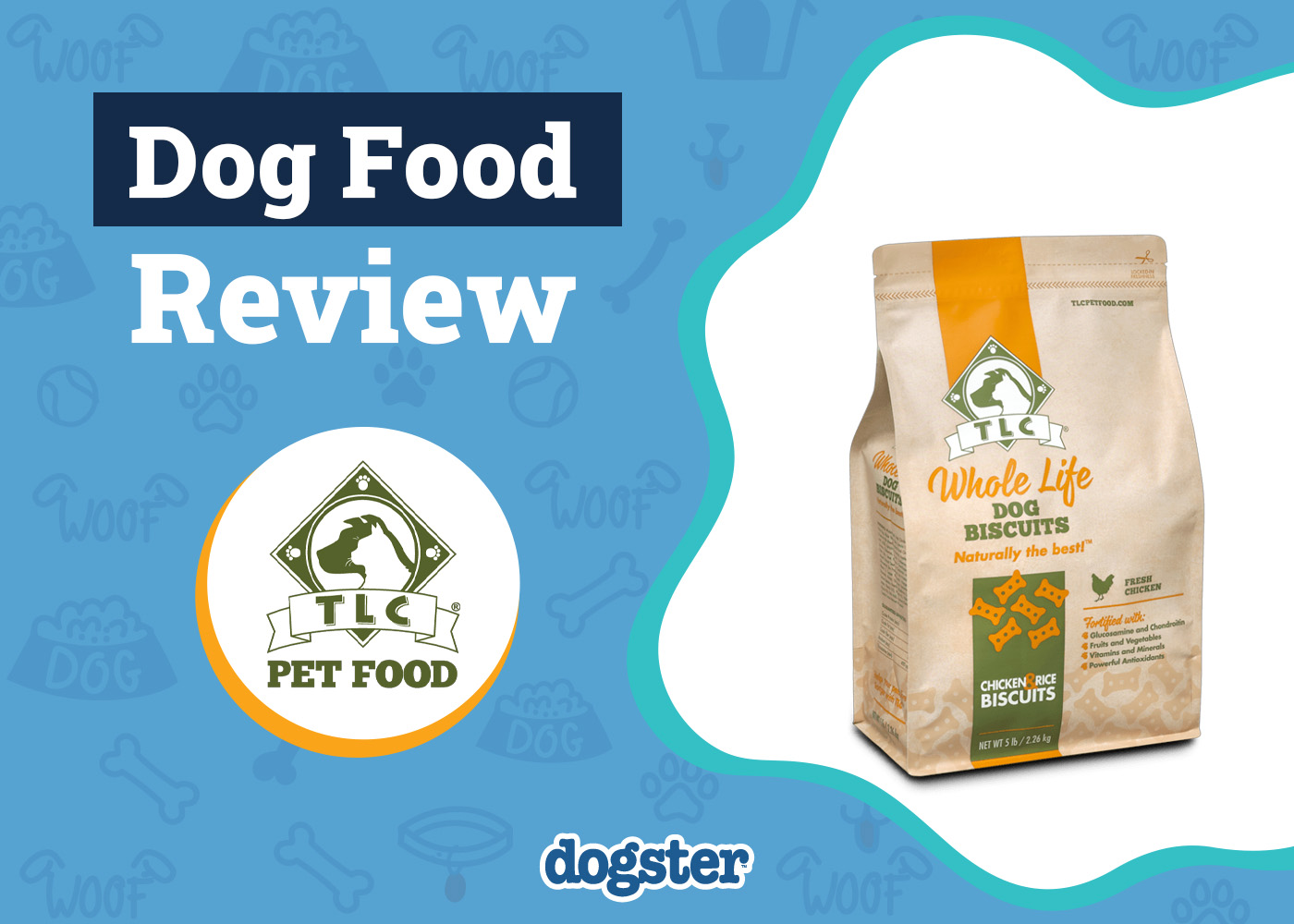
TLC Dog Food Review 2026: Recalls, Pros & Cons

Review Summary TLC Dog Food is a Canadian dog food company different from your traditional pet foods. They offer four grain-inclusive recipes: one adult recipe, one puppy recipe, one cat recipe, and one dog biscuit recipe. They certainly lack options,...

Dogster_TLC Dog Food Review

6 Homemade Dog Cake Recipes: Vet-Approved Nutritious Options

Ready to celebrate your dog? These six delicious dog cake recipes will show the world that you love your dog to the moon and back. The best part is that they’re human-grade, which means you can have a slice as...

Freshly baked carrot cupcakes on a plate

Love Dogs? So Do We! Join the Dogster Community

Stay informed with expert pet care insights delivered straight to your inbox! Discover professional guidance on animal behavior, feeding tips, trusted product picks, and much more.


Sign up for the Dogster Email Newsletter