Reactivity is one trait that can make life significantly challenging for dogs and their owners. Daily walks must stay limited to low-stress areas, dog parks are a no-go, and you constantly worry about everyday encounters with those people or objects that cause their reactive behavior.
Although it can be a deep-seated issue stemming from a long conditioning history, reactivity isn’t unsolvable. By understanding what triggers the behavior and how your dog perceives these situations, you can create strategies to alter their thinking. We recommend a veterinary visit before implementing any training strategies. Here are a few reactive dog training tips to help your dog improve.

The 7 Tips for Reactive Dog Training
Reactive dog training involves desensitizing your dog to reactive triggers and counter-conditioning them to remain calm and see the trigger as rewarding rather than stressful.
Once you identify the reactivity triggers, you can help your dog’s perception, working from a safe distance to keep your pet from becoming agitated. Gradually increasing exposure to triggers in an atmosphere of reward and positivity will, hopefully, relax their emotional response.
1. Avoid Punishment
Punishing your dog for what comes naturally to them to get out of a situation is not advisable. As your dog’s secure base, you must maintain a position of safety, a trusted point they can reference in a stressful situation.
Punishment won’t promote that dynamic and, in moments of reactivity, will likely only create negative associations with the stimulus and make it that much more anxiety-inducing.
2. Train Your Dog Below Their Reactivity Threshold
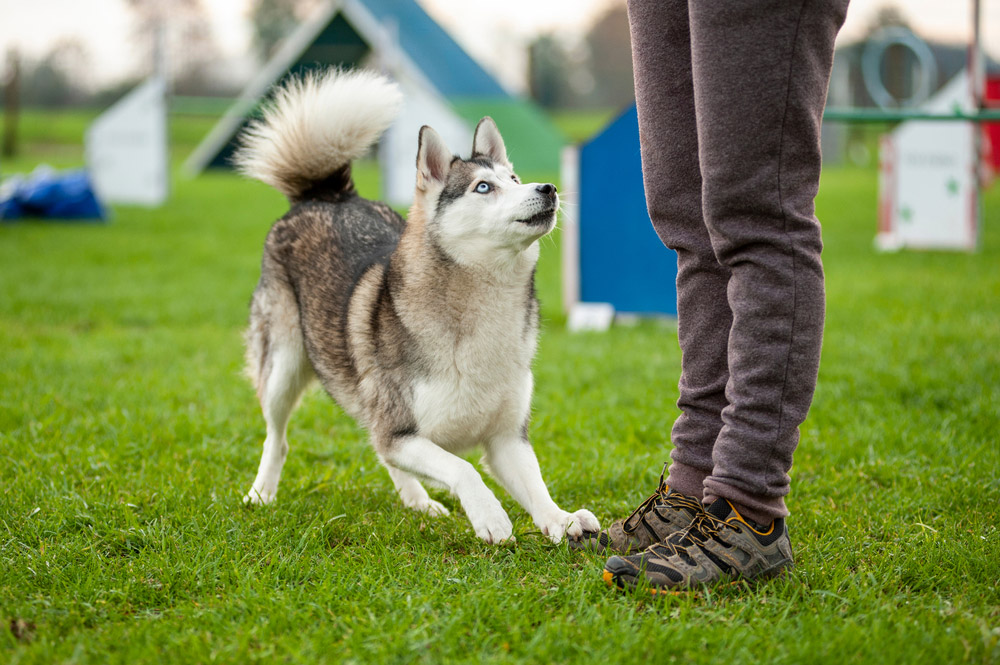
If you keep your dog successful while working on behaviors, you maintain their enthusiasm and mental activity to make training faster, easier, and more effective. If you allow them to only practice preferred behaviors, they’ll lose their muscle memory for unwanted, reactive habits.
As with any training, you’ll have to start slowly, gradually expanding on the three D’s (distance, duration, and distraction) to make the behavior concrete and generalized. With reactivity, you can focus on maintaining a safe distance.
Dogs have different thresholds for their responses. If they stay at a distance, stimuli are easier to ignore. As they get closer, your dog will reach a point where the stimulus grabs their focus and eventually engages their reactivity. When training, you want to stay in the safe zone where your dog can focus on you and remain calm.
How to Identify When a Dog Is About to React
Being successful means preventing your dog from reaching the point where they react to the trigger. To do this, you must understand the signs that your dog is about to become stressed so you can bring them to a safer distance.
- Rigid body
- Stiff, upright tail
- Raised hackles
- Flattened ears
- Fast tail wagging with little body movement
- Tension on the leash
- Fixed stare at the trigger
If your dog shows these behaviors or outright lunges on the leash, calmly remove them to a safer distance where they stop reacting. You want your dog to be relaxed.
They should be close enough to notice the trigger but still respond to cues and give you their attention when needed. As you desensitize your dog to the trigger, you can bring them closer while staying ever-aware of their changing threshold.
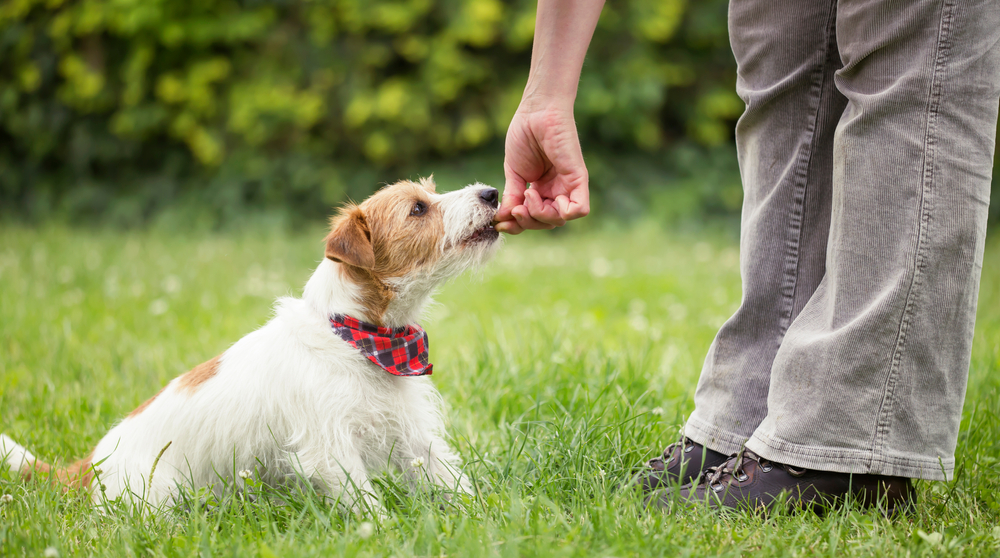
3. Use High-Value Treats for Good Behavior
In a real-world scenario, a trigger can overtake all of a dog’s attention, and their response will seem like the best course of action. To overcome this, you’ll need top-tier treats to bring their attention back to you when needed, but you need good timing to avoid rewarding poor behavior.
As you desensitize and counter-condition your dog to triggers, their favorite treats will show them that their lack of reaction yields incredible results. The rewards need to keep coming consistently, to show them a certain action reliably leads to a positive outcome, which increases the good behavior.
4. Teach the “Look at That” Game
Training “Look at That” (LAT) is one of the most popular reactive dog training tactics and is relatively easy to implement at home.
- Charge a marker word by saying the word and immediately giving a treat several times.
- While keeping a comfortable distance from the trigger outside your dog’s reactive threshold, say your marker every time your dog looks at the trigger.
- Give a treat when your dog looks back at you after hearing the marker word as they should be expecting a reward.
- When your dog understands a look equals a reward, they may naturally turn to you when they see their trigger.
Once your dog gets the hang of the game, you can gradually decrease the distance to the trigger. Your dog will gain practice in staying calm and building an association between the trigger’s presence and a reward, which trains them to view it as a positive.
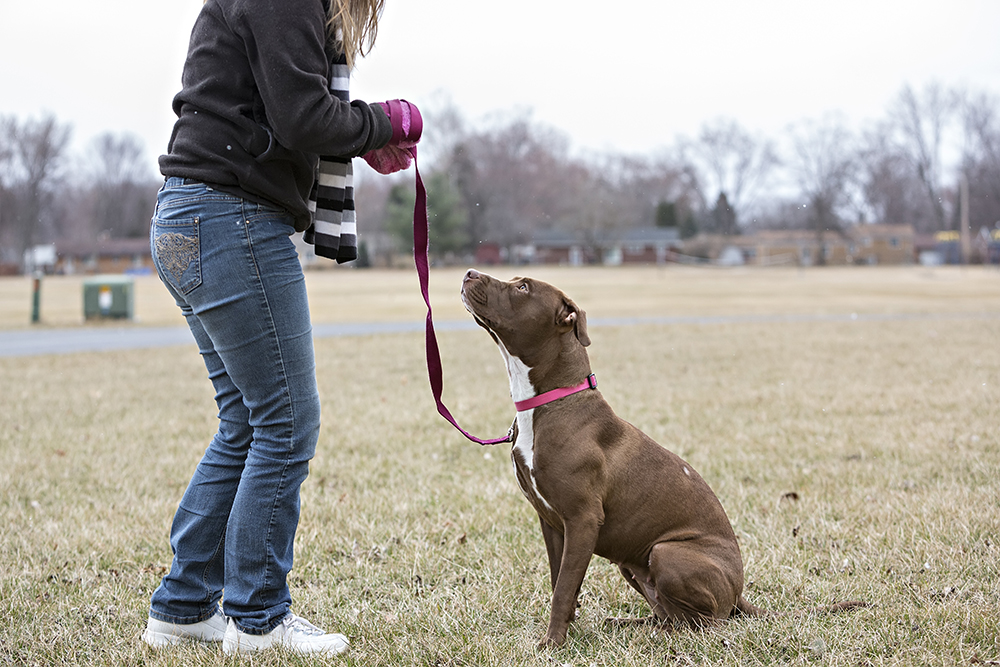
5. Keep Your Dog on a Long Leash When Possible
Although keeping your dog on a short leash is practical in some instances, when you need to keep your dog away from others, allowing them freedom on a long leash can benefit reactive pets by giving them some freedom to use body language and also reducing the stress they can feel when you keep the leash short.
Giving your dog 10–15 feet of radius to move during walks and play in the park will ease their stress, allow them to communicate more effectively, and let them enjoy enrichment in outdoor spaces. If your dog is forced to approach others head-on it sends the message that you want to fight. That being said, it’s irresponsible to let your reactive dog have a long leash if they are potentially a threat to others.
Let your dog explore. When they have space to roam in a park or other safe outdoor space where you can control the distance, they can sniff around and mentally exhaust themselves in a fun, positive way. Fitting your dog with a basket muzzle and training them to accept it may ease some of your stress around poor interactions and keep others safe in the event of an unexpected interaction.
6. Let Your Dog Dictate Their Progress
Dog owners often get excited about any minor progress they see, leaving them to hurry their dogs along in their training. Unfortunately, this can put the dog in a stressful spot, making the training counterproductive.
Your dog should dictate the pace at which they go near their trigger, with calm behavior being a signal that they are ready to progress. With your dog on a long leash, let them decide when to approach. Close or face-to-face contact is unrealistic for reactive dogs, as it may not be safe. There is no need for friendly interactions; we simply want your dog to ignore the other dog. Allow them to investigate if they display calm behavior that you can reward. While you must maintain control of the environment, you don’t have to block their view of the trigger or stop their exploration when they’re relaxed.
7. Schedule a Veterinary Consultation
If your dog’s behavior is out of character for them, underlying medical issues can sometimes be to blame. The vet should be able to give you some insight into your dog’s behavior and discuss some strategies, including training and environmental changes, to help improve your dog’s behavior. Since fear is at the root of a lot of reactive behavior in dogs, they may recommend anti-anxiety medication or over-the-counter calming products. They may also refer you to a veterinary behaviorist.
If you need to speak with a vet but can't get to one, head over to PangoVet. It's our online service where you can talk to a vet online and get the advice you need for your pet — all at an affordable price!

Conclusion
You can foster a close bond with your dog by counter-conditioning their response to triggers and managing their environment. The solutions may sound straightforward, but every dog needs a tailored, considerate approach based on their unique triggers and reasons for their reactivity.
In many cases, getting professional assistance can be the critical difference maker. Until then, using these seven tips can make small but incredibly significant adjustments to your reactive dog’s line of thinking and quality of life.
Featured Image Credit: Christian Mueller, Shutterstock
 The 7 Tips for Reactive Dog Training