The leading dog registries in the United States are the American Kennel Club (AKC) and the United Kennel Club (UKC). The UK equivalent is the Royal Kennel Club (KC), with the Federation Cynologique Internationale (FCI) on the international front. The organizations strive for breed standards, with the welfare of the animals at the forefront.
Standardization protects everyone involved and ensures the health and well-being of the dogs. Granting formal recognition is a big deal among all the groups. Each has its own procedure and requirements. Often, little-known breeds gain a following, with official status a crowning achievement of the dog’s enthusiasts.

How Are the Newest Dog Breeds Classified?
The AKC’s Foundation Stock Service (FSS) is the pathway toward formal recognition. There must be sufficient numbers to recognize a breed and develop its standard. Maintaining a studbook ensures the integrity of the dog’s lineage. Recognition by another organization is necessary to begin the process. AKC requires 40 years of documented pedigrees of the animals. A parent club is also required.
Breeds that have fulfilled these steps join the Miscellaneous Class of the AKC. The final step is acceptance into one of AKC’s formal groups. Parent clubs must also develop a breed standard that conforms to the organization’s model.
The 25 Newest Dog Breeds
The AKC accepted nine breeds in 1878. Interestingly, all were sporting dogs. It’s worth noting that breeds, as we know them today, have only been around for about 160 years. However, people have selectively bred dogs for cosmetic or job purposes for hundreds of years. Having breeds standardized the process. The dogs on our list are the newest entries, going back to 2013.
1. Chinook

| Origin: | New Hampshire, USA |
| Year Recognized: | 2013 |
| Height: | 22–26 inches |
| Weight: | 50–90 pounds |
The Chinook is an American breed developed by New Hampshire native Arthur Treadwell Walden. Walden had experience mushing and prospecting. His foundation dogs have an elite history as descendants of the Huskies used by Arctic explorer Richard Peary. Walden’s goal was a robust dog capable of hauling and sledding. Enthusiasts saved the breed from extinction in the late 1960s.
2. Portuguese Podengo Pequeno

| Origin: | Portugal |
| Year Recognized: | 2013 |
| Height: | 8–12 inches |
| Weight: | 9–13 pounds |
Portugal has three Podengo breeds, with this one being the smallest. The last word in the breed’s name means “small.” This pup is a joy to be around because they are so affectionate and happy. They were initially rabbit hunters, with their size giving them a competitive edge. They are hardy dogs and well-suited to their tasks. A group of enthusiasts saved the breed from extinction in the 1980s.
3. Rat Terrier

| Origin: | USA |
| Year Recognized: | 2013 |
| Height: | 10–13 inches (miniature); 13–18 inches (standard) |
| Weight: | 10–25 pounds |
Rat Terriers are all-purpose farm dogs, although their name indicates their main job as ratters. They are surprisingly hardy with incredible stamina for a pup of their size. They are quite intelligent animals with the energy and playfulness to match. The AKC recognizes two divisions: miniature and standard. Both are equally lively and affectionate pets.
4. Coton de Tulear

| Origin: | Madagascar |
| Year Recognized: | 2014 |
| Height: | 9–11 inches |
| Weight: | 8– 15 pounds |
The history of the Coton de Tulear goes back hundreds of years. The accepted narrative is that the breed originated from survivors of a shipwreck off the island of Madagascar. Don’t let the size of this dog fool you; they are tough and resourceful. The island people fell in love with these dogs and made them their beloved animal companions. The breed’s name means “cotton,” which is a fitting description of their fur.
5. Wirehaired Vizsla

| Origin: | Hungary |
| Year Recognized: | 2014 |
| Height: | 21.5–25 inches |
| Weight: | 45–65 pounds |
The Wirehaired Vizsla is an example of modern-day selective breeding using two existing breeds. Enthusiasts mated the Vizsla we know and love with the German Wirehaired Pointer to create a more robust dog that could better handle the challenging environmental conditions of the pup’s native land of Hungary. WWII took a toll on the breed, but it survived thanks to the devotion of its enthusiasts.
6. Bergamasco Sheepdog

| Origin: | Italy |
| Year Recognized: | 2015 |
| Height: | 22– 23.5 inches |
| Weight: | 57–84 pounds |
The history of the Bergamasco Sheepdog predates the Romans. The outstanding feature of this dog is their unique coat composed of flat flocks that give the breed its distinctive appearance. It provides excellent protection against the cold. This pooch is independent and intelligent, as you’d expect for sheepdogs. They are hardy and devoted guardians of their families.
7. Berger Picard

| Origin: | France |
| Year Recognized: | 2015 |
| Height: | 21.5–25.5 inches |
| Weight: | 50–70 pounds |
The Berger Picard is a hard-working and robust herding dog. This breed remains focused on their work. They are protective and independent, which we’d expect for canines in these jobs. Their weatherproof coats and muscular bodies make them well-suited for these roles. Back in the day, farmers allegedly used Picards to smuggle tobacco across the French-Belgium border.
8. Boerboel

| Origin: | South Africa |
| Year Recognized: | 2015 |
| Height: | 22– 27 inches |
| Weight: | 150–200 pounds |
The Boerboel has an unmistakable presence if just for their massive size. It’s not surprising, given their role as guardians against formidable predators of their native land. This dog requires an experienced owner who can assert themselves in training and early socialization. The reward is a loyal and affectionate companion who will bond closely with their family.
9. Cirneco dell’Etna
| Origin: | Italy |
| Year Recognized: | 2015 |
| Height: | 16.5–19.5 inches |
| Weight: | 17–26 pounds |
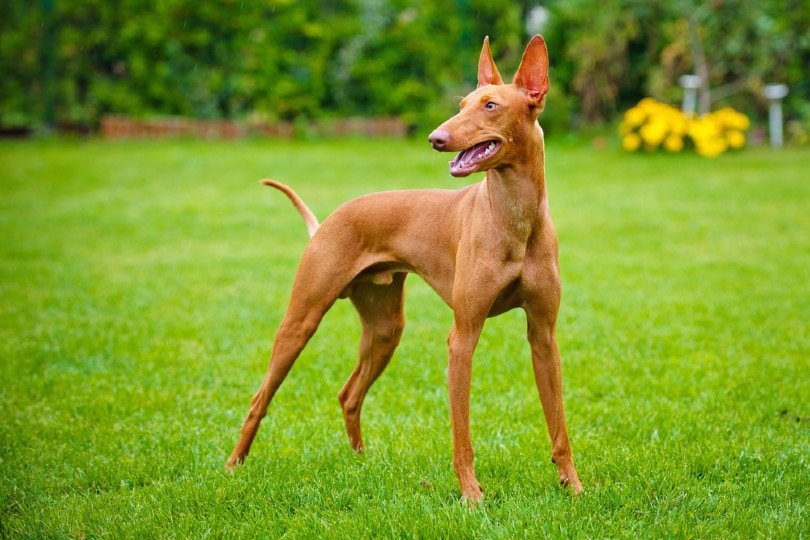
The Cirneco dell’Etna looks like an old breed straight out of Ancient Egypt with their cousin, the Pharaoh Hound. The dog’s size belies the fact that they are sighthounds with the speed to match. They are affectionate with their family and get along with other canines. Like many European breeds, it was almost a victim of the World Wars but survived due to its toughness and enthusiastic support.
10. Lagotto Romagnolo

| Origin: | Italy |
| Year Recognized: | 2015 |
| Height: | 16–19 inches |
| Weight: | 24–35 pounds |
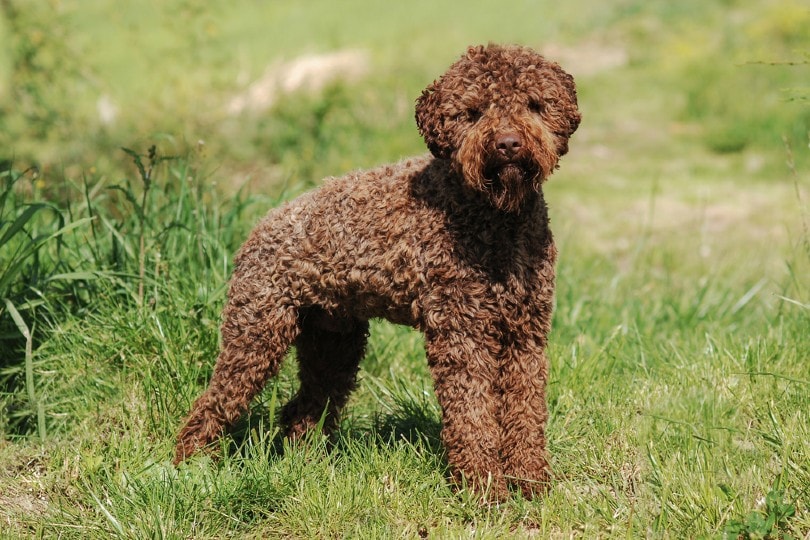
The Lagotto Romagnolo is a hunting dog, but not for game; their quarry is truffles. Their keen sense of smell, eagerness to please, and trainability make them excellent in this role. The dog’s curly coat allows them to transverse wetlands while protected from the elements. However, their role as a truffle dog trumped being a hunting companion during the mid-1800s, much to the culinary world’s delight.
11. Miniature American Shepherd
| Origin: | USA |
| Year Recognized: | 2015 |
| Height: | 13–18 inches |
| Weight: | 20–40 pounds |
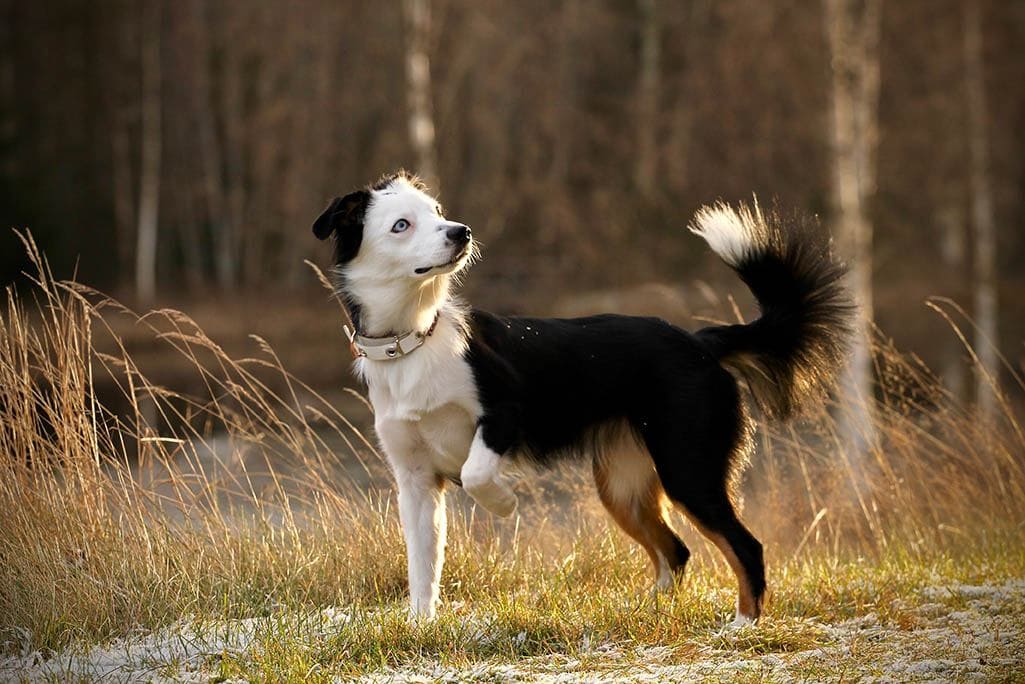
The Miniature American Shepherd is a USA take on the Australian Shepherd—the dog’s parent stock. The breed’s origin is tied to horses and the rodeo circuit. Selective breeding made the shepherd a smaller size with all the same spunk and vigor. These dogs still herd livestock, both small and large, thanks to their speed and agility. This pooch is intelligent and adaptable, making it a delightful pet.
12. Spanish Water Dog

| Origin: | Spain |
| Year Recognized: | 2015 |
| Height: | 15.5–20.5 inches |
| Weight: | 31–49 pounds |
The Spanish Water Dog is an energetic dog that is eager to please. Mental stimulation is vital for this pooch. The breed’s history includes waterfowl hunting and herding, making it a versatile canine. Its past also makes this dog hardy and hard-working, going back at least 800 years. The breed is versatile, with them finding work in search and rescue and the fishing industry.
13. American Hairless Terrier

| Origin: | USA |
| Year Recognized: | 2016 |
| Height: | 12–16 inches |
| Weight: | 12–16 pounds |
The American Hairless Terrier is an excellent choice for active families with children. This dog has the energy to keep up with everyone with the typical terrier attitude. The breed comes in hairless and coated varieties. They are adaptable, making them an excellent choice for apartment dwellers. They are also intelligent and eager to please.
14. Pumi

| Origin: | Hungary |
| Year Recognized: | 2016 |
| Height: | 15–18.5 inches |
| Weight: | 22–29 pounds |
The Pumi is definitely high-energy, trainable, and eager to please. Enthusiasts selectively bred this dog as a herding animal. It is the oldest of the three Hungarian sheepdogs. The Pumi is an independent and intelligent dog, traits that benefit them at their jobs. Today, the breed is part of the AKC’s Herding group.
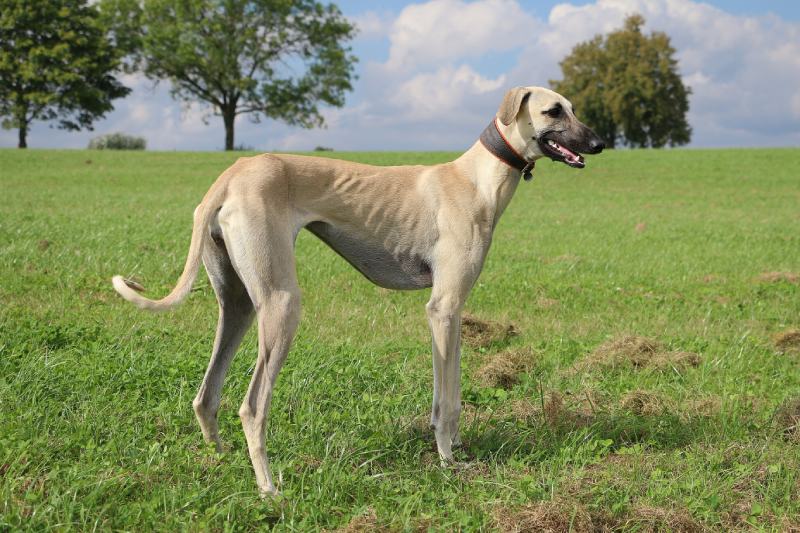
15. Sloughi
| Origin: | Northern Africa |
| Year Recognized: | 2016 |
| Height: | 24–29 inches |
| Weight: | 35–50 pounds |
The Sloughi is a fast sighthound, sometimes called the Arabian Greyhound. This pup has an elegant stance that is unmistakable. People selectively bred this dog for speed to hunt the swift game of the plains, such as rabbits and gazelles. This pooch is all muscle. Like many breeds on our list, this one wasn’t known outside of its native land. The breed first came to the United States in 1973.
16. Grand Basset Griffon Vendéen

| Origin: | France |
| Year Recognized: | 2018 |
| Height: | 15.5–18 inches |
| Weight: | 40–45 pounds |
The Grand Basset Griffon Vendéen is one of the sweetest dogs you’ll ever meet. This breed was originally a French scenthound and has many of the traits you’d expect, including getting along with other dogs. The pooch’s thick coat is an asset when in the field. The dog’s stamina is another welcome trait. Regular exercise and mental stimulation are essential to keep this dog healthy.
17. Nederlandse Kooikerhondje

| Origin: | The Netherlands |
| Year Recognized: | 2018 |
| Height: | 15–16 inches |
| Weight: | 20–30 pounds |
The Nederlandse Kooikerhondje is an energetic sporting dog that is easy to train. They are easygoing and affectionate canines. Their history goes back hundreds of years as a water dog. The breed struggled through the war years but survived by transitioning into a faithful family pet. The Netherlands only recognized the breed in 1971 despite its long history.
18. Azawakh

| Origin: | Western Africa |
| Year Recognized: | 2019 |
| Height: | 23.5–29 inches |
| Weight: | 33–55 pounds |
The Azawakh is another African sighthound with a lean and elegant form. This breed is somewhat aloof and not as welcoming to strangers and other dogs as some breeds. They are handsome animals that are known for their speed. They are tough and able to handle extreme conditions, which is what they would experience in their native land.
19. Barbet

| Origin: | France |
| Year Recognized: | 2020 |
| Height: | 19–24.5 inches |
| Weight: | 35–65 pounds |
Dogs don’t get much cuter than the Barbet. The pup’s shaggy coat belies the fact that they are excellent hunting companions. They are strong and agile in the field. They are also easygoing, even with all the action going on around them. The Barbet is an affectionate pet with their family and easy to train.
20. Dogo Argentino

| Origin: | Argentina |
| Year Recognized: | 2020 |
| Height: | 24–26.5 inches |
| Weight: | 80–100 pounds |
The Dogo Argentino is a playful and happy dog that will readily show their affection for their family. They are intelligent canines that must get regular mental stimulation to avoid becoming destructive. They are muscular animals that will present a formidable challenge to anyone threatening their family. The Dogo is also a big-game hunter in their native land.
21. Belgian Laekenois

| Origin: | Belgium |
| Year Recognized: | 2020 |
| Height: | 22–26 inches |
| Weight: | 55–65 pounds |
The rough coat of the Belgian Laekenois gives this dog a rustic appearance. They’re intelligent and easy to train, as we’d expect from a herding dog. While loving with their family, they are somewhat aloof to strangers until properly introduced. They can also be independent, another common trait. Nevertheless, they are adaptable pets and good for families with older children.
22. Biewer Terrier

| Origin: | Germany |
| Year Recognized: | 2021 |
| Height: | 7–11 inches |
| Weight: | 4–8 pounds |
The Biewer Terrier was a born companion animal, although the breed breaks the mold for the typical terrier. This pup loves everyone and will be sure they notice them. They are part of the toy group of the AKC. Their behavior reflects it, with a playful, lighthearted nature. The Yorkshire Terrier was the original inspiration for this breed with their characteristic coloration.
23. Bracco Italiano

| Origin: | Italy |
| Year Recognized: | 2022 |
| Height: | 21–27 inches |
| Weight: | 55– 90 pounds |
The Bracco Italiano is an easygoing and enthusiastic dog, always ready to play. They are easy to train with the energy to follow through with the task. This breed was originally a gun dog and pointer, with the stature to succeed in the field. Its history goes back over 2,000 years. It’s one of the oldest pointers. Italian nobility and falconers took a liking to the pup, adding to its popularity.
24. Mudi

| Origin: | Hungary |
| Year Recognized: | 2022 |
| Height: | 15–18.5 inches |
| Weight: | 18–29 pounds |
The Mudi is one of three Hungarian sheepdogs. They are hard-working yet playful. These dogs are energetic and always on the move. Unsurprisingly, they are also vocal to keep livestock moving. The Mudi is a spirited dog that takes their job seriously even though they are smaller than their counterparts. The breed received official recognition in Hungary before WWII to preserve its legacy.
25. Russian Toy

| Origin: | Russia |
| Year Recognized: | 2022 |
| Height: | 8–11 inches |
| Weight: | Up to 6.5 pounds |
The Russian Toy looks surprisingly like a tall Chihuahua. This dog loves to play and snuggle. They come in two varieties: long and semi-long. The breed was a favorite of the Russian aristocracy and the upper class for hundreds of years. Luckily, it survived the Russian Revolution of 1917 thanks to the loyal support of enthusiasts.
Final Thoughts
Several themes link many of these breeds together. For example, several are ancient, with a long history and relationship with people. Sadly, many breeds also experienced the hardship of two World Wars that almost decimated them. The survivors are a testament to the devotion and love the champions of these dogs have known. The world is a better place with these newer 25 canine breeds.
Related Reads:
- How Much Does It Cost to Own a Bergamasco? Price Guide
- Common Dog Breed Abbreviations to Learn Today!
Featured Image Credit: Ricantimages, Shutterstock
 How Are the Newest Dog Breeds Classified?