Keeping our dogs healthy and happy is an integral part of looking after them. When your dog starts intentionally pressing their head into the wall and you’re not sure if your dog is being silly or if it’s something to worry about, you should know that it’s usually an indication that something is wrong.
If your dog is pressing their head against a wall, they need immediate veterinary attention. Here, discuss the potential causes and signs of head pressing and how it might be treated by your vet.

What Is Head Pressing?
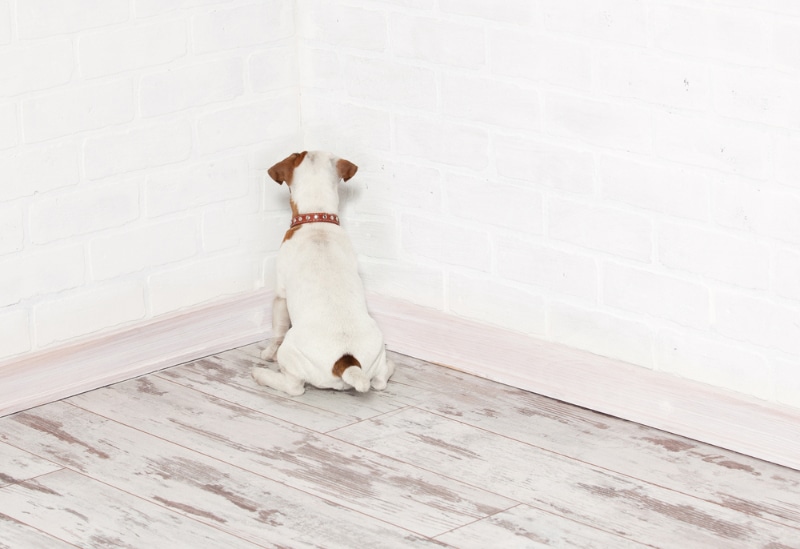
Head pressing is exactly what it sounds like: The dog will stand next to a firm surface, such as a wall, corner, or other stationary object, and press their head against it.
It’s not always known if it is a sign of pain or discomfort or if the dog is suffering from some kind of cognitive dysfunction. However, it is most commonly because of a neurological problem, which can have different causes.
What Are the Signs of Head Pressing?
Beyond the head pressing, there can be other signs that indicate that the dog has a serious illness.
- Ataxia (incoordination)
- Walking in circles or pacing
- Sores in feet from excessive pacing
- Bumping into things
- Notable changes in behavior
- Seizures
The 7 Causes of Head Pressing
1. Metabolic Disorders
Metabolic issues can affect how the nervous system functions. Hyponatremia, a sodium deficiency, or hypernatremia, too much sodium in the blood, and liver or kidney disease can all lead to nervous system dysfunction and head pressing.
- Loss of appetite
- Weight loss
- Vomiting
- Diarrhea
- Increased thirst
- Frequent urination
- Blood in feces or urine
- Yellowish tongue, gums, or eyes
2. Tumor
Head pressing can also indicate a brain tumor or a secondary tumor in other parts of the body.
Unfortunately, tumors are among the more common neurological issues, particularly in senior dogs, but the reason for them isn’t always known. It can be from environmental or genetic factors.
3. Inflammation of the Brain
Inflammation of the brain occurs with conditions like meningitis, in which the membranes around the brain become inflamed.
There is also encephalitis, which is inflammation of the brain itself, or a combination of the two with meningoencephalitis. It can be the result of an infection or unknown causes.
4. Infections of the Nervous System
Head pressing can be a sign of a viral, fungal, or bacterial infection affecting the nervous system. Infections can spread through parasites, environmental exposures, or animal bites, such as rabies.
- Lethargy
- Fever
- Nasal discharge
- Diarrhea
- Vomiting
- Respiratory issues, such as coughing and sneezing
If you’re concerned about your pet’s well-being, we recommend you contact a veterinarian.
If you need to speak with a vet but can't get to one, head over to PangoVet. It's our online service where you can talk to a vet online and get the advice you need for your pet — all at an affordable price!
5. Toxins
Other causes can be poisoning from toxins, specifically lead poisoning, which can affect the dog’s brain and lead to head pressing.
- Diarrhea
- Loss of vision
- Lack of appetite
- Vomiting
- Signs of high anxiety
6. Stroke
A stroke can damage brain cells, potentially leading to issues like head pressing, incoordination, a head tilt, abnormal eye movements, a change in personality, and seizures.

7. Head Trauma
Certain kinds of head trauma can lead to head pressing due to a brain injury. This can occur from things like a fall, rough play, or a car accident.
Without treatment, the brain can suffer from swelling and bleeding, and the dog can end up with permanent brain damage.
- Bleeding from the nose or ears
- Abnormal eye movements
- Change in pupil size
- Trouble walking
- Loss of consciousness
- Lethargic
- Weakness
- Seizures
Any injury to the head must be examined by a veterinarian immediately, even if your dog seems okay.
How Do I Care for a Dog That Is Head Pressing?
How a dog is cared for depends on what is causing the head pressing. Once you’ve noticed your dog pressing their head into something solid, take them straight away to your veterinarian.
Your vet will give your dog a complete physical exam, which will likely include X-rays and blood work. If the trouble lies in the brain, a veterinary neurologist might run an MRI of the brain as well.
The eyes will also get a thorough exam, particularly the back of the eyes, which will help the vet know if there is an inflammatory or infectious disease.
You may need to bring your dog in for several follow-up appointments, so your vet can monitor their progress. You must follow your vet’s advice on the care of your dog while at home. This might include giving your dog plenty of rest and keeping the environment as stress-free as possible. You might also need to give medication to your dog.
Depending on what is causing the head pressing, how you care for your dog at home ultimately comes down to your vet’s instructions.
Frequently Asked Questions (FAQ)
Should a Dog Sleep After a Head Injury?
It’s generally not recommended to allow your dog to sleep after a head injury. If the injury is minor, it’s best to keep them awake for several hours to monitor for any signs of a concussion. Speak to your vet to determine if and how long your dog must stay awake.
Can I Treat My Dog’s Head Injury at Home?
No, even if your dog seems fine, it’s best to err on the side of caution and take your dog to the vet immediately. An untreated head injury can result in seizures and coma and can prove fatal.
How Long Does It Take a Dog to Recover From Head Trauma?
Head injuries are tricky. They can sometimes get worse before they get better, and it might take days before the signs of the injury start to show up. Depending on the extent of the injury, it can take as long as 6 months or so before they have fully recovered.
Conclusion
If your dog is pressing their head against your arm or chest, they are likely just looking for attention and pets. But if your dog is pressing their head against the wall or anything else firm and stationary, take them to your vet immediately!
Head pressing is almost always a sign that something is quite wrong, particularly if you notice your dog behaving differently in other ways. You know your dog best, and if anything ever seems amiss, you should always contact your vet.
Featured Image Credit: Gladskikh Tatiana, Shutterstock