In this article
View 8 More +The Estonian Hound is a medium hound that originated in Estonia, as you might guess from their name. They’re the only dog breed from Estonia, and they’ve been appropriately named the country’s national dog breed for this reason.
They were bred in the 1930s and 1940s using many other scent hounds, including the Finnish Hound, Harrier, and Beagle. However, they weren’t officially recognized by any major kennel club until 2019.
Breed Overview
Height:
17–44 inches
Weight:
33–44 pounds
Lifespan:
12–15 years
Colors:
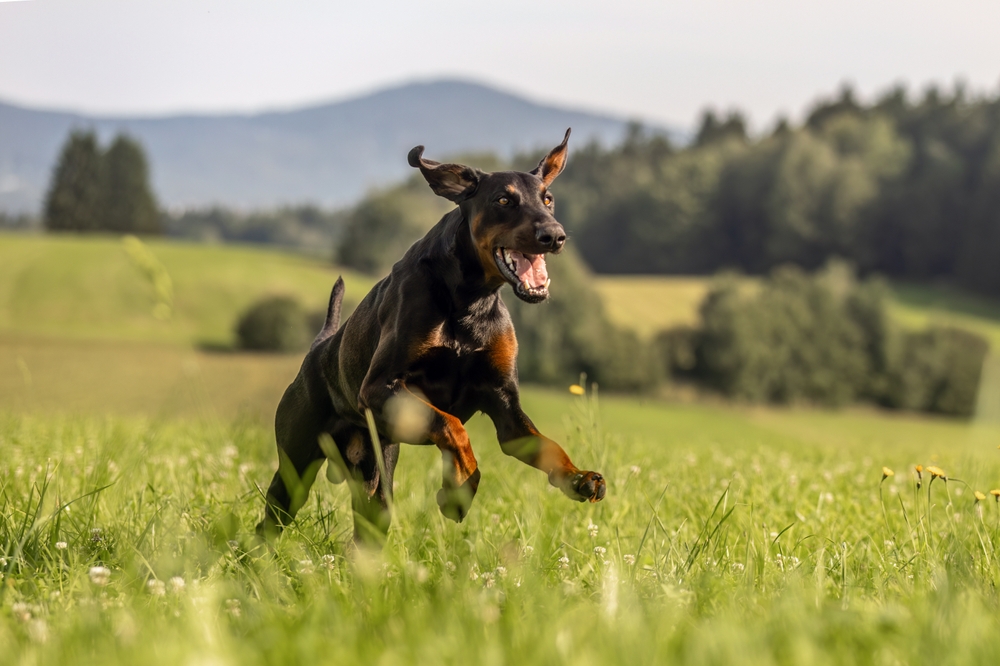
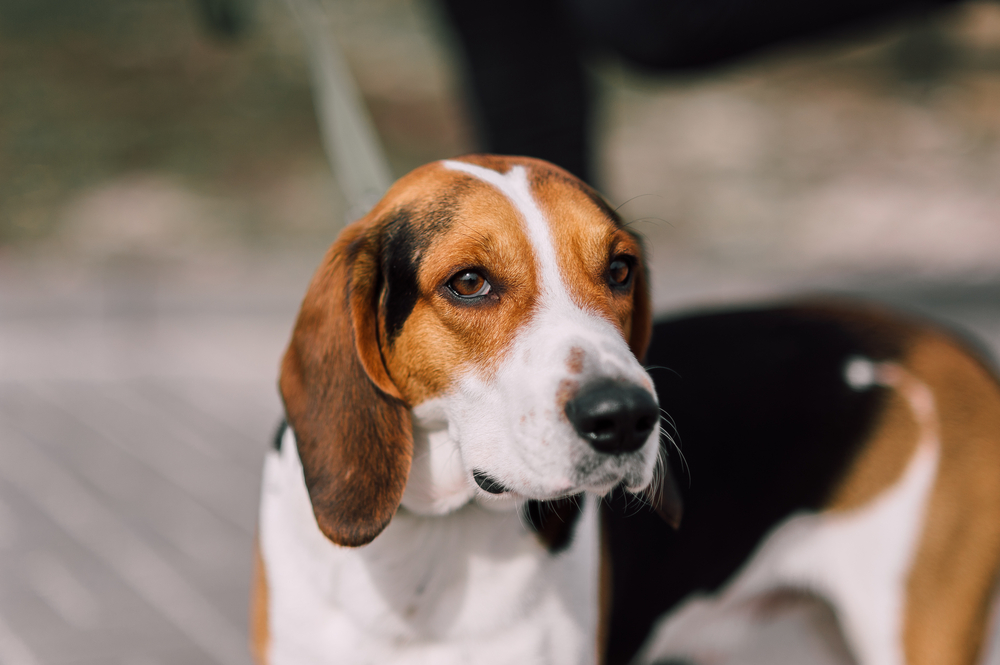
Black and tan with white markings
Suitable for:
Active families and hunters
Temperament:
Intelligent, outgoing, friendly
While these dogs have been around for nearly 100 years, they’re incredibly rare in the United States. They are not recognized by the AKC, largely due to their rarity in the US. Finding a breeder is practically impossible, as well.
Often, families will need to import their dogs from Europe or Estonia specifically if they want one of these puppies.
Estonian Hound Characteristics

Estonian Hound Puppies
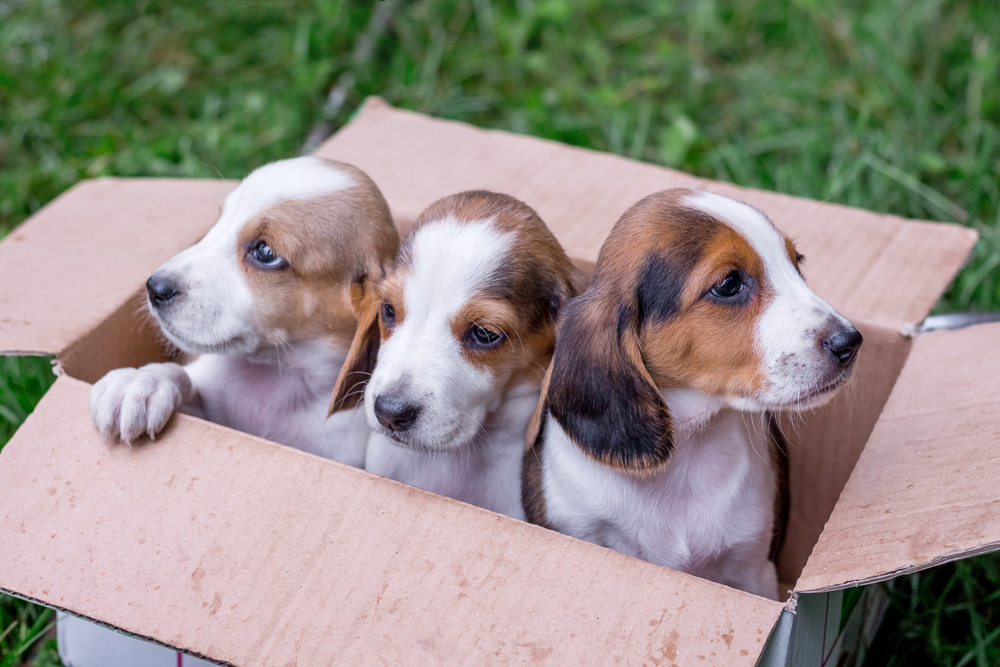
Like most puppies, Estonian Hound puppies are very playful and energetic. They’ll spend much of their awake time running around, and most start exploring with their nose very early. They also bond closely with their family and other dogs, loving just about everyone.
However, socialization at this age is still important. These dogs tend to be friendly, but any canine can develop health issues if they are not socialized properly from a young age.
Finding one of these puppies requires lots of dedication. They’re incredibly rare outside of Estonia, and there are very few breeders that specialize in them. You’ll likely have to travel and import a puppy if you live outside of Europe. It’s important to choose a responsible breeder who focuses on the health and temperament of their dogs.
While Estonian Hounds are intelligent, their strong hunting instincts often get the best of them. They will follow just about any scent trail, even from a young age. Therefore, we recommend you start training them early. Puppy obedience classes are a great way to start their training.
Temperament & Intelligence of the Estonian Hound 🧠
These dogs are very similar to other scent hounds. They’re very friendly and affectionate, getting along with just about everyone. They also get along well with children and even other dogs, especially when properly socialized. They’re pack-oriented animals, preferring to be with someone (or another dog) at all times.
Because of their hunting instincts, they can be a bit temperamental with small animals. However, it is possible to properly socialize them with cats to prevent chasing. Estonian Hounds are very playful well into adulthood. They’re pretty energetic and can be very vocal. They may not work best for those wanting a quieter companion. While they can be energetic, these dogs are also very adaptable. They aren’t prone to aggression or fearfulness.
These hounds are intelligent, which can make them easier to train than others. However, they’re also very independent. It’s important to start obedience training early and have very clear, consistent house rules. Otherwise, these dogs can be challenging to train.
They’re also very distractible outdoors. If they find a scent they’re interested in, they typically get “selective hearing.” They were bred to follow scents without worrying about what else was going on, so it is vital that you keep them contained at all times.
Are These Dogs Good for Families? 🏡
Estonian Hounds can be great family dogs. They tend to be very friendly and gentle, making them great for families with children. Their playful nature also works great for active families. At the same time, they’re easily adaptable to different situations and people, allowing them to go with the flow more than other breeds.
However, that doesn’t mean that they’re great for all families. They have a strong prey drive and will follow any scent they come across. Their independent nature tends to lead to stubbornness, so they work best with experienced owners who have trained dogs previously.
Plus, they also need plenty of exercise. Daily walks, playtime, and mental stimulation are all necessary for them to stay happy and healthy. Like many hounds, they’re also pretty vocal. They aren’t the best choice for noise-sensitive owners.
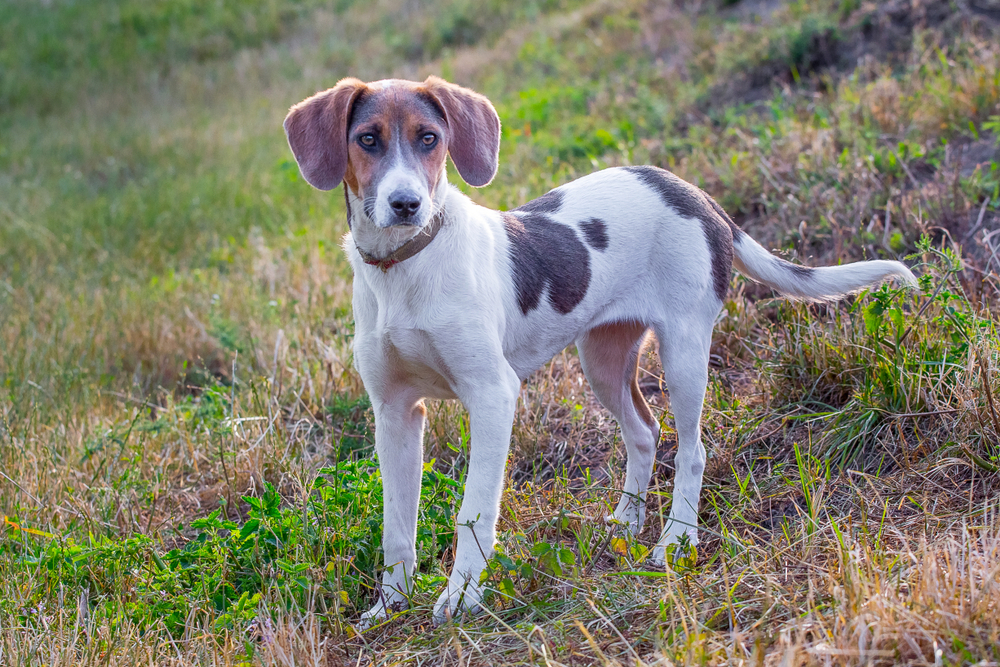
Does This Breed Get Along with Other Pets? 🐶 😽
Estonian Hounds tend to get along well with other dogs. When properly socialized, they’re generally friendly. They were bred to hunt in packs, so they often liked being around other dogs. In fact, we recommend them specifically for multi-dog households.
However, they can be troublesome with cats and other small animals. Their strong prey drive tends to cause chasing. While proper socialization can help, these dogs shouldn’t be left alone with cats, as they’re very prone to sudden chasing.
Things to Know When Owning an Estonian Hound
Food & Diet Requirements 🦴
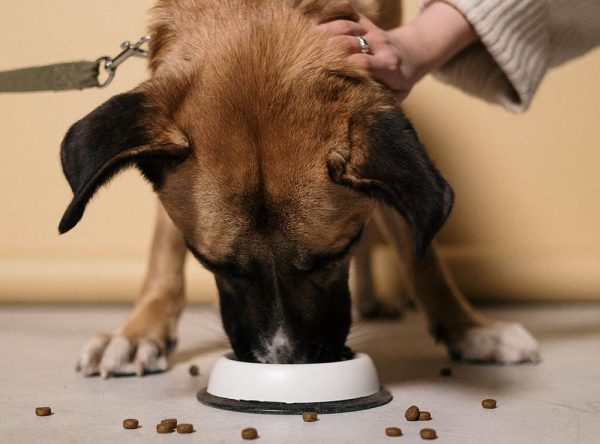
Estonian Hounds are incredibly energetic dogs. Therefore, they often benefit from a high-protein diet, especially when they are young adults. Of course, you should base this on your dog’s activity level. If your dog is spending hours running around, consider purchasing food designed for very active dogs.
Otherwise, they don’t have any special dietary needs. They do well on any high-quality dog food formula. As medium-sized dogs, they don’t need any special nutrients or specifically designed food.
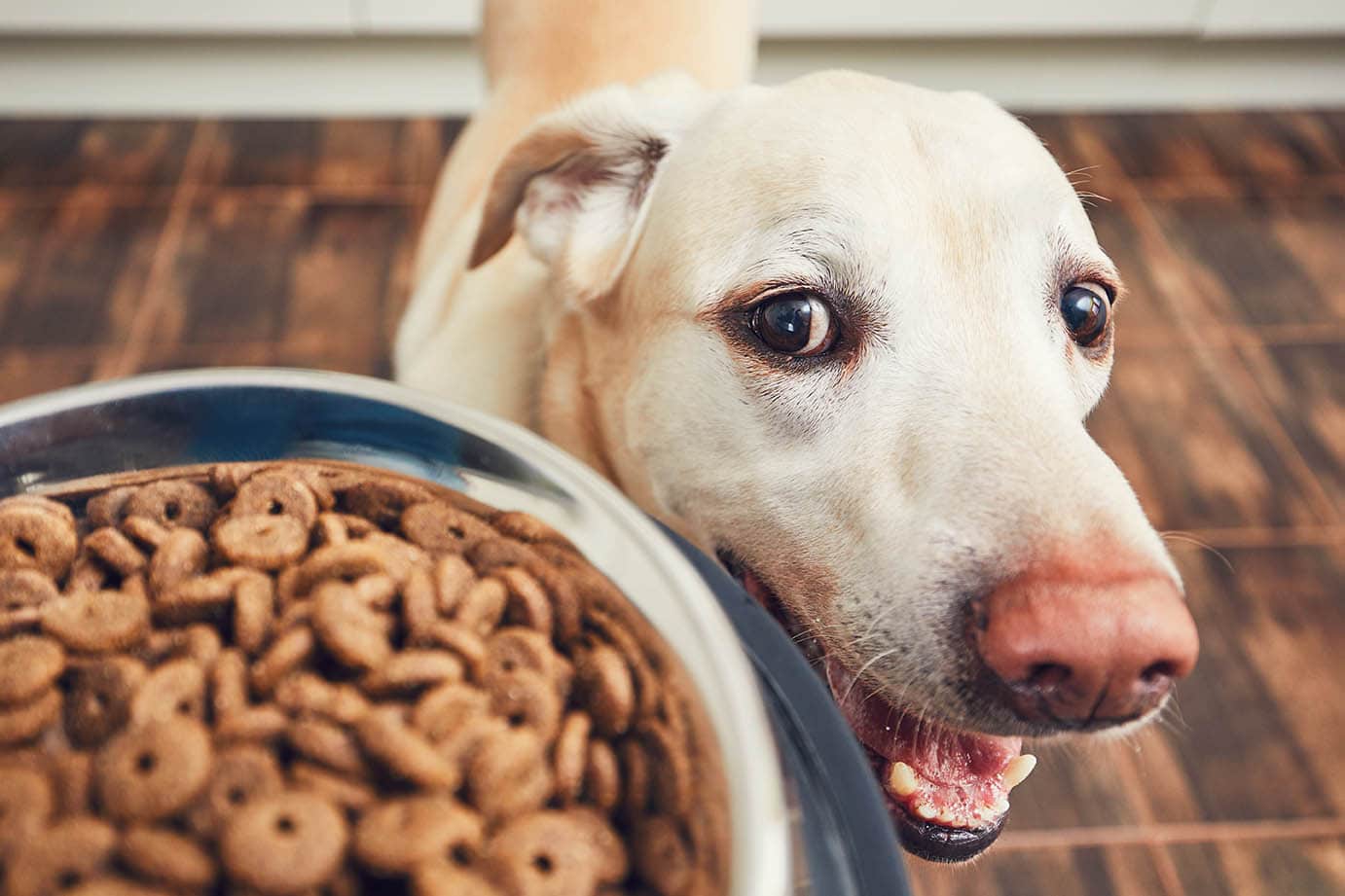
These hounds can be very food-driven, making them prone to overeating. It’s vital that you feed them the proper amount of food for their size and activity level. Don’t free-feed, as this can make them very prone to obesity. Instead, measure out their portions and divide their daily food into two to three meals. Younger dogs may need three feedings due to the small size of their stomach.
Avoid table scraps, as this can lead to further overfeeding. Plus, many human foods are toxic to dogs, including many of the spices we cook with. Feed treats in moderation. If you’re going through a period of heavy training, consider using a portion of their food for training purposes.
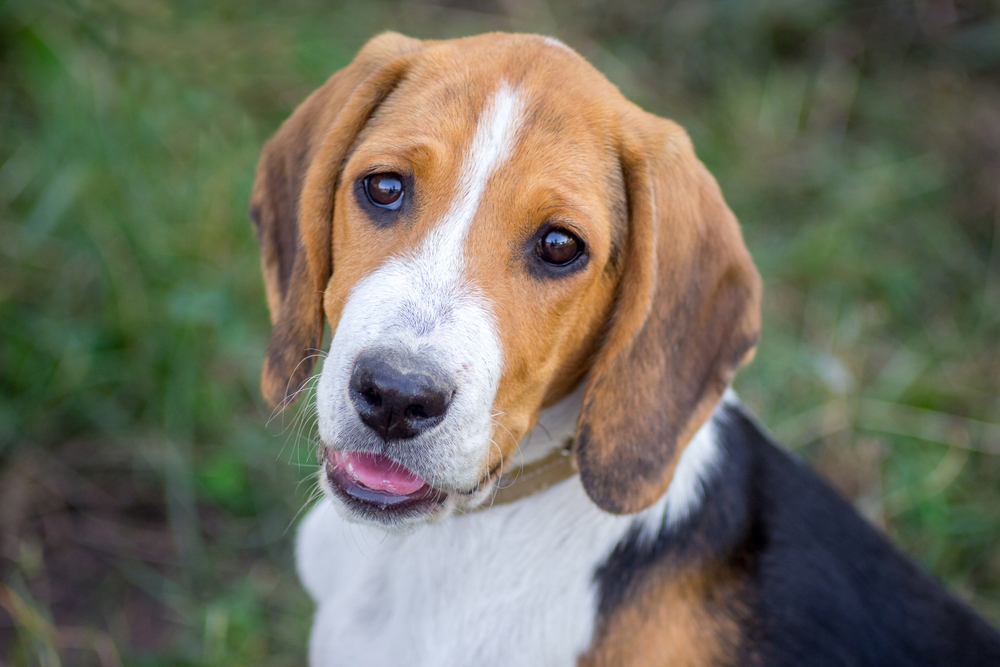
Exercise 🐕
Estonian Hounds are active and need plenty of exercise. Aim for 1–2 hours of vigorous exercise each day. Try to implement several kinds of exercise, including walking, jogging, and playtime. Mixing things up can help your dog stay mentally stimulated, which is also important.
Don’t stick to the same routine every day, either. Change your walking route or try a new game. These dogs love scent work, which you can also use to keep them active. Puzzle toys and training sessions can also help them stay entertained, which is just as important as physical activity.
Because these dogs require so much exercise, they do best in active families. If you have a larger family with many active children, these dogs can meet some of their exercise needs through playtime outside.
Training 🦮
These hounds are intelligent and somewhat eager to please. They can be relatively easy to train, however, they are also independent and easily distracted. Their strong prey drive can get in the way of training, even with the best dog trainer.
Luckily, they are very food-driven. Focus on positive reinforcement with treats. With the right high-value treat, you can increase your training success. You may have to carry treats around in your pocket, though. Without the ability to catch their attention with treats, it can be hard to get their attention otherwise.
Consistency is also important. They’re intelligent enough to figure out how to get around weak rules. If one member of the family lets them get away with something, they will remember and take advantage of it. Harsh punishments and corrections tend to backfire, as they can ruin your relationship with your canine.
Training is absolutely necessary to keep their minds active. Boredom can lead to behavioral problems. As they get older, consider training them in scent work.
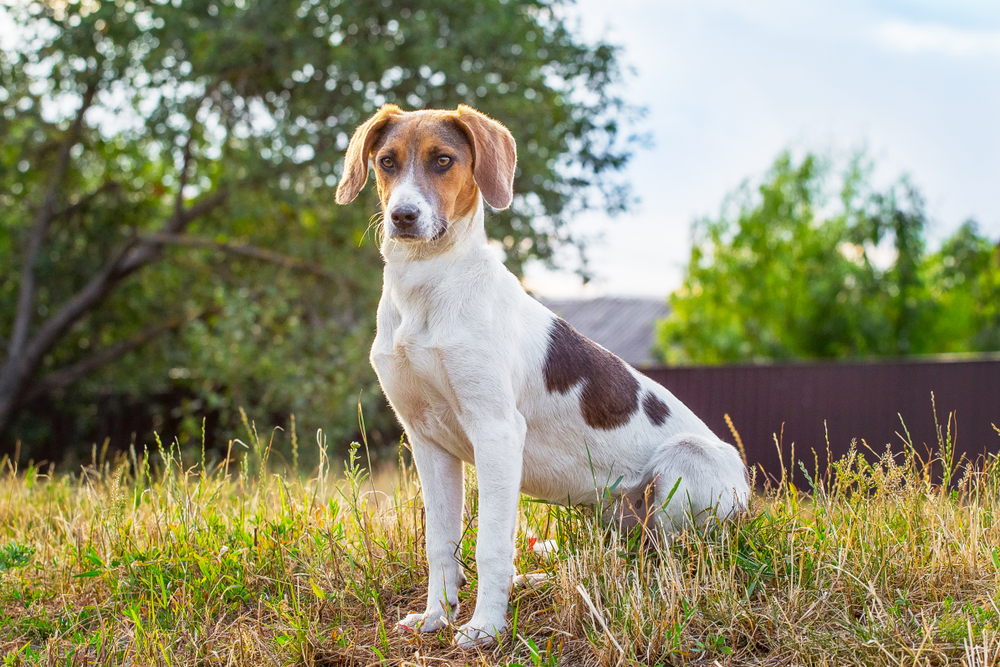
Grooming ✂️
Luckily, Estonian Hounds don’t have many grooming requirements. They are fairly low-maintenance in this way, thanks to their short, coarse coat. However, regular care is still necessary to keep them healthy.
Weekly brushing with a slicker brush or hand glove is recommended. It helps their coat stay clean. You’d be surprised by the amount of dust and debris that brushing can remove. Of course, it also helps remove loose hair as an added benefit. Brush in the direction of hair growth and pay attention to areas that tend to get especially dirty.
You shouldn’t need to bathe your dog much at all, especially if you stay on top of brushing them. Twice or three times a year is plenty for the average hound unless they roll in mud or otherwise get very dirty. Use a gentle shampoo when you bathe your dog, as they can be prone to skin irritation.
Because of their floppy ears, they are prone to ear infections. Their ears trap dirt and debris, leading to bacteria and yeast growth. Therefore, it’s highly recommended that you check their ears regularly. If you notice any debris or wax buildup, gently clean the parts you can see with a damp cloth. Don’t stick anything into their ear.
Gently trim their nails every two to four weeks. Otherwise, their nails can become overgrown and uncomfortable. A groomer and veterinarian can assist you if you feel uncomfortable doing this part of grooming yourself. You also need to brush their teeth every other day. Just like us, dogs can develop dental issues without proper care.
Health and Conditions ❤️
Estonian Hounds are considered very healthy with few health issues. Due to their rarity, any health issues they may have aren’t well known.
Of course, like all dog breeds, they can be susceptible to certain health issues. For instance, they can still get all viruses and bacterial infections that other dogs can. Vaccinations are important to prevent these illnesses, especially in puppies and older dogs that are particularly prone to complications.
Due to their floppy ears, they can be prone to ear infections. It’s important to keep an eye on their ears and clean them regularly. Vet checkups can also help spot any potential problems, as many dogs may not show signs of ear infections.
Because they are food-driven, they tend to overeat. Eventually, this can lead to obesity. Overfeeding and lack of exercise are the primary causes of obesity, so it’s important to measure your dog’s food properly and keep them active.
Skin allergies can also be prevalent in this breed. Itching, redness, and discomfort are all signs of allergies. These signs can be caused by both food and environmental allergens. Eliminating the allergen when possible is the best way to combat this health problem.
Like many dog breeds, they can also be prone to progressive retinal atrophy, which can cause blindness. This condition is genetic and incurable.
- Obesity
- Ear infections
- Allergies
- Progressive retinal atrophy
Male vs. Female
These dogs don’t have many differences between the males and females of this breed. There may be a slight size difference, with males being bigger. However, these dogs typically aren’t large enough for this difference to be obvious. Males may weigh 3 or 4 pounds more. However, there are plenty of females that are larger than smaller males.
If not spayed or neutered, hormonal differences can lead to temperament differences, too. For instance, males may mark more often than females due to their higher amount of testosterone. Spaying and neutering greatly decrease any differences, though.
3 Little-Known Facts About the Estonian Hound
1. They tend to “howl” more than bark.
Estonian Hounds can be incredibly vocal. However, they tend to howl more than bark. They do have short, sharp barks that they share with some other hound breeds, but the vast majority of their vocalizations will be closer to howling.
2. They’re probably very old.
While we don’t know a lot about this breed’s history, it’s very likely they are older than many other breeds. They’re related to most other scent hounds, with a common ancestor that probably lived thousands of years ago.
3. Estonian Hounds have very versatile noses.
These hounds were originally bred to hunt. However, they can also use their noses for a range of other applications. For instance, they can be used for border patrol duties to detect and smell contraband. Their gentle nature and playful spirit can also make them great therapy dogs.
Final Thoughts
Estonian Hounds are closely related to other scent hounds. They even share the common tri-color coat pattern that Beagles and similar breeds possess. However, they are much rarer than most scent hounds found in the United States. Despite being pretty old, these dogs aren’t recognized by the American Kennel Club.
Therefore, finding this breed in the United States is challenging. Often, you’ll have to import these dogs from Estonia directly, and finding a breeder even within their home country can take some dedication.
Featured Image Credit: Plotitsyna NiNa, Shutterstock