In this article
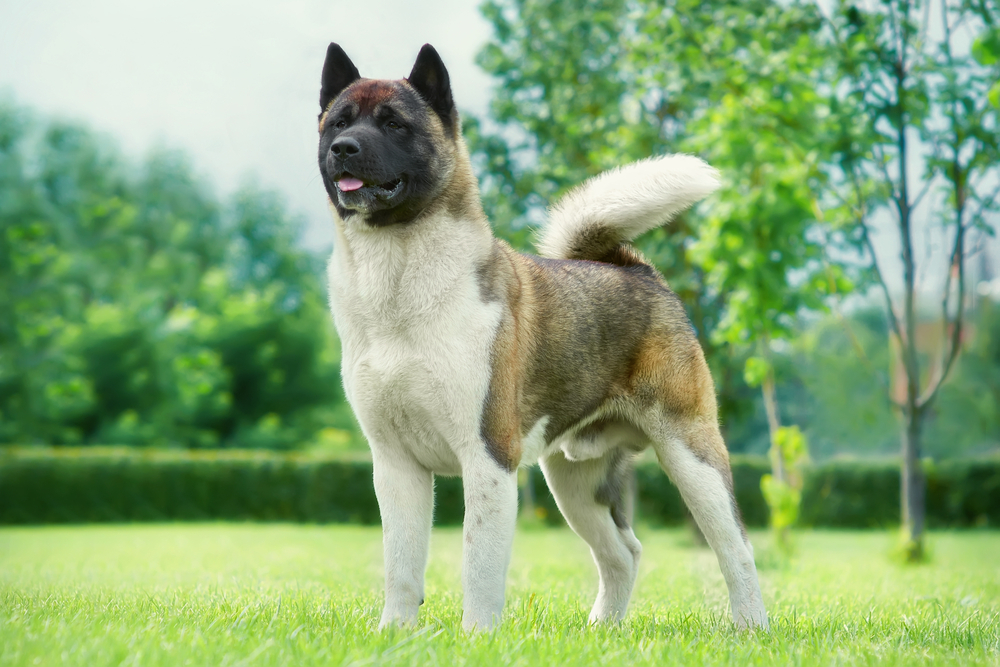
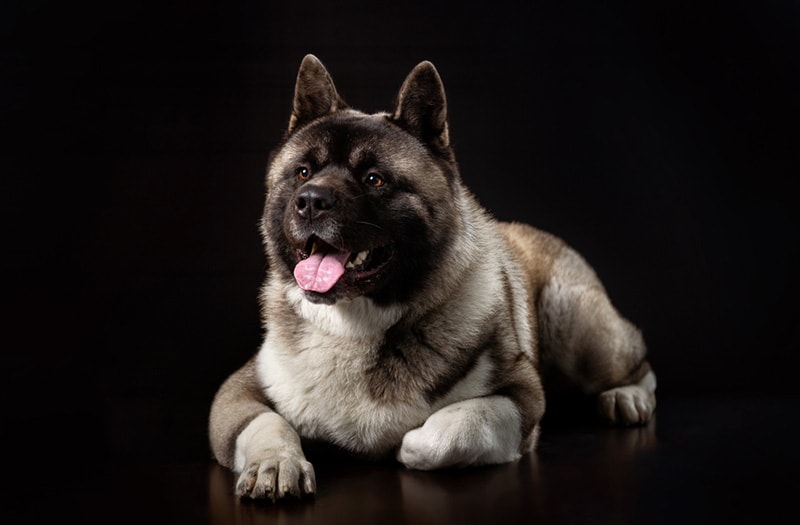
View 8 More +With a unique and beautiful appearance, it’s often love at first sight when you see an Akita. But we’ll open this up with a word of caution: While they’re absolutely gorgeous, they’re also one of the most challenging dog breeds to own. But if you can master their unique challenges, they’re also uniquely rewarding, making the extra work more than worth it to many Akita owners.
Breed Overview
Height:
24–28 inches
Weight:
70–130 pounds
Lifespan:
10–14 years
Colors:
Black, fawn, red, white, brown brindle, red & black overlay, silver & black overlay, brown & black overlay, fawn & black overlay, red brindle, silver brindle, black & red undercoat, black & fawn undercoat, black brindle, fawn brindle, black & brown undercoat, black & silver undercoat, white & red shading, brown, or sliver
Suitable for:
Experienced pet owners, single pet homes, and those looking for a watchdog
Temperament:
Loyal, independent, stubborn, loving, and wary
While an Akita is notoriously stubborn, they’re also fiercely independent, sweet, and caring, which is why so many people fall head over heels in love with the breed. Their larger size also adds to their appeal to many people, and they’re usually not very vocal.
They can be quite challenging for many pet owners, though, so do your research and ensure you’re ready for everything they have to offer before bringing one into your home.
Akita Characteristics

Akita Puppies

The Akita (also known as the American Akita) isn’t the most popular dog breed in the United States, but they’re far from unpopular. Their overall popularity has remained steady—right around the 55th most popular dog in the United States, according to the American Kennel Club (AKC).1
Because of this, you can find breeders throughout the country, but they’re not in every major city. No matter where you are, do your research when finding a breeder, complete an inspection of their facility, get references, and get a health guarantee for your new puppy.
It’s also possible you’ll find Akita mixes in a shelter, but if you want a purebred Akita, you’ll likely need to find a breeder.
Akita Origin & History
The Akita has a rich history that dates back to the mountains of Japan, and today, they still enjoy a special place in Japan. The mountains of Northern Japan can get quite cold, so it’s no wonder these dogs are well-equipped to handle frigid temperatures. The American Akita breed is the result of the mix of the Akita Inu and other breeds most notably the German Shepherd. The dual line or mixed Akita dogs were imported to America in 1938 where the breed was further developed. The Akita Dog Association of America was founded in 1955 and the breed was registered under the American Kennel Club Miscellaneous Breeds in 1956, but full registration was delayed until 1972, when the breed entered the AKC Stud Book.

Temperament & Intelligence of the Akita
An Akita isn’t for the faint of heart or for first-time pet owners. They’re notoriously independent and aren’t quite as affectionate as most other dog breeds, and typically only get along great with one other person.
That isn’t to say an Akita can’t be a loyal pet and a great addition to a home, it’s just worth pointing out that they’re not the best for many homes. They’re quite big in size and strong, which might be challenging to handle for inexperienced owners. They have strong guarding instincts and will fiercely protect what they think is theirs, and they don’t always adapt the best to change.
If you’re thinking about getting an Akita, you’ll want to do plenty of research first so you know exactly what you’re getting yourself into.
Are These Dogs Good for Families? 👪
While it’s possible that the Akita can get along with other family members, they’re not the ideal dog breed for families, as they are not known for being patient or tolerant with children and they are large dogs. They can sometimes be a bit temperamental, and they often form a much stronger bond with just one person.
If you’re considering adopting an Akita, we recommend meeting all family members beforehand, and even then, we suggest plenty of prior experience with other dog breeds.

Does This Breed Get Along With Other Pets?
Every dog has their own personality, but the Akita usually does not get along well with other pets. Whether it’s other dogs or cats, the Akita usually prefers to be an only pet. They also have a strong prey drive, which is important to consider if you have smaller pets, so this dog breed is not your best option.
With proper socialization, it’s possible to have an Akita with other dogs in the home, but it rarely works out unless they have proper socialization and the other pets accept that the Akita is the “top dog” in the home.
Things to Know When Owning an Akita:
Food & Diet Requirements 🦴
One area where owning an Akita is pretty straightforward is with their diet. There’s nothing wrong with a kibble, wet food, or fresh food diet, just ensure it’s high-quality and nutritionally complete and balanced as well as adequate for your Akita’s life stage so it doesn’t create any future health problems for your pup.
Exercise 🐕
Akitas have higher energy levels, and because of their larger size, they would benefit quite a bit from a large, fenced-in yard. Get them out for at least two walks daily, with each walk lasting between 20 and 25 minutes.
From there, give them plenty of time to run around outside and do your best to play with them to encourage them to keep moving as much as possible.
Training 🎾
There are stubborn dogs, and then there’s the Akita. It’s certainly possible to train them, but you’ll need to be assertive and stay consistent. It is best to stick solely with positive reinforcement and bring along a few of their favorite treats. Each training session should last between 10 and 15 minutes, but you should have at least one daily.
Keep in mind that the Akita is stubborn, so you’ll want to convince them that it’s what they want to do instead of engaging in a battle of wills.
Grooming ✂️
Throughout most of the year, the Akita is a moderate shedder, and brushing them a few times a week is more than enough. However, they have a double coat, and twice a year, they “blow-coat”. During this time, you’ll find hair everywhere, so you should brush them daily.
In addition to brushing them, you’ll need to brush their teeth daily to keep up with their oral hygiene, and you’ll also have to keep an eye on their nails and trim them as needed.
Health and Conditions 🏥
One of the best parts of owning an Akita is that, typically, they don’t have many health problems you need to worry about. Of course, getting your pup from a reputable breeder makes a huge difference, but overall, these dogs tend to be on the healthier side.
- Over weight
- Dental problems
- Hip dysplasia
- Hypothyroidism
- Obesity

Male vs. Female
In many ways, male and female Akitas are quite similar, but there are two areas where they can be quite different from each other. First is their size. Males tend to be larger than females, and that’s pretty typical for most dog breeds.
The second area is that males tend to bond a little more with a larger family unit, while females connect more with one person. While this is also generally true for most dog breeds, it’s especially true for the Akita.
3 Little-Known Facts About the Akita
1. They Really Enjoy the Cold
The colder it gets, the happier an Akita is. Their double coat ensures they stay warm, and when things start to cool down, you’ll find these dogs have even more energy than usual. If you like getting out in the cold for some crispy, fresh air, the Akita is your perfect companion.
2. Helen Keller Had an Akita
Not only did Helen Keller own an Akita, but she’s credited with bringing the first Akita to the United States in 1937. With such an affinity toward one person, it’s easy to see why an Akita was the perfect companion for Keller.
3. They Can Be Very Versatile
While the Akita can be challenging for many pet owners, in the right hands, these pups can be very versatile. They make great emotional support dogs, and you can even find them in athletic competitions.

Conclusion
While an Akita isn’t the easiest dog breed to own, once you get past their stubborn streak, they’re also extremely loyal and protective in a way other dogs can’t match. And when you pair this with their extraordinary appearance, it’s easy to see why so many people fall in love with these pups. Just ensure you’re self-secure and assertive when you care for them from day one!
Featured Image By: Kseniia Kolesnikova, Shutterstock