In this article
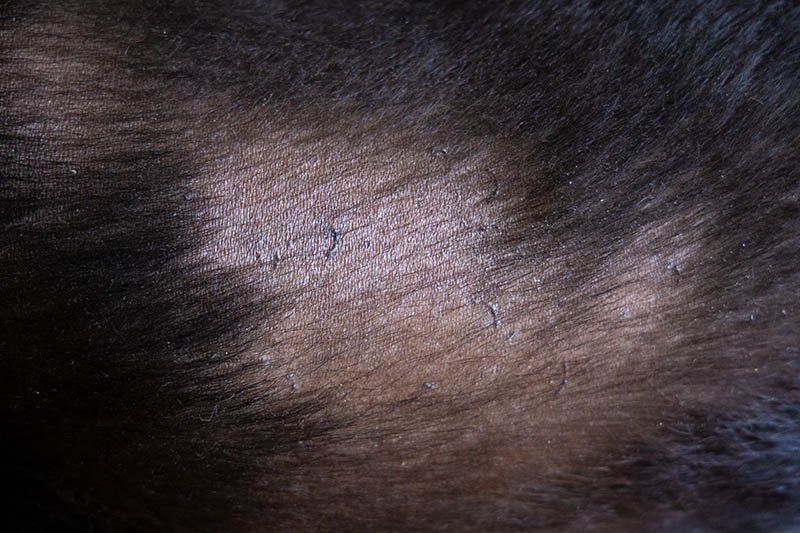
Taking care of your dog’s beautiful coat is just one of many chores you must perform to keep them in excellent health. But what if you notice they are shedding more than usual and bald spots are appearing?
Alopecia is the medical term for abnormal hair loss or baldness. There are a number of different causes for dogs to start losing hair, and we’ll discuss the main causes in this article. And, of course, we’ll fill you in on the best ways to treat the problem.

The 6 Causes of Hair Loss & Bald Spots on Dogs
1. Allergies
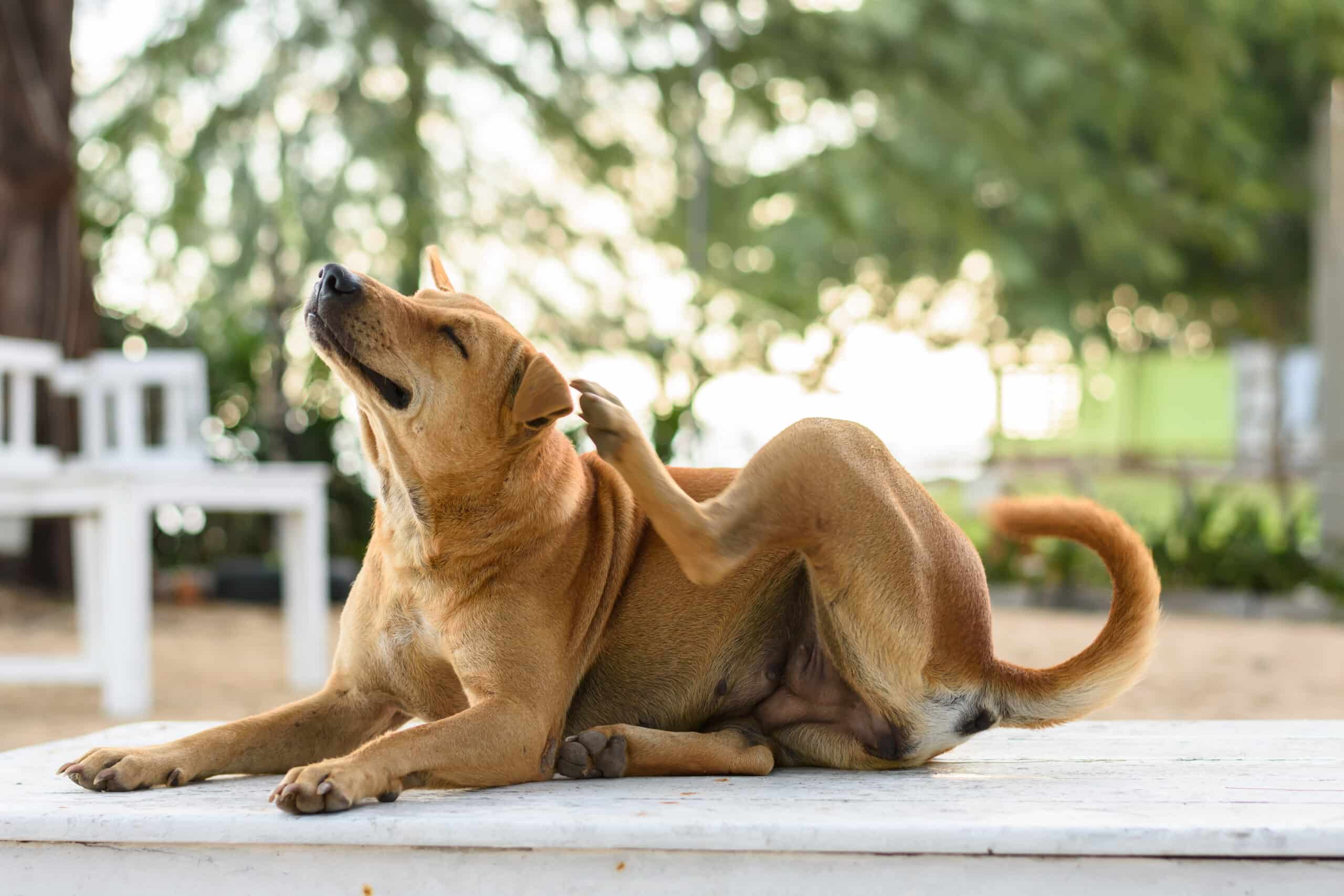
Dogs can be susceptible to different allergies, which include environmental (like pollen), fleas, and food. Fleas tend to be the most common triggers for dog allergies, and hair loss can occur partly from the dog scratching and biting the irritated flea bite areas.
Treatment for a dog’s allergies will depend on the cause but may include effective flea treatments, special diets (for food allergies), anti-inflammatory medication, medicated shampoos and immunotherapy (allergy shots).
2. Calluses
Calluses typically occur on heavy or senior dogs because they lie down more than other dogs. The bonier parts of their bodies (especially the elbows) are in regular contact with a hard or rough surface.
This pressure eventually thickens the skin, which causes calluses to form and the hair to fall out. They can be reduced by providing your dog with soft beds and by ensuring your dog doesn’t lie in one position for lengthy periods.
Topical dog safe moisturizers can help keep the calluses soft. They are usually only medically treated if they crack and bleed or become infected.
3. Genetics
You’re likely familiar with hairless dogs, such as the Chinese and Mexican Hairless breeds. However, some breeds can be more prone to losing hair and bald spots in certain areas than others.
- Seasonal flank alopecia – some dogs develop harmless bald patches on their sides each year, most commonly in the fall and winter. This is most common in certain breeds of dog including Boxers, English Bulldogs, Airedale terriers and Schnauzers.
- Pattern baldness – baldness affecting only the ear flaps (pinna) has been reported in Dachshunds, Chihuahuas, Italian Greyhounds and Whippets and is thought to have a hereditary predisposition. Another pattern of hair loss seen in young to adult Greyhounds is gradual hair loss of the back of the thighs.

4. Endocrine Disorder
One of the more common endocrine disorders is Cushing’s disease, also called hyperadrenocorticism. It tends to affect middle-aged and senior dogs and the bald patches typically affect a dog’s sides (flanks) and tail. Other signs of Cushing’s include:
- Excessive eating and drinking
- Panting
- Excessive urinating
- Swollen, pot-bellied appearance
Hypothyroidism is also a fairly common hormonal disorder in middle-aged dogs and, other than often losing hair (especially around the neck, sides and tail), dogs can show the following signs:
- Lethargy
- Weight gain
- Trying to stay warm
- Chronic ear and skin infections
- Darkening of the skin
- Hair won’t grow back after being shaved
Treatment is with thyroid hormones given as an oral medication, usually a pill the dog needs to stay on for their entire life.
5. Infection or Infestation
We previously mentioned that fleas can cause bald patches due to allergies, but dogs don’t have to be allergic to them to lose hair.
Mange is caused by mites and dogs can suffer from sarcoptic mange (scabies), or demodectic mange, both of which can cause hair loss. Ringworm is a fungal infection commonly causing circular areas of hair loss, which can be itchy and inflamed. Unfortunately, ringworm is contagious to other pets and humans.
Treatment might involve oral medication, antibiotics, or topical medication, depending on the infection or infestation.
6. Rashes and Hives
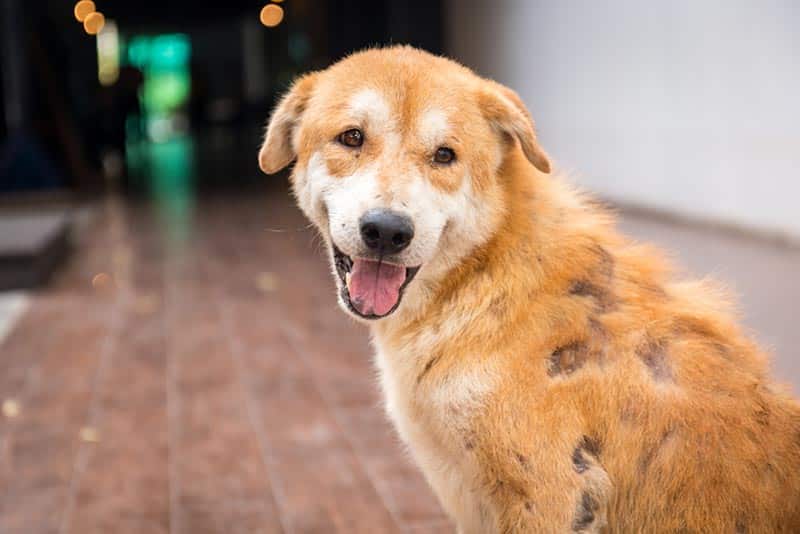
All manner of things can cause rashes and hives (beyond allergies). Shampoos, plants, chemicals, medications, and insect bites and stings can lead to rashes and bald spots.
Hives are usually treated with an antihistamine and steroids, but with more serious cases, IV fluids might also be required. You can use cold compresses at home on the affected areas to relieve itching, but only give your dog antihistamines under the guidance of a vet.
Frequently Asked Questions
When Should You See a Veterinarian?
If your dog has hair loss or bald spots but seems otherwise healthy, you should still have a conversation with a vet. But if your dog has the following signs in addition to bald spots and hair loss, make an appointment with a vet immediately:
- Excessive scratching
- Foul odor
- Change in behavior
- Infected and irritated skin
- Skin lesions on people and other pets in the household
Did you know you can speak to a veterinarian without having to travel? Just head over to PangoVet. It's our online service where you can talk to a vet online and get the advice you need for your pet — all at an affordable price!

What to Expect at the Veterinary Clinic
The vet will do a complete physical exam and may run blood work, plus some of the following:
- Assess the pattern of the hair loss: How it looks and where it’s located can tell the vet what might be going on.
- Biopsy: If cancer or a tumor is suspected, the vet might need to perform a biopsy.
- Skin scraping: The vet might scrape some of the skin to check for mites.
- Skin impression smears: A slide might be pressed on the affected area and checked under a microscope for yeast, bacteria, or inflammatory cells.
- Allergy testing: Blood and skin tests can help identify potential environmental allergens.
- Elimination trials: Feeding your dog a novel protein or hydrolyzed diet, treating fleas, and eliminating certain products, such as shampoos, can help narrow down any allergies.
- Woods lamp (Ultraviolet light): A special type of ultraviolet light called a Wood’s lamp may be used when checking for ringworm as some species will fluoresce (glow) under this light.

What Will Treatment Include?
Treatment will depend on the diagnosis, but some of the following might be potential treatments for your dog’s hair loss:
- Antibiotics: For bacterial infections.
- Antifungals: Will treat ringworm or a yeast infection.
- Antihistamines: Can be helpful for some allergies and insect bites or stings
- Steroids: Can help treat a number of skin conditions.
- Immunotherapy: Allergy shots (desensitization to allergens)
- Medicated shampoos: topical treatment with antibacterial and antifungal shampoos if often prescribed for skin infections.
- Prescription diets: For food allergies.
- Behavioral medication: For dogs that chew and lick frequently from stress and anxiety.
- Flea prevention: Prevents fleas!
- Surgery: For tumors or cancers
- Thyroid medication: For hypothyroidism.
- Omega-3 Fatty acid supplements: Dogs with allergies and itchy, flaky skin can be given an omega-3 fatty acid supplement typically derived from fish oil.
- E-Collar: Can help stop your dog from scratching and biting the affected area until it heals.
Conclusion
In most cases, once the underlying cause of the hair loss is treated, the hair should grow back. But in some cases, such as pattern baldness, it might not.
Your first course of action should be to get in touch with a veterinarian. The sooner they examine your dog, the sooner you can get them treated and hopefully regain their gorgeous coat.
See Also:
- My Dog Is Losing Hair on Their Nose, What’s Wrong? (Vet Answer)
- Can Dogs Get Hairballs?
- Why Does My Puppy Have Bald Spots? Vet Reviewed Reasons
Featured Image Credit: Ri6ka, Shutterstock