How to Teach Your Dog to Greet Other Dogs Calmly: 10 Vet Approved Tips

In this article
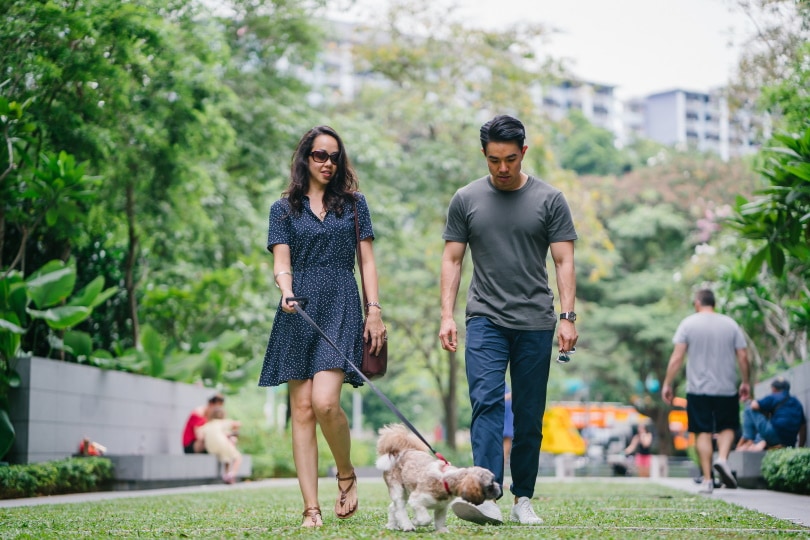
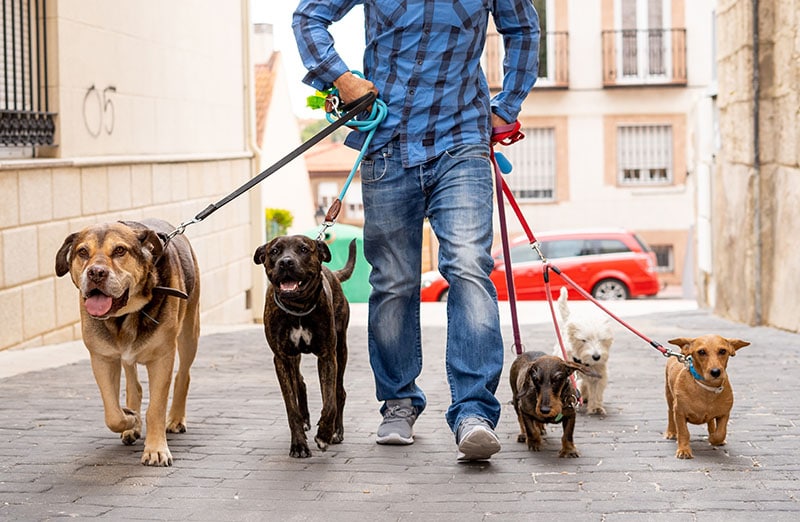
In an ideal world, taking your dog for a walk should be a pleasant and stress-free event. But if your dog is less than friendly or overexcited when meeting other dogs, you might find these daily walks to be anxiety-ridden.
Fortunately, you can take steps to train your dog to approach other dogs more calmly, which will definitely help them and you, as well as the other owners you meet on your walks. For overexcited or aggressive dogs, please remember there is no need for your dog to greet another dog face-to-face. While you might enjoy the thought of your dog making friends, if they aren't coping with interaction there's no need to force this. Sometimes the best you can hope for is your dog walking past another at a distance, and not reacting.
We have 10 tips to help you through this process to make your foreseeable interactions as positive as possible.

Before You Get Started
Training Readiness
The first thing that you should do is gauge your dog’s temperament, particularly when around other dogs. You should bring a professional trainer or canine behaviorist into the picture, especially if your dog is reactive or you don’t have much dog training experience.
Some dogs are more challenging to work with when around other animals due to their background; this can include rescue dogs, or it might be a breed characteristic. Either way, your dog will need to show that they are willing and able to follow commands before you get started.

Supplies
You’ll also need to have supplies in order: high-value treats for training purposes, which should be small and soft, like freeze-dried meat.
If your dog is not that food-motivated, use a favorite toy or just about anything else that they love.
A muzzle may be necessary if your dog might bite others, you should train your dog to accept it at home before taking them out in it.
Socialization
As it applies to dogs, socialization is the process of training dogs to be accepting of new people, places, and animals. It is best done in the socialization window, as a 3-14 week old puppy. In this period, dogs are very accepting of new stimuli and adapt quickly.
Older dogs can be socialized but it usually takes more work. If your dog becomes stressed in new environments, adding strange people and animals into the mix is likely to push them over their threshold of tolerance. Past this threshold your dog enters a fight or flight mentality and can’t learn.
Set your dog up for success by starting with an environment that they can cope with. This might mean walking at places and times when you are unlikely to encounter other people or doing your training at home to start with.


The 10 Tips on How to Teach Your Dog to Greet Other Dogs Calmly
1. Ensure That Your Dog Has Basic Training
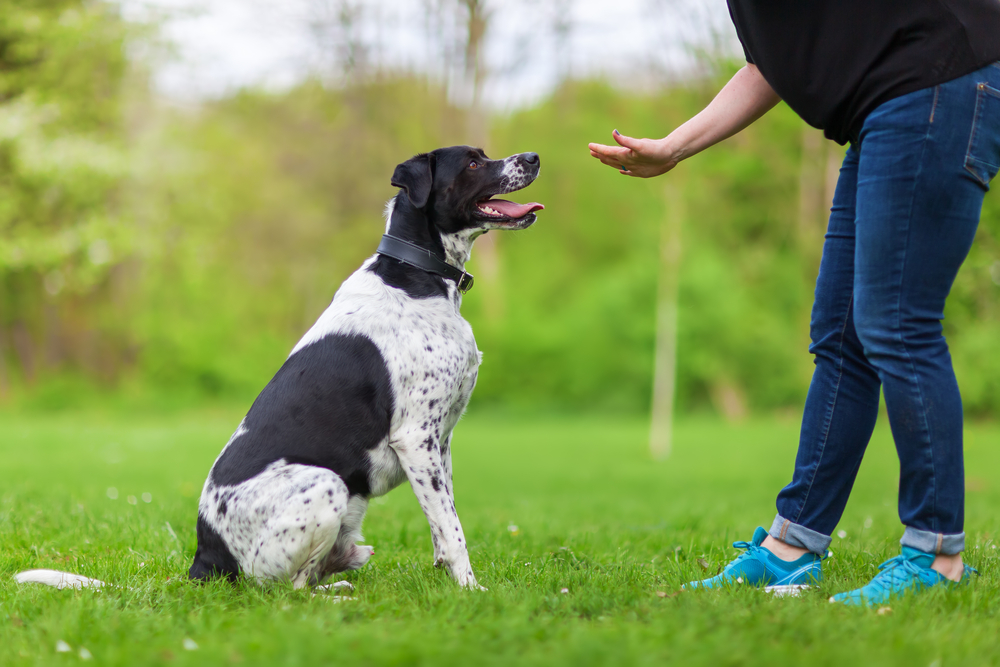
To recall your dog in public and have them focus on you instead of a dog approaching is the most effective way to keep them calm. Your dog should be trained in basic commands like “sit,” “heel,” and “leave it” for this to be successful. So, work on this before you start the process of teaching your dog to approach unknown dogs appropriately. This will help keep everyone, including your pet, safe.

2. Teach the “Watch Me” Command
The “watch me” command is an excellent way to keep your dog’s attention on you rather than intensely focusing on another dog as they approach. Take the time to ensure that your dog is trained to respond to “watch me” before continuing.
3. Ask for Help
Ask a friend or family member with a calm and friendly dog to help you in this process. The dog should be well-trained and listen and obey commands well. This training session should be calm and low-stress for everyone involved, so the friend and their dog should be well-prepared to help you.
Perhaps you’ll eventually be able to help a friend someday with your own calm and well-trained dog!

4. Ensure That Your Dog Will Be Receptive
Before starting, ensure that your dog is receptive. If they seem overly excited and distracted, this won’t be the best time for a session. Wear them out through exercise and play but not to the point that they’ll want to nap.
Run them through a few of the commands that you’ve taught them, and if they are listening and responding, you’re good to go.
5. Wait and Approach Slowly
Once everyone is ready, the dogs should start off a distance from each other: about 20 feet or more apart. The dogs will see each other but aren't as likely to react because of the distance. Once you know that your dog has seen the other dog, try a few commands, particularly the newly learned, “watch me.” Reward with high value treats for correct behavior to create a positive association with seeing another dog and keep their focus on you.
If this step is not successful, retreat to a greater distance. Once you know your dog is acting appropriately, slowly move toward them.

6. Do 3-Second Interactions
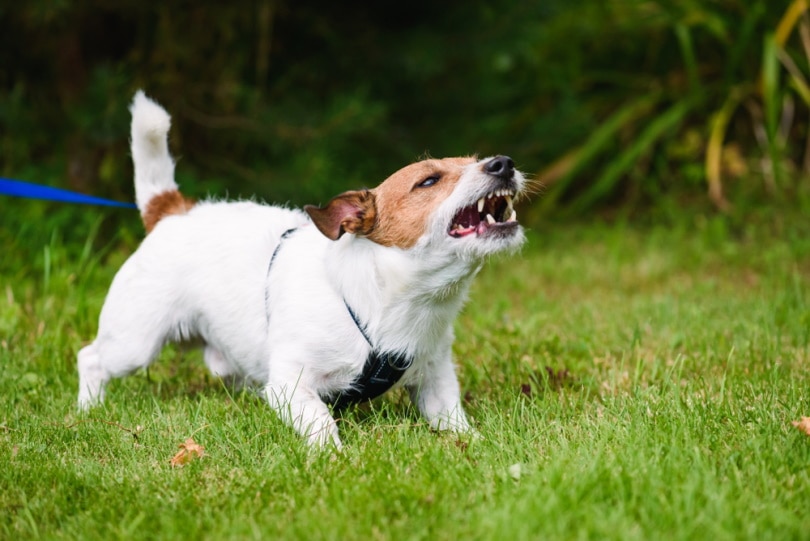
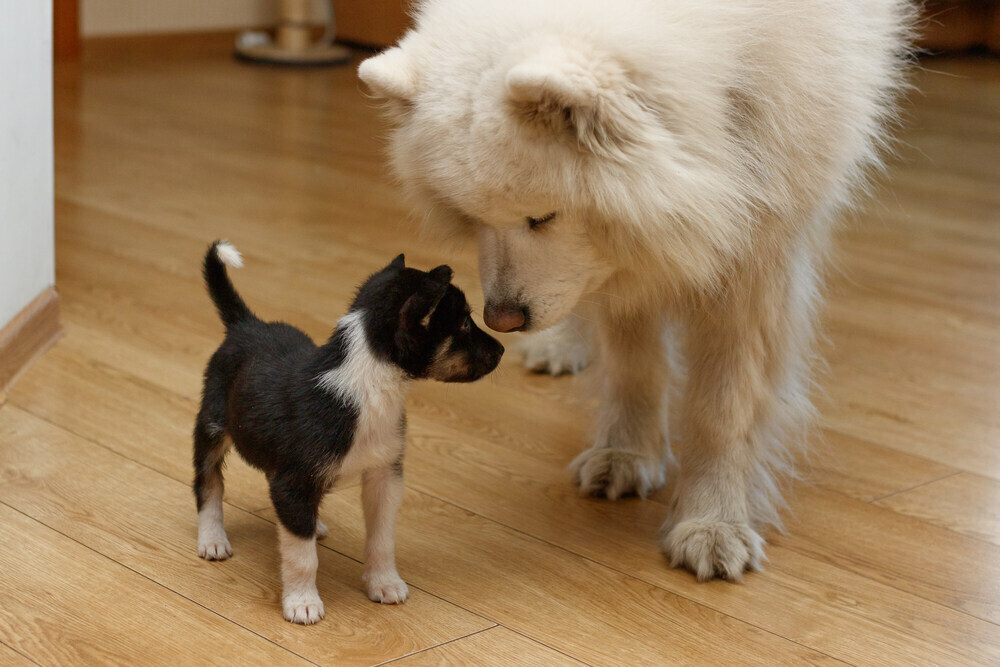
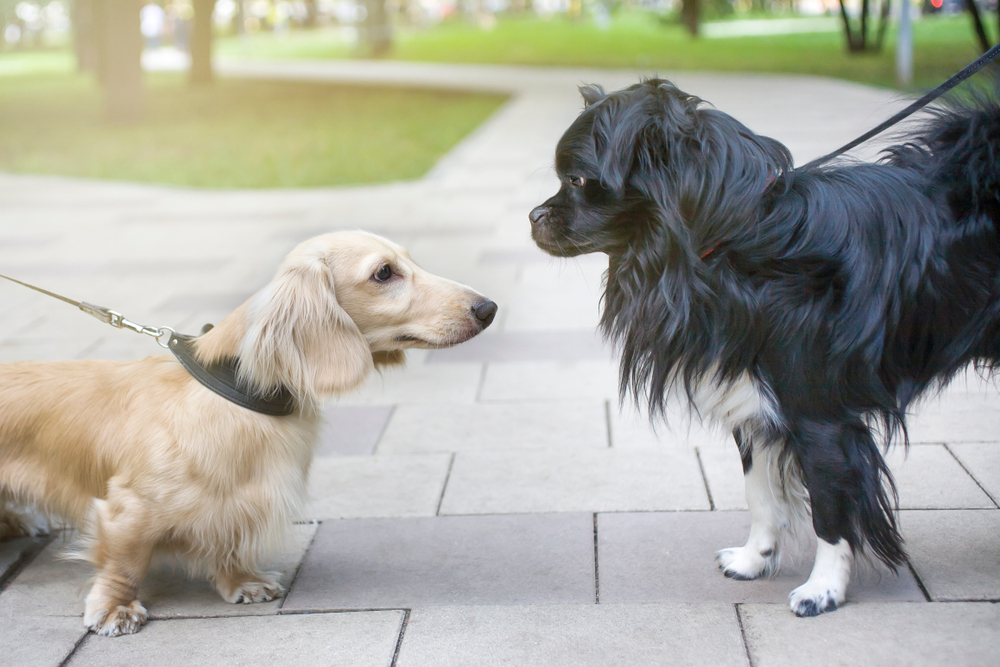
Take your time with this approach. Try stopping every few feet, and repeat the steps discussed in step five. If your dog starts reacting, such as barking or lunging, stop your advance (retreat if you need to), and give your dog a treat when they calm down and listen to you. Once you’ve reached the other dog, allow a 3-second interaction if safe to do so, which really should just be sniffing, and then move on. As mentioned earlier, some dogs will never calmly interact with others, in which case you are fine to walk past the other dog at a reasonable distance. This will still provide good training.
If at any point, your dog starts behaving in a not-so-calm way, use the “watch me” command, and give them a treat when they listen.
7. Finish and Leave
Now that your dog has had the opportunity to see or interact with another dog briefly and hopefully, calmly, move on. If it's going well, you can allow the dogs a longer sniffing session, but it’s best to keep it short so your dog doesn’t have time to get overexcited. The training session should be around 10 or 15 minutes and you may not make it to step 6 on the first day (and that’s ok!).

8. Teach Your Dog to Ignore
This is where the “watch me” command will be an advantage. Don’t feel obligated to introduce your dog to every dog that you come into contact with. Not all other owners will necessarily have trained their dogs in the same way, and they might be reactive and overexcited. Since you don’t know every dog that you walk past, teaching your dog to ignore other dogs might be best in most cases.
You can avoid other dogs by crossing the street or putting yourself between the dogs. Use “watch me” to distract your dog before coming into contact with them.
9. Interrupt Your Dog When They Get Carried Away
The same rule applies as with the slow-approach method when your dog starts getting carried away. The moment that your dog starts behaving in a silly way, interrupt them by calling them back to you, and give them a treat once they are calm and listening to you.

10. Remember That Practice Makes Perfect
You know the steps, and you’ll need to go through them as many times as it takes. You don’t necessarily need to do this every day, but you should aim for roughly one to three training sessions in a week. When you feel as though your dog is doing quite well, ask a different friend or family member with a dog to practice with.
Extra Tips
Do not worry about other dog owners. If you choose to have your dog ignore other dogs and you run into a dog owner, just tell them whatever you’re comfortable saying. For example, tell them that your dog is being trained or that they are sick. You can also be honest and simply say that your dog doesn’t want to say hello to theirs. The most important thing here is your pet and not a stranger’s feelings.
Only use positive reinforcement and never punish your dog. This will only teach them to be afraid of you and other dogs and give them a negative association. This can lead to them reacting aggressively.

Conclusion
Training is vital to your dog’s success. Some dogs will pick it up quickly, while others will take much longer. Patience and consistency are essential, along with plenty of praise and treats.
Bear in mind that you don’t have to stop and talk to every dog owner and allow your dog to interact with every dog. You should always have your dog’s best interests at heart, so worry more about your best friend and less about the feelings or judgment from strangers.
Sources
Featured Image Credit: yulana, Shutterstock
Expert dog care, straight to your inbox
Vet-reviewed advice, training tips, and the best of Dogster. Free, and you can unsubscribe anytime.
By signing up, you agree to our Terms & Conditions and Privacy & Cookies Policy.
Kathryn was a librarian in a previous lifetime and is currently a writer about all things pets. When she was a kid, she hoped to work in a zoo or with wildlife in some way, thanks to her love for animals. Unfortunately, she's not strong in the sciences, so she fills her days with researching and writing about all kinds of animals and spends time playing with her adorable but terribly naughty tabby cat, Bella. Kathryn is hoping to add to her family in the near future – maybe another cat or two and a dog.
Join the conversation
Ask a question, share your story, or send private feedback.