Get

In Your Inbox

Dogster is reader-supported. When you buy via links on our site, we may earn an affiliate commission at no cost to you. Learn more.

Summer Safety Tips for Dogs: 7 Vet-Verified Ways to Stay Safe

Share

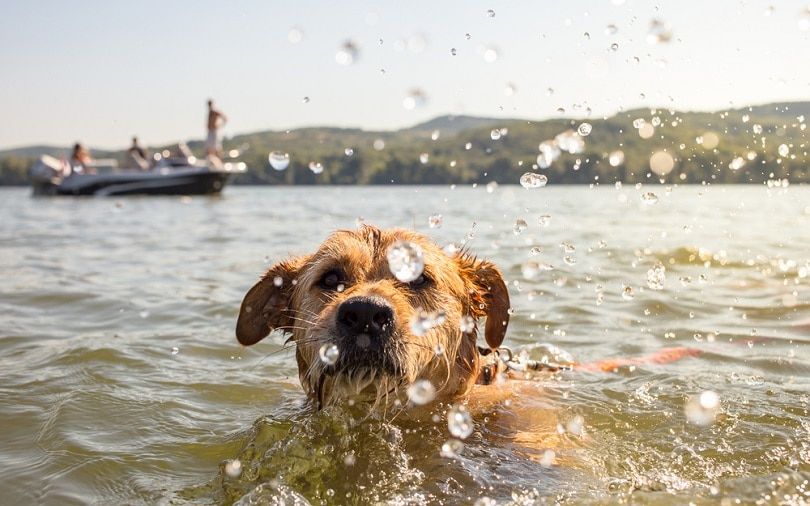
swimming-dog_Lunja_shutterstock

Is there any better way to enjoy the warm months of summer than with your best friend? Summer is ideal for walks in the park or a rousing game of fetch. It’s also a time to practice safe playtime. Rising temperatures can affect both you and your pup adversely if you’re not careful. Our guide will offer advice for different scenarios when you’re out enjoying the pleasant weather.

The key to a safe summer is using your best judgment, whether at the lake, on the road, or on a walk. It’s easy to let the heat of the moment take over and push for just one more game or go a bit farther down the trail. It’s essential to keep safety top of mind, especially with puppies and senior pets, but also brachycephalic breeds that are particularly prone to overheating.

Summer Heat Safety Guide
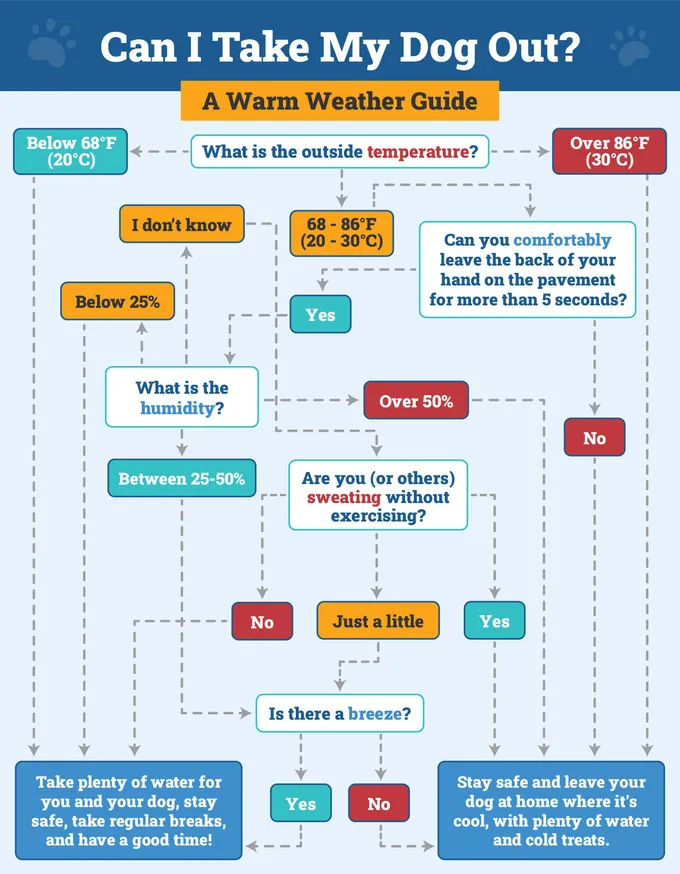
Custom_Dogster_Safe Temperature Decision Tree Infographic
You are free to use this image but we do require you to link back to Dogster.com for credit.

The 7 Summer Safety Tips for Dogs

1. Jumping in the Lake

German-shepherd-dog-playing-in-water_Rita_Kochmarjova_shutterstock
Image Credit: Rita Kochmarjova, Shutterstock

It’s always fun to take a dip to cool off when it gets hot. Remember that swimming is a strenuous activity, even for people. Don’t let you and your pup get too caught up in the action that you avoid taking regular breaks. Also, your pet can get a sunburn, just like you.

Lake Safety Tips:
  • Stick to shallow waters.
  • Limit time in the sun and lake during 10 a.m. to 2 p.m.
  • Avoid short haircuts, especially for cold-weather breeds like Samoyeds.
  • Invest in a doggy life vest.
  • Steer clear of currents and riptides.

2. Turn Down the Heat

Wondering how to keep dogs cool in summer? One of the most common and potentially dangerous conditions is heatstroke. Brachycephalic, or short-faced, breeds, such as French Bulldogs, have a tougher time dealing with hot weather than other pups. Dogs pant to cool themselves. The head and muzzle shape of brachycephalic pups makes it more difficult for them to lower their body temperature as efficiently.

However, any dog can get overheated. That makes it imperative to recognize the early warning signs of heat exhaustion. If you suspect it, get your pet out of the sun and into the shade. Place a cool, damp towel under their body and wet them. You can also offer water so your pup can have a drink. Make sure the water you use on your dog is not too cold, as it may cause shivering and lead to further heat production.

Signs of heatstroke include:
  • Drooling
  • Labored breathing
  • Red gums
  • Collapse

Always avoid walking and exercising your dog during the warmest hours of the summer months, as many dogs will not know how to stop and tell you they’re too hot until it’s too late. Engage in indoor games and puzzles to keep them occupied and stimulated until the outside temperatures permit walks late in the evenings or first thing in the morning.


3. Keep Hydrated and Well-Fed

Shetland sheepdog eats food from a food bowl
Image Credit: filmbildfabrik, Shutterstock

It’s easy to forget to eat and drink when you’re having fun. However, it’s essential to keep your pet — and yourself — hydrated. It’s vital to have fresh food and water available at all times.

Signs of dehydration include:
  • Thick saliva
  • Lethargy
  • Heavy panting
  • Pale gums
  • Loss of appetite

4. Beware of Hot Ground

We’ve all experienced it: You’re at the beach, and you decide to go for a swim. What you didn’t plan on was how hot the sand is. It’s the same problem for your pooch, whether at the lake or walking in the neighborhood. The sidewalks heat up fast too, after all. That’s why it’s better to take your daily stroll in the morning or evening when it cools down sufficiently.


5. Fleas and Ticks

Big-Tick-of-a-dog_Stock2468_shutterstock
Image Credit: Stock2468, Shutterstock

Almost everything is great about summer, except the inevitable bugs and pests. Since you’re spending more time outdoors, it’s vital to protect your pup against fleas and ticks. Remember that these critters can carry Lyme disease and Rocky Mountain spotted fever. We suggest checking your dog over when you get back home. Pay particular attention to their ears and head. If you need guidance on preventing fleas and ticks on your dog, we suggest you speak to a vet.

If you need to speak with a vet but can't get to one, head over to PangoVet. It's our online service where you can talk to a vet online and get the advice you need for your pet — all at an affordable price!

PangoVet_Mention-in-Content Savings V1


6. The Big Bang

Some pets have a hard time coping with fireworks and thunderstorms. They may show signs of acute stress and end up in odd hiding places. Some dogs can settle down if you give them a weighted blanket. You can also try desensitizing your pup during the off-season with recordings of storms so they can get used to the noise. You should also discuss the situation with your vet if these measures don’t work.


7. Hitting the Road

pomaranian-spitz-in-a-travel-bag_nadisja_shutterstock
Image Credit: nadisja, Shutterstock

Summer often means travel, whether by car, RV, boat, or plane. If you’re going to board your pup, you must get your pet up to date on all vaccinations. Many places won’t accept animals that are not current. The same thing applies to airlines that may not offer travel options during the summer. We strongly urge you to call ahead to verify what you need to do.

You should also check with any hotels or campgrounds that you plan to visit to make sure that they are pet-friendly. Many sites will not permit you to tie out your dog. We also suggest that you look for a local vet or boarding facility in case the need arises.

Here are a few other tips for traveling with your dog:
  • Allow your dog to get used to their crate or the car before you travel, especially if it’s their first time.
  • Place a cooling pad inside the crate or back seat where your dog is to keep your pet comfortable.
  • Always bring a travel water bowl and plenty of fresh water with you.
  • Never leave your pup unattended in a car.

divider-paw

Conclusion

Summer is an excellent time to enjoy the outdoors and fresh air. It’s also a time to keep safety at the forefront, no matter how you choose to spend the days with your pup. A dog can’t tell you if they feel overheated or dehydrated. That’s why it behooves pet owners to recognize the signs of common ailments, such as heatstroke, but even more importantly to avoid walking or exercising your dog during the warmest part of the day. There are plenty of mental stimulation games you can play with your dog inside your home until the temperatures cool down a bit. It’s the best way to ensure a happy, safe summer for everyone.

See Also:


Featured Image Credit: Lunja, Shutterstock

Want content like this delivered to you?

Sign Up For Our Newsletter

News, insights, expert advice, and everything dog

* By submitting, you agree to our Terms & Conditions and Privacy & Cookies Policy.


How useful was this post?

Click on a star to rate (you can leave written feedback after clicking submit)

Help us improve Dogster for pet parents!

Your feedback really matters.

What did you like about this post? Also how can we improve it?

Join the conversation

Leave a Reply

You’re very welcome to leave a comment or question. Please know that all comments must meet our community guidelines, and your email address will NOT be published. Let’s have a positive and constructive conversation.


Talk With A Vet Online

Peace of mind,
anywhere, anytime

Affordable vet advice

The Spice Cabinet Dangers Most Dog Owners Don’t Think About

Most people know chocolate is off-limits for dogs. Fewer realize that some of the most common herbs and spices sitting in a kitchen...

A Major Breakthrough in Canine Anxiety Care: FDA Approves First Dual-Purpose Medication

Why This FDA Approval Is Such Important News For years, veterinarians and pet parents have struggled with a frustrating reality in canine behavioral...

Ask Dr. Paola- Help! Can Shock Collars Cause Seizures? (June 1, 2026)

Welcome to our “Ask Dr. Paola” series, where every Monday we bring expert advice straight from Dr. Paola Cuevas (MVZ) to help our...

Behind Most “Bad” Dog Behavior Is a Pretty Simple Problem (and Solution)

Dogs are supposed to be easygoing companions, and many seem to live up to it: sleeping on the couch for hours, watching the...

More related

Pitbull vs German Shepherd: Main Differences (With Pictures)

American Pitbull Terriers and German Shepherds appear on the same side of the canine coin regarding their size, temperament, and fierce reputation. But...

20 Pomeranian Mixes (With Pictures)

Pomeranians are consistently among the most popular dog breeds, ranking in the top 20 most favored breeds yearly. Their tiny size and huge...

Will Coyotes Eat Dog Food? How to Keep Them Away from It

Some people have a soft spot for stray dogs and will leave food out for them. Other people have outdoor dogs that spend...

10 Best Dog Foods for French Bulldogs in 2026 – Reviews & Top Picks

As dog owners, we all want what’s best for our canine babies, and that includes feeding them high-quality food for their overall health....

Keep reading

Can Dogs Eat Crickets? Vet-Verified Facts & FAQ

Crickets are insects that belong to the Grylloidea family.1 They typically have long bodies, segmented legs, and large antennae. A tough exoskeleton covers their bodies and provides protection from predators. They can be found almost everywhere in the world except...

Can Dogs Eat_Crickets

7 Best Taste of the Wild Dog Foods in 2026 – Reviews & Top Picks

Dogs have always been known for their hearty appetites, and this is especially true of those that are bred to be active. Today, there is an abundance of different types of dog foods on the market, each with its own...

Maltese dog eating from a bowl

Easy Dog Treat Recipe: Mini Turkey Sliders (Vet-Approved)

The ingredients for this mini turkey slider dog recipe are likely the same ones you use for your own burgers. With your dog at your side, burger night can be even more fun! Mini Turkey Sliders Recipe This simple recipe...

Ethoxyquin in Dog Food: Why Is It Controversial? Vet-Verified Facts

Dog owners, brace yourselves! The food your beloved canine companion eats on a daily basis might contain a controversial ingredient – ethoxyquin. This synthetic antioxidant, commonly used as a preservative in dog food, has sparked heated debates among pet enthusiasts...

man checking dog food label

What Does Mold on Dog Food Look Like? Vet-Verified Facts & Prevention Tips

Manufacturing and distributing dog food is a complex process that requires many steps. While pet food companies have food safety and quality assurance protocols, incidents can still occur that may cause mold on dog food. Or sometimes, the moldy dog...

dog food with mold in a bowl

11 Best Dog Foods for Huskies in 2026 – Reviews & Top Picks

If you own a Siberian Husky, then you’re well aware of their high energy levels. But did you know that Huskies also have extremely high metabolisms? This does have something to do with their high energy levels, but it has...

Husky-puppy-eating-from-feeding-bowl-indoors

My Dog Eats Too Fast: 6 Vet-Reviewed Tips on How to Slow Them Down

Some dogs eat their food very quickly. But how fast is too fast? It might just seem like your dog is hungry or enjoys their food, but eating too fast can be harmful for your dog. Fast eating is a...

labrador retriever dog eating dry kibble

The Farmer’s Dog Food Review 2026: Pros & Cons (Vet Approved)

If you’re thinking of switching your dog to a fresh selection diet, chances are you have heard of The Farmer’s Dog Fresh Dog Food. When it comes to fresh diets, where does The Farmer’s Dog rank on the list of...

Love Dogs? So Do We! Join the Dogster Community

Stay informed with expert pet care insights delivered straight to your inbox! Discover professional guidance on animal behavior, feeding tips, trusted product picks, and much more.


Sign up for the Dogster Email Newsletter