
Why Are Puppy Mills Bad? 7 Reasons to Stop This Horrible Practice

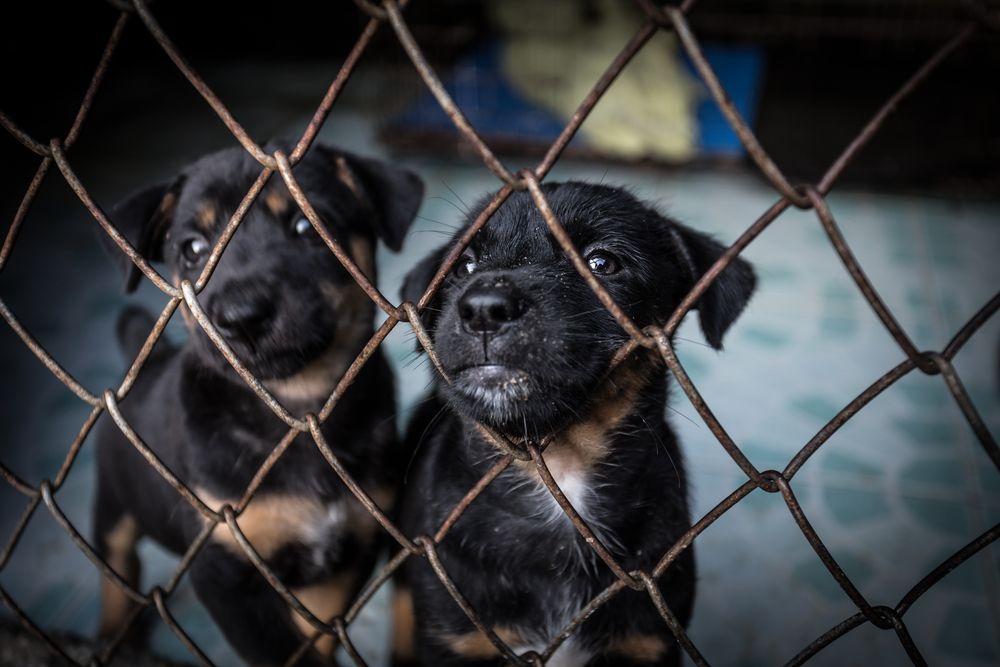
When some people adopt a puppy, they might not think about where their origins are. Do you know where your new pet came from? Thankfully, many people get their dog from a responsible breeder who can provide health records for them and their parents. While shelters might not have all the records of the dog that was surrendered, the staff work hard to give you all the information about the dog that they have on hand.
However, if you get your dog from a puppy mill, several unethical practices are used to produce these puppies for sale. This article addresses the dangers surrounding puppy mills.

What Is a Puppy Mill?
A puppy mill is a breeding facility where the goal is to produce as many puppies as possible. Since the mill’s goal is profit, little care is taken about the facilities or the overall well-being of the breeding dogs. And if the mothers are not in good condition, the puppies may not be in the best health, either.
While puppy mills are not illegal in the USA, there are some states that are instating bans on the retail sale of animals coming from puppy or kitten mills. As of September 2023 those states are:
- California
- Maryland
- Maine
- Washington
- Illinois
- New York
- Oregon
While it is not a nationwide ban on the practice, it is a step in the right direction to force puppy mills to shut down.

The 7 Reasons Why Puppy Mills Are Bad
1. Lack of Proper Veterinary Care
One of the biggest issues surrounding puppy mills is the lack of veterinary care. Any pet owner understands that routine vet care and wellness checks are essential to maintaining the animals’ health. Vet care can catch problems before they get out of control. Otherwise, treatable issues and health issues could get so severe they can result in permanent issues or even death.
Severe periodontal disease is one common issue seen in breeding dogs from puppy mills, resulting from a lack of veterinary care. People who run puppy mills care more about profit over care, so dental issues are often left untreated and get worse. Dental disease can range from issues with loose or missing teeth to mouth sores and infections.
2. No Health Testing
When adopting a puppy from a reputable breeder, you get an in-depth report indicating that your puppy’s parents were screened for the relevant genetic and breed-specific issues. However, this is not the case for puppy mills. This can result in genetically based conditions such as hip dysplasia, heart and eye defects being passed down from one generation to the next. Bringing home a puppy only to have them suffer from an unexpected health issue is extremely difficult—and costly. The people running the mill cut corners for profit and don’t care about the health and welfare of their dogs.

3. Exposure to Parasites
Fleas are a common parasite that most dog owners are (unfortunately) aware of; however, responsible pet owners often take action once they see a single flea. Plus, most people opt for preventative measures.
With puppy mills, as long as the female can produce puppies, there is often little concern about dealing with parasites. Fleas will jump from the nursing mother to her puppies. Puppies with a heavy flea burden can suffer from anemia due to the blood loss and their small size, it can even be life-threatening in some cases.
In addition, dogs living in puppy mills often have internal parasites, such as roundworms, hookworms, whipworms, and tapeworms. These internal parasites can cause a long list of problems, including digestive upset, stunted growth, weight loss, and anemia.
Coccidia and giardia are other types of internal parasites that could be plaguing the puppies and spread quickly in crowded, dirty conditions. Giardia is additionally a concern to new puppy owners as it is zoonotic, meaning it can be transmitted to humans.
4. Improper Living Conditions
The conditions in which the dogs are kept contribute to many issues, like the health conditions we mentioned previously. However, cramped living spaces also do not give the dogs room to exercise properly, which could lead to mobility and joint problems. Being in small, restricted enclosures also prevents dogs from getting fresh air; instead, they breathe in the odors from feces, urine, and other dogs.

5. Negative Behavioral and Psychological Effects
In addition to the physical damage done by being born and raised in puppy mills, there are the behavioral and psychological effects. Studies have recorded the negative effects in dogs rescued from puppy mills: increased fears and phobias, compulsive and repetitive behaviors like spinning and pacing, house soiling, and being very wary of being touched and picked up.
Puppies born in puppy mills lack important early socialization to humans and everyday experiences, and often struggle with fear and trust issues throughout their lives.
6. Poor Grooming
The lack of proper grooming for the dogs at puppy mills leads to several issues. Dogs with longer hair could get mats. Left untreated, feces and urine could get tangled in the mats, leading to sores and skin conditions all over the body. Matted hair can also form around the ears and eyes, causing infections that could lead to serious hearing and vision problems.

7. Constant Breeding
Female dogs are bred when they are very young, often after they have started their first cycle (between 6 months and a year). They are also bred every available cycle, and puppies are weaned prematurely, so continuous litters are available for sale. Dogs that are continuously bred can lead to health issues due to the physical stress of being pregnant too often without time to recover.
As mentioned before, puppy mills want profit, so when a female dog is no longer able to produce litters (or has too small litters), she is no longer needed. A puppy mill does not want to house and feed a dog that does not bring them income. Plus, they can replace her with another female ready to be bred. What happens to the female dogs? They are often discarded or even destroyed.
Final Thoughts
If you’re like us, the last thing you want to do is support a puppy mill. The best way to end this barbaric practice is to adopt a dog from a reputable shelter, rescue center, or licensed breeder. Fortunately, the ASPCA and the Humane Society have checklists you can follow to help ensure you’re not supporting a puppy mill.
Do your part and ensure these horrible facilities don’t get any of your hard-earned money!
Sources
Featured Image Credit: khlungcenter, Shutterstock
Expert dog care, straight to your inbox
News, insights, expert advice, and everything dog.

No spam — unsubscribe anytime.
By signing up, you agree to our Terms & Conditions and Privacy & Cookies Policy.
How useful was this post?
Click a star to rate. You can leave written feedback afterwards. (We read all feedback.)
Nicole has loved animals of all sizes her whole life so it's no wonder she has dedicated her career to helping them through what she loves best: learning, writing, and sharing knowledge with others. She’s the proud mom of two dogs, a cat, and a human. With a degree in Education and 15+ years of writing experience, Nicole wants to help pet parents and pets around the planet to live happy, safe, and healthy lives.


