Neem Oil for Dogs: What Is It, Safety & Risks (Vet Approved)


In this article
Neem oil is an extract taken from the seeds of the neem tree (Azadirachta indica) native to India. It’s been used for decades as a natural insecticide and skin soother, but is it something you can use on your dog?
While neem oil for dogs has its benefits, there are limits to what it can achieve. Read on to learn more about this oil, including the risks and safety information you need to know before using it on your pet.

What Is Neem Oil?
Neem oil is a naturally occurring pesticide found in neem tree seeds. It has been used for many years to control pests like aphids and mites, though it is also commonly used in traditional Chinese and Ayurvedic medicine to treat a variety of conditions.
Neem oil is rich in fatty acids that support healthy skin, so it’s also sometimes found in skincare product lines. It also contains plant compounds called limonoids, a type of triterpenes, which have antioxidant, antibacterial and anti-inflammatory effects, and are toxic to insects. Neem oil’s antimicrobial and antiparasitic properties are said to help treat certain conditions in dogs. One study found that the topical treatment with the oil is beneficial for dogs with atopic dermatitis.1
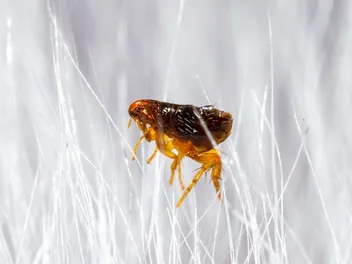
Most vets advise against using neem oil as the only repellent, though it can be used in conjunction with more conventional preventatives. A study on sand fleas in people showed that a neem oil mixture killed only 40% of fleas, which is a much lower success rate than commercial flea preventative products.2

How Is Neem Oil Given?
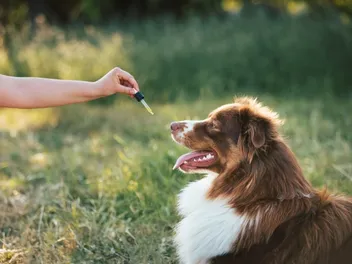
Neem oil should only be applied topically (to the skin) and should never be ingested. It needs to be diluted prior to application, and then it can be applied to areas where parasites are most likely to occur, including the ears, tail, flanks, and head.
If using neem oil as a repellent, it’s generally recommended to use it in conjunction with other conventional preventatives. We don’t recommend using neem oil as a sole preventative, due to concerns around efficacy and vector-borne diseases.
If using the oil to treat skin irritation, the diluted mix can be applied directly to the area of irritation once a veterinarian has given you the go-ahead. Never use this product to open wounds or sores.
Neem oil can also be added to your dog’s shampoo; however, adding the oil prematurely may break it down and make it inactive. Instead, mix it into the shampoo right before you plan on applying it.

What Happens If You Miss a Dose?
Luckily, neem oil is not like medication, where you must take it at the same time every day, so there are no “doses” to miss. You don’t need to use neem oil daily unless a veterinarian has determined it will be beneficial for your dog’s skin condition or useful in preventing ticks and parasites.
Is Neem Oil Safe for Dogs?
When diluted properly, neem oil is typically considered safe for dogs; however, we always recommend speaking with a veterinarian before opting to treat your pet yourself. Neem oil may interact with some medications. Additionally, some dogs may be sensitive or even allergic to it.
Side effects are more likely if concentrated neem oil is used, your dog ingests some of it, or your dog is sensitive to the effects of neem oil. The following side effects may occur with the use of neem oil:
- Irritation to the skin surface or eyes
- Excessive salivation
- Changes in appetite
- Vomiting
- Lethargy
- Diarrhea
- Tremors
- Convulsions
- Termination of pregnancy

Frequently Asked Questions (FAQ)
How do you choose the best neem oil?
Neem oil is easy to find in tinctures, sprays, and shampoos, but it’s important to remember that not all products are created equal. Unfortunately, these types of products aren’t typically regulated, so buying from unreliable sources may mean the ingredients are questionable.
Look for organic, cold-pressed options that are free of additives and preservatives. Consider the concentration of the neem oil in each product. Where possible, use products marketed towards dogs and scour the ingredient list to ensure everything else is pet-friendly.
Can I make a neem oil treatment for my dog?
You can try making your own neem oil solution at home; however, your final product mustn’t contain more than 1% neem oil. Use a dilution ratio of 1:10 part neem oil with a carrier oil like olive or almond. We recommend testing a small area on your dog before using your homemade remedies to treat the inflamed areas to ensure no allergic reaction occurs.
Please note that homemade concoctions should be prepared directly before you plan to use them. The oil will become less potent over time. It is also essential that you speak to a vet before making and applying a homemade neem oil treatment.
Is there anything to consider before using neem oil on dogs?
As mentioned above, neem oil has an extremely strong scent, which can be off-putting to dogs and their owners alike. This odor may linger on your furniture and other belongings if you let your pup interact with it while the solution soaks into their skin fur.
Conclusion
While it is reliably used for repelling and killing certain parasites, vets do not recommend using neem oil for fleas on dogs as your only line of defense. Use other preventative measures in addition to the oil to ensure your pup is safe from parasites and the diseases they carry. The oil’s effectiveness at treating various skin conditions in dogs is only noted in one study that we could find.
As always, a veterinarian will be your best resource when determining if neem oil is right for your dog.
Sources
Featured Image Credit: Ninetechno, Pixabay
Expert dog care, straight to your inbox
Vet-reviewed advice, training tips, and the best of Dogster. Free, and you can unsubscribe anytime.
By signing up, you agree to our Terms & Conditions and Privacy & Cookies Policy.
Chantelle is passionate about two things in her life – writing and animals. She grew up on the prairies of Canada surrounded by animals and as an adult, she choose to share her home with five cats, two guinea pigs, and a bearded dragon. Chantelle, her husband, and their child take great pride in being great animal parents- the ones who spend a thousand dollars on wall-mounted cat shelves so that their cats can have an indoor jungle gym all year round. When Chantelle isn’t snuggling her cats on the couch or taking pictures of them being funny, she’s outside exploring in the Rocky Mountains, binging the same shows on Netflix over and over, and reading about whatever random topic pops into her brain.
Join the conversation
Ask a question, share your story, or send private feedback.