Central Asian Ovcharka Dog Breed: Info, Pictures, Care & Traits

In this article
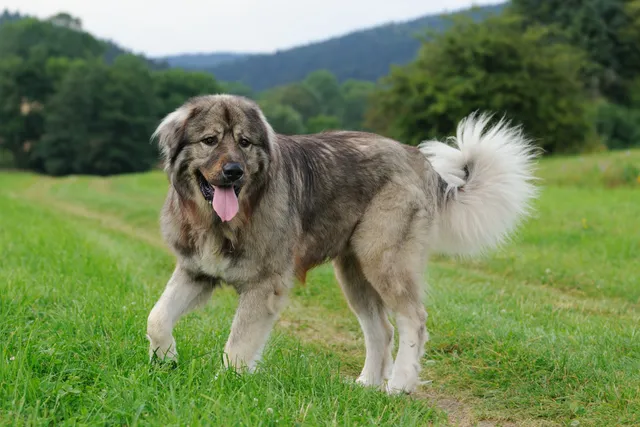
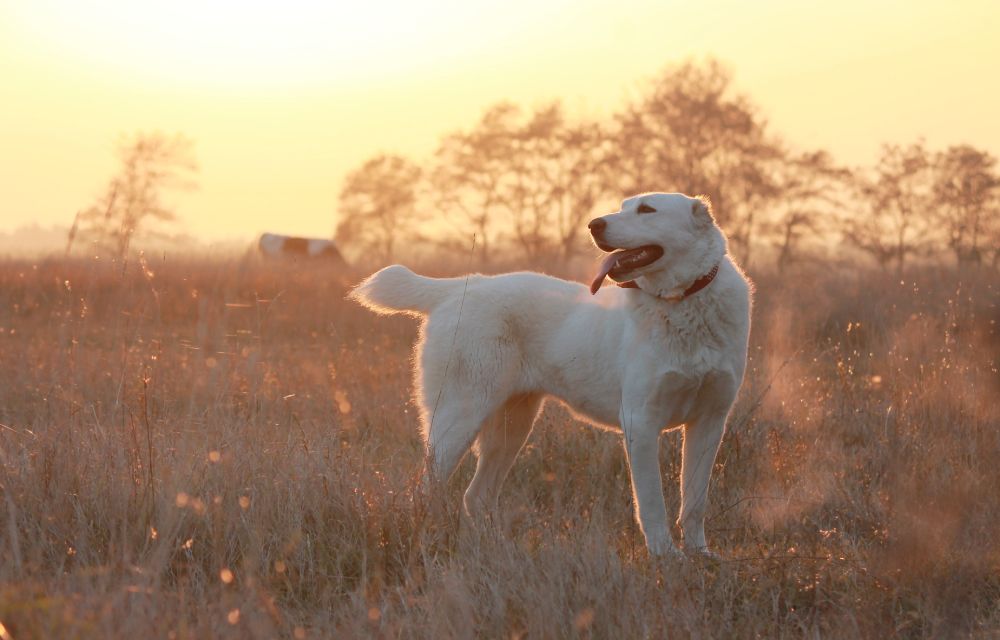
If you’re an experienced dog owner in the market for a guard dog that won’t back down from danger, then the Central Asian Ovcharka might be the breed you’re looking for. Also known as the Central Asian Shepherd Dog, the Ovcharka is a large to giant breed dog that is the product of thousands of years of natural selection and selective breeding. These dogs are not for the inexperienced dog owner, and even if you’re an experienced owner, this breed still may be too much for you.
Breed Overview
Height:
Weight:
Lifespan:
Colors:
Suitable for:
Temperament:
Although this breed has been around for a very long time, you don’t hear about the Ovcharka very often. The Ovcharka is often classified as a livestock guardian dog, likening it to the Great Pyrenees, but this breed was actually developed for the purpose of guarding people and their possessions. While some people do use this breed for livestock guardian duties, which they often perform well, the breed makes a much better guard dog of land than livestock.
Central Asian Ovcharka Characteristics

Central Asian Ovcharka Puppies

As large to giant dogs, Ovcharka puppies grow large very quickly. Because of their large size at an early age, it’s important to start training your pup while it’s still young. Otherwise, you’ll end up with a puppy the size of an adult dog that is difficult to control.
This breed isn’t particularly popular in the US, but there are some breeders with responsible breeding programs. Seek out a breeder who performs all health testing recommended by the Central Asian Shepherd Dog Breed Club.
Central Asian Ovcharka Breed Origin & History
The Ovcharka is often considered to be the oldest known dog breed, having been developed around 5,000 years ago. Interestingly, this breed primarily developed itself through natural selection in the harsh environments offered by places like Mongolia, Afghanistan, and Turkmenistan. In comparison, most modern dog breeds are the product of exclusive selective breeding. This natural selection breeding process resulted in an extremely hardy and adaptable dog that is far more independent than the average domestic dog.
While they do make solid livestock guardians, this breed has primarily been used to guard people and their belongings, and thanks to their loyalty to their people, they’re extremely good at this job. Since the breed has been around for so long, the natural development of the breed occurred when there were more large predators around, so the breed developed a fearlessness in the face of any predator, no matter the size.
Temperament & Intelligence of the Central Asian Ovcharka 🧠
This is a highly independent breed, but Ovcharka dogs bond closely with their people and are strongly connected to their perceived territory. You can expect an Ovcharka to fearlessly defend its people and territory, to the point that it can make this breed dangerous if not handled properly. As an independent breed, the Ovcharka isn’t a very snuggly or loving dog, but it is fiercely loyal. This is also not a breed that is suitable for a first-time dog owner. They are working dogs that need to be given a job to put their instincts to use.
Are These Dogs Good for Families? 👪
Ovcharka dogs can be suitable for families because of their ardent desire to protect, which can make them excellent guardians of children and homes. They are generally tolerant of children, but these are working dogs and not your average pet dog, so they are unlikely to be overly tolerant of children’s antics. They are extremely suspicious and aloof with strangers, sometimes even going straight to aggression, so they’re not a good option for homes with frequent visitors.

Does This Breed Get Along With Other Pets? 🐶 😽
Since the Ovcharka is likely to view other animals on the property as things to be protected, they are likely to defend them. They are good with livestock animals, and, like most guardian breeds, they get along well with other dogs performing the same job as them as long as they are properly introduced and socialized.
However, there is a chance of these dogs viewing other animals on the property as predators, especially unfamiliar dogs and cats. Socialization of the Ovcharka should begin when the dog is very young, and all new animals should be safely and properly introduced.
Things to Know When Owning a Central Asian Ovcharka
Food & Diet Requirements 🦴
These are very large dogs that have a high caloric need. As working dogs, they often have a higher caloric need every day than the average large-breed dog. Provide your Ovcharka with a high-quality diet designed for large and giant breed dogs. For a working dog, you may also consider a sport or working dog food. Your vet will be able to guide you in finding the right food for your dog, as well as helping you determine how many calories your dog needs to eat every day.
Exercise 🐕
Ovcharka dogs are only moderately energetic, so you aren’t likely to need to take this breed for a run every day. However, they are likely to spend a large portion of the day wandering around their territory. Because of their instincts to guard and roam, they may make a poor option for homes and small yards. If you attempt to keep one in a home with a small yard, then daily exercise will be necessary to maintain the health and well-being of your dog.
Training 🎾
With this breed, you can expect a highly independent dog, but Ovcharka dogs are surprisingly trainable. They may not master tricks and complicated commands, but their strong instinctual desire to guard makes them naturals at protection work. If you want your dog to be a guard dog, then you may consider looking into guard dog training to help direct their skills to an appropriate one.

Grooming ✂️
This is a moderately shedding breed that requires minimal coat maintenance. Since the breed was developed for harsh conditions, the coat is relatively self-sufficient. It’s a good idea to check your dog over regularly to make sure they don’t have any wounds, mats, or debris stuck in their coat. Brush them every week or so to maintain the health of their coat and skin.
Since your Ovcharka will likely spend most or all of their time outside, they may get dirty and stinky. Bathing every month or so can help to keep their skin and coat healthy, but in between baths, oatmeal-based pet shampoo is a great option for freshening your dog up and removing dirt from the coat.
Health and Conditions 🏥
Male vs. Female
There is a large size variation between male and female Ovcharka dogs, with males typically exceeding 100 pounds and females generally staying below 110 pounds. Males are slightly taller than females, but both sexes are large, imposing dogs. Males tend to be more stoic than females, while females are sometimes a little sweeter but also sneakier than males.
Both sexes are very responsive to female handlers, while males may be resistant to responding to a male handler. As a protector, the Ovcharka identifies women and children, or those they view as “below” them, as the most likely of their people to need protection.
3 Little-Known Facts About the Central Asian Ovcharka
1. They Usually Have Cropped Ears and Tails
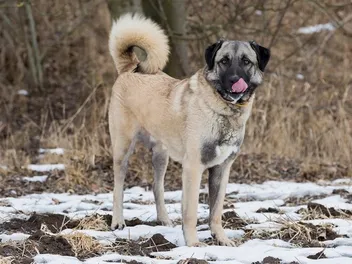
Although not legal in all places anymore, most, if not all, Ovcharka dogs you see will have a very shortly docked tail and cropped ears. This is because the ears and tail are likely to become severely damaged when fighting and protecting, so many breeders remove them to prevent injuries later on.
2. They’re Ancient
The Ovcharka has been around in some form for thousands of years. There is a vase that was found in northern Iran that was dated to around 2000 BCE that depicts dogs that look remarkably similar to the Ovcharka and other molosser-type breeds.
3. They Usually Only Listen to Their People
People who have owned Ovcharka dogs will tell you stories about how protective their dogs are, from protecting newborn babies without requiring training to protecting property. In many cases, the dog will have an interaction with a person they are not familiar with that ends with the dog blocking their path and growling. They are unlikely to attack without provocation, but it can be unsettling to have a 100+ pound dog growling between you and the door. If you have an Ovcharka, it’s best to keep the dog put up when visitors are around.

Conclusion
The Ovcharka has many excellent qualities, and the fact that it essentially developed itself makes the breed fascinating. This is a sturdy breed with strong instincts and unwavering loyalty. They can be difficult for inexperienced or unprepared dog owners to manage, though. Socialization and training are necessary to ensure that you have a dog that is level and safe for others.
Don’t forget that your dog’s instincts are likely to make it very protective, even without protection training, so train your dog from a young age to respond correctly to your commands.
Featured Image Credit: Anna_Bondarenko, Shutterstock
Expert dog care, straight to your inbox
News, insights, expert advice, and everything dog.

No spam — unsubscribe anytime.
By signing up, you agree to our Terms & Conditions and Privacy & Cookies Policy.
How useful was this post?
Click a star to rate. You can leave written feedback afterwards. (We read all feedback.)
Brooke Billingsley spent 9 years as a veterinary assistant before becoming a nurse in 2013. She lives in Arkansas with her boyfriend, and loves all animals; currently sharing a home with three dogs, two cats, five fish, and two snails. She has a soft spot for special needs animals and has a three-legged senior dog and an internet famous cat with acromegaly and cerebellar hypoplasia. Fish keeping has become a hobby of Brooke’s and she is continually learning how to give her aquarium pets the best life possible. Brooke enjoys gardening and keeps a vegetable garden during the summer months. She stays active with yoga and obtained her 200-hour yoga teacher certification in 2020. She hosts a podcast focusing on folklore and myth and loves spending her free time researching and writing. Brooke believes that every day is an opportunity for learning and growth and she spends time daily working toward new skills and knowledge.