Get

In Your Inbox

Dogster is reader-supported. When you buy via links on our site, we may earn an affiliate commission at no cost to you. Learn more.

NSAID Panel Blood Test For Dogs: Our Vet Explains Necessity & Frequency

Share

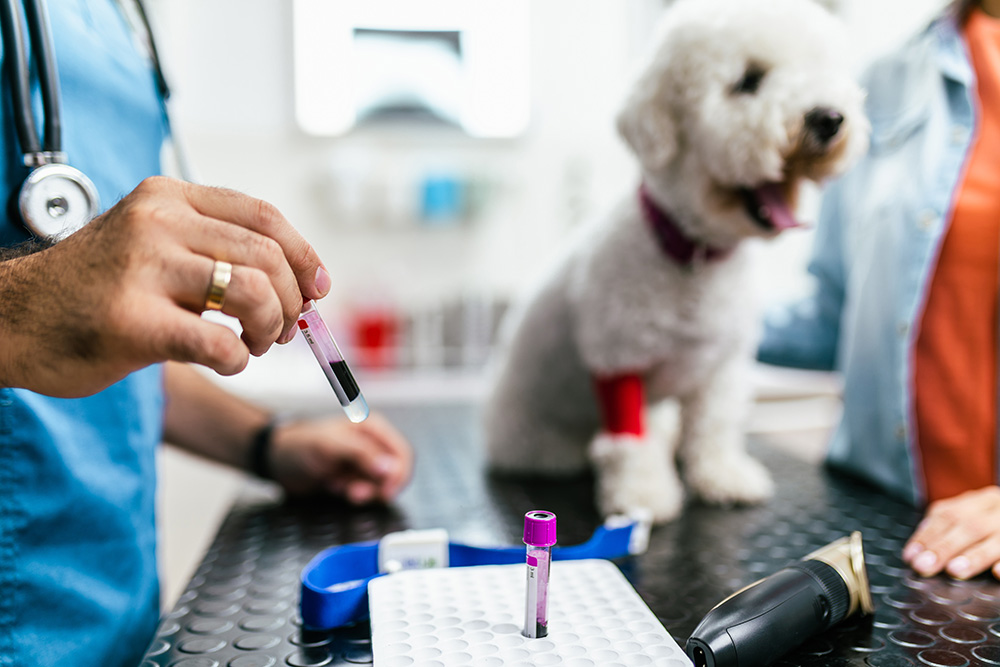
blood samples of a dog for lab testing

Non-steroidal anti-inflammatories (NSAIDs) are used to treat various issues in canines, from short-lived treatment like spay surgery pain to long-term use for osteoarthritis. For most dogs, NSAIDs provide them with pain-free mobility, but using them in the long run can come at a cost. That’s why NSAID panels are so vital.

These blood tests help check the effects that the prescribed NSAID may be having on the dog’s major organs. As a rule, they should be performed before starting treatment and then periodically throughout the process. The frequency will depend on the dog and the situation.

divider single dog paw oct 2024

What Is an NSAID Panel for Dogs?

NSAIDs can work wonders at reducing inflammation and pain from all sorts of ailments. Unfortunately, they may also be negatively affecting certain parts of the body. The digestive system, kidneys, liver, and blood cells are the most common victims.

Keep in mind that side effects are more likely to occur at high doses and when taken with other medications, but they can still happen to an otherwise healthy dog taking only normal levels of NSAIDs.

To monitor these targeted organs, periodically doing an NSAID blood panel can be beneficial. It will help the veterinarian see if the rest of the dog’s body is operating optimally or if there’s an upset that needs to be addressed, hopefully before something serious can happen. An NSAID blood panel should check at least the liver values of ALT, ALP, and AST and the kidney values of BUN and creatine. That said, it doesn’t have to be limited to these and may include a red blood cell count, among other tests.

Alongside an NSAID blood panel, you and your vet should monitor how well the NSAID is controlling your dog’s pain and health in general, including appetite, attitude, and pooping and peeing.
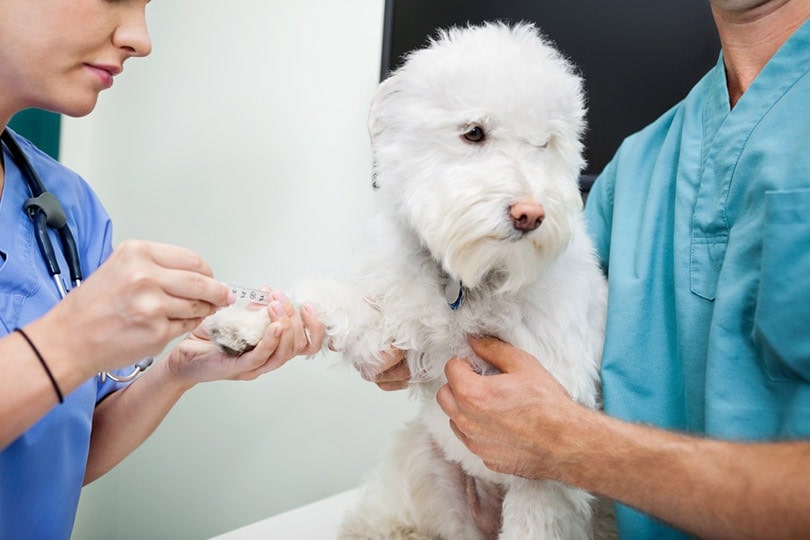
cropped young veterinarian doctors taking blood work from dog
Image Credit: Tyler Olson, Shutterstock

How Often Should an NSAID Blood Panel Be Done?

Monitoring your dog’s response to NSAIDs is a crucial piece of the management puzzle, but the frequency for monitoring isn’t one-size-fits-all. How often you have the blood tests performed will be up to you and your vet. As a general rule, though, every dog should have blood work done before starting NSAIDs, to make sure their body is ready for this medication and to get a baseline of their values.

Since most adverse drug reactions occur within 14–30 days of starting the medication, an NSAID blood panel should be done 2–4 weeks after starting. Of course, if the owner notices any changes in their dog’s appetite or signs like vomiting or diarrhea, repeat blood work can be done sooner.

After that starting phase, the frequency of NSAID blood panels will likely depend on your dog’s age and any other health concerns. For canines over 10 years old, blood tests may be recommended every 3 months. Pups younger than 10 may get by with every 6–12 months. Again, if a dog experiences any adverse effects, speak to your vet rather than wait for your pet’s next scheduled blood panel.

If you need to speak with a vet but can't get to one, head over to PangoVet. It's our online service where you can talk to a vet online and get the advice you need for your dog — all at an affordable price!

PangoVet_Mention-in-Content Savings V1

Are Blood Panels Necessary for Dogs on NSAIDs?

Fortunately, severe adverse reactions to NSAIDs are incredibly rare, but it can be catastrophic when they do happen. Therefore, keep a close eye on your dog’s bodily functions at home and the vet’s. NSAID blood panels are the best way to do this, especially if your dog will be taking the medication for the long term. Constant monitoring at home is just as important, though, and should be frequently discussed with your vet.
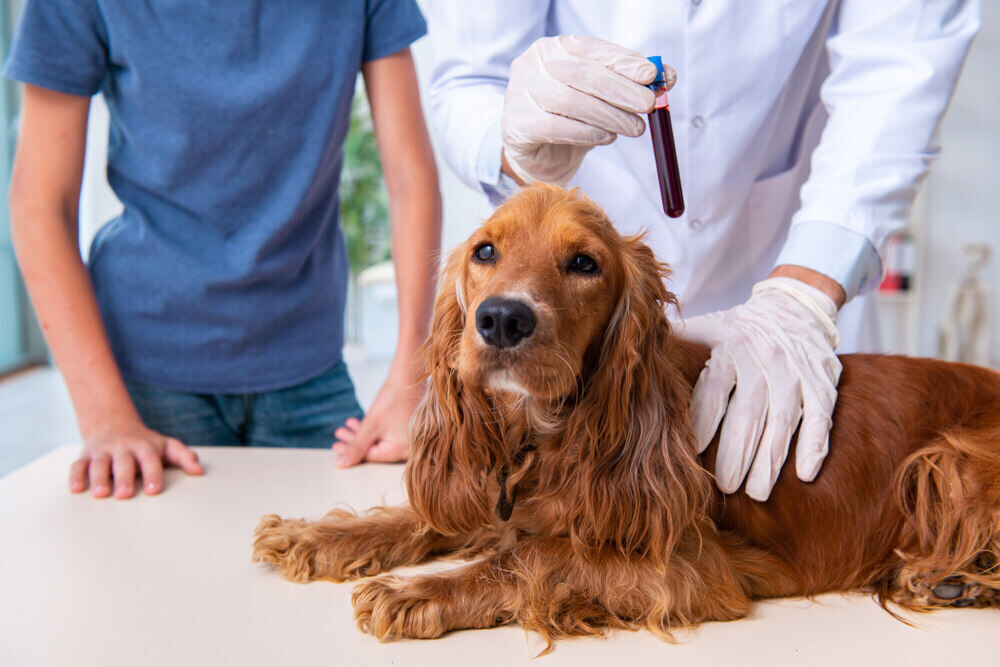

dog getting a blood test at vet
Image Credit: Elnur, Shutterstock

divider dog paws 3 oct 2024

Conclusion

NSAIDs are frequently used and effective medications for dealing with a dog’s inflammation, but they are far from perfect. They can have side effects that affect the liver, kidneys, and digestive system, especially when taken at high doses or for the long term.

Any canine taking an NSAID for longer than a couple of weeks should receive regular NSAID blood panels before beginning the medication and after 2–4 weeks with it onboard to check organ function. After that, it depends on your pup’s age and your vet’s discretion, but they’re typically done every 3 months for dogs over 10 years and every 6–12 months for pups younger than that.


Featured Image Credit: hedgehog94, Shutterstock

Want content like this delivered to you?

Sign Up For Our Newsletter

News, insights, expert advice, and everything dog

* By submitting, you agree to our Terms & Conditions and Privacy & Cookies Policy.


How useful was this post?

Click on a star to rate (you can leave written feedback after clicking submit)

Help us improve Dogster for pet parents!

Your feedback really matters.

What did you like about this post? Also how can we improve it?

Join the conversation

Leave a Reply

You’re very welcome to leave a comment or question. Please know that all comments must meet our community guidelines, and your email address will NOT be published. Let’s have a positive and constructive conversation.


Dogster's Digital Magazine is Back!​

Dogster Magazine Cover June 2026

Vet-approved health & behavior advice

Real dog stories & community features

The Organization Helping Pets Feel Safer, Happier, and ‘Fear Free’ – Heroes of the Pet World

For many pet owners, stress during veterinary visits, grooming appointments, travel, or even routine handling can feel like an unavoidable part of life...

Why Some Dogs Treat Mealtime Like Playtime – And When to Pay Attention

Most dogs are reliable eaters. Bowl goes down, food disappears. So when a dog starts batting kibble across the kitchen floor, tossing pieces...

Major Win for Dogs: Ontario Becomes the Final Province to Ban Ear Cropping and Debarking

​​Ontario has approved new animal welfare regulations that will prohibit elective ear cropping and devocalization (debarking) procedures in dogs from January 1, 2027....

Dogster’s Weekly Photo Contest Winners: Most Adorable Puppy (June 8, 2026)

Every week our team gets the privilege of sorting through our readers photos to choose what dogs will win this weeks contest! See...

More related

How to Crate Train a Cavalier King Charles Spaniel in 5 Vet-Approved Steps

Cavalier King Charles Spaniels are easygoing dogs and make wonderful companion pets for first-time dog owners. When bringing home a new dog, it’s...

Border Collie Lab Mix (Borador) Dog Breed: Info, Pictures, Care & Traits

A Border Collie Lab mix is also commonly called a Borador. This lovable dog is a combination of two of North America’s most...

Purina Pro Plan Dog Food Review 2026: Pros & Cons and Recalls

Review Summary Purina has been one of the top producers in the pet food industry for over 90 years and has been a...

How to Train a Dog to Go Down Stairs: 5 Vet Approved Tips & Tricks

Dogs can be afraid of stairs because they haven’t been exposed to them before. We usually think of puppies not knowing what stairs...

Keep reading

How Much Crude Protein Should Be in Dog Food? Vet-Verified Facts & Advice

Finding out how much crude protein should be in dog food, as it turns out, is not an easy question to answer. Let’s explore why. The amount of crude protein that should be in dog food varies. Several variables need...

man buying pet food in the store

9 Best Dog Foods for Seizures in 2026: Reviews & Top Picks

Seizures are a growing concern amongst dog parents and one that is understood as little by veterinarians as it is by dog owners. While there is debate on the cause and necessary treatment for seizures in dogs, there’s no doubt...

Dog beagle eating canned food from bowl in bright interior

Darwin’s Natural Selections Dog Food Review 2026: An Expert’s Breakdown

If you’re a proud owner of a dog, you’ve likely heard about raw dog food diets and subscription services. While there are lots out there to check out, the big question is, are they all the same? That’s what we’re...

Darwin’s Natural Selections Dog Food

10 Best Dog Foods for Rat Terriers in 2026 – Reviews & Top Picks

Rat Terriers are adorable, medium-sized dogs that can bring light to your world. They are compact little dogs coming in at around 13 inches tall that love to play, be loved, and are tough as nails. Like with any dog...

Rat Terrier Smiling

9 Best Dog Foods for Nursing Dogs in 2026 – Reviews & Top Picks

Feeding a nursing dog the best food possible is crucial for her health and the long-term well-being of her puppies. Mother dogs require special food designed to meet their nutritional needs while they are nursing. The ideal food is high...

Litter of Small Breed Newborn Puppies Nursing on Their Mom

Can Dogs Eat Parsley? Vet-Verified Facts & FAQ

You might be familiar with parsley as a common ingredient in cooking, but the herb also offers many health benefits and is considered a superfood for humans1. As dog owners, we want our pets to stay healthy, but is parsley...

Can Dogs Eat Parsley

Can Dogs Eat Limes? Vet-Approved Facts & FAQ

Disclaimer: Before changing your dog’s/ cat’s diet or introducing new ingredients or supplements that they haven’t eaten before, especially when it comes to human food, make sure to consult your veterinarian first. Every dog/cat is different and requires an individual...

Can Dogs Eat Limes

10 Best Dog Foods for Puggles in 2026 – Reviews & Top Picks

So, you did it. You welcomed a new Puggle into the family. Now you need to figure out what you need to keep him safe, happy, and healthy. The pet store has so many choices of beds, toys, crates, and...

Puggle dog outdoors

Love Dogs? So Do We! Join the Dogster Community

Stay informed with expert pet care insights delivered straight to your inbox! Discover professional guidance on animal behavior, feeding tips, trusted product picks, and much more.


Sign up for the Dogster Email Newsletter