How to Potty Train a Puppy or Dog: Vet-Approved Step-by-Step Guide


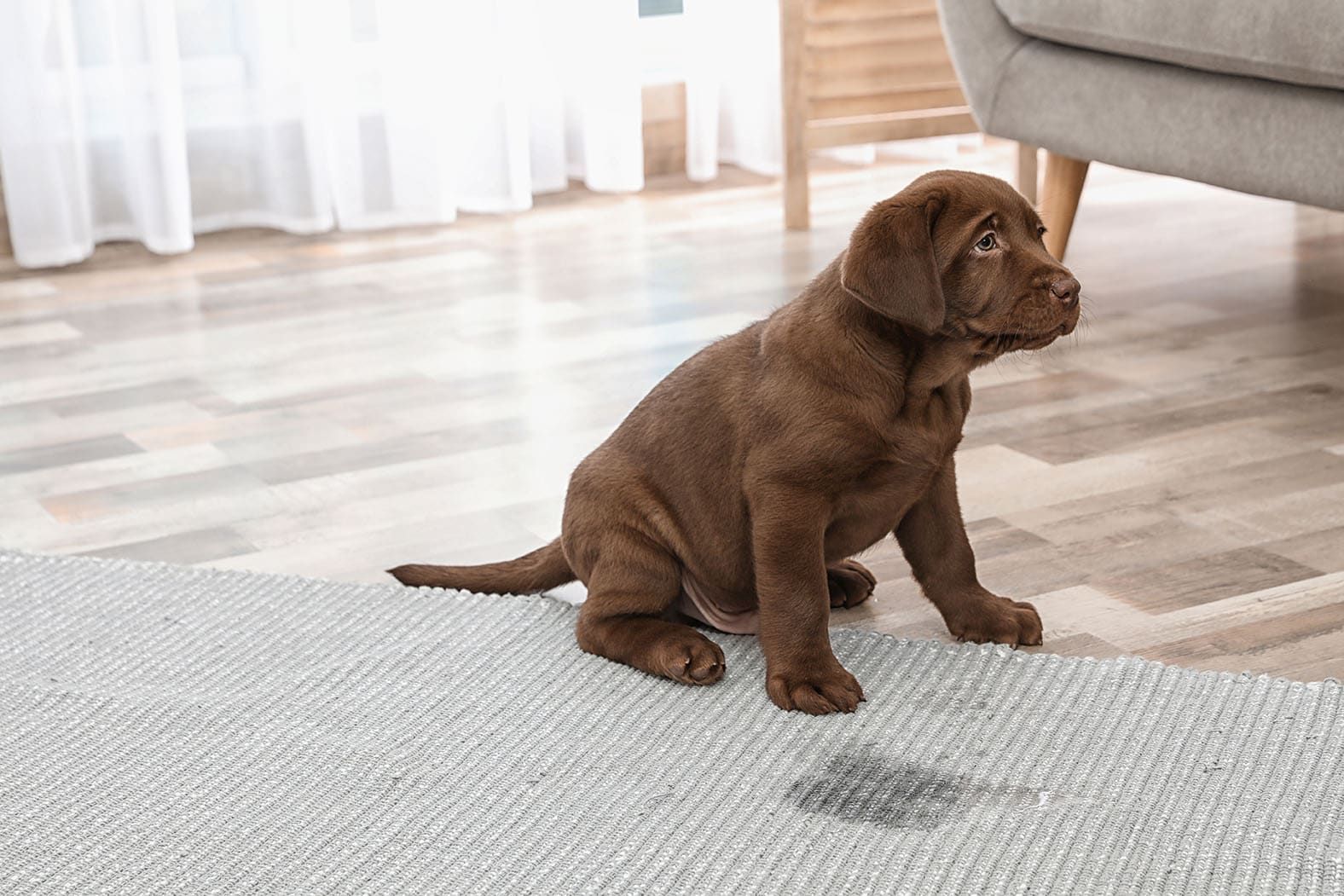
Potty training your puppy is vital, and it will save you a great deal of trouble later. However, some people struggle with training, especially those who have never owned a dog before. If you need help in this area, read on for a step-by-step guide to potty training your puppy, as we offer plenty of tips and answers to common questions about the process.

Before You Begin
- Before you bring home your puppy, choose a spot outside where they will go potty.
- Set feeding and potty schedules for your pet. Puppies usually need to go outside every couple of hours, so plan accordingly.
- Choose a word or phrase to signal to your puppy that it’s time to go potty, like “go potty” or “do your business,” and stay consistent with it.
- Have the necessary supplies ready before you start training, which can include a leash to take your puppy to the potty spot, treats for rewards, and cleaning supplies, like a high-quality enzyme cleaner for accidents.

The 7 Steps for Potty Training a Puppy or Dog
1. Introduce the Potty Area
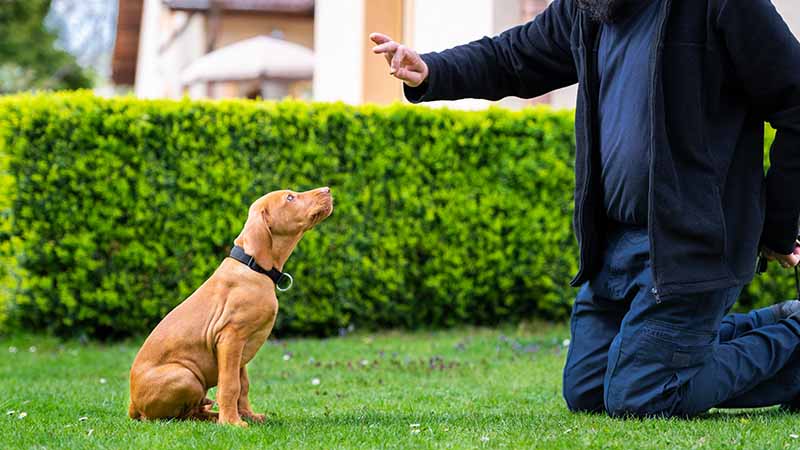
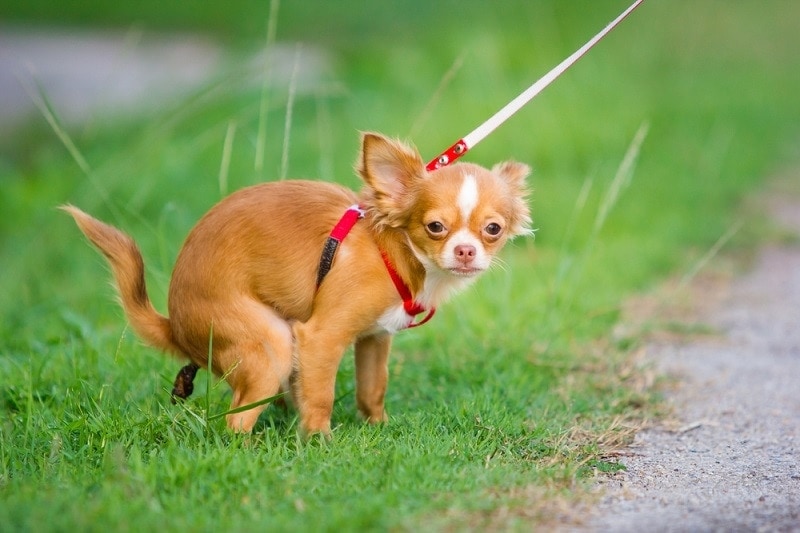
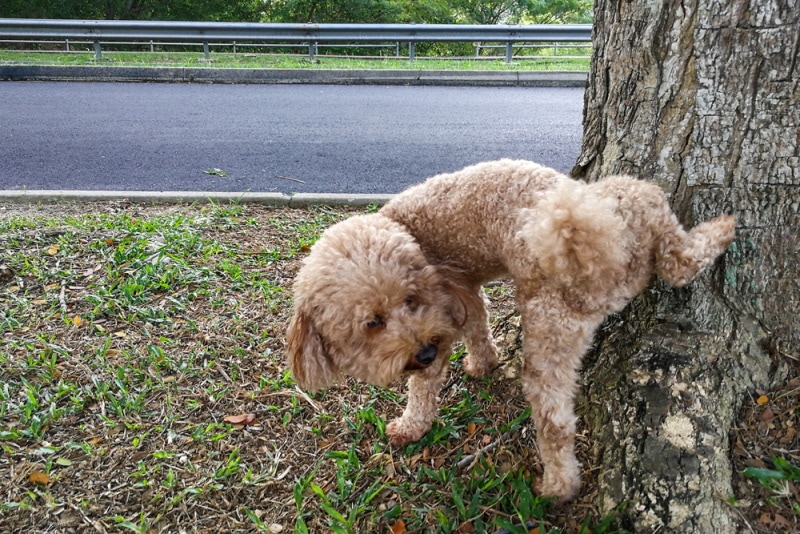
To start the training, lead your puppy to the chosen potty spot using a leash, and say your chosen phrase to help your pet associate the words with the action of going to the bathroom. Give them time to sniff around and get comfortable.
2. Reward and Praise Your Dog

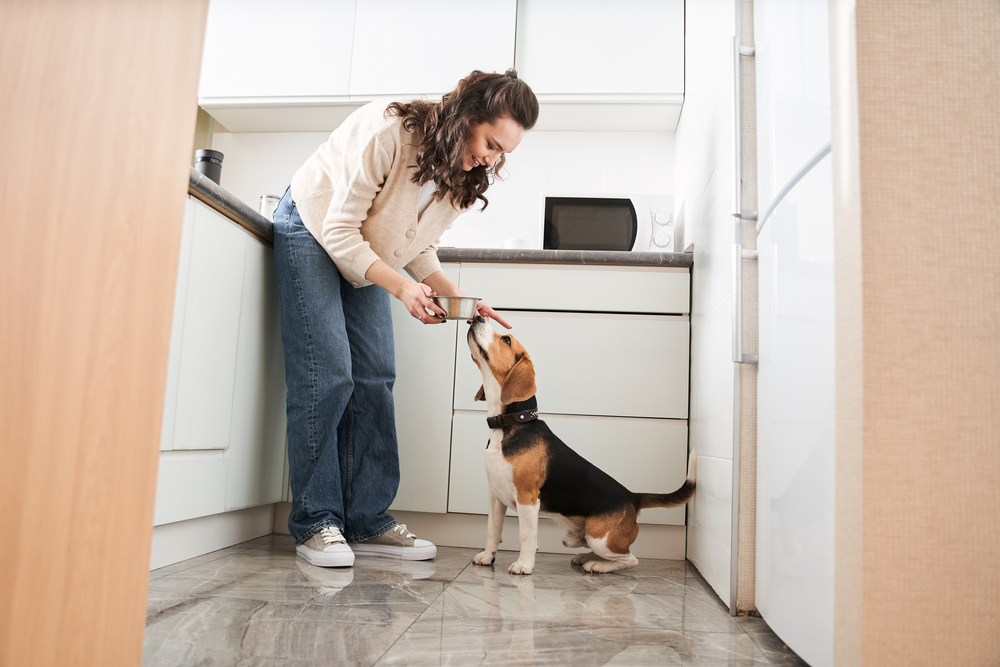
If your pet goes potty in the right spot, give them a treat or extra praise to help them understand that they did something right. After a few repetitions, your dog will associate that the spot, the action, and the treat go together, and the bulk of your work will be over.
3. Establish a Schedule
Take your puppy to their potty spot based on the schedule. With puppies, this largely depends on your attention and careful planning because puppies haven't developed bladder control and need to be taken out in hourly intervals that are the approximate equivalent to their age in months. This means at least every 2 hours if your puppy is 2 months old, every 3 hours if they are 3 months on, and so on. It is best to also take them out right after waking up from a nap and about 15 minutes after each meal.
With adult dogs, your schedule might be more relaxed. You will typically need to take them out after meals, playtime, and naps to help get them into a routine that will reduce the number of unexpected potty trips.
4. Observe and Learn

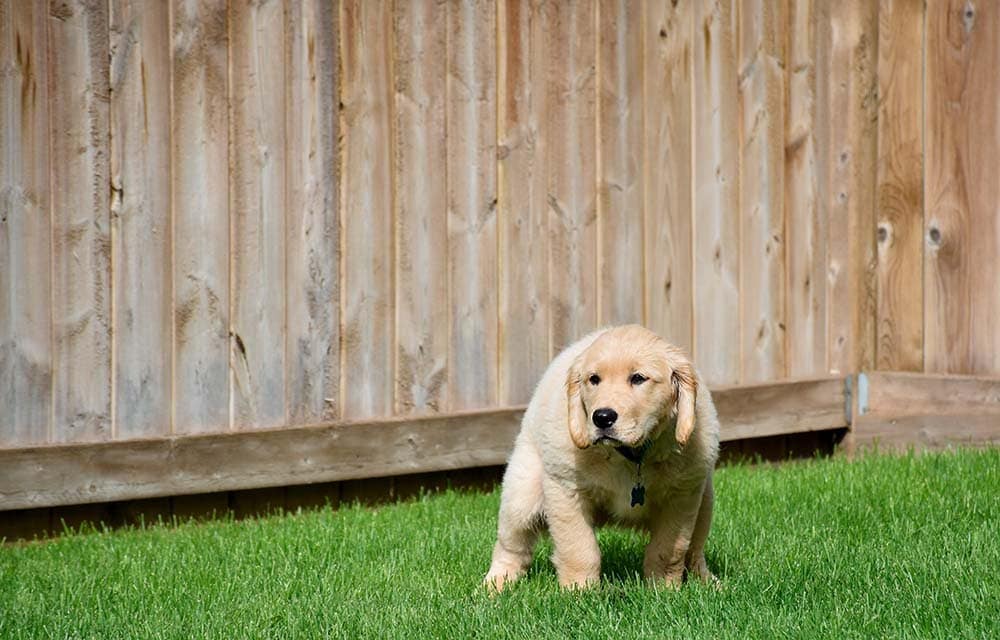
Once your dog has a good idea of where to go, it’s time to work on when. With experience, you will learn to recognize the behavioral signs. Pay close attention to any indication that your puppy or adult dog needs to go potty, which can include sniffing, circling, or whining. If you are lucky, they may even stand by the door, signaling that they want to go out. Immediately take them to their potty spot when you notice these signs.
5. Handle Accidents Calmly
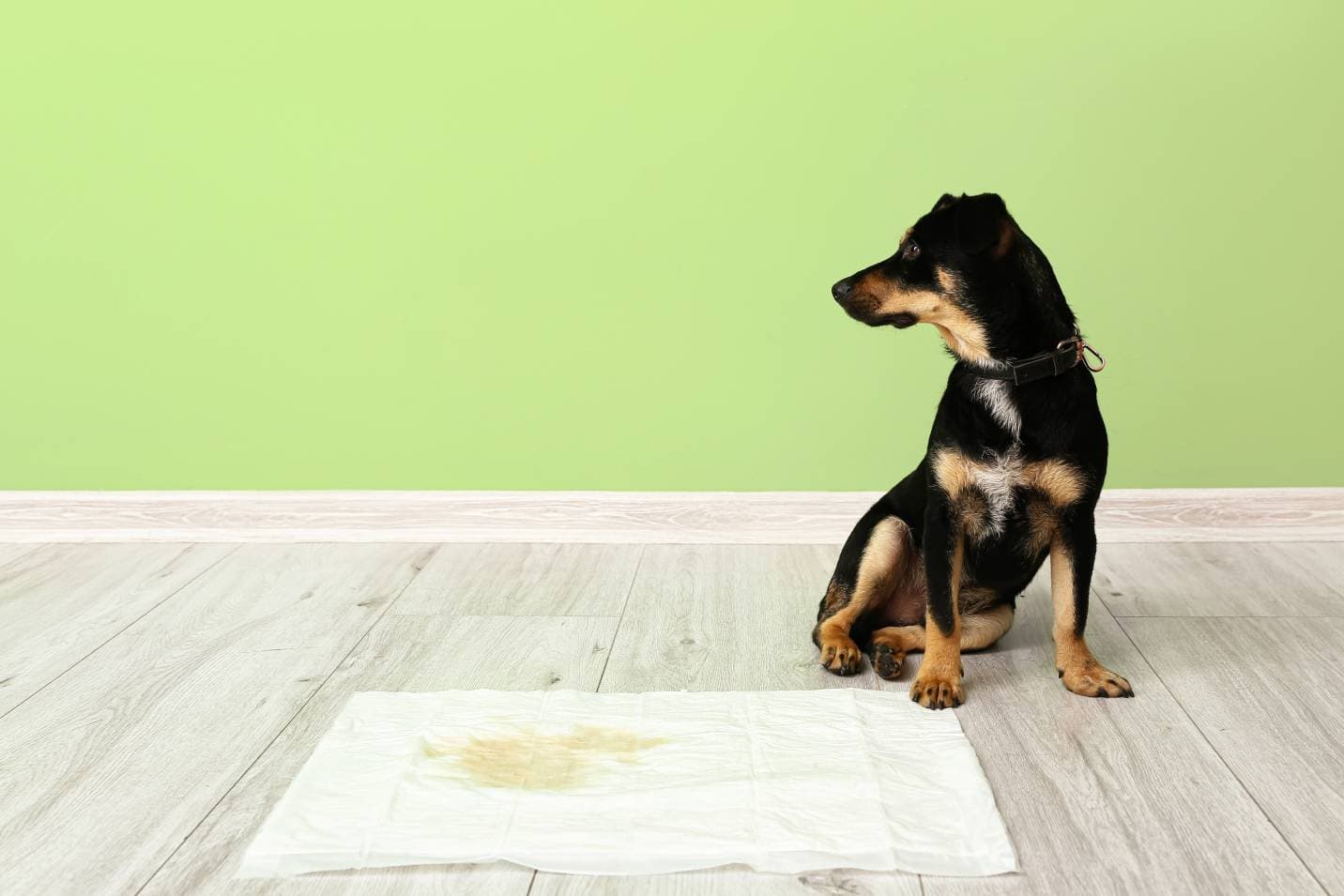
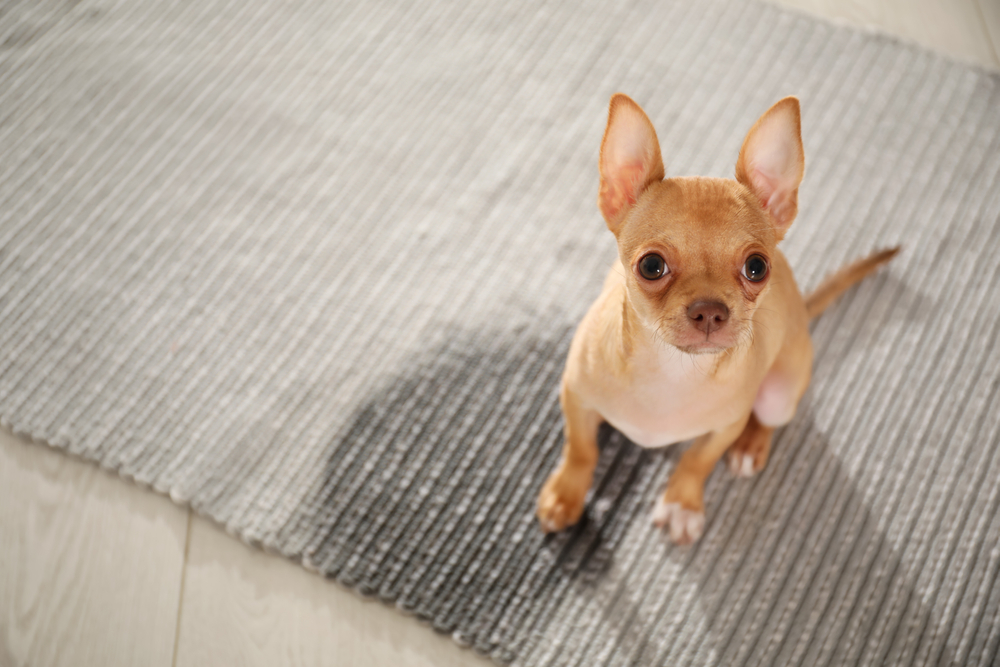
Accidents can happen, even with well-trained dogs. If your pet has an accident inside, try not to get too angry with them. If possible, calmly interrupt them, and take them to the chosen spot. Clean up the mess quickly with an enzyme cleaner to reduce the chances that they will have an accident in the same place in the future.
If you're looking for an all-in-one, pet-friendly, enzyme cleaner, we highly recommend the Hepper Advanced Bio-Enzyme Pet Stain & Odor Eliminator Spray.

- ADVANCED ENZYMATIC CLEANER - Penetrates the most stubborn smells and stains at the deepest molecular levels to dissolve any pet mess you encounter and lift it away at the source.
- FOR ANY MESS, ON ANY SURFACE - This pet odor eliminator cleans your carpets, floors, furniture, fabrics, and more. Whether it's urine, feces, vomit, or drool, you can erase all foul spots and smells!
- FRESH, NATURAL ODOR - Our unique formulation doesn't rely on dangerous or unpleasant chemical fragrances to get the job done. We eradicate smells and stains, not just cover them up.
It eliminates tough stains and odors easily and is excellent for accident prevention. Plus, it comes with a 100% satisfaction guarantee! Click here to order now.
At Dogster, we’ve admired Hepper for many years, and decided to take a controlling ownership interest so that we could benefit from the outstanding products of this cool pet company!
6. Gradually Increase Your Dog’s Freedom
As puppies, it’s a good idea to limit their movement, especially before they are potty trained, but as they become more reliable, gradually giving them more freedom around the house can be a strong form of positive reinforcement. If accidents occur, slow down, and reinforce the training before exposing them to more areas of your home.
7. Be Patient and Consistent

Potty training requires patience and consistency. Expect to have a few accidents, and try to remember that it is part of the process. Getting angry at your pet can lead to anxiety and confusion.

Tips and Tricks
- In the beginning, consider confining your dog to a crate or a puppy-proofed area to prevent accidents.
- Remember that puppies have no control of their tiny bladders and will need to be taken out a couple of times during the night.
- With adult dogs, limit how much water your dog drinks before bedtime to reduce the likelihood that they will need to go out while you are sleeping.
- Crate training can be a valuable tool in potty training, as dogs naturally avoid soiling their sleeping area. However, you should never use it as a form of punishment.
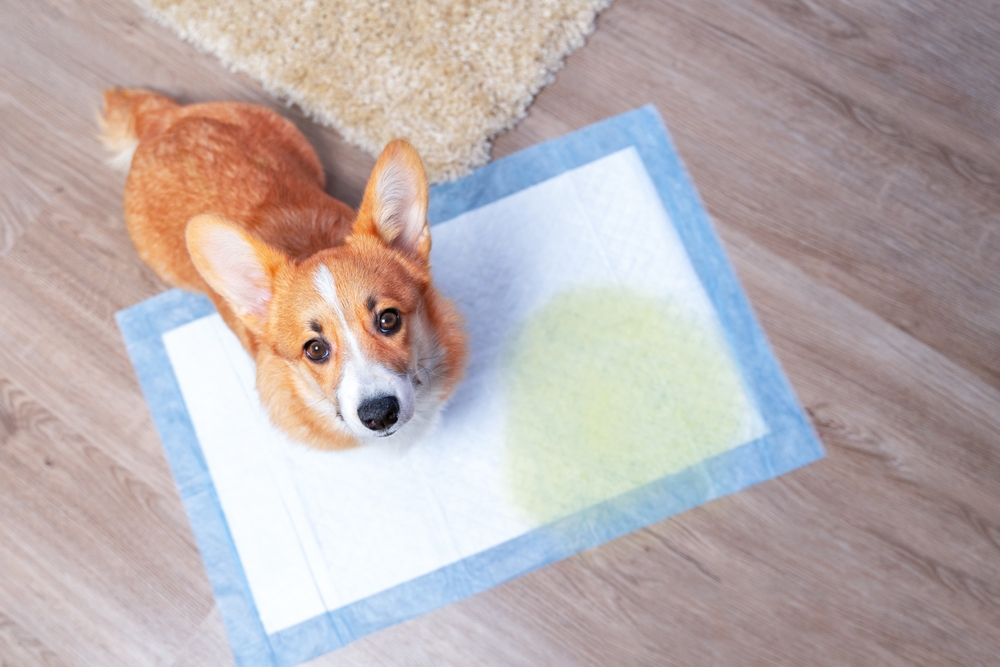
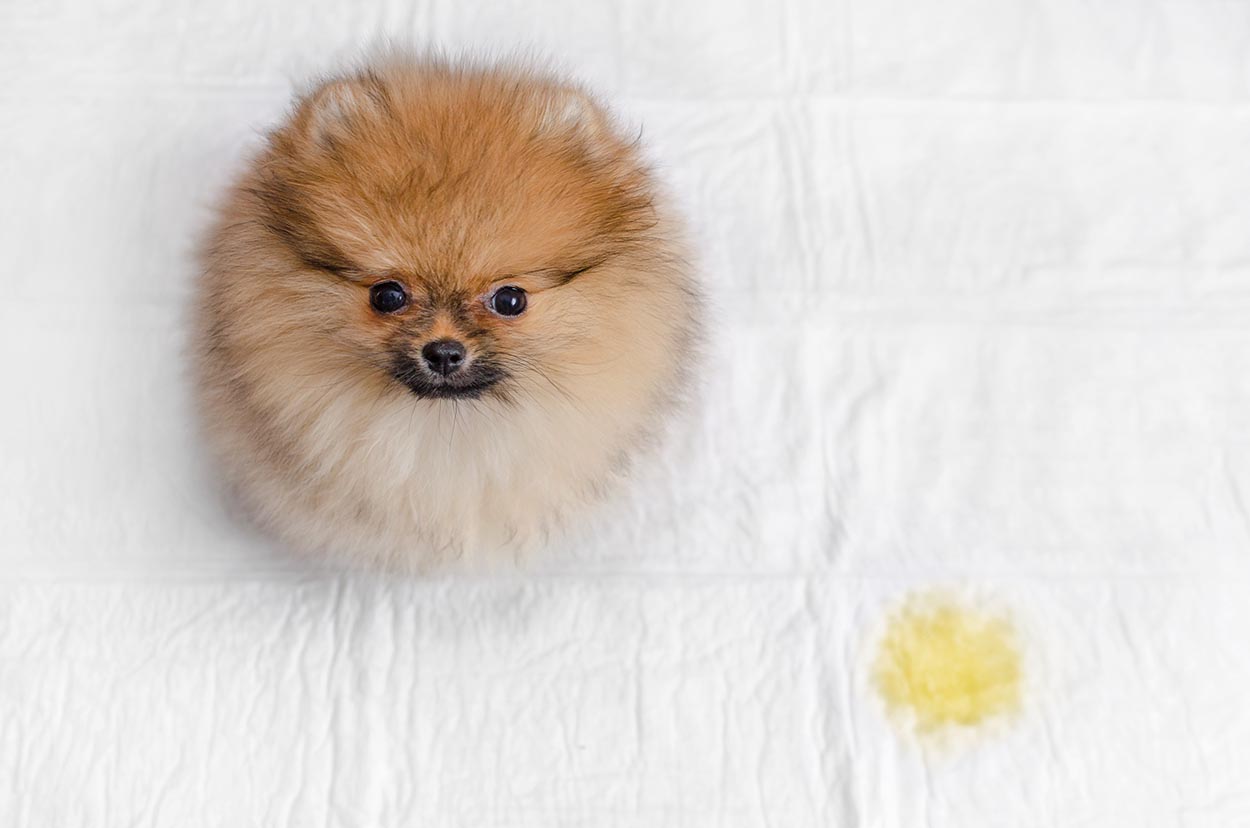
- While potty pads can be helpful, especially in an apartment building or another area where it’s difficult to take the dog outdoors, you should use them sparingly when training a dog to go outside, as they might confuse your pet about where they should go.
- Make sure everyone in the household is on the same page regarding training methods, schedules, and commands.

Frequently Asked Questions
How Often Should I Take My Puppy Outside to Potty?
Most puppies need to go out every 2–3 hours, but you will be able to gradually lengthen the time between bathroom breaks as they get older.
How Long Does It Take to Fully Potty Train a Puppy?
Unfortunately, the amount of time that it can take to fully potty train a puppy can vary considerably from one dog to the next, as each will have a unique personality and learning challenges. Many other factors also come into play, such as environment, breed, distraction, etc. Some puppies only need a few months to become reliable, while others can take up to 1 year.

Why Does My Puppy Have Accidents Immediately After Coming Inside?
Many dogs, especially puppies, can get distracted by all the commotion outside when they visit the potty and completely forget to do their business, only to remember once they get back inside and are unable to hold it any longer. Always ensure that your dog does what you came out to do before you go back into the house.
Alternatively, place them in the crate for 5 to 10 minutes after returning home and take them straight out again until they do their business. Remember to give them a treat once they do it, and allow them to play and sniff outside before bringing them back in.
Summary
Potty training your dog is relatively straightforward. You’ll need to pick a spot for your pet to use and choose a command like “do your business.” Then, take your puppy out every couple of hours to the designated spot, until you see them going potty. Once they do, give them a treat and allow them to play and sniff outside for a bit before going back inside.
Watch for signs that they need to use the bathroom between scheduled outings to reduce the likelihood that they will have an accident in the house. If an incident does occur, stay calm, and don’t punish your dog, or it can lead to high anxiety and other problems.
Sources
Featured Image Credit: New Africa, Shutterstock
Expert dog care, straight to your inbox
News, insights, expert advice, and everything dog.

No spam — unsubscribe anytime.
By signing up, you agree to our Terms & Conditions and Privacy & Cookies Policy.
How useful was this post?
Click a star to rate. You can leave written feedback afterwards. (We read all feedback.)
Ed Malaker is a seasoned writer who has contributed to a wide range of blogs covering everything from tools to guitars, and pets to fitness. When Ed isn't writing, he is usually making DIY projects around the house or working in the garden.