How to Teach a Dog to Swim: 5 Vet-Approved Tips & Safety Guide


In this article
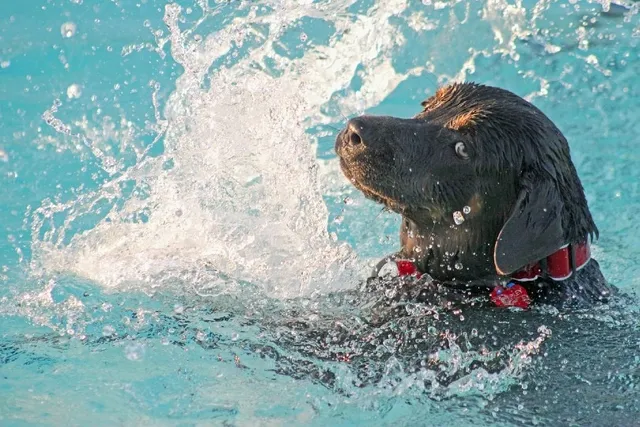
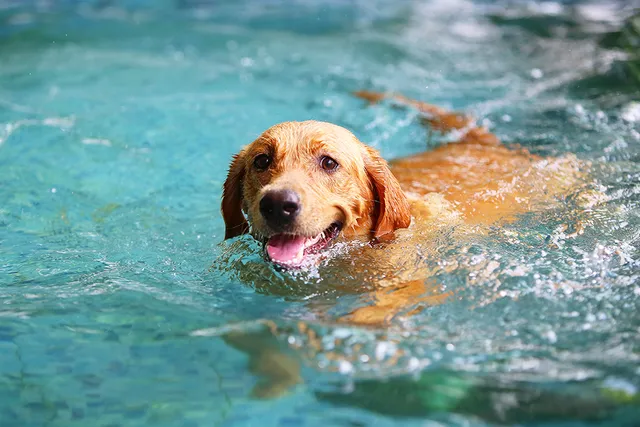
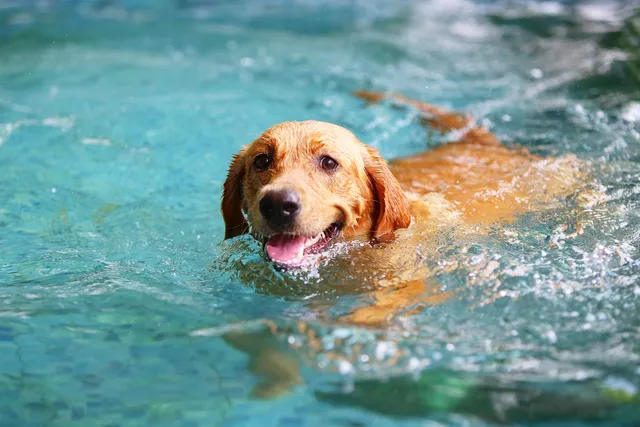
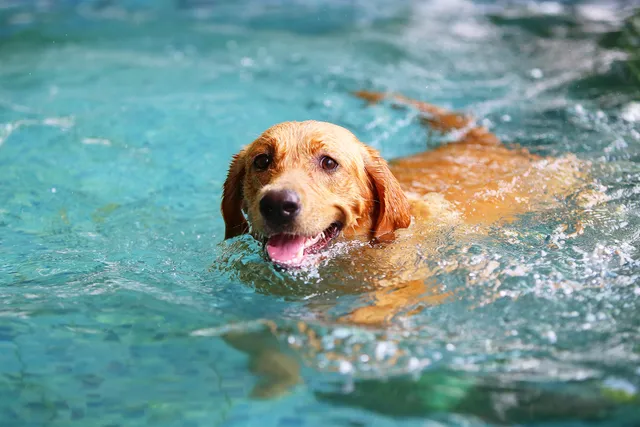
Exercise is an integral part of a healthy dog’s routine. Most dog owners keep their pets active with regular walks or games of fetch, but over time, the same old routine can grow stale. If you’re bored of it, just imagine how bored your dog is! If you want to add a new activity to your dog’s routine, why not consider swimming? Many dogs love swimming, and it’s a great way for them to get outdoors and stay active. In this article, we’ll discuss some key tips and tricks to teach your dog to swim so that you and your pet can exercise in new and exciting ways.

Before Jumping in the Pool…
Before you and your dog jump into the swimming pool, remember that not all dogs are well-suited for water. While most dogs can be taught to swim, their swimming skills vary. For example, the Portuguese Water Dog is more naturally adept at swimming than the Pomeranian, who may need to stick to shallow water with extra support. Consider your dog’s breed and abilities because they will play a prominent role in how you train them to swim. Regardless of your dog’s breed and skills, you should always have a life vest for them to wear. In addition to your dog’s life vest, you should also bring other swimming accessories. Below, we’ve provided a general accessories checklist for you to examine before taking a trip to the nearest body of water.
Swimming Accessories Checklist
The 5 Steps to Teach a Dog to Swim
Teaching a dog to swim will vary in difficulty depending on your dog’s breed and natural aptitude for the water. Some dogs easily learn to swim, almost as if it is ingrained in their DNA.
Other breeds will struggle and may never learn to swim. The only way to determine if your dog can swim is to try and teach them, so below are the 5 steps you can take to train your dog to swim safely.
1. Start in the Shallows
Don’t throw your dog in the deep end! When you’re teaching your dog to swim, it’s best to start slow. Guide them into the shallow end and allow them to set the pace of how quickly they venture deeper.
Pick the area you’ll swim in carefully; if it’s your dog’s first time in the water, you’ll need to avoid areas with rough water or strong currents. A pond or a small pool is ideal.
2. Let Your Dog Explore
Part of teaching your dog to swim is showing them that the water isn’t scary. While introducing your dog to water, allow them to explore their surroundings. Don’t force them to go anywhere they aren’t ready for, or they may develop an unhealthy fear of the water.
If your dog is reluctant or nervous about entering the water, you can use treats and toys to encourage them. Praise them as they explore the water so that they form positive associations with the experience.

3. Gradually Enter the Water
After your dog has had time to explore, try to coax your dog to enter deeper parts of the water. You can do this by walking with your dog into the water and providing support the whole time.
A leash may be beneficial for restraining dogs that are prone to bolting the second they get excited, so make sure you have one on hand.
4. Support Your Dog’s Body
As you walk with your dog into the water, place your hands under their stomach to support them. Their life jacket should give them buoyancy, but your hands will help them feel more secure and confident.
5. Gradually Increase the Depth
Now, gradually increase the depth of water you are in. Only move as fast as your dog is willing to, or you may shatter their confidence and frighten them. If your dog appears antsy, gently return them to shallower water and try again when they’ve settled down.

How to Swim Safely
Swimming is a fun activity for your dog as long as it is done safely. When swimming with your dog, ensure they don’t become stressed or too tired. If they seem unhappy or exhausted, remove them from the pool and take a break.
Check Water Quality and Safety
Whether your dog is swimming in a pool or a natural body of water, there are several dangers to be aware of. Chlorine and other pool chemicals can irritate your dog’s skin, nose, and eyes, whereas bacteria and other hazards can be dangerous in natural bodies of water.
Search for a swimming spot with minimal risks so that your dog can learn to swim comfortably. For instance, a fast-moving river or stream is too hazardous for most dogs to swim.
Even the most talented swimmer can become weary and disoriented in rough waters, so it is always better to be safe than sorry when it comes to water safety. A life vest could be the difference between life and death for your dog. Regardless, you should avoid rough ocean waters and choose a calm day or a lake or pool instead.
Ensure Ease of Access
How easy is it for your dog to enter and exit the water? If a body of water is too difficult to exit easily, it may be hazardous to your dog who is still learning to swim. Make sure you have an easy method to leave the water when you and your dog are done swimming.
Minimize Distractions
Pools or bodies of water that are chaotic and filled with other people or pets can be stressful places for a dog to learn to swim. Instead, look for relatively empty, calm spaces so your dog can build their confidence in peace.
Monitor Your Dog’s Behavior
Did you know that most cases of salt intoxication in dogs happen after they ingest large amounts of ocean water while swimming? You also want to avoid them from ingesting pool chemicals.
When you are out in the water with your pup, you should always keep an eye on them and ensure they do not drink. A great tip is to bring a bowl and drinking water, give your dogs regular breaks from swimming, and offer them a chance to drink clean water and relax for a bit. If you reinforce your dog after drinking from their water bowl, they will quickly understand the idea.

Final Thoughts
Teaching a dog to swim requires plenty of time and patience. Some breeds will pick up on it right away, while others will require more training and support. If you are struggling to teach your dog how to swim, canine swimming lessons are available. Enrolling your dog in these classes will ensure they receive education from a professional instructor. No matter how you decide to teach your dog to swim, the most important factors to consider are your dog’s safety and confidence. See also:
Sources
Featured Image Credit: Chendongshan, Shutterstock
Expert dog care, straight to your inbox
Vet-reviewed advice, training tips, and the best of Dogster. Free, and you can unsubscribe anytime.
By signing up, you agree to our Terms & Conditions and Privacy & Cookies Policy.
Pets are Jordyn’s passion, especially cats. Whenever she has the opportunity, she loves to learn about animals and share her knowledge with everyone. She is devoted to her mischievous tabby cat named Jack and works hard to buy him his favorite toys and treats. Discovering new ways to better care for her pet is always on the top of her to-do list, and she is eager to help pet parents everywhere who have similar pursuits. In her free time, she loves to write, read, and take long walks. She has a creative spirit, which often helps her to come up with funny cat names.
Join the conversation
Ask a question, share your story, or send private feedback.