The History of Animal Shelters & Dog Adoption in the United States (Vet Reviewed)


In this article
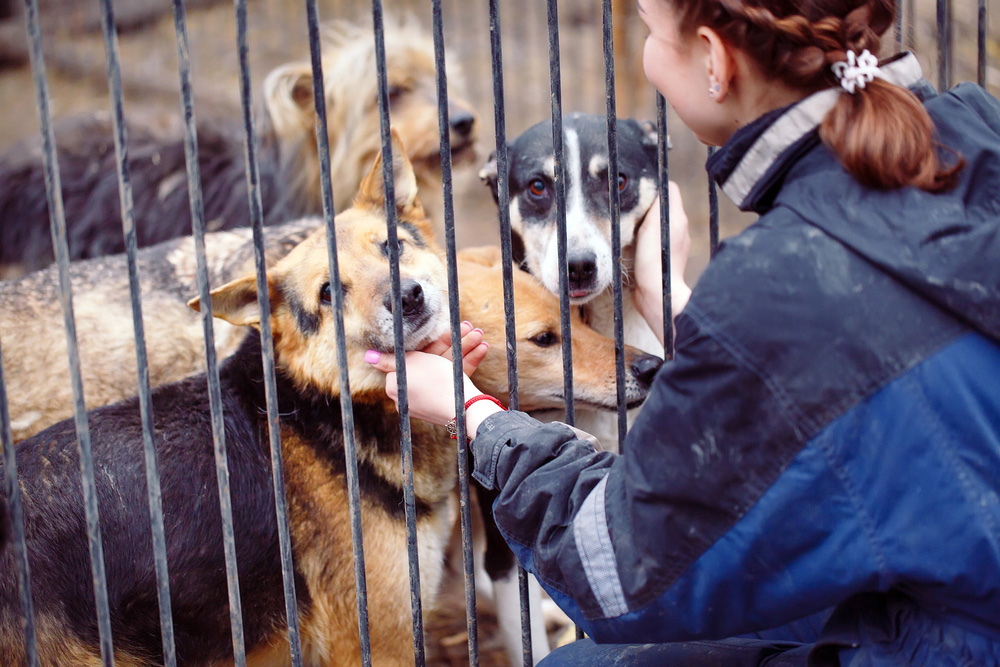
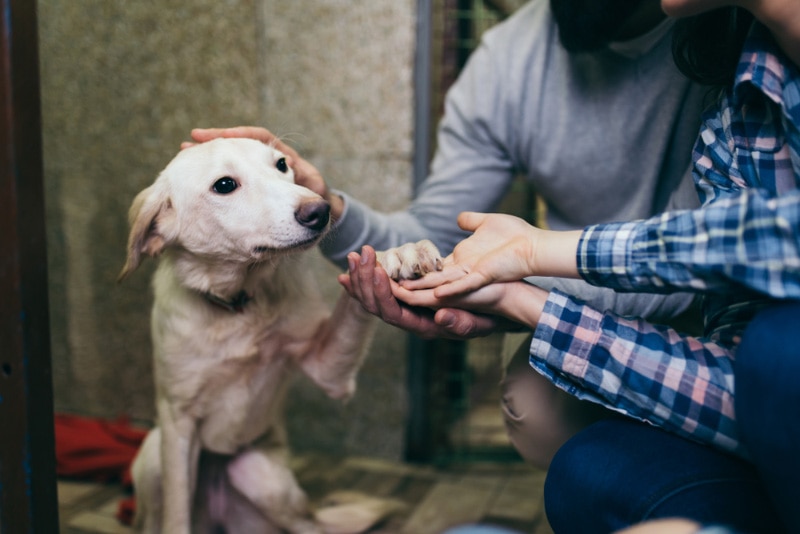
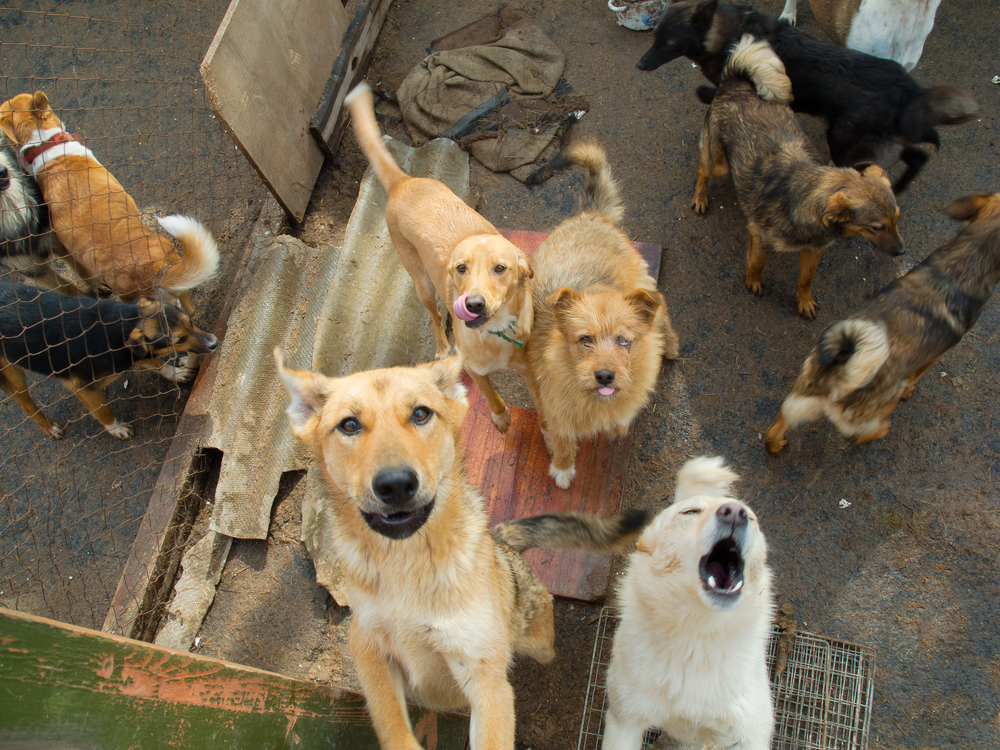
Animal shelters are lifesavers for so many dogs, cats, and other animals, and they’ve also made it possible for lost animals to be returned home. At a shelter, you can easily find an inexpensive new pet for your home, and in many cases, the animal that you get will already have their shots and may even be spayed or neutered. But how did these facilities get started, anyway?
Read on as we look into the history of animal shelters and dog adoption in the United States!

Early Days: Late 1800s to Early 1900s
In the late 1800s, many different animals, including horses, cows, and dogs, were a critical part of humans’ everyday lives, which caused more people to want to provide extra care for their health and welfare. The American Society for the Prevention of Cruelty to Animals (ASPCA) was among the first to provide help when it opened its doors in 1866 in New York City. It began advocating for animal rights, and although its initial concern was for horses and livestock, it quickly grew to include dogs and other animals.
Early animal control focused on managing stray populations to protect public health and safety, which often resulted in poor treatment and euthanasia. The Women’s Animal Center, also called the Women’s Humane Society for the Prevention of Cruelty to Animals, got its start in Philadelphia in 1869 and emphasized shelter, adoption, and the humane treatment of animals in distress. Other shelters soon began to spring up in other parts of the country, including the Denver Dumb Friends League, which is one of the largest and oldest shelters west of the Mississippi, having got its start in 1910.

Humane Societies: Mid-1900s
By the mid-1900s, more people started keeping dogs as pets instead of work animals, which led to an increase in the canine population. More dogs meant an increased need for organizations that could provide care and find homes for unwanted animals. The North Shore Animal League America started rounding up homeless animals in Long Island in 1944 and has saved over 1 million animals from euthanasia to date.
Legal and Cultural Shifts: Late 1900s
Toward the latter half of the 1900s, people started to focus on animal health and well-being. The quality of pet food began to rise, and many more households started owning at least one pet. The ASPCA introduced low-cost spay/neuter packages in 1973 to help keep the animal population under control. In 1976, Rich Avanzino became president of the San Francisco SPCA and worked to ensure the adoption of every treatable cat and dog. Many consider him the father of the no-kill movement.
In the latter half of the 20th century, the Best Friends Animal Society and the Best Friends Animal Sanctuary were formed in 1984, which began providing and finding homes for animals with special needs and advocated the importance of a no-kill policy. In 1986, the San Francisco SPCA partnered with Macy’s to create its highly successful annual Holiday Windows adoption program, which helped find homes for many animals.
Other important events include the development of the microchip in 1985 and the Petfinder website, which got started in 1996 to help match animals in need of homes with people looking for pets.

Modern Times: Early 2000s to Today
In 2001, North Shore Animal League America started its Tours for Life program, which sends mobile rescue units to shelters around the country to assist animals in need. In 2008, Julie Dudley started the Grey Muzzle Organization, which helps fund grants to provide orthopedic beds, medical screenings, surgeries, dental work, senior dog adoption programs, and hospice care to senior dogs. In 2009, The Shelter Pet Project began urging people to try shelters and other rescue organizations as their first choice for pet adoption.
Other wonderful things that have happened recently include the ASPCA Behavioral Rehabilitation Center pilot program, which was started in 2013 to help rehabilitate severely fearful, un-adoptable dogs in New Jersey. In 2014, John Hussey, a National Football League referee and animal advocate, created Cuddly.com, which has helped raise millions for more than 2,000 animal shelters and rescue groups across the country.
The Behavioral Rehabilitation Center in Weaverville, North Carolina, was started by the ASPCA in 2018 to rehabilitate dogs that were victims of severe neglect, and it can help up to 65 dogs at a time. In 2021, Los Angeles officially became a no-kill shelter city and is the largest city in the country to achieve that rating.

In Summary
While there is still a great deal of work to do, the history of animal shelters and dog adoption is quite long, with many important things happening along the way. The formation of the ASPCA more than 100 years ago was a vital step that helped spread awareness and concerns about animal health and welfare.
Since then, many other agencies have helped provide valuable services to animals in need and a means of adoption, including the Women’s Animal Shelter, North Shore Animal League America, the San Francisco SPCA, and the North Shore Animal League America’s Humane Relocation Program, while organizations like the ASPCA Behavioral Rehabilitation Center and The Behavioral Rehabilitation Center help study, treat, and rehabilitate animals in need.
See also:
Oakland TLC Program Teaches At-Risk Kids Empathy Toward Animals
Five Freedoms of Animal Welfare: Vet-Approved Explanation and Info
Sources
Featured Photo Credit: Anton Gvozdikov, Shutterstock
Expert dog care, straight to your inbox
Vet-reviewed advice, training tips, and the best of Dogster. Free, and you can unsubscribe anytime.
By signing up, you agree to our Terms & Conditions and Privacy & Cookies Policy.
Ed Malaker is a seasoned writer who has contributed to a wide range of blogs covering everything from tools to guitars, and pets to fitness. When Ed isn't writing, he is usually making DIY projects around the house or working in the garden.
Join the conversation
Ask a question, share your story, or send private feedback.