How to Remove Foxtail from a Dog’s Paw: 5 Simple Steps


In this article
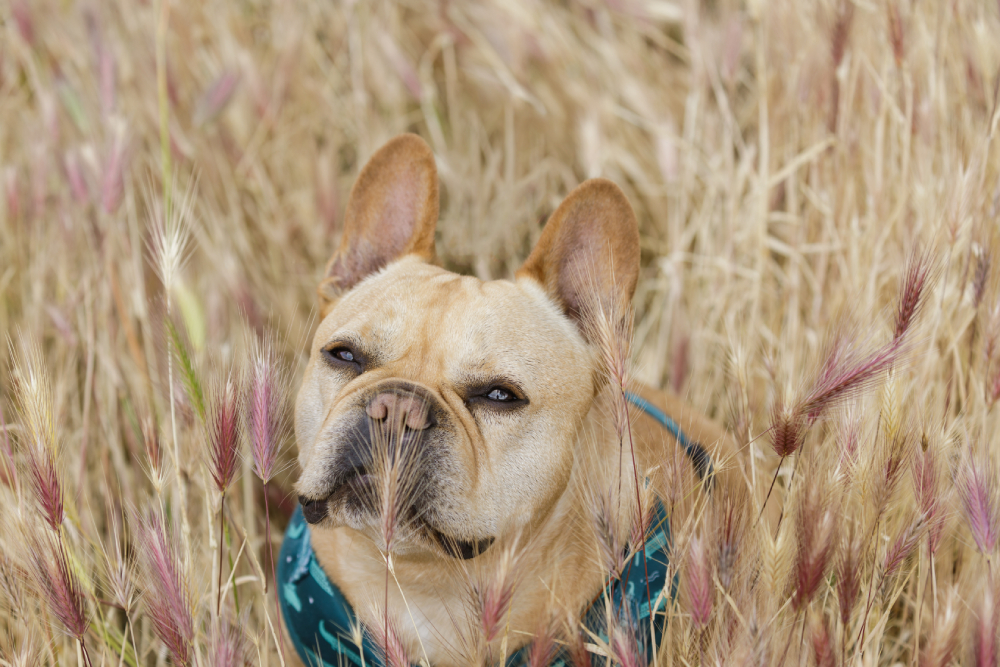
Foxtails are spiked seed clusters found on some wild grasses and plants. The heads themselves may look pretty, but they shed thousands of seeds onto the ground every year and can present serious risks to our dogs, especially in the summer months when they dry out and become hard. The seeds are dart-shaped and the pointy end is sharp. After becoming trapped in your dog’s fur, they can penetrate into the skin.
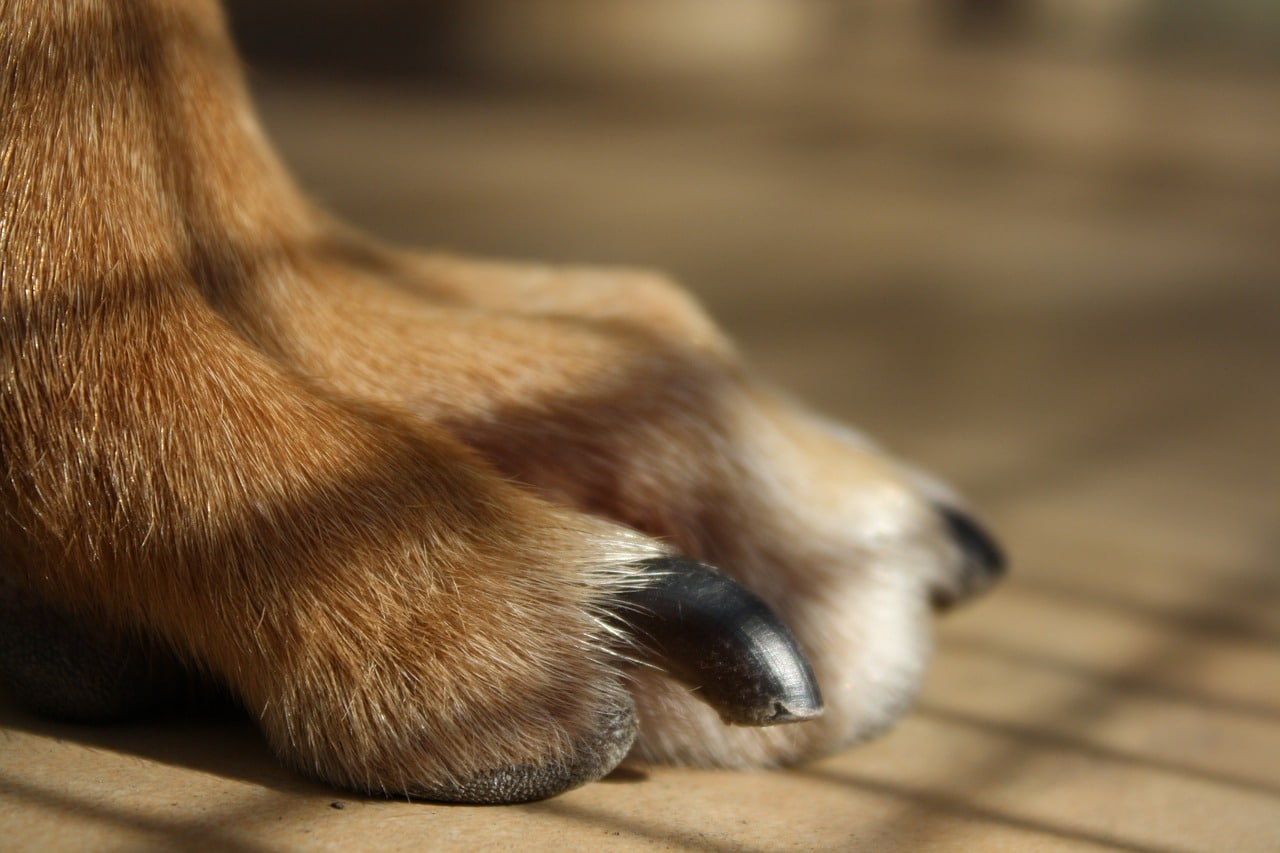
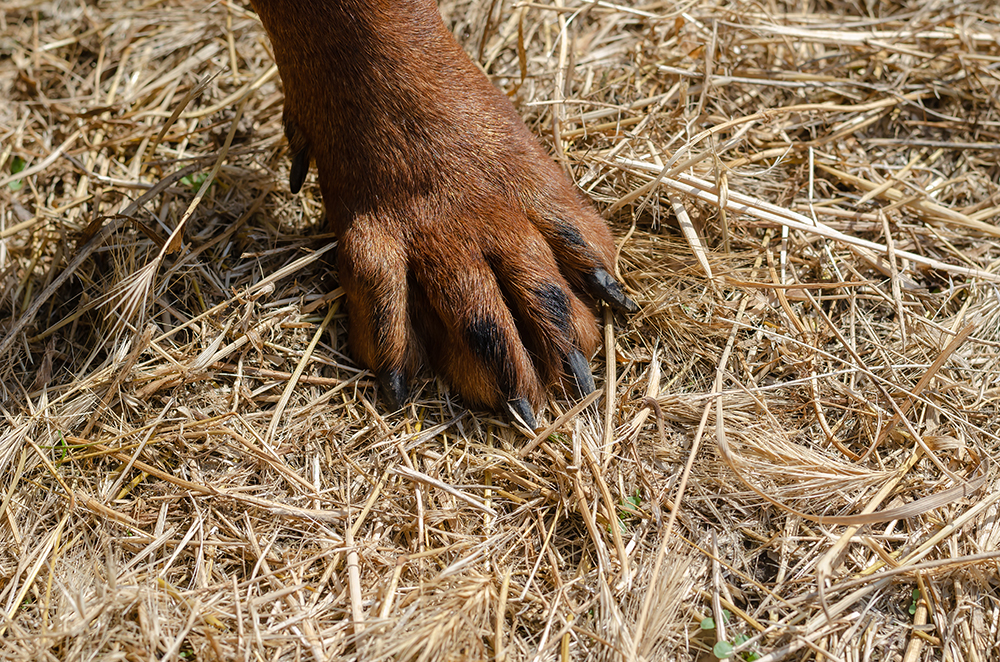
As you might expect, paws are one of the most common locations for foxtails to embed, particularly between the toes. Read on to find out more about the problems foxtails can cause, how to remove them from your dog’s paw, and ways to help prevent them from causing issues for your pup in the first place.

Signs Your Dog Has Foxtails in Its Paw
Generally, you will know if you’ve walked near foxtails because the seed head is easily recognizable. And, if you see whole foxtail heads in your dog’s fur, you may be able to simply pull them out.
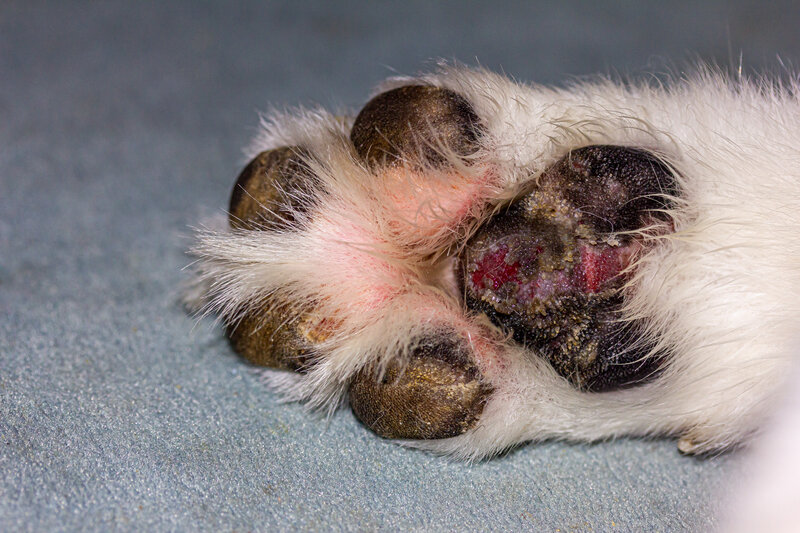
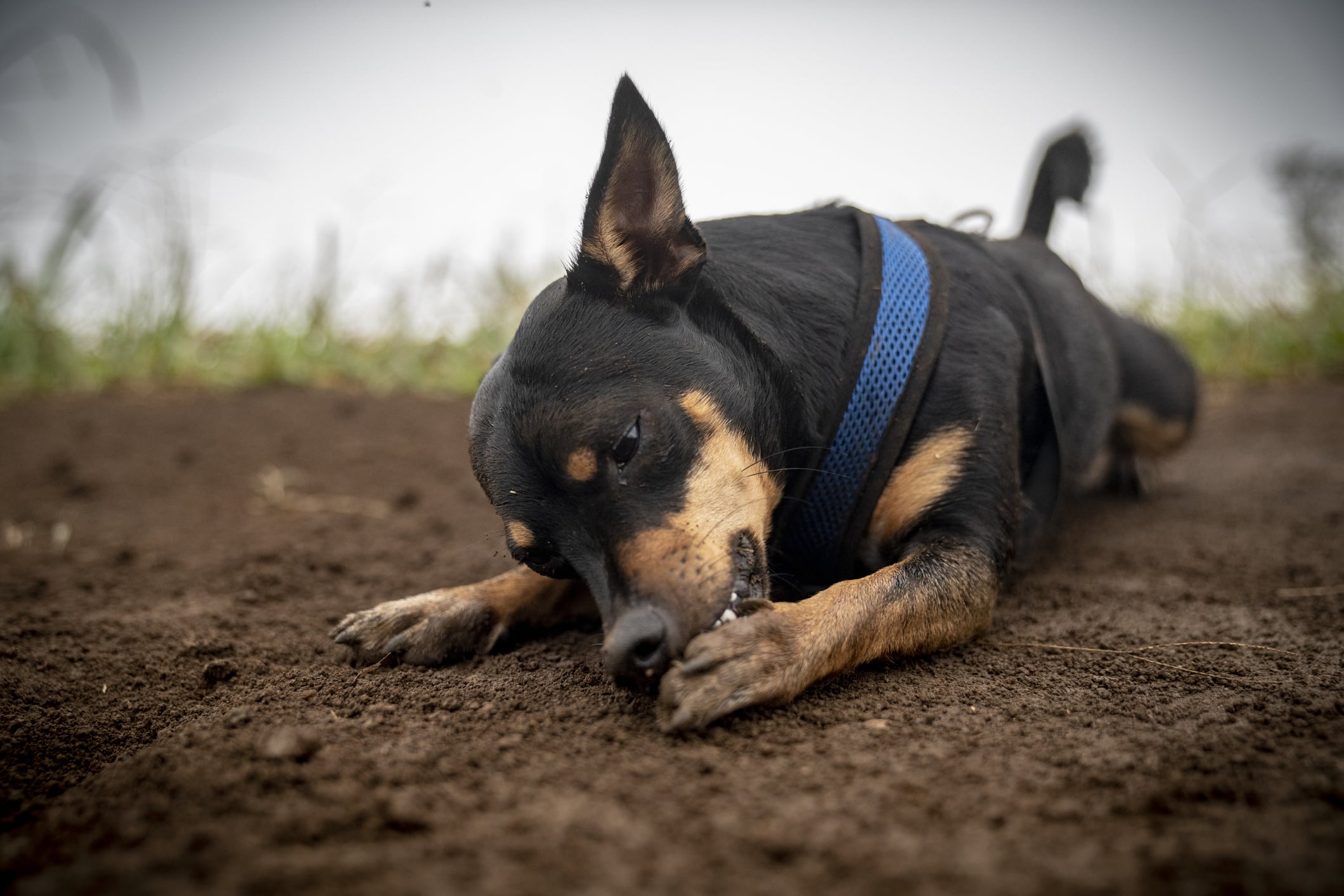
If the seeds have lodged in the paw, you will usually notice your dog licking and even chewing at the area to try and remove them. Your dog may also be lame on the affected paw. You may notice some swelling and reddening of the area, too. But the seeds can be small, and once lodged in the paw, they can be difficult to spot yourself.

The 5 Steps to Remove Foxtails from a Dog’s Paw
If you do believe your dog has foxtails in their paw, there are some steps you can take to resolve the problem.
1. Carefully Check the Paws
If you live in an area prone to foxtails, check your dog carefully after they come in from a walk or the yard. For the paws, it’s especially important to look between the toes as this is a common area for seeds to become trapped. The earlier you remove them, the better.
2. Try Tweezers
If the seed is easily visible and accessible, use tweezers to remove it. This is suitable for foxtails trapped in the fur or on top of the skin. Check that the seed you have removed looks intact and you have not left any behind. Do not attempt to pull out foxtails embedded in the skin with tweezers.
3. Clean the Paw
Once the seed has been removed, clean the paw with a mild pet-safe antiseptic wash or bathe in salt water.

4. Consult a Vet
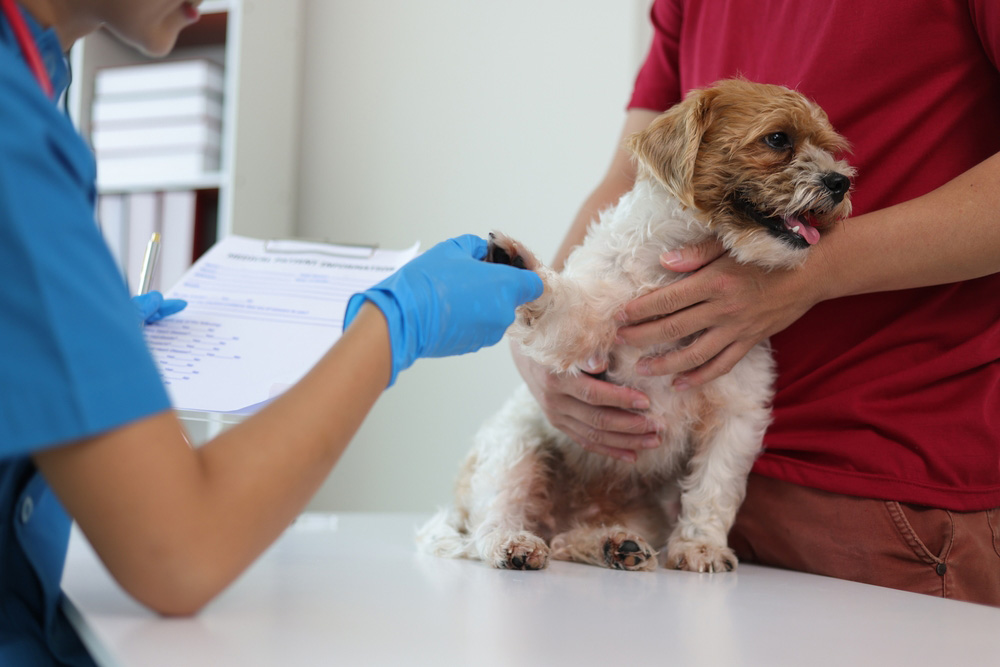
If the foxtail has been embedded in your dog’s skin, take your dog to their vet as soon as possible. Do not attempt to remove it yourself. It is really important that the whole seed head is removed because if the remnants remain, they can migrate and lead to infection. Early diagnosis and removal by a veterinarian are always best since the deeper the seed moves under the skin, the more likely surgery will be needed to remove it.
5. Prevent Licking
If the foxtail has penetrated the skin and caused a wound, you must prevent your dog from licking the area after it has been removed while the skin heals. Your dog may need an E-collar for a short period of time.

Signs of Infection
If a foxtail remains embedded in the paw, it will lead to inflammation and infection. Signs of infection may include:
- Swelling
- Reddening
- Tenderness / pain
- Lethargy
- Depression
- Loss of appetite
If you see any of these signs, you should take your dog to a vet immediately.
How to Prevent Foxtail Problems
Removing foxtails can be difficult, so it is best to avoid the problem in the first place, where possible.
- Try to avoid areas where foxtails are present. They can be found around trails and are especially found in long grasses. They can also be difficult to spot when they grow in long grass.
- If foxtails are present in your garden or yard, remove them so your dog isn’t at risk when running around at home.
- Keep your dog groomed and trimmed especially around the feet and ears- particularly in breeds like Spaniels who seem to be magnets for seeds.
- Carefully check your dog after a walk, particularly between the toes, around the ears, armpits, and eyes. Foxtails can often be easily removed from the fur before they penetrate the skin.
What Happens If You Leave a Foxtail?
When the sharp tip has penetrated the skin, it cannot reverse and ends up migrating forward, usually becoming more deeply embedded. Occasionally, it can come out of its own accord through a different exit site.
The body is unable to break down the embedded seed, and it acts as a foreign body causing pain, inflammation, and infections. Foxtails can sometimes travel far from where they entered and become increasingly difficult to find.

Is a Foxtail an Emergency?
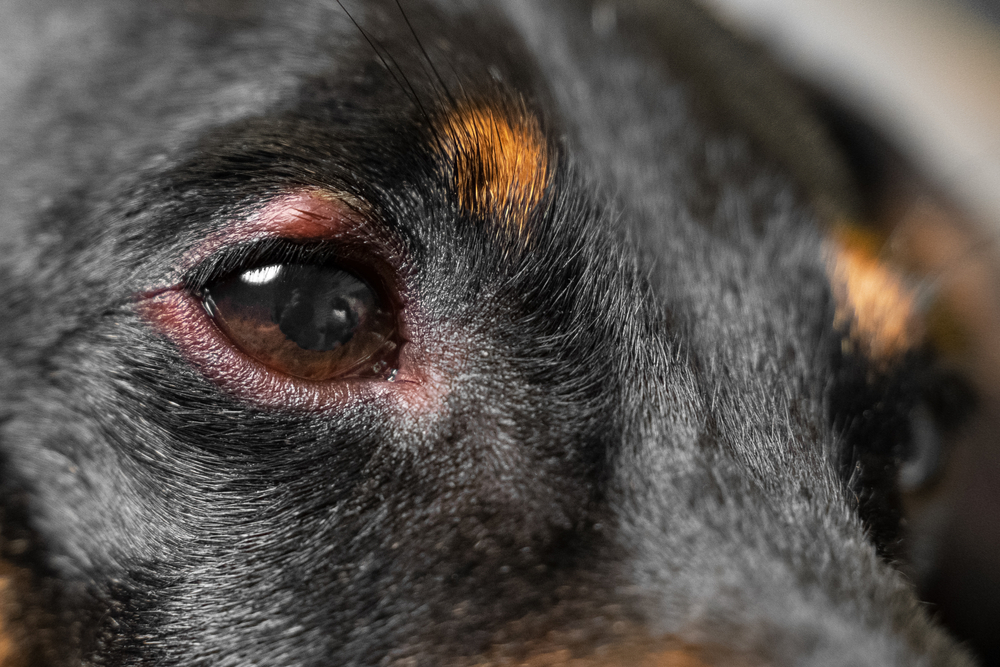
Foxtails are considered somewhat of an emergency because they cause pain and infection. In some locations, they can cause serious damage quickly, such as when the seeds are inhaled or become stuck in the eye.
Because foxtails become more difficult to find and remove the longer they are left, if you suspect your dog has a foxtail, you should consult a vet as soon as possible.
They will be able to advise you on the next steps to help ensure your pup recovers.
How Do Vets Remove Foxtails?
The vet may have to administer an anesthetic and perform a surgical procedure to locate the seeds and remove them. Sometimes, searching for the seeds is unsuccessful and vets may recommend diagnostic imaging to try to locate a foxtail.
Dogs may need anti-inflammatory medication and an antibiotic course after the procedure.
In most instances, once the seed has been removed, the dog will recover quickly. The paw should start to feel better within a couple of days, and your dog will usually be back to walking and running around within a week.

Conclusion
Foxtails are prevalent in a lot of grassy areas, and while they look fairly harmless, they can be a real problem for dogs. They can get stuck anywhere, but the paws are a common place. The foxtail seeds harden as they dry, making them more likely to penetrate the skin of the paw.
Left untreated and unchecked, the seed can cause infection because it fails to break down, and infections can be serious, so the seeds must be removed. Use tweezers if the seed has not penetrated the skin, but consult a vet straight away if it has been embedded in the skin. The earlier they are caught and removed, the less damage they do.
Sources
Featured Image Credit: Dmitriev Mikhail, Shutterstock
Expert dog care, straight to your inbox
Vet-reviewed advice, training tips, and the best of Dogster. Free, and you can unsubscribe anytime.
By signing up, you agree to our Terms & Conditions and Privacy & Cookies Policy.
Matt is a freelance writer from the UK. He lives with his partner and daughter, as well as two cats and one dog. A data analyst by profession, Matt moved from numbers to words more than 15 years ago and has been writing ever since. Having volunteered at a local animal sanctuary, he has a lot of experience with dogs, cats, and horses. Matt has also kept bearded dragons, a variety of birds, fish, guinea pigs, hamsters, mice, and rats. His daughter has adopted the same passion for animals, keeping and breeding snakes. A geek at heart, Matt is a member of a local board gaming group and regularly forces his family to “enjoy” board games with him at home.
Join the conversation
Ask a question, share your story, or send private feedback.