Does Sleeping With Your Dog Cause Separation Anxiety? Vet-Approved Explanation


In this article
Making the best decisions for our dogs is a common goal for most owners, but we don’t always appreciate how much our choices affect them. It isn’t just about the food you provide, the vet you go to, or your exercise routine. From how you cuddle on the couch to the games you play outside, almost anything can influence your bond or your dog’s emotions and behaviors.
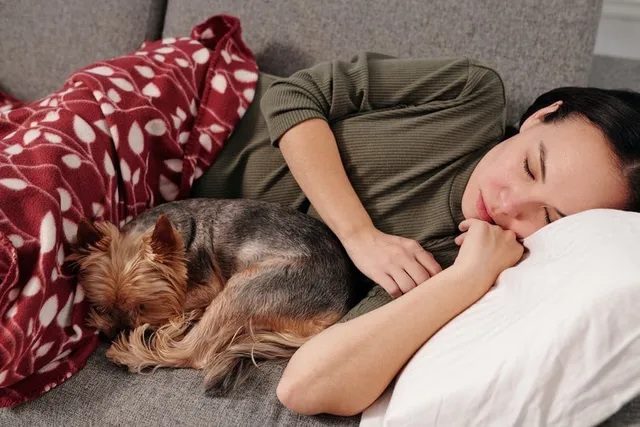
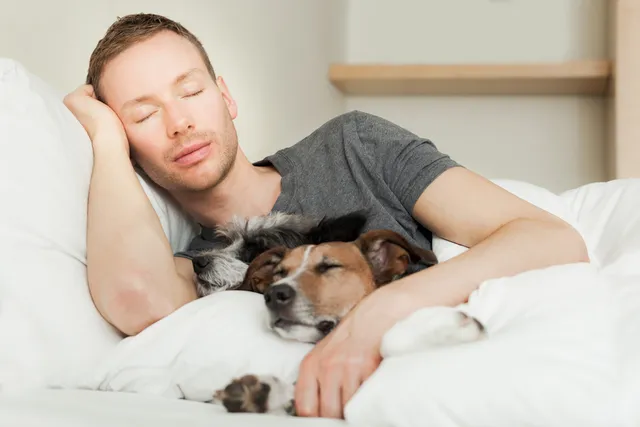
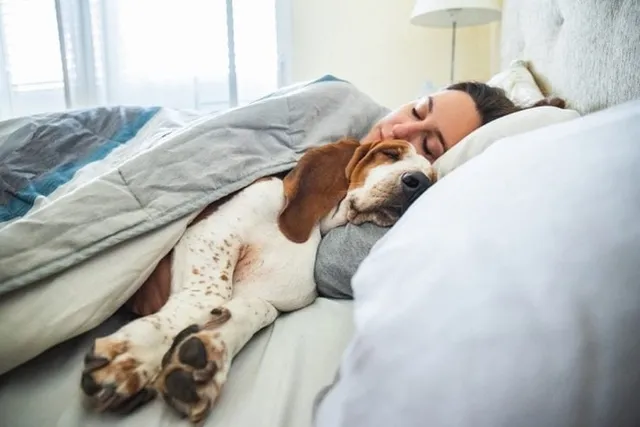
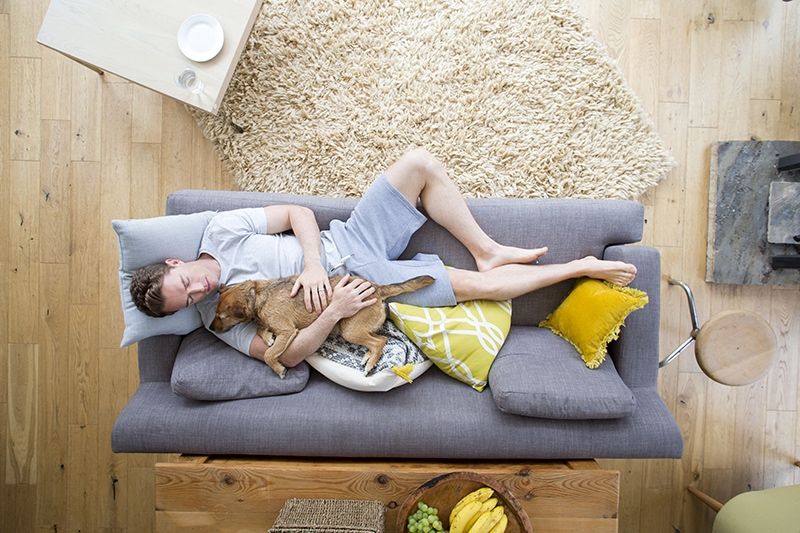
Comforting as it may be for you and your pup, sleeping with your dog is another habit that could have more consequences than you would expect. However, while dogs with separation anxiety are more likely to want to be close to you, including at night, there is no evidence that sleeping with your dog is a cause of separation anxiety.
Here, we examine separation anxiety in more detail and discuss the pros and cons of bed sharing with your pet, to help you establish the proper night-time routine for everybody.

Does Sleeping With Your Dog Cause Separation Anxiety?
Sleeping with your dog can enhance your bond with your pet, but it’s unlikely to be the cause of separation-related disorders. Generally, dogs that sleep indoors and closer to owners show fewer aggressive and problematic anxiety behaviors.
Separation anxiety, or separation-related disorder, is a complex syndrome that can have many different underlying causes. The anxiety and distress that dogs show when left alone can be because the dog isn’t used to being away from their owner or they are scared by something. A dog’s personality, genetics, and previous experiences also affect how they cope with being on their own.
Research suggests that separation anxiety is not based on “hyper attachment” of dogs to their owners, as has been previously thought, but that a different attachment style may be present in dogs with separation anxiety.1 That said, larger scale studies are needed to fully understand the role that attachment plays in the development of canine separation anxiety.
While separation anxiety manifests in problem behaviors while the dog's owner is gone, it often includes a desire to be near them when they are at home. As a result, dogs with separation anxiety are likely to want to co-sleep with their owners.
Part of the training to help a dog feel safe when left alone is that they have their own comfortable bed that they learn to sleep in when they are not able to be with you. So, even if you do decide to sleep with your dog, it’s best to make sure they also have an alternative bed just for them that they are happy and feel secure in.

Benefits of Sleeping With Your Dog
Co-sleeping with pets doesn’t necessarily affect sleep quality for children or adults. Although sleeping with dogs can cause lower sleep efficiency or more disruption as they move around, most owners report a similar sleep quality as those who don’t share the bed with their pets.
Owners who co-sleep with dogs may even enjoy more restful nights, as some studies find they’re less likely to wake up feeling tired than those who sleep alone.
1. Comfort and Security
Co-sleeping with anyone, whether a person or pet, often provides more relaxation, leading to better sleep quality. You and your pet benefit from being together, sharing a sense of safety and comfort. The protective aspect may even help some owners enjoy fewer negative sleep experiences, like nightmares.
2. Warmth

Aboriginal people in colder climates had practical reasons for sleeping with their dogs. Fluffy breeds like Alaskan Malamutes and Siberian Huskies needed to keep warm as they pulled sleds.
But at the end of the night, their thick coats helped heat their handlers in their beds. Over the centuries, this has helped normalize the practice of sleeping with dogs, regardless of breed or location.
3. Bonding
Spending time in any capacity with your dog is a chance to bond, including when you sleep together. Dogs can build their feelings of closeness to their person, while owners experience emotional support from their pets.

Drawbacks to Sleeping With Your Dog
Although sleeping with your dog shouldn’t cause many emotional issues for you or your pet, the physical effects are important to acknowledge. Self-reported data aside, objective studies indicate co-sleeping with animals can disrupt your sleep.
Generally, co-sleeping causes owners to take longer to fall asleep, wake feeling more tired, and experience more sleep disturbances from their pets making noises. People have poorer sleep quality and worse insomnia when they sleep with pets.
The psychological benefits of co-sleeping seemingly mitigate the physical drawbacks, but there’s no guarantee it will be better for everyone.

1. Differences in Sleeping Style
Dogs have adapted to the human way of life in numerous capacities. Yet there are still plenty of biological differences that can cause issues at night. Primarily, dogs are polyphasic sleepers, whereas humans are monophasic.
While we snooze through the entire night, dogs will typically wake three or more times, potentially rousing their owners every time they stir. Add in their sensitivity to sounds even while sleeping, and there are even more chances for them to disrupt their owner’s sleep.
2. Conflicts With Partners
Not everyone agrees on bed sharing with pets, leaving room for conflict for anyone sharing a bed with a spouse. As a source of potential disagreements with partners, co-sleeping with pets may cause more tension if the dog’s presence affects intimacy in the relationship.
On the dog’s side, the human competition for attention from their owner (or favorite family member) can create additional conflict.
3. Conflicts With Other Dogs

Conflict around dogs co-sleeping in the bed can arise with people and pets. In a multi-pet home, some suggest bed sharing can lead to competition and aggression over attention, with dogs treating it as a valuable resource. Co-sleeping can affect a dog’s attachment and their relationships with other pets in the house and may exacerbate separation-related disorders.
4. Allergies and Disease
A snuggly dog can be the ultimate comfort at night until a face full of fur ignites your allergies. Dogs bring hair, drool, and dander to the bed, along with pollen and dust that they pick up on their coats during the day.
Sensitive owners or those with asthma can easily exacerbate their allergies by co-sleeping, suffering irritating signs like coughing, sneezing, and watery eyes. Although close contact with a pet may reduce the development of allergies in young children through incremental exposure, allergic owners will likely experience nothing but a poor quality of sleep.
Passing zoonotic diseases to your pets and vice versa is rare, but it is possible, and the risk is increased with close contact like bed-sharing.

Conclusion
Don’t stress over your dog sleeping in your bed. Separation anxiety is a crippling issue for many dogs, but co-sleeping has not been shown to be a cause of the problem. Like you, dogs find comfort in being close.
If there is no conflict due to them sharing the bed and neither of you is waking up feeling sick and tired, feel free to enjoy all the snuggles your dog is eager to provide.
Sources
Featured Image Credit: DGLimages, Shutterstock
Expert dog care, straight to your inbox
News, insights, expert advice, and everything dog.

No spam — unsubscribe anytime.
By signing up, you agree to our Terms & Conditions and Privacy & Cookies Policy.
How useful was this post?
Click a star to rate. You can leave written feedback afterwards. (We read all feedback.)
Nicole has loved animals of all sizes her whole life so it's no wonder she has dedicated her career to helping them through what she loves best: learning, writing, and sharing knowledge with others. She’s the proud mom of two dogs, a cat, and a human. With a degree in Education and 15+ years of writing experience, Nicole wants to help pet parents and pets around the planet to live happy, safe, and healthy lives.