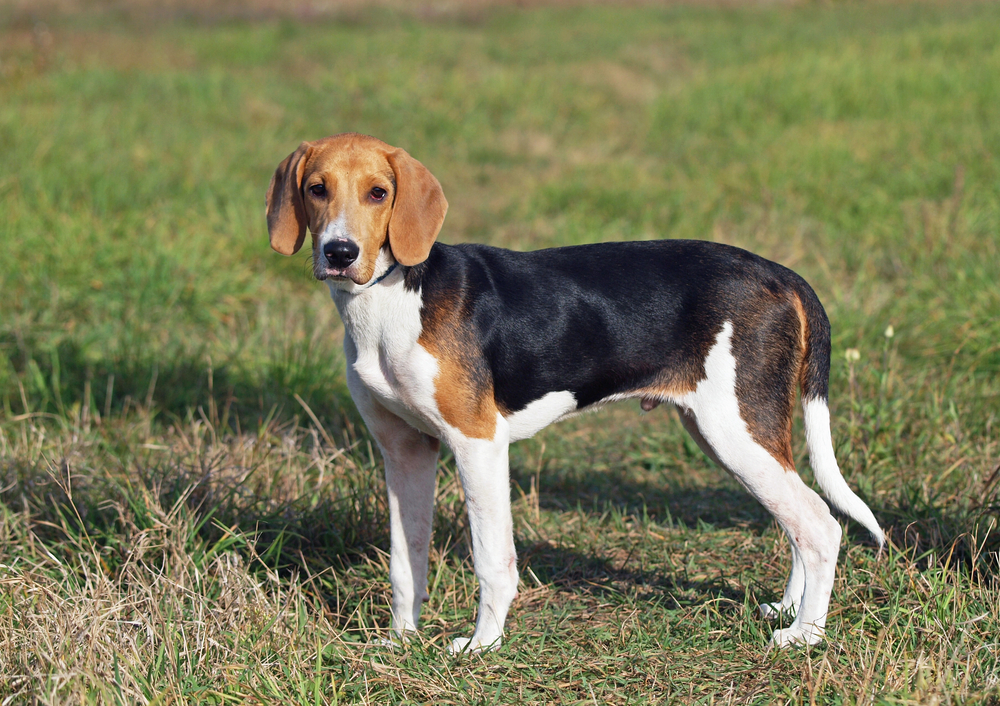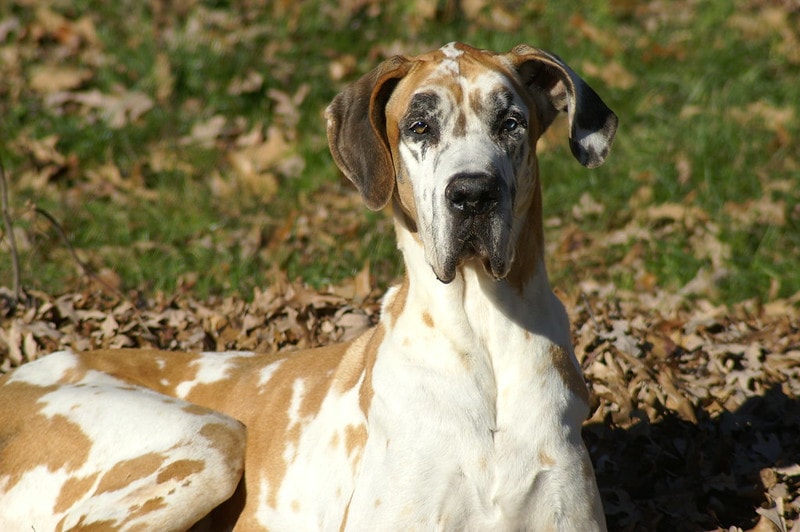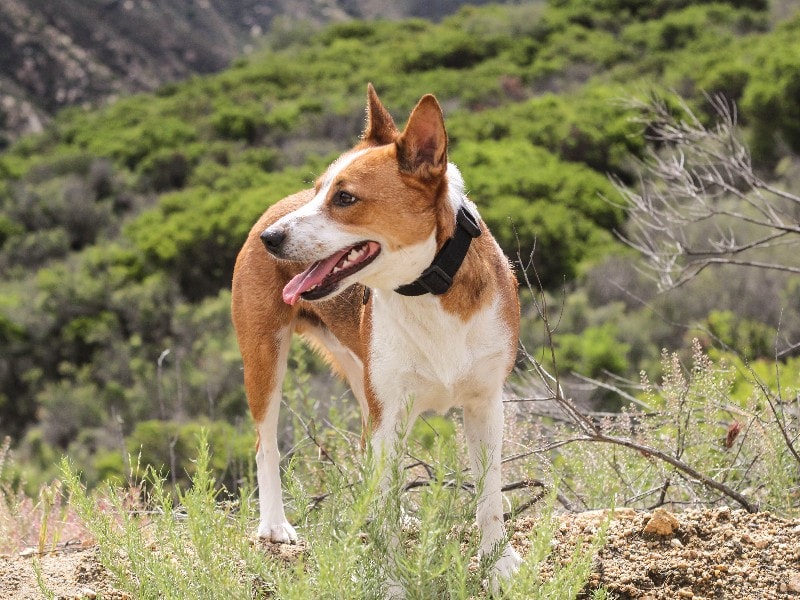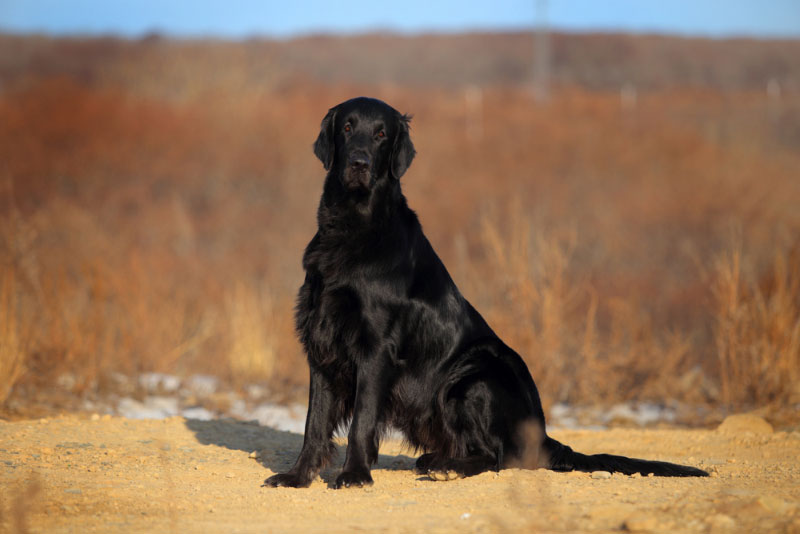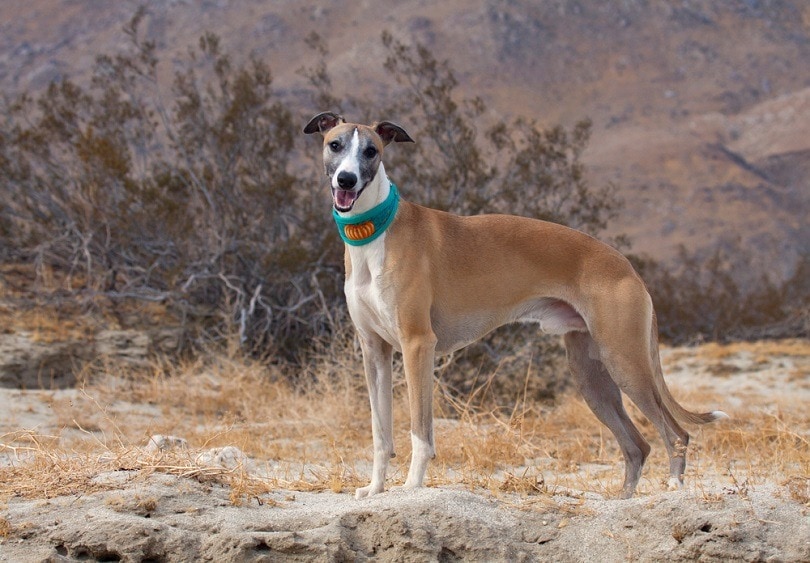
"Praying for Casper, Lassie
and Angel Mica's for a cure for IMHA http://www.dogster.com/ dogs/504880
our combat dogs in Iraq and Afghanistan http://www.war-dogs.com/ and Search and Rescue dogs"
"Hey daddy, is this what you have to go thru for a screen test? My Daddys Youtube Channel http://www.youtube.com/user/Muddyclown?feature=mhum "Go Daddy""
More on Chicken Jerky Pet Treat Alert
by Phyllis Entis | Nov 21, 2011
http://www.foodsafetynews.com/2011/11/chicken-jerky-pe t-treat-alert/
FDA is warning pet owners that chicken jerky products imported from China may be associated with the development of Fanconi-like syndrome in dogs who have been fed the treats on a regular basis.
In the last 12 months, FDA's Center for Veterinary Medicine has logged an increase in the number of complaints filed by dog owners and veterinarians.
FDA first reported a potential association between the development of illness in dogs and the consumption of chicken jerky products - also described as chicken tenders, strips or treats - in September 2007. The first illnesses were noted in 2006 (6 reports). The number of illness reports peaked in 2007 (156 reports), according to FDA Spokeswoman Laura Alvey, dipped to 41 incidents in 2008, and have fluctuated ever since.
In June 2011, the Canadian Veterinary Medicine Association (CVMA) notified CVMA members by email that several veterinarians in Canada had reported dogs with Fanconi-like symptoms that could be associated with the consumption of chicken jerky treats manufactured in China. The email included the following warning:
Recently, several veterinarians in Ontario have reported cases of dogs that have been showing signs similar to Fanconi syndrome. All dogs in the reported cases had been fed chicken jerky treats that were manufactured in China.
Signs of Fanconi syndrome can include decreased appetite, decreased activity, vomiting, and increased water consumption and/or increased urination. Blood tests may show increased urea nitrogen and creatinine. Urine tests may indicate Fanconi syndrome (increased glucose). The problem is that this can be confused with diabetes.
The CVMA also notified the American Veterinary Medicine Association (AVMA), which transmitted the advisory to US veterinarians. At the time of the notification (June 17, 2011), AVMA had not received any reports from its members of similar incidents of Fanconi-like syndrome associated with chicken jerky treats.
That situation has changed.
FDA has received a total of 70 reports of Fanconi-like syndrome associated with chicken jerky treats from pet owners and veterinarians so far this year - up from 54 reports in all of 2010. "FDA," Ms. Alvey reported to me by email, "is actively investigating the matter and conducting analysis for multiple different chemical and microbiological contaminants. We have tested numerous samples of chicken jerky products for possible contaminants including melamine. The complaints received have been on various chicken jerky products but to date we have not detected any contaminants and therefore have not issued a recall or implicated any products. We are continuing to test and will notify the public if we find evidence of any contaminants."
There does not appear to be any rhyme or reason to the source or timing of the reports - there is no indication that the problem is clustered in a particular state or region - or to the monthly number of complaints, Alvey reported in response to my questions. She suggests that part of the upsurge may be due to increased awareness on the part of US veterinarians and pet owners as a result of the Canadian advisory.
Alvey emphasizes that "no causal link" has been established between the illnesses and the consumption of chicken jerky products. No one has yet been able to find any component in the chicken jerky treats that could account for the illnesses. Nevertheless, at least one recent report offers epidemiological evidence that regular consumption of chicken jerky treats may be behind the illnesses. Veterinarians Hooper and Roberts, writing in the Journal of the American Animal Hospital Association, described four illnesses in small-breed dogs. This is the Abstract of their published report (emphasis added):
Four small-breed dogs were diagnosed with acquired Fanconi syndrome. All dogs ate varying amounts of chicken jerky treats. All dogs were examined for similar clinical signs that included, but were not limited to, lethargy, vomiting, anorexia, diarrhea, and altered thirst and urination. The quantity of chicken jerky consumed could not be determined; however, based on the histories obtained, the chicken jerky treats were a significant part of the diet and were consumed daily by all dogs. Extensive diagnostic testing eliminated other causes of the observed clinical signs, such as urinary tract infection and rickettsial disease. Glucosuria in the face of euglycemia or hypoglycemia, aminoaciduria, and metabolic acidosis confirmed the diagnosis of Fanconi syndrome. All dogs received supportive care, including IV fluids, antibiotics, gastroprotectants, and oral nutritional supplements. Three dogs exhibited complete resolution of glucosuria, proteinuria, and the associated azotemia; however, one dog remained azotemic, resulting in a diagnosis of chronic kidney disease.
There have been two prior clusters of Fanconi-like syndrome in dogs. The 2007 cases were linked to melamine contamination of treats that were manufactured in China. And in 2009, a number of cases in Australia were linked to the consumption of chicken treats or dental chews made with corn, soy and rice.
FDA has published following information and advice for pet owners:
Chicken jerky products should not be substituted for a balanced diet and are intended to be fed occasionally in small quantities.
FDA is advising consumers who choose to feed their dogs chicken jerky products to watch their dogs closely for any or all of the following signs that may occur within hours to days of feeding the products: decreased appetite; decreased activity; vomiting; diarrhea, sometimes with blood; increased water consumption and/or increased urination. If the dog shows any of these signs, stop feeding the chicken jerky product. Owners should consult their veterinarian if signs are severe or persist for more than 24 hours. Blood tests may indicate kidney failure (increased urea nitrogen and creatinine). Urine tests may indicate Fanconi syndrome (increased glucose). Although most dogs appear to recover, some reports to the FDA have involved dogs that have died.
FDA, in addition to several animal health diagnostic laboratories in the U.S., is working to determine why these products are associated with illness in dogs. FDA's Veterinary Laboratory Response Network (VLRN) is now available to support these animal health diagnostic laboratories. To date, scientists have not been able to determine a definitive cause for the reported illnesses. FDA continues extensive chemical and microbial testing but has not identified a contaminant.
The FDA continues to actively investigate the problem and its origin. Many of the illnesses reported may be the result of causes other than eating chicken jerky. Veterinarians and consumers alike should report cases of animal illness associated with pet foods to the FDA Consumer Complaint Coordinator in their state or go to http://www.fda.gov/petfoodcomplaints.
Food Pets Die For: by Ann N. Martin
http://www.newsagepress.com/foodpetsdiefor.html
F ood Pets Die For goes far beyond the typical cookbook recommendations now available for feeding your pets. The author explains and documents why most commercial pet foods are dangerously unhealthy for animals, and then provides the most updated and accurate information for deciding what to feed your animal companions--whether buying pet food in the store or cooking for your pet.
Association for Pet Loss and Bereavement
https://ssl4.westserver.net/aplb.org/membership /memorial.html
http://www.aplb.org/
Human Memorial
http://www.memory-of.com/Public/
War Dog Memorial
A noble Doberman pinscher represents hundreds of heroic war dogs that served in the United States Marine Corps during World War II. Although most were Doberman pinschers, German shepherds, Labrador retrievers and occasionally, a collie served during the war as sentries, messengers, and scouts. But they also served other roles to the Marines who served with them...devoted friend, confidant, trusted companion.

The War Dog Memorial, an exact replica of the official memorial in Guam, was donated to the University of Tennessee College of Veterinary Medicine by Dr. Maurice Acree July 17, 1998. It honors not only the war dogs, but symbolizes the special connection people share with dogs
War dogs
http://www.google.com/search?sourceid=navclient&aq=t&ie=UT F-8&rlz=1T4SUNA_en___US242&q=War+dogs+in+Iraq+and+Afghanista n
http://www.uswardogs.org/
Military Dogs: Today
http://www.olive-drab.com/od_wardogs_today.php