10 Pros & Cons of Microchipping Dogs: Vet-Verified Facts


In this article
Microchipping is widely recognized as one of the most beneficial things dog owners can do. It is a relatively painless procedure and facilitates a faster reunion between owners and lost pups if the worst were to happen. However, while the procedure is relatively simple, there are potential complications and side effects, although they are very rare. And it does mean taking your dog to the vet, which isn’t an easy process for all pooches and pet parents.
Below, we look at the pros and cons of microchipping dogs to help you determine whether to have the procedure done.

The 5 Pros of Microchipping Dogs
1. Lifetime Identification
Although microchips don’t quite last forever, they have a typical life of around 25 years. The average life expectancy of a domestic dog is around 12 years, which means unless you have a record-breaker in your pack, the chip will comfortably last the life of your pup. There should be no need to have second or subsequent chips for your pet (although they can sometimes fall out shortly after implantation).
Because the contact details can be changed whenever you move house or the dog passes to a new owner, your pup won’t need a new chip every time you move house, or your personal circumstances change.
2. Tamper-Proof Identification
You can have a dog ID collar or other form of identification for your dog, but collars and tags can be tampered with. If there is ever a dispute over ownership of a dog, which can happen if multiple people try to lay claim to an abandoned or lost dog, a collar won’t cut it. No matter what details it includes.
A microchip cannot be tampered with, and the details held on the chip database can’t be changed by anybody but the registered owner.

3. It’s an Easy Procedure
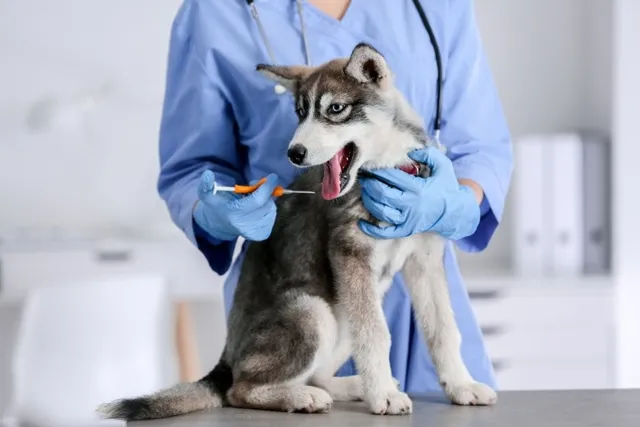
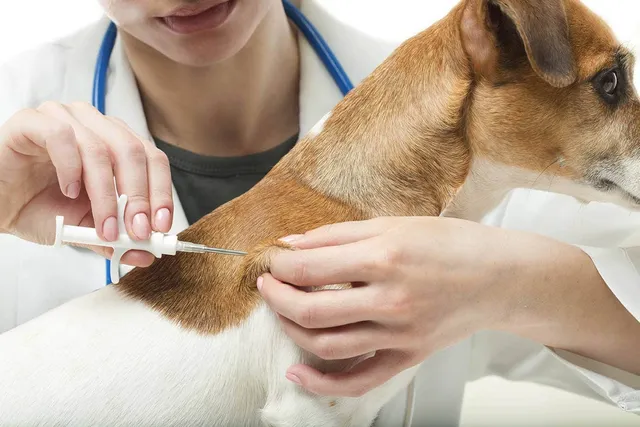
The chip does need to be inserted under the skin and is usually placed at the base of the neck, between the shoulder blades. The chip is small enough that it can be inserted using a needle. The procedure is quick and relatively painless, although there is some discomfort during the injection procedure.
Once the chip has been implanted, the discomfort will subside, and your dog will be fine to return home and continue as normal.
4. Greater Chance of Finding a Lost Dog
The main point of microchipping a dog is for easy and quick identification. When the dog is chipped, yours and their details are registered on a microchip database. Details include the dog’s name as well as your contact details.
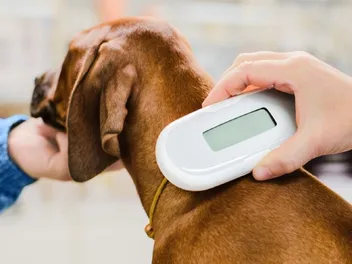
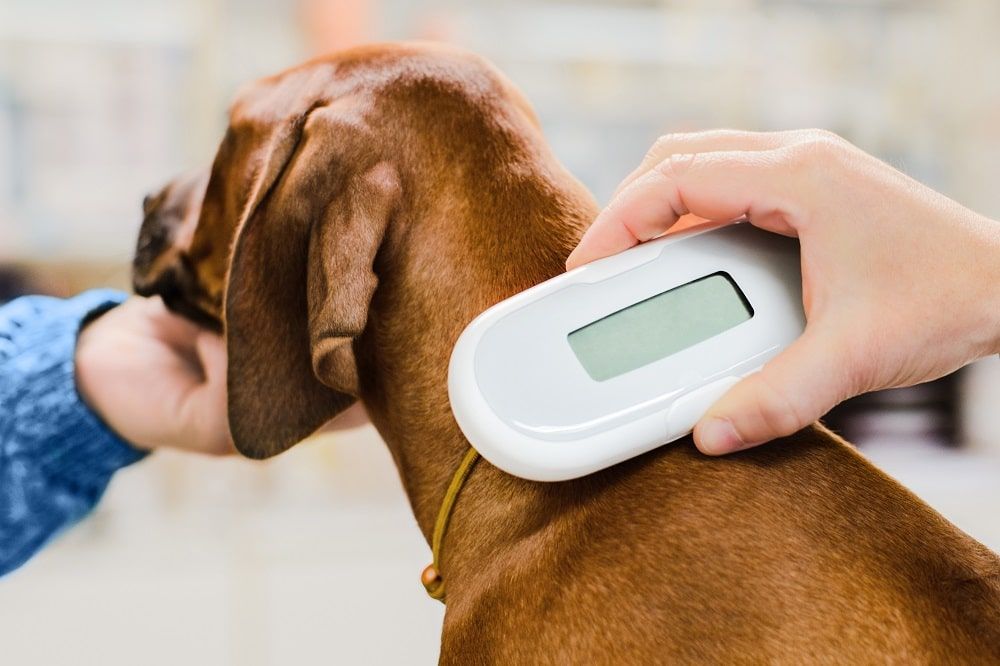
Vets, rescues, and some other professionals who work closely with dogs have microchip readers. When the chip is scanned, the dog is identified, and you can be contacted. It means lost dogs can be reunited with their owners within a few hours, rather than having to be separated for days or even weeks.
You do need to remember to update your contact details with new phone numbers or addresses, but this will ensure you and your pet won’t be apart for too long.

5. Some Countries Require Microchipping
Hawaii was the first state in the U.S. to officially mandate microchipping for dogs, but many states and cities have followed suit. It is also a legal requirement to have dogs microchipped in the UK, where it has been law since 2016.
Other countries that require dog microchips include Australia and most EU countries. Your dog will be denied entry to these countries if they aren’t microchipped.
The 5 Cons of Microchipping Dogs
1. Side Effects Can Happen
Although they are very rare, there are some potential side effects to implanting a microchip under your dog’s skin. The main potential side effect is that of inflammation around the site.
Although there have been rumors that the inflammation caused by microchipping has caused tumors in some cases, the incidence of this is minute, and experts agree that the benefits of microchipping far outweigh any risks to the health of the dogs.

2. Microchipping Means a Trip to the Vet
While the side effects of microchipping are rare, you will need to visit the vet to have your dog chipped, in most cases. For some pups and owners, visiting the vet can be far more traumatic than the actual microchipping procedure.
The journey to the vet’s office, the smell and sounds of other animals in the waiting room, and any negative past veterinary experiences can lead to anxiety and even aggression. For owners, it’s stressful. For dogs, it can be highly traumatic. In some cases, charities and local rescue centers might be able to perform the microchipping procedure, which can make the experience less stressful for both of you.
3. The Chip Can Wander
The microchip is implanted under the skin, typically at the scruff of the neck. In most cases, it remains in or very close to the spot where it was implanted. But that isn’t always the case. Sometimes, the chip can wander away from the implant site. It might be found further down your dog’s neck or in the surrounding area.
The movement of the chip shouldn’t cause a problem for your dog, but it may mean scanning a larger area when attempting to find the chip. Most professionals know to expand the search if they don’t immediately find the chip at the first attempt, however.

4. It Isn’t Free
Microchipping might be compulsory, and it does help reunite owners and their lost dogs sooner, but it isn’t free. Costs vary according to location and who performs the microchipping procedure, but it shouldn’t cost more than $60 or so.
Some charities will perform the procedure for free, however, and many rescues and even some breeders will microchip their dogs before they let them go, changing contact details to yours once ownership has changed hands.
5. It Isn’t a Tracker
The microchips that are implanted are very basic. This means that there is less to go wrong, and the chip doesn’t need power to be effective. However, it also means that the chip does not work as a GPS or movement tracker.
If you want to be able to more easily locate your dog yourself, you will need to have a separate tracker for your pup. You can get tracker collars, as well as those that take AirTags, and it can be tracked via cell phone.

Are There Any Alternatives to Microchipping Dogs?
Although other methods might help you find your lost dog, there’s nothing that performs quite the same function as a microchip implant. ID collars and ID tags let you include your dog’s details, as well as your contact details, but these can be removed or the writing may become obscured.
Tracking systems like AirTags enable you to track your own dog, and you can even set alerts to let you know if your dog has left the vicinity of your home, but they can’t be scanned and checked if your dog is located.
What Age Should You Get Your Dog Microchipped?
Generally, a puppy is best microchipped when they leave their mother and before they are 8 weeks old. As a puppy develops and becomes more inquisitive they will be more likely to wander off. But, at this young age, they don’t have the skills and knowledge to get themselves home. Therefore, microchipping at a young age is advisable.
And, in countries where microchipping is law, it is typical that dogs need to be microchipped by this stage.
Do Microchips Ever Fail?
In very rare cases, the microchips can fail or stop working, but this is rare, and it is more likely that the scanner used to detect the chip fails.
If you suspect or know that a dog has a chip, but it isn’t showing up when being scanned, first check a wider area in case the chip has migrated. Then, try using another scanner, in case the scanner itself has failed. If all of this fails, it might be a sign that the dog’s chip has failed, and another is needed.
In Conclusion
Approximately 10 million pets go missing every year in the U.S. alone, and it is heartbreaking and stressful when it happens to you. Worse still, only 15% of dogs that end up in shelters without identification are reunited with their owners.
Having your dog microchipped means that, if it does happen to your pup, the chances of you finding your dog are significantly higher. The procedure is relatively painless and inexpensive, and the microchip can’t be lost like an ID tag or collar. There are some minor pitfalls to the procedure, but the benefits far outweigh the potential cons.
Related posts:
How Much Does It Cost to Microchip a Dog at PetSmart? Update
Average Cost to Microchip a Cat or Dog in the UK: Price Guide
Sources
https://www.madisonanimalcare.com/pros-cons-dog-microchipping
https://www.petsbest.com/blog/pros-and-cons-of-microchipping-dogs
https://www.animallaw.info/article/faq-mandatory-scans-microchips
https://www.bluecross.org.uk/advice/pets/wellbeing-and-care/microchipping-your-dog-or-cat
https://wsava.org/wp-content/uploads/2020/01/Microchip-Safety-and-Efficacy.pdf
https://www.americanhumane.org/blog/every-day-is-tag-day-is-your-pet-protected/
Featured Photo Credit: olgagorovenko, Shutterstock
Expert dog care, straight to your inbox
Vet-reviewed advice, training tips, and the best of Dogster. Free, and you can unsubscribe anytime.
By signing up, you agree to our Terms & Conditions and Privacy & Cookies Policy.
Matt is a freelance writer from the UK. He lives with his partner and daughter, as well as two cats and one dog. A data analyst by profession, Matt moved from numbers to words more than 15 years ago and has been writing ever since. Having volunteered at a local animal sanctuary, he has a lot of experience with dogs, cats, and horses. Matt has also kept bearded dragons, a variety of birds, fish, guinea pigs, hamsters, mice, and rats. His daughter has adopted the same passion for animals, keeping and breeding snakes. A geek at heart, Matt is a member of a local board gaming group and regularly forces his family to “enjoy” board games with him at home.
Join the conversation
Ask a question, share your story, or send private feedback.