Greater Swiss Mountain Dog: Info, Pictures, Facts, & Traits

In this article
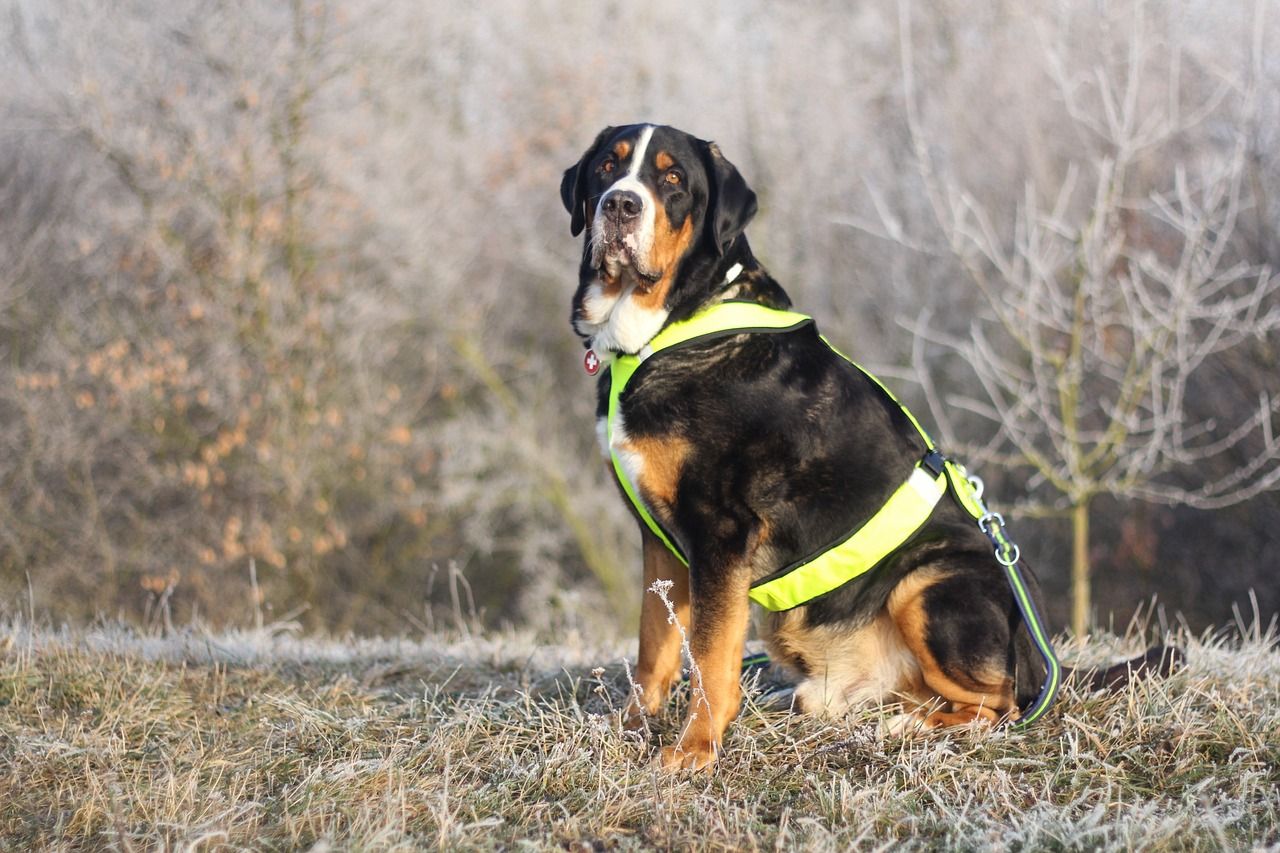
The Greater Swiss Mountain Dog doesn’t get nearly as much attention as they should. With a rich history and impressive looks, this breed has much to be proud of. Keep reading to learn more about the interesting and powerful Greater Swiss Mountain Dog!
Breed Overview
Height:
Weight:
Lifespan:
Colors:
Suitable for:
Temperament:
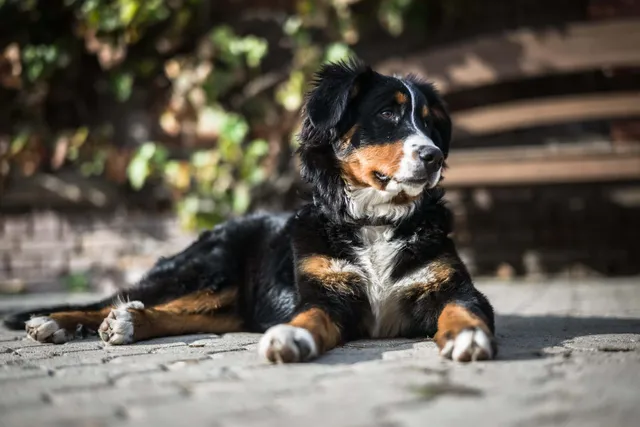
Sometimes referred to as the GSMD, the Greater Swiss Mountain Dog is a large breed that hails from the Swiss Alps. This Mastiff-type breed was popular among dairy farmers and livestock herders throughout the Alps due to their massive size, strong work ethic, eagerness to please, and impressive endurance. While the breed was thought extinct during the 19th century, they were rediscovered and reinvigorated during the 1990s. Eager to please, loyal, and protective, these are great watchdogs for family household settings.
Greater Swiss Mountain Dog Characteristics

Greater Swiss Mountain Dog Puppies

As puppies, Greater Swiss Mountain Dogs are lovable and curious. They grow quickly and don’t know their own size or strength, so they can be clumsy and a bit destructive as they figure out how everything works. They tend to like the company of other animals and humans, so socializing them early can help create a friendly pet that doesn’t cause problems in public. These dogs can be stubborn and strong-willed, so puppyhood is the perfect time to engage in obedience training.
Greater Swiss Mountain Dog Origin & History
As one of the oldest Swiss dog breeds in existence, the Greater Swiss Mountain Dog is said to have had a hand in the development of the Rottweiler and Saint Bernard breeds. The exact origin of this Swiss breed isn’t known, but one prominent theory is that they are descendants of Mastiff-type dogs that were the companions of Roman legions.
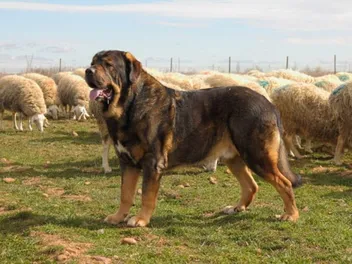
Another theory is that this breed descended from dogs that the Phoenicians had brought to Spain, where the Great Pyrenees and Spanish Mastiff were also developed. It’s thought that eventually, these dogs made their way to Switzerland and played a role in the development of the Greater Swiss Mountain Dog.
These dogs and their ancestors were used for working. Those who were responsible for herding livestock or farming for food and even merchants on the streets relied on this breed for their livelihood. They performed a variety of different jobs, such as pulling carts full of goods, herding and protecting sheep and cows, and guarding properties from threats. The Swiss Army employed this breed as a draft dog at one point. It was Patricia and J. Frederick Hoffman who brought the breed to the United States in 1968.


Temperament & Intelligence of the Greater Swiss Mountain Dog 🧠
The Greater Swiss Mountain Dog is an enthusiastic breed that tends to enjoy the company of adults and kids alike. They are alert and protective, but they are also extremely open and sociable when friendly company is around. They are active and enjoy playing in the yard, but they tend to know when to calm down and maintain dignity when the situation requires it. While this breed can be independent, they prefer staying right by their “pack leader” throughout the day. These hardworking dogs want to please their owners, so obedience training tends to go well even during adulthood.
Are These Dogs Good for Families? 👪
Yes! The Greater Swiss Mountain Dog can be a great family pet because of their love for children and adult companions. They are affectionate, calm, and snuggly indoors, but they love playing, hiking, and exploring when they spend time outside. They are large dogs, so they should be supervised when spending time with young children who are smaller than them, to minimize the risk of accidental injuries.
Does This Breed Get Along With Other Pets? 🐶 😽
This breed can get along with other pets in the house if they are conditioned to do so. They should be introduced to other animals while still puppies so they understand that those pets are not a threat. They should also be taught how to interact and play with other animals in the house before they are allowed to spend time alone with them, for assured safety and peace of mind.


Things to Know When Owning a Greater Swiss Mountain Dog
Food & Diet Requirements 🦴
This is a large breed but not one that is extremely active, so they won't eat you out of the house and home—even if they look like they might. That said, they should consume a high-quality diet that consists of real meat and whole grains. Choose a commercial brand that is designed specifically for large breeds, or work with your veterinarian to create a homemade diet plan. These dogs will sit around and eat all day, so they should not be offered unlimited amounts of kibble because it could lead to weight gain. Fresh veggies, such as baby carrots and cucumber, can be offered as snacks to cool off between meals.
Exercise 🐕
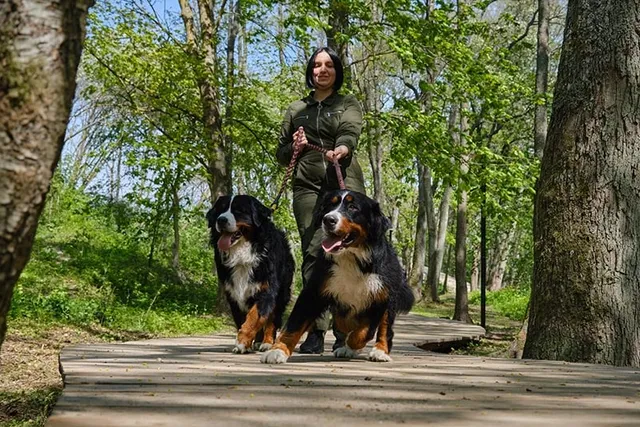
All canines require exercise, and there is no exception for this breed. However, this is not an overly active or energetic dog, so they don’t need hours of exercise in a day. Instead, a brisk walk of at least 30 minutes a day or a leisurely hike in the woods is all that it should take to keep the typical Greater Swiss Mountain Dog healthy, happy, and in good shape. These dogs do enjoy activities like playing fetch, running in the dog park, and walking along the beach. When indoors, interactive puzzle toys and games like hide-and-seek provide them with an opportunity to get rid of pent-up energy.

Training 🎾
The average Greater Swiss Mountain Dog responds to positive training in a quiet setting that is free of distractions. These are food-motivated dogs, so treats can go a long way when it comes to making progress. The breed is known for having a stubborn side, so consistency, patience, and a firm yet loving hand are necessary for success. Training harnesses can make the job harder because these dogs are pullers due to their drafting history.
Grooming ✂️
The Greater Swiss Mountain Dog does not require much grooming and maintenance to maintain good health as time goes on. For the most part, a weekly brushing and occasional bath are all that they need for a clean and healthy coat. However, they have double coats, and the bottom coat sheds away to make room for new hair twice a year. Daily brushing outdoors is a good idea during these times. Nails should be trimmed once or twice a month to keep them from getting too sharp or cracking and breaking.
Health and Conditions ❤️ 🏥
While the Greater Swiss Mountain Dog is not susceptible to any genetic health conditions, they are susceptible to certain problems that affect dogs of a large stature. Orthopedic problems are typically the most prominent threat. Here are the conditions that owners should be aware of:
Male vs. Female
When it comes down to it, there are not any differences between males and females that are significant enough to decide whether a dog belongs in your home based on sex. Small anecdotal differences might be in play, like the fact that males tend to be more "needy" and less independent than females. Also, females tend to be a bit harder to house train. Differences between the sexes are usually most obvious when comparing two dogs that have not been spayed and neutered. In the end, though, every dog has a unique personality, so not all females act the same, just as not all males behave the same.
3 Little-Known Facts About the Greater Swiss Mountain Dog
1. They Only Live for About 10 Years
Due to their genetics and large size, these dogs don’t have a long lifespan. They are lucky to make it past 10 years, with some living to only about 8 years old.
2. This Is a Rare Breed
Although the Greater Swiss Mountain Dog is popular enough to have an official club in the United States (and in other places), this breed won’t be found living in many households throughout the world. Still, there are enthusiastic breeders out there who are willing to sell their precious pups to the right owners.
3. They Have a Strong Work Ethic
This breed was born to work, so it should come as no surprise that when they are put to a task, they won’t give up until the job is done. Even if it’s just pulling a wheelbarrow full of leaves while wearing a harness, they take the job seriously and will put all their attention and focus into the activity.
Final Thoughts
The Greater Swiss Mountain Dog is a delight to spend time with. This breed is loving, playful, and great with kids. They like nothing more than to be with their family members. They also happen to be large and take up a great deal of space on the couch when it’s time to snuggle. This isn’t the right breed for everyone, though, so it’s always a good idea to meet a grown dog in person to get an idea of how they would get along in your household.
Featured Image Credit: jodin, Pexels
Expert dog care, straight to your inbox
News, insights, expert advice, and everything dog.

No spam — unsubscribe anytime.
By signing up, you agree to our Terms & Conditions and Privacy & Cookies Policy.
How useful was this post?
Click a star to rate. You can leave written feedback afterwards. (We read all feedback.)
Rachael has been a freelance writer since 2000. In this time she has had an opportunity to research and write about many different topics while working to master the art of fusing high-quality content with effective content marketing strategies. She is an artist at heart and loves to read, paint, and make jewelry. As a vegan, Rachael is obsessed with helping animals in need, both in her community and anywhere in the world where she feels she can make a difference. Animals also happen to be her favorite topic to write about! She lives off the grid in Hawaii with her husband, her garden, and her rescue animals including 5 dogs, a cat, a goat, and flock of chickens.