Liver Disease in Dogs: Our Vet Discusses Signs, Causes & Treatments

In this article
The liver is an impressive organ! Not only is it like the body’s oil filter, but it also has the ability to regenerate should it become injured or damaged. However, that doesn’t mean the liver should be left entirely to its own devices. It still needs support during times of need. For example, liver disease can have many possible issues, multiple potential causes, and various often-ambiguous signs.
Here, we look into liver disease in dogs so you can better understand what it looks like, what causes it, and how it can be treated.

What Is Liver Disease in Dogs?
The liver screens the blood to remove toxins and other substances that are then excreted from the body. It also breaks down specific things, such as certain medications, and serves as storage for vitamins and glycogen for energy. In addition, it produces bile that helps in digestion.
Liver disease is an umbrella term for many potential issues that plague the liver and cause inflammation or even damage to or the death of the liver cells. Since the liver does so many different jobs, things that bother it can vary greatly in signs, depending on the pathways that they are affecting. This sometimes makes it difficult to diagnose liver disease and pinpoint an exact cause. Knowing what is normal for your dog will help you recognize when something isn’t quite right so you can alert your veterinarian of the signs as soon as possible.

What Are the Signs of Liver Disease in Dogs?
Liver disease in dogs can be vague, especially in the beginning, producing signs like:
More specific signs include:
Signs may show up suddenly or gradually and tend to get worse if untreated.

What Are the Causes of Liver Disease in Dogs?
The causes of liver disease are as numerous and varied as the functions of the organ itself.
Congenital Defects
Before birth, the liver isn’t truly necessary. Instead, the mother dog’s liver does all the filtering, so the puppy’s liver remains unhooked until birth. Blood bypasses it via a shunt. When a puppy is born, that shunt is supposed to close, enabling blood through the liver. Occasionally, though, that shunt doesn’t close, meaning some or all the blood bypasses the liver without being filtered, creating problems. Older dogs can also develop (acquire) shunts related to severe scarring of the liver or blood clots .
Infections
Being the filter of the body means the liver encounters nearly everything, including all the nasties that can make the body sick. Sometimes it can become infected itself with different types of viruses, bacteria, or fungi. Adenovirus, leptospirosis, and histoplasmosis are a few common culprits.
Toxins
Part of the liver’s job is to filter toxins so they don’t damage the rest of the body, making it seem immune to intoxication. However, there are toxins out there that target a dog’s liver. One of the most commonly known ones is xylitol, the sweetener used in many human products. Also on the list are specific medications, plants, foods, and chemicals.

Tumors
The liver can develop cysts and masses that can cause signs of liver disease if they’re large or numerous. It can also develop cancer. Cancer in the liver can come from the liver cells themselves or more commonly, from somewhere else in the body. Due to its blood-filtering role, tumor cells from other areas of the body commonly end up in the liver.
Storage Diseases
The liver serves as storage for many helpful ingredients, including vitamins and glycogen. Sometimes, though, it can also store things in an unhealthy way. Certain breeds are prone to liver disease that includes excessive storage of copper or amyloidosis, which is the buildup of abnormal proteins.
Others
Whole body issues, such as diabetes, Cushing’s disease, and thyroid issues, can also affect the liver’s function.
If you are concerned about the health and well-being of your pet, seek veterinary advice for the best course of action.
How Do I Care for a Dog With Liver Disease?
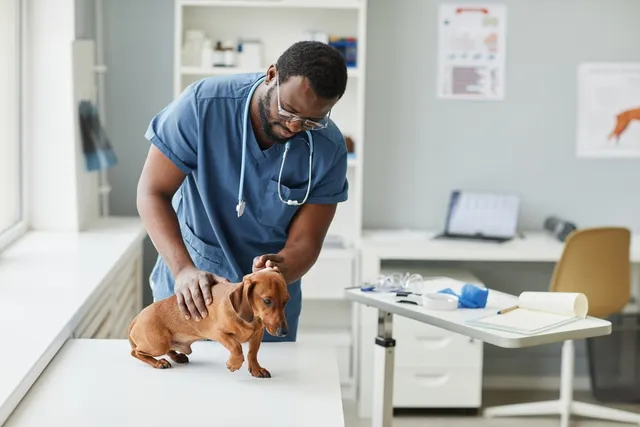
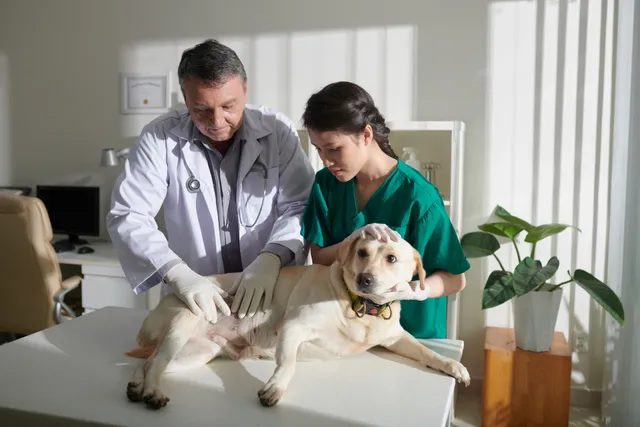
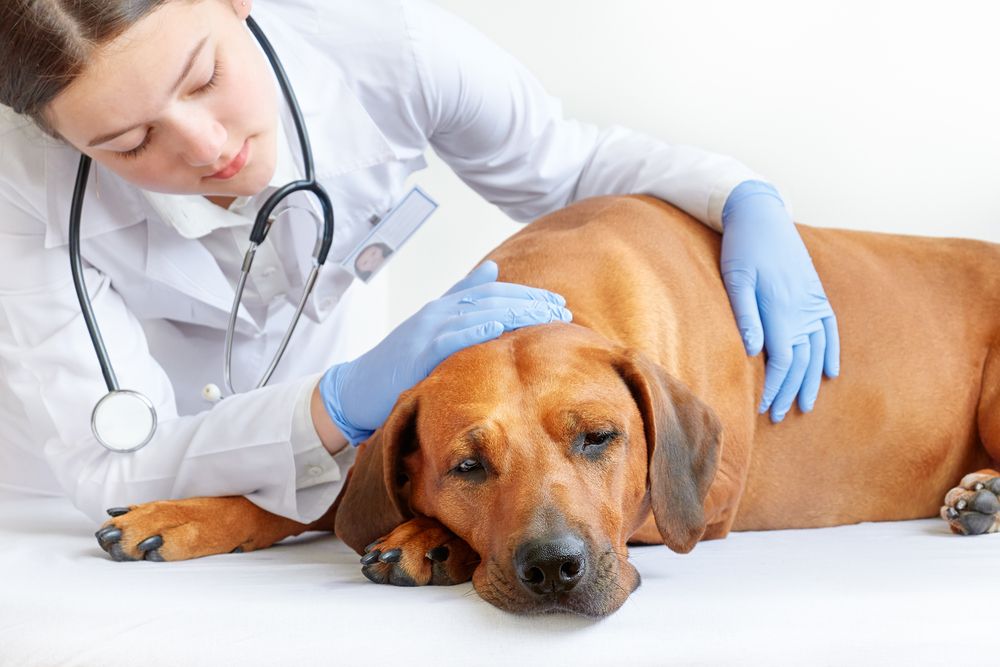
Liver disease can look like many other things, especially in the early stages, so you should see a vet if you start to notice that something is off with your pup. The veterinarian will do an exam that may unveil or explain the more tell-tale signs of liver disease, like jaundice or an enlarged abdomen, and they may run further diagnostic tests. Blood work and imaging may further point to liver issues, while a biopsy may be necessary to find the underlying cause of the problem.
Even though the liver has the ability to regenerate, starting treatment as early as possible is imperative. Although regeneration is indeed a superpower, it can’t save a severely damaged liver, so it’s crucial to get a handle on the problem before it worsens.
Depending on the cause, treatment for the liver typically involves a great deal of support. Things like changing diets and adding supplements and vitamins can help encourage liver health. Antibiotics or antifungals may be needed for an infection, while surgery and/or chemotherapy and radiation may be needed for cancer.
A dog with liver disease will also require further monitoring to ensure that their liver is regaining function. They may also require repeated blood tests or imaging even as they start to get better.
Keeping your dog up to date on their vaccinations is an essential step in preventing liver disease, as a few of the most common causes of liver infections can be vaccinated against.


Frequently Asked Questions (FAQ)
How Long Can a Dog Live With Liver Disease?
Dogs with some types of liver disease will get better within a couple of days to a few weeks, especially if it’s caught and treated early. Other types will take a couple of weeks to a few months, and some dogs won’t recover at all, living for only a few weeks or months after diagnosis. It’s so highly variable that a specific answer can’t be provided for this question. Instead, discuss your dog’s specific issues with your vet.
Can a Dog Recover From Liver Damage?
Whether the liver can recover from damage depends on what caused the damage and how much there is. Minor damage from inflammation related to a mild infection will often clear up within a week or so with proper treatment, while major damage from cancer or a chronic disease might be too deleterious to come back from.
What Should You Not Feed a Dog With Liver Problems?
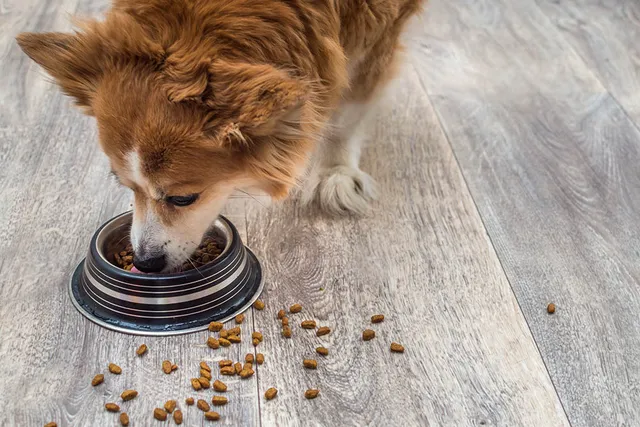
Cutting back on protein can help liver function, as it decreases the number of certain byproducts to filter from the blood. This means high-protein diets or those with large amounts of red meat should be avoided. You may also need to avoid copper or salt in certain cases and cut out fatty or sugary foods, such as table scraps and other human foods. Your vet will recommend a diet specific to your dog’s issues.

Conclusion
The liver is a major multitasker organ, which makes it incredibly useful in a dog’s body. However, wearing so many hats makes it susceptible to a variety of different issues.
Liver disease is when the liver cells get inflamed or damaged due to an infection, toxin, cancer, or another whole-body issue. The early signs can be subtle, so getting veterinary care as soon as you suspect that something is off with your dog is vital in order to get quick and proper treatment.
Related read: Chronic Hepatitis In Dogs
Featured Image Credit: Zontica, Shutterstock
Expert dog care, straight to your inbox
Vet-reviewed advice, training tips, and the best of Dogster. Free, and you can unsubscribe anytime.
By signing up, you agree to our Terms & Conditions and Privacy & Cookies Policy.
Dr. Chyrle Bonk DVM (Veterinarian)
On top of caring for animals and writing for veterinary publications, Dr. Chyrle Bonk owns a small cattle herd! When she’s not busy with those things, she can be found somewhere enjoying the Idaho outdoors with her husband and two kids. Dr. Chyrle Bonk received her Doctor of Veterinary Medicine (DVM) from Oregon State University in 2010.
Chyrle has practiced in a mixed animal clinic for over a decade. She also writes for various veterinary websites and magazines, like Dogster!
Join the conversation
Ask a question, share your story, or send private feedback.